
10 Best Proximal Humerus Plates for Global Buyers

Time:2026-10-22 Author:Oliver
0%

Choosing the right Proximal Humerus Plate requires more than comparing brand names or catalog photographs. Proximal humerus fractures represent approximately 5% of all adult fractures, according to the epidemiological review by Court-Brown and Caesar. Their incidence also rises sharply among older adults, especially after low-energy falls. This matters for global buyers. A plate designed for dense bone may behave differently in osteoporotic bone.

The World Health Organization reports that falls cause about 684,000 fatal injuries worldwide each year. Many more nonfatal falls require surgical treatment and rehabilitation. These figures do not measure proximal humerus fractures directly, but they show the scale of the clinical environment. Recent orthopedic implant market reports from Grand View Research and Fortune Business Insights also identify trauma fixation as a major growth segment. Yet market growth does not prove clinical superiority. It is an important distinction.

Shoulder specialist Dr. Peter J. Millett has emphasized that “patient factors and fracture pattern must guide treatment.” That principle should remain central when reviewing the 10 Best Proximal Humerus Plates for Global Buyers. Plate position, screw trajectory, calcar support, locking performance, radiographic visibility, and instrument completeness deserve close inspection. So does surgeon familiarity.

There is no universal winner.

A strong product may fail when the surgical technique is poorly matched to the fracture. Conversely, a familiar system may perform reliably despite a less impressive brochure. This guide compares commonly used plate designs through a practical lens, using published evidence, regulatory information, and real-world purchasing considerations. Some conclusions remain imperfect. Evidence quality varies across manufacturers and regions. That uncertainty should be acknowledged, not hidden.
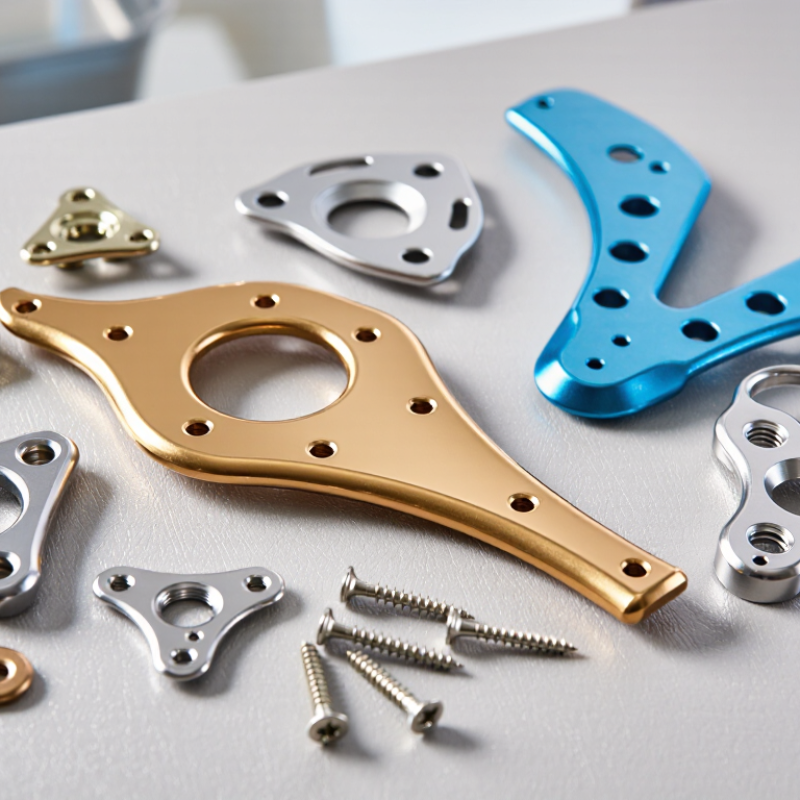
10 Best Proximal Humerus Plates for Global Buyers

What Is a Proximal Humerus Plate and What Does It Treat?

What Is a Proximal Humerus Plate and What Does It Treat?

A proximal humerus plate is a contoured metal implant for fractures near the shoulder. It supports the humeral head, surgical neck, and tuberosities after reduction. Most designs use fixed-angle screws, which can improve stability in weak, osteoporotic bone. The goal is practical: restore alignment, protect shoulder mechanics, and allow controlled rehabilitation.

These fractures represent about 5% of adult fractures, according to epidemiological reviews published in EFORT Open Reviews. They commonly affect older adults after a simple fall. The 2022 American Academy of Orthopaedic Surgeons guideline stresses that treatment depends on fracture displacement, bone quality, age, activity, and medical condition. A plate may suit selected displaced fractures, but it is not automatically the best answer. Poor medial support, varus alignment, or tuberosity displacement can increase failure risk. Real surgical judgment remains difficult.

Tips: Check plate contour, screw-angle options, and support for the medial column. Confirm that the design matches the fracture pattern and imaging plan. Ask whether postoperative motion protocols are clearly defined. Small details matter.

Surgeons should also review complication data, not only union rates. A 2023 systematic review in the Journal of Shoulder and Elbow Surgery reported meaningful variation in complications after fixation, including screw penetration and stiffness. The evidence is useful, but not perfect. Patient selection still changes the result.

10 Best Proximal Humerus Plates for Global Buyers

What Is a Proximal Humerus Plate and What Does It Treat?

A proximal humerus plate is an orthopedic fixation device used to stabilize fractures near the shoulder joint. The chart summarizes the minimum number of displaced fracture parts represented in the Neer classification: two-part, three-part, and four-part patterns. Plate selection depends on fracture location, bone quality, displacement, tuberosity involvement, and the stability required after reduction.

Classification reference: In the Neer system, a fracture part is generally considered displaced when separation is greater than 1 cm or angulation exceeds 45 degrees. The chart is not a prevalence or market-share comparison.

How Proximal Humerus Plates Are Designed and Classified

Proximal humerus plates are designed around a difficult balance: stable fixation, limited soft-tissue irritation, and accurate support near the shoulder joint. Their curved profiles usually follow the upper humerus, while multiple screw holes allow fixation in the humeral head, shaft, and medial column. Locking screws can create a fixed-angle construct, which may help in weak bone. However, plate strength alone cannot correct poor reduction or unsuitable screw placement.

Classification often reflects anatomy and fracture patterns. Plates may be described as left- or right-sided, long or short, locking or non-locking, and designed for minimally invasive or conventional approaches. Some include calcar screw options for medial support. Others provide dense head fixation for complex fractures. Buyers should examine hole geometry, screw diameters, radiolucent markers, material, surface finish, and compatibility with the intended instrument system. Terminology is not fully consistent across suppliers. That deserves careful review.

Tips: Match the plate to the fracture map, not only the catalogue image. Check radiographs, surgical access, and bone quality. Request dimensional drawings and mechanical test data. Ask whether the stated classification follows a recognized standard. I have seen “universal” descriptions create confusion during selection. A wider product range is not always a better choice. Clear documentation matters.

Key Features to Compare When Selecting a Proximal Humerus Plate

When comparing the 10 best proximal humerus plates, begin with clinical anatomy, not catalogue ranking. The Global Burden of Disease Study 2019 recorded about 178 million new fractures worldwide, showing the scale of trauma care demand. However, global volume does not justify one universal plate design.

Examine the plate’s contour against the greater tuberosity and humeral head. A close fit may reduce soft-tissue irritation. Check locking-screw angles, calcar support, and the number of fixed-angle holes. These details matter in osteoporotic bone. Small fragments need controlled fixation. They also need visibility during fluoroscopy. In practice, I would compare radiographs, screw insertion depth, and instrument handling, not only brochures. Too many holes can increase flexibility, but may complicate placement. That trade-off deserves reflection.

Material strength, corrosion resistance, and fatigue performance require documented testing. Ask for mechanical reports based on recognized standards, such as ASTM or ISO methods. The AAOS evidence guidance on proximal humerus fractures also highlights continued uncertainty around several treatment decisions. That caution matters. A technically advanced plate cannot replace reduction quality or patient-specific planning. Review regulatory clearance, sterilization instructions, traceability, and post-market surveillance records. The FDA’s MAUDE database can reveal reported device events, although reports may be incomplete and cannot prove causation. Look closely. For global buyers, multilingual instructions, consistent screw availability, and surgeon training support may matter as much as the implant geometry.

10 Best Proximal Humerus Plates for Global Buyers - Key Features to Compare When Selecting a Proximal Humerus Plate

Profile Typical Indication Plate Configuration Common Screw System Proximal Fixation Shaft Fixation Available Length Range Material Options Design Features to Compare Key Selection Consideration
1. Standard 3.5 mm Locking Plate Two-part and three-part proximal humerus fractures in adults Left- or right-sided, precontoured lateral plate 3.5 mm locking and cortical screws Multiple threaded holes for fixed-angle screw placement Combination holes for locking or conventional fixation Short to long; approximately 70–220 mm Titanium alloy or stainless steel Low profileAnatomic contourK-wire holes A practical general-purpose option when standard adult anatomy and routine screw availability are priorities.
2. Short-Segment Fracture Plate Proximal fractures with limited distal extension and short working length Compact plate with a reduced shaft section 2.7 mm or 3.5 mm locking screws, depending on system Several converging and diverging locking trajectories Typically 2–4 shaft holes Approximately 50–100 mm Titanium alloy or stainless steel Compact footprintSoft-tissue friendlyMultiple trajectories Useful when the fracture is close to the surgical neck and excessive distal dissection should be avoided.
3. Long Bridge Plate Comminuted fractures, osteoporotic bone, or fractures extending toward the shaft Extended lateral plate with a longer working span 3.5 mm locking and cortical screws Dense proximal cluster of fixed-angle holes Multiple shaft holes with optional bridge fixation Approximately 160–300 mm Titanium alloy or stainless steel Long working lengthBridge platingVariable screw spacing Compare plate length, hole distribution, and stiffness to reduce the risk of excessive construct rigidity.
4. Small-Fragment 2.7 mm Plate Smaller adults, selected periarticular fractures, or fragment-specific fixation Thin, narrow lateral plate with a small-fragment profile 2.7 mm locking and non-locking screws Fine-pitch threaded holes for smaller fixed-angle screws Combination or compression holes for 2.7 mm screws Approximately 55–180 mm Titanium alloy or stainless steel Reduced profileSmaller screwsFine contour Confirm that screw length, thread design, and implant strength are suitable for the patient’s bone quality.
5. Osteoporotic-Bone Support Plate Low-density bone and elderly patients with a higher fixation challenge Broad proximal head with a high number of locking positions 3.5 mm locking screws, often with optional inferomedial support Multiple divergent screws directed into the humeral head Locking holes with options for bicortical fixation Approximately 90–240 mm Titanium alloy or stainless steel High screw densityInferomedial supportFixed-angle fixation Prioritize screw distribution, medial column support, and compatibility with imaging and augmentation techniques.
6. Varus-Correction Plate Varus malalignment, medial-column deficiency, or fracture patterns requiring angular correction Precontoured plate with targeted support for the inferior head region 3.5 mm locking screws with optional cortical screws Oblique and inferomedial screw trajectories Combination holes for reduction before locking Approximately 80–220 mm Titanium alloy or stainless steel Angular supportMedial-column focusReduction holes Check the direction and length of inferomedial screws to support the calcar without joint penetration.
7. High-Position Tuberosity Plate Fractures involving the greater tuberosity and rotator-cuff attachment area Short, superiorly positioned plate with suture holes 2.7 mm or 3.5 mm locking screws Several small locking holes near the tuberosity Limited shaft fixation, usually with 2–3 holes Approximately 45–120 mm Titanium alloy or stainless steel Suture eyeletsShort plateTuberosity support Evaluate plate position, soft-tissue clearance, and the ability to secure tendon-bearing fragments with sutures.
8. Periprosthetic-Compatible Plate Proximal humerus fractures near an existing stem or other implant Long plate with flexible screw and cerclage options 3.5 mm locking screws, cortical screws, and optional cable features Proximal fixed-angle holes with multiple orientations Variable-angle or offset holes around the implant zone Approximately 180–320 mm Titanium alloy or stainless steel Cable compatibilityOffset holesLong span Verify clearance from the prosthetic stem and confirm the system’s approved cable or cerclage accessories.
9. Variable-Angle Locking Plate Fractures requiring customized screw trajectories because of fragment location or anatomy Precontoured plate with multi-directional threaded holes Variable-angle 2.7 mm or 3.5 mm locking screws Adjustable screw angulation within the manufacturer’s specified range Variable-angle and combination shaft holes Approximately 75–240 mm Titanium alloy or stainless steel Variable angleFragment targetingImaging access Compare the permitted angulation range, driver interface, and required torque-control instrumentation.
10. Dual-Plate or Augmentation-Ready System Highly comminuted fractures, medial instability, or cases requiring additional structural support Primary lateral plate with optional medial or supplemental component 3.5 mm locking screws with optional 2.7 mm supplemental screws Multiple fixed-angle screws with options for supplemental fixation Independent fixation zones for the primary and auxiliary plates Approximately 70–260 mm per plate Titanium alloy or stainless steel Modular fixationMedial supportAugmentation-ready Assess combined implant bulk, soft-tissue coverage, screw interference, and the need for bone graft or cement augmentation.

Note: Dimensions, screw diameters, plate lengths, and available configurations vary by implant system. Final selection should be based on patient anatomy, fracture pattern, bone quality, imaging, surgical technique, and the applicable regulatory requirements in the destination market.

10 Leading Proximal Humerus Plates for Global Buyers

For global buyers, the ten leading proximal humerus plate choices are usually defined by design, not appearance. Common options include anterolateral locking plates, lateral locking plates, superior plates, low-profile plates, variable-angle plates, extended plates, compact plates, left-sided plates, right-sided plates, and revision-oriented plates. Each option should match fracture location, bone quality, and the surgeon’s preferred approach.

A reliable plate uses a suitable alloy, accurate hole positioning, and controlled screw angulation. Locking screws can support fragile metaphyseal bone, while compression features may help selected fracture patterns. Smooth edges matter near soft tissue. So does a clear surgical technique guide.

During purchasing, I would check radiographic evidence, fatigue testing, instrument compatibility, sterile packaging, and lot traceability. Regulatory clearance must also be confirmed for every destination market.

A perfect universal plate does not exist. That matters. A plate that performs well in dense bone may offer less purchase in severe osteoporosis. Buyers should request anatomical models, sample instruments, and independent clinical documentation before placing large orders. Surgeon feedback remains essential, especially for screw trajectory, plate contour, and reduction visibility. I would also question catalog claims that lack comparative data. Small details, such as readable markings and dependable packaging, can influence operating-room efficiency more than polished product language.

How to Evaluate Quality, Compatibility, and Supplier Reliability

10 Best Proximal Humerus Plates for Global Buyers

Choosing a proximal humerus plate requires more than comparing price and hole counts. A reliable evaluation starts with clinical use, engineering details, and supplier evidence. Ask whether the plate supports the fracture patterns treated in your hospital. Check contour, plate thickness, screw trajectory, locking stability, and soft-tissue clearance. A plate that looks strong on paper may irritate the deltoid if its profile is too high.

Compatibility needs close attention. Confirm screw diameters, lengths, thread designs, drill guides, and instrument connections. Test the plate against available imaging equipment and surgical tools. Small mismatches can delay an operation. Product drawings, material specifications, mechanical test reports, and sterilization information should be clear and consistent. Requirements differ between markets, so buyers should verify local registration and documentation independently.

Supplier reliability appears in practical details. Request traceability records, batch numbers, inspection plans, and complaint-response procedures. Review sample packaging for labeling accuracy and physical protection. Ask about production capacity during urgent demand, not only normal delivery times. A capable supplier answers technical questions with evidence. An impressive brochure is not enough. I would also examine several samples, because one sample can hide variation. Even experienced teams can overlook instrument compatibility during a busy procurement cycle. Independent clinical feedback and a documented quality system add confidence, but neither replaces careful verification.

FAQS

What is a proximal humerus plate?

It is a shaped metal implant for fractures near the shoulder. It supports the humeral head, surgical neck, and tuberosities after reduction.

What injuries can this plate treat?

It may treat selected displaced fractures near the upper humerus. Treatment depends on fracture position, bone quality, age, activity, and medical condition. It is not always the best option.

Why are locking screws commonly used?

Locking screws can improve stability in weak or osteoporotic bone. They maintain fixed angles between the screws and plate. Medial support still matters.

What plate designs are available?

Common designs include anterolateral, lateral, superior, low-profile, and variable-angle plates. Extended, compact, and revision-oriented versions are also available. Left and right options may differ.

How should surgeons choose the correct plate?

The plate should match the fracture pattern and surgical approach. Check contour, screw trajectories, medial-column support, and imaging visibility. Small details matter.

What risks should buyers and surgeons review?

Reported complications include screw penetration, stiffness, poor alignment, and fixation failure. Varus alignment and weak medial support may increase risk. The evidence is useful, but incomplete.

What should global buyers check before ordering?

Review alloy details, hole accuracy, fatigue testing, instruments, and sterile packaging. Confirm lot traceability and regulatory clearance for each destination market. Catalog claims need questioning.

Is there one universal plate for every fracture?

No universal plate fits every patient or bone condition. A design suited to dense bone may perform differently in severe osteoporosis. Perfect choices are rare.

What evidence should buyers request?

Request anatomical models, sample instruments, radiographic evidence, and independent clinical documentation. Surgeon feedback can reveal problems with contour or screw direction. Packaging details can affect operating-room efficiency.

Conclusion

A Proximal Humerus Plate is an orthopedic fixation device used to stabilize fractures near the shoulder joint, including complex, displaced, or osteoporotic injuries. This article explains how these plates support bone alignment and healing, and how they are designed and classified by shape, screw configuration, anatomical coverage, fixation method, and left- or right-side compatibility. It also outlines important features buyers should compare, such as locking options, contour accuracy, hole layout, material quality, radiographic visibility, instrument support, and ease of surgical application.

The guide presents ten leading types of Proximal Humerus Plate suitable for global buyers, focusing on practical differences rather than brand promotion. It also provides a structured approach to evaluating product quality, regulatory documentation, dimensional consistency, sterilization requirements, packaging, technical support, supply capacity, and supplier reliability. By considering clinical purpose, compatibility with surgical systems, manufacturing standards, and long-term service, purchasers can make more informed decisions and select solutions that support safe, consistent, and efficient orthopedic treatment.

Oliver

Oliver

Oliver is a seasoned marketing professional with a wealth of expertise in driving brand awareness and engagement. With a deep understanding of our company's product offerings, he consistently delivers high-quality content that enriches our professional blog. His insights not only shed light on......