
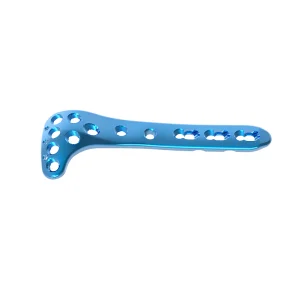
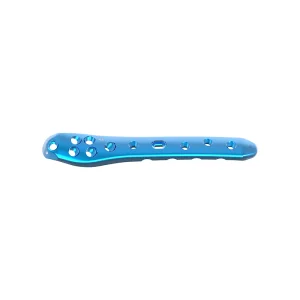
Custom Proximal Lateral Tibia Locking Compression Plate IV Supplier, Suppliers
Technical Specs
Engineered to international regulatory parameters, featuring multi-axis locking capabilities, sterile cleanroom packaging, and biological load distribution profiles.
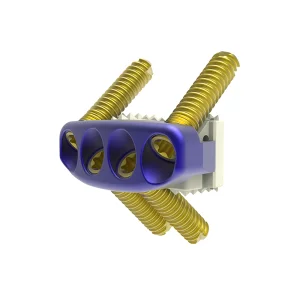
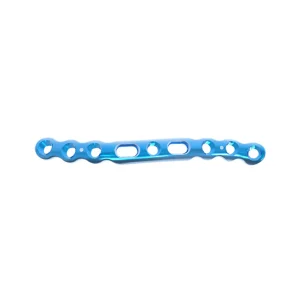
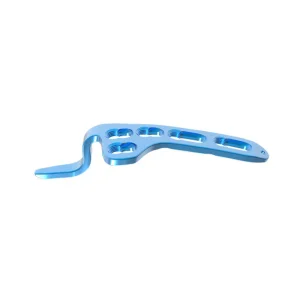
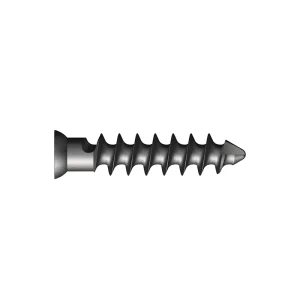
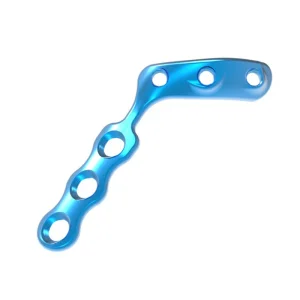
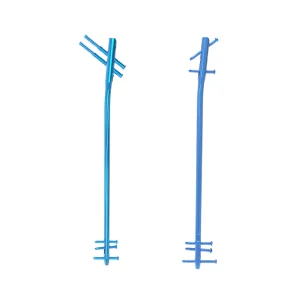
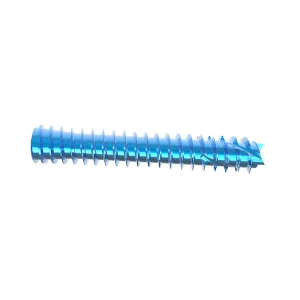
Analyzing biomechanical transition from conventional compression plating to biological internal fixation.
In modern orthopedic trauma management, the locking compression plate (LCP) system represents a fundamental paradigm shift away from friction-dependent plate osteosynthesis. Traditional plating relies entirely on compressive force exerted between the periosteum and the implant underside. This mechanics-driven dynamic inadvertently strangulates the periosteal microcirculation, provoking cortical necrosis, prolonged bone remodeling cycles, and elevated non-union rates in comminuted and osteoporotic pathologies.
Locking plates function fundamentally as internal-external fixators. By mechanically coupling the threaded screw head into the threaded plate aperture, load is transferred directly through the structural construct without compressing the cortical interface. This preserves sub-periosteal blood supply, minimizes hardware loosening in low-density trabecular bone, and significantly suppresses secondary displacement under physiological loading vectors.
Engineered with limited-contact undercuts that preserve the periosteum. Reduced tissue devitalization directly correlates with decreased postoperative complication frequencies and accelerated callus consolidation.
Threaded locking geometries prevent screw toggle, effectively counteracting shear, torsional, and bending stresses across difficult metaphysical and peri-articular fractures without stripping cancellous bone.
Machined from ISO 5832-3 medical-grade Ti-6Al-4V titanium alloy and certified surgical stainless steel. Delivers an optimal balance of fatigue strength and an elastic modulus that minimizes stress shielding.
Combining world-class multi-axis Swiss machining centers with Beijing’s integrated biomedical supply cluster.
Over the last decade, high-tier Chinese orthopedic contract manufacturing has outpaced traditional low-volume workshops by merging vertically integrated raw material reserves, ultra-precision automated milling, and stringent ISO 13485 cleanroom validation. Beijing ZhongAnTaiHua Technology Co., Ltd. (ZATH), operating inside the prestigious Zhongguancun Science and Technology Park since 2009, operates an integrated facility where every phase—from raw bar stock inspection to ethylene oxide (EO) or gamma terminal sterilization—is fully governed under a single quality audit trail.
| Evaluation Parameter | ZATH Advanced Manufacturing Standard | Conventional Importers / Re-packagers |
|---|---|---|
| Raw Material Origin | 100% Traceable Vacuum-Arc Remelted Ti-6Al-4V ELI (ASTM F136) | Uncertified secondary commercial billets |
| Machining Precision | Multi-axis sliding head Swiss CNC machining (Tolerance ≤ ±5μm) | Standard 3-axis mills (Tolerance ≥ ±25μm) |
| Cleanroom Class | Class 100,000 cleanroom packaging conforming to ISO 14644-1 | Non-sterile bulk shipment requiring off-site decontamination |
| Regulatory Dossier Support | Comprehensive CE, ISO 13485, FSC, and FDA-ready Technical Files | Limited documentation; manual re-testing required |
| Logistics SLA | 4–6 Days direct express dispatch via DHL/FedEx/UPS hubs | 4–8 Weeks sea transit and fragmented regional logistics |
Over 100 senior and mid-tier technicians continuously optimize flute angles, tapping threads, and multi-hole contours for specific surgical applications.
Validated double-blister medical Tyvek barrier pouches save valuable hospital operating room turnaround time and virtually eliminate particulate contamination.
Complete flexibility in laser etching, custom anodization coloring (gold, blue, magenta), personalized box designs, and sterile barcode label configurations.
Assistance with national registration processes through comprehensive bio-compatibility test reports, mechanical fatigue benchmarks, and ISO compliance dossiers.
How healthcare economics and demographic evolutions are shaping orthopedic trauma implant procurement.
The biomechanical behavior of internal fixation implants cannot follow a generic blueprint across varied anatomical topologies. ZATH designs anatomically pre-contoured plates targeted at regional morphological differences:
In mature European and North American healthcare systems, aging demographics present an increasing prevalence of fragility and peri-prosthetic fractures around hip and knee arthroplasty stems. Here, variable-angle (VA) locking compression plates allow surgeons to angle screws up to 15 degrees away from intramedullary stems, anchoring directly into thin cortical margins without displacing prosthetic components.
Conversely, in emerging Latin American, Southeast Asian, and Middle Eastern markets, high-energy trauma caused by vehicular and industrial accidents requires highly rigid reconstruction systems, including the MASFIN femur intramedullary nail and high-strength anteromedial clavicle compression plates capable of resisting early axial displacement during aggressive rehabilitation.
Global medical supply networks are transitioning away from high-priced tier-one multinational cartels toward reliable, audit-ready direct manufacturers. Hospital networks and distributors demand:
Global distributors mitigate localized production shutdowns by establishing factory-direct OEM ties with high-capacity facilities like ZATH, securing uninterrupted clinical stock.
Implant profiles endure millions of cyclical loading loops in cyclic bending tests without micro-fissuring, fulfilling rigorous dynamic fatigue compliance standards (ASTM F382).
Ergonomically contoured anatomies mimic native bony contours, decreasing OR operating time by minimizing the need for manual intraoperative plate bending.
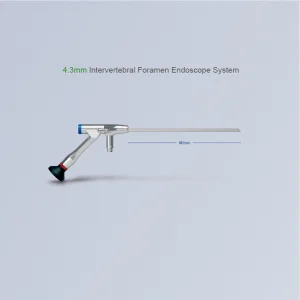
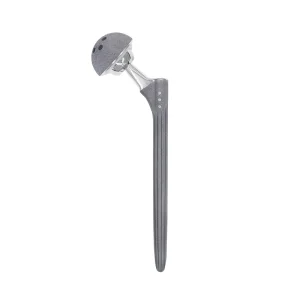
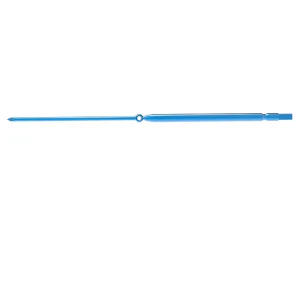
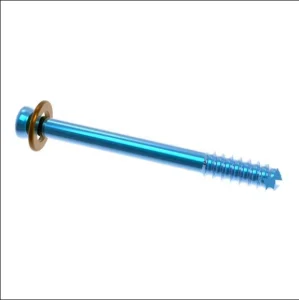
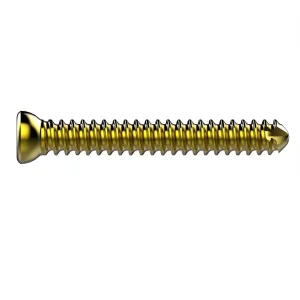
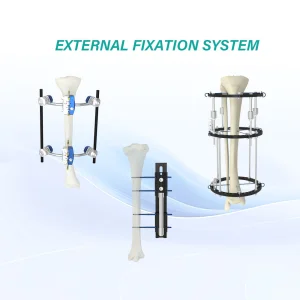
Complementary surgical platforms including cortical fixation, cannulated guidance, endoscopes, and external stabilization.
Essential guidance for hospital tenders, distributor onboarding, and regulatory compliance validation.