
Featured Primary & Revision Hip Arthroplasty Systems
Precision-engineered hip joint prostheses fabricated under rigid ISO 13485 cleanroom protocols, supporting biological fixation and cemented arthroplasty pathways.
Joint Replacement Metallurgy & Tribological Standards
Evaluating the engineering tolerances, biomaterials, and surface treatment protocols that govern modern total hip arthroplasty (THA) and total knee arthroplasty (TKA) clinical performance.
Medical Grade Ti-6Al-4V ELI
We utilize vacuum arc remelted Titanium alloy (ASTM F136 / ISO 5832-3). Its elastic modulus (~110 GPa) closely matches cortical bone compared to cobalt-chrome, drastically mitigating the long-term risk of femoral stress shielding.
Advanced Tribology: Ceramic & XLPE
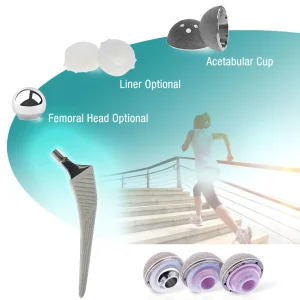
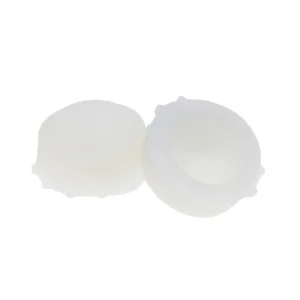
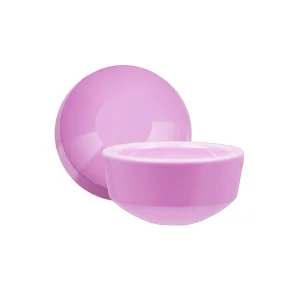
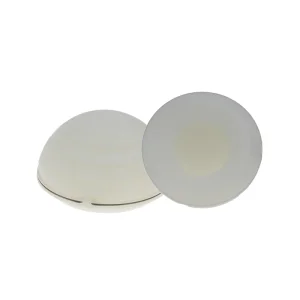
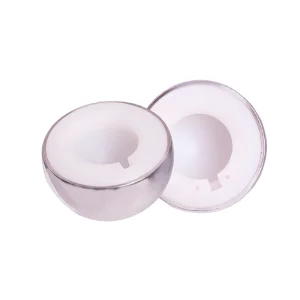
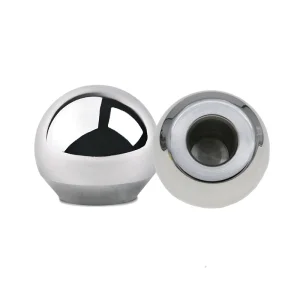
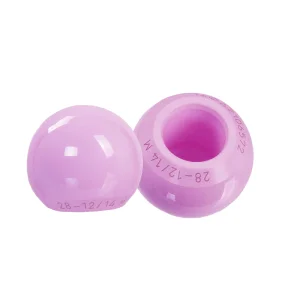
CDC ceramic liners and CDH femoral heads leverage zirconia-toughened alumina (ZTA) composite matrices. Combined with cross-linked UHMWPE, volumetric wear rates decline below 5 mm³/million cycles under ISO 14242 joint simulation.
Additive 3D Porous Ingrowth
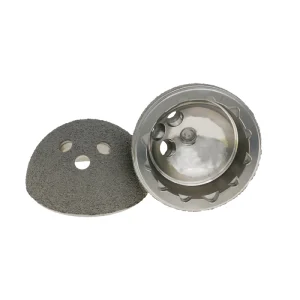
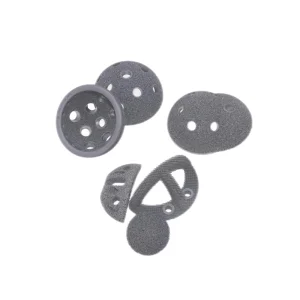
Through Electron Beam Melting (EBM) and Direct Metal Laser Sintering (DMLS), our acetabular cups feature interconnected titanium trabecular architectures (600–800 μm pore size, 70% porosity) for rapid osseointegration.
China Factory Supply Chain Architecture & Scale
Operating from the Zhongguancun Science Park in Beijing, ZATH combines high-precision multi-axis CNC machining, integrated heat treatment, cleanroom packing, and rapid international air freight.
Unified Vertical Production
Unlike assembly-only aggregators, raw stock undergoes wire electrical discharge machining (EDM), five-axis Swiss turning, passivation, electrochemical polishing, and ISO Class 7 cleanroom packaging inside one site.
Stringent Cost-to-Performance Ratio
Leveraging China's high-tier medical supply ecosystem allows distributors to secure cost advantages of 35% to 50% relative to Tier-1 multinationals, without compromising mechanical fatigue thresholds or surface finish tolerances.
Agile Global Dispatch
Strategic ties with DHL, FedEx, UPS, and EMS ensure express door-to-door delivery within 4 to 6 business days, accompanied by full sterile barrier testing validations, lot inspection reports, and customs documentation.
B2B Procurement Realities: Enterprise Buyers vs OEM Deliverables
Global orthopedic purchasing bodies, regional hospital groups, and medtech brand owners face severe compliance hurdles. Below is an engineering comparison of standard OEM vs ZATH Manufacturing protocols.
| Evaluation Parameter | Typical OEM Contract Suppliers | ZATH Advanced Manufacturing Standard | Procurement Benefit |
|---|---|---|---|
| Quality Management | General ISO 9001 or domestic standard | Certified ISO 13485 QMS across design, machining & cleanroom | Audit-ready for local health authority dossiers |
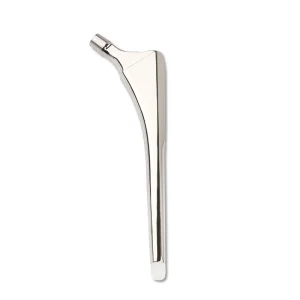
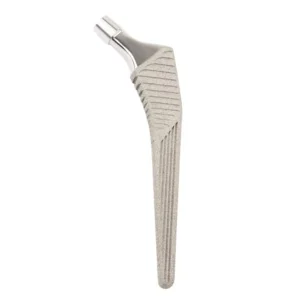
| Stem Fixation Geometry | Standard straight tapered broach design | ADS & FDS triple-taper, lateral flare, proximal hydroxyapatite (HA) | Reduced subsidence risk and optimized rotational stability |
| Acetabular Revision | Limited modularity, standard solid cups | 3D-printed trabecular titanium revision augments and cages | Solves severe Paprosky Type II/III bone defect cases |
| Sterility & Packaging | Non-sterile bulk supply requiring hospital autoclaving | Double-barrier blister, gamma/EO validated sterile shelf life | Direct OR readiness, minimal perioperative infection risk |
| Instrumentation | Generic carbon-steel instrumentation | Custom-machined CNC surgical trays calibrated to component taper | Seamless intraoperative sizing and reduced surgeon fatigue |
Localized Application Scenarios & Regulatory Access
Arthroplasty dynamics vary widely between emerging public tenders and high-income private healthcare networks. Our engineering adaptability fulfills precise regional indications.
Emergent Femoral Neck Fractures
Indication: Geriatric intracapsular fractures requiring rapid hemiarthroplasty.
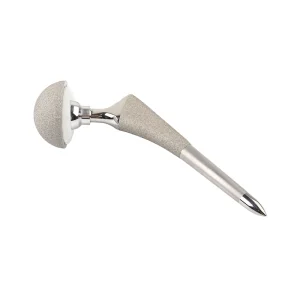
Solution: The Titanium Bipolar Hip Joint Prosthesis with self-centering cup design minimizes surgical duration, restores immediate mobility, and dramatically suppresses acetabular cartilage erosion.
Active Degenerative Osteoarthritis
Indication: End-stage osteoarthritis in younger, physically active patient demographics.
Solution: Press-fit ADS/FDS cementless femoral stems coupled with CDC ceramic liners and delta-grade ceramic heads deliver maximum range of motion with virtually non-detectable wear debris.
Global Regulatory Compliance Dossiers
Assurance: Navigating SFDA, CE (MDR), and national ministry registrations.
Assistance: Complete technical files (STED), biocompatibility data (ISO 10993), packaging integrity tests, and Free Sale Certificates (FSC) accelerate market authorizations for licensed distributors.
Trends Shaping Joint Replacement Manufacturing
The shift toward precision patient-specific instrumentation (PSI), robotic navigation compatibility, and bioactive surface modifications is revolutionizing arthroplasty outcomes.
Robotic Arm Compatibility
Modern knee and hip stems are machined to micro-tolerances (<10 μm) ensuring instantaneous registration with optical tracking arrays and semi-autonomous robotic milling cutters, preventing component malalignment.
Bioactive Hydroxyapatite (HA) Coatings
Atmospheric plasma spray systems deposit 50±10 μm crystalline HA layers onto titanium substrates. This prompts direct biological bonding between host trabeculae and stem, accelerating mechanical stability in non-cemented procedures.
Patient-Specific Customization (PSI)
Through DICOM image conversion and high-accuracy metal 3D printing, complex congenital hip dysplasia (DDH) and structural oncology defects are addressed with custom reconstructive acetabular flanges.
Revision Systems, Acetabular Fixation & Orthopedic Implants
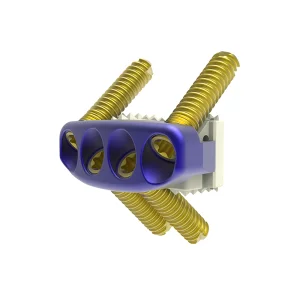
Expanding beyond basic primary implants to complete hospital sets: 3D printing revision networks, cemented cups, femoral heads, and spinal fusion hardware.
Joint Replacement Procurement & Manufacturing FAQ
Direct answers to core technical, regulatory, and supply-chain queries for medtech distributors, hospital tender committees, and brand managers.