
Precision Hip & Orthopedic Hardware Catalog
Explore our certified orthopedic product lines manufactured under class-leading ISO 13485 cleanroom machining standards. All components feature high biological affinity and strict metallurgical verification.
Navigating the Global Arthroplasty Sourcing Landscape
Total Hip Arthroplasty (THA) remains one of the most clinically cost-effective surgical interventions in modern medicine. However, hospital procurement bodies, health ministries, and independent distributors are experiencing unprecedented structural changes driven by centralized volume-based procurement (VBP), regulatory upheaval in the European Union (MDR 2017/745), and the demand for robust tier-one manufacturing partners.
Tender Deflation vs. Implant Quality
National healthcare frameworks across Europe, Latin America, and Southeast Asia are transitioning toward centralized tenders. This policy shift compresses gross margins, forcing distributors away from legacy multinational monopolies toward vertically integrated Chinese contract manufacturers capable of delivering equivalent ISO 5832-3 medical-grade titanium alloy stems at a fraction of legacy landed costs.
MDR Regulatory Bottlenecks
The stringent documentation barriers under EU MDR have precipitated an attrition of smaller European manufacturers. Certified factories operating comprehensive Technical Documentation, complete Clinical Evaluation Reports (CER), and biocompatibility dossiers according to ISO 10993 bridge this supply gap, ensuring continuous replenishment of critical surgical stock.
Supply Chain Security & Buffer Inventory
Global supply disruptions have underscored the peril of fragmented multi-tiered production networks. Modern hip prosthesis factories integrate ingot forging, precision grinding, cleanroom washing, vacuum plasma spray (VPS), and gamma sterilization under a singular corporate hierarchy, eliminating sub-tier component delays.
Localized Surgical Applications: From Degenerative Arthroplasty to Complex Revision
Hip joint pathology varies markedly across geographic demographics, bone mineral densities, and patient lifestyles. A reliable factory partner must supply an engineered armamentarium tailored to distinct anatomical challenges.
1. Primary Cementless THA: Dorr Type A & B Femoral Morphologies
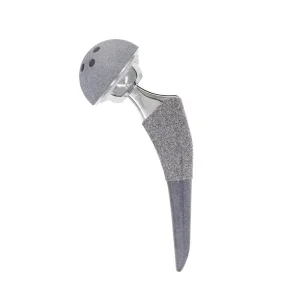
For active patients with robust cortical stock suffering from primary osteoarthritis, avascular necrosis (AVN), or post-traumatic arthritis, modern cementless stems feature a tapered wedge or double-taper geometry. The proximal circumferential coating (such as plasma-sprayed titanium or hydroxyapatite) achieves initial press-fit stability within 150 microns of micro-motion, allowing immediate osteoconductive bone ingrowth.
- Material: Forged Ti-6Al-4V ELI (ASTM F136) with optimized modulus of elasticity to mitigate stress shielding.
- Fixation: Proximal macro-grooves provide anti-rotational torque resistance under physiological heel-strike forces.
- Bearing Options: Highly Cross-Linked Polyethylene (HXLPE) paired with BIOLOX® delta ceramic or CoCrMo femoral heads.
2. Geriatric Femoral Neck Fractures: Bipolar Hemiarthroplasty
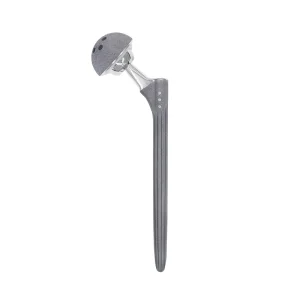
In elderly populations presenting with subcapital or transcervical fractures (Garden Type III & IV) and intact acetabular cartilage, operative speed, minimal blood loss, and immediate postoperative weight-bearing are clinical imperatives. Bipolar hip systems provide a dual-articulation bearing that dampens shear stresses across the acetabulum.
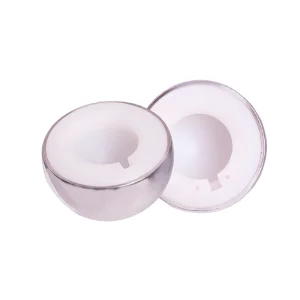
- Bi-Articular Design: Outer metallic shell articulates with native cartilage while inner head glides on ultra-smooth UHMWPE.
- Cemented vs. Uncemented: Smooth polished stems for polymethylmethacrylate (PMMA) fixation in osteoporotic Dorr C bone.
- Dislocation Resistance: Self-centering bipolar mechanism minimizes prosthetic impingement and groin pain.
3. Developmental Dysplasia of the Hip (DDH Crowe I–IV)
Dysplastic hips exhibit a shallow, anteverted, and superiorly displaced true acetabulum accompanied by extreme narrow femoral medullary canals and excessive femoral anteversion. Standard off-the-shelf implants routinely result in cortical perforation or early loosening.
- Modular & Conical Stems: Allows independent adjustment of anteversion angles and distal cortical press-fit.
- Subtrochanteric Shortening: Compatible with transverse or step-cut osteotomies with distal anti-rotation splines.
- Micro-Cups: Small diameter acetabular components (down to 40mm) engineered for shallow bony coverage.
4. Complex Revision Arthroplasty & Bone Defect Reconstruction
Aseptic loosening, periprosthetic joint infection (PJI), and extensive osteolysis (Paprosky Class II & III) demand revision stems with diaphyseal fluted fixation and modular augment systems capable of reconstituting joint center kinematics.
- Distal Fluted Stems: Splined conical titanium stems bypass proximal metadiaphyseal defects to lock into the cortical isthmus.
- 3D Printed Porous Wedges: Titanium trabecular augments and buttress cages restore anatomical acetabular columns.
- Dual-Mobility Couplings: Maximum impingement-free range of motion for patients with compromised abductor musculature.
Inside the Tier-One Chinese Arthroplasty Factory: Engineering Rigor & Efficiency
The contemporary Chinese orthopedic implant industry has transcended low-cost contract casting. Leading facilities deploy end-to-end multi-axis automated CNC ecosystems, strict incoming metallurgical screening, and validated sterile barriers that surpass international benchmark standards.
Metallurgical Origin Control
Every hip stem commences with certified premium bar stock complying with ASTM F136 / ISO 5832-3 (Ti-6Al-4V Extra Low Interstitial) and ISO 5832-4 / ASTM F75 (Co-Cr-Mo Cast/Wrought Alloys). Ultrasonic testing ensures zero internal microporosities or inclusions prior to initial drop forging or wire EDM shaping.
5-Axis CNC & Taper Machining
Femoral neck tapers (standard 12/14 Euro-taper configuration) demand sub-micron dimensional tolerances to prevent trunnionosis, fretting, and corrosion. Utilizing high-precision DMG Mori and Citizen Swiss-type 5-axis machining centers, tapers maintain angular tolerances under ±0.01° and surface roughness Ra < 0.2 µm.
Bio-Surface Engineering (VPS & HA)
Thermal Vacuum Plasma Spray (VPS) coats pure medical titanium powder onto stems and acetabular shells, producing an interconnected pore structure with 30–50% porosity and pore sizes of 200–500 µm. Subsequent electrochemically deposited hydroxyapatite (HA) accelerates early peri-implant bone mineralization within 6 to 12 weeks.
| Manufacturing Stage | Critical Parameters & Tolerances | Inspection Technology | International Standard |
|---|---|---|---|
| Raw Material Receiving | Chemical composition, microstructure alpha-beta phase, tensile strength > 860 MPa | Optical Emission Spectrometry, Metallographic Microscopy | ISO 5832-3 / ASTM F136 |
| 5-Axis Forging & CNC Milling | Contour accuracy ±0.02 mm, 12/14 neck taper angle ±0.008° | Zeiss coordinate measuring machines (CMM), Laser Profile Scanning | ISO 7206-2 / ISO Jian 2768-m |
| Porous Coating Application | VPS Ti coating thickness 250–350 µm, HA thickness 50±10 µm | Tensile bond strength testing (> 35 MPa), Shear fatigue | ASTM F1147 / ASTM F1160 |
| UHMWPE / Ceramic Bearing Finishing | Sphericity < 2 µm, Ra surface finish < 0.02 µm for ceramic/CoCr heads | Taylor Hobson roundness profilers, Atomic force microscopy | ISO 7206-10 / ASTM F2033 |
| Sterile Barrier Packaging | Double Tyvek blister pack, Class 10,000 cleanroom, Bioburden < 100 CFU | Seal integrity bubble emission test, Gamma dose audit (25–40 kGy) | ISO 11607-1/2, ISO 11137 |
Tribological Horizons & Future Arthroplasty Innovations
Longevity in hip arthroplasty is fundamentally governed by wear particle generation and subsequent macrophage-induced osteolysis. Advanced manufacturing centers are driving substantial paradigm shifts across material science.
Additive 3D Trabecular Titanium
Selective Laser Melting (SLM) and Electron Beam Melting (EBM) construct porous lattices mirroring natural cancellous bone (65–80% porosity). This eliminates distinct coating boundaries and suppresses elastic modulus mismatches, drastically curtailing thigh pain and stress shielding.
Vitamin E Highly Crosslinked UHMWPE
Blending Alpha-Tocopherol (Vitamin E) into irradiated high-molecular-weight polyethylene scavenges free radicals without requiring thermal remelting. This preserves mechanical tensile strength while reducing volumetric wear to under 5 mm³ per million cycles in hip simulator testing.
Bioactive Anti-Infection Surfaces
Addressing Periprosthetic Joint Infection through silver nanocoatings, strontium-doped hydroxyapatite, and titanium dioxide nanotube layers. These smart interfaces release sustained antimicrobial ions while fostering uninterrupted osteoblast proliferation.
Robotic Navigation Registration
Engineering digital coordinate interfaces into stem rasps, cup impactors, and trial liners that link seamlessly with automated orthopedic surgical robots (MAKO, ROSA). This ensures sub-millimeter placement accuracy, ideal femoral offset, and leg-length equalization.
Empowering Regional Distributors: Dossiers, Audits & Turnkey Tooling
A true contract manufacturing partnership extends far beyond hardware fabrication. Navigating regional health authorities—such as INVIMA, ANVISA, COFEPRIS, SFDA, and CE bodies—requires meticulous technical file orchestration.
Turnkey Regulatory Dossiers
We supply complete Common Technical Documents (CTD) encompassing ISO 10993 cytotoxicity and pyrogenicity data, mechanical fatigue testing reports (ISO 7206-4, ISO 7206-6, ISO 7206-8), shelf-life aging tests, and Free Sale Certificates (FSC) to expedite local health ministry registration within 3 to 6 months.
Modular Instrument Loaner Sets
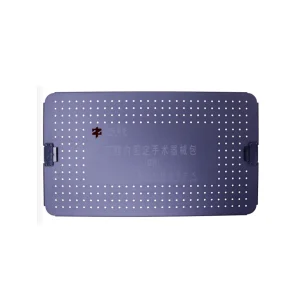
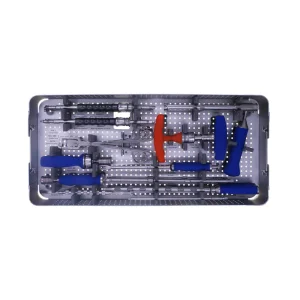
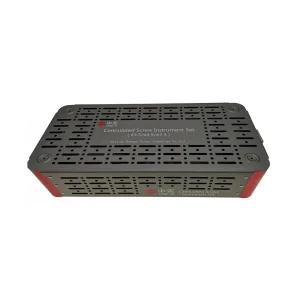
Implants achieve surgical success only when accompanied by ergonomic, high-durability surgical instrumentation. Our factories furnish complete, autoclavable instrument kits featuring precision-balanced femoral broaches, quick-connect acetabular reamers, trial heads, and trial liners housed in customized PPSU sterilization trays.
Clinical CAD/CAM Customization
For severe anatomical abnormalities, oncological resections, or catastrophic pelvic discontinuities, our in-house engineering team works directly with distributor surgeons. Utilizing CT DICOM data, we generate 3D reconstructions and manufacture customized, patient-specific 3D-printed titanium implants in under 14 days.
Transparent Arthroplasty Cost Drivers: OEM, ODM & Bulk Purchasing
Understanding direct factory cost formulas enables procurement teams to model competitive bids for public tenders and private healthcare distributor contracts.
| System Component | Material Specification | Standard Manufacturing Cost Range (FOB) | Volume Pricing Driver (> 500 sets) | OEM Customization Capability |
|---|---|---|---|---|
| Cementless Femoral Stem | Ti-6Al-4V ELI (ASTM F136) + Hydroxyapatite / Plasma Ti | $45.00 – $85.00 | Direct drop forging tooling amortization | Laser marking, custom broach geometry, custom neck angle |
| Cemented Polished Stem | High-Nitrogen Stainless Steel / Co-Cr-Mo | $28.00 – $52.00 | Batch vibratory mirror polishing (Ra < 0.05 µm) | Distal centralizer modularity, customized collared stems |
| Porous Acetabular Shell | Ti-6Al-4V ELI with 3D Trabecular Lattice or VPS coating | $35.00 – $75.00 | Additive manufacturing batch chamber utilization | Cluster-hole configurations, multi-hole revision designs |
| Acetabular Liner (Neutral / 10° Hooded) | Highly Cross-Linked Ultra-High Molecular Weight Polyethylene (HXLPE) | $18.00 – $38.00 | Electron-beam cross-linking batch volume | Vitamin E blending, elevated rim anti-dislocation profiles |
| Ceramic Femoral Head | BIOLOX® delta Nanocomposite Ceramic (Al2O3 / ZrO2) | $95.00 – $145.00 | Precision diamond micro-grinding and taper matching | Available in 28mm, 32mm, 36mm, 40mm diameters (-3.5 to +7 offsets) |
| CoCrMo Femoral Head | Cast / Forged Co-Cr-Mo (ASTM F75 / ISO 5832-4) | $12.00 – $22.00 | Automated CNC spherical turning | 12/14 Euro-taper, short/medium/long/extra-long skirts |
| Surgical Instrument Set (Standard Tray) | Medical-grade 17-4PH / SUS420 Stainless Steel + PPSU Box | $1,200.00 – $2,400.00 | Complimentary sets provided against annual volume commitments | Customized tray graphics, ergonomic handle branding |
Frequently Asked Questions for Hospital Buyers & Distributors
Direct technical answers addressing engineering, international shipping, regulatory clearance, and production lead times.
What quality certifications accompany each shipment of hip joint implants?
Every shipment is accompanied by a Certificate of Analysis (CoA) referencing the specific manufacturing batch, an ISO 13485:2016 inspection sheet, raw material mill certificates indicating heat number and chemical composition, sterilization validation documentation (ISO 11137 Gamma Irradiation or ISO 11135 Ethylene Oxide), and a notarized Free Sale Certificate (FSC) upon request.
How does your factory prevent fretting and trunnionosis on modular femoral necks?
We deploy rigorous CNC tool-wear monitoring systems to maintain the 12/14 Euro-taper angular tolerance within ±0.008 degrees. Micro-machined circumferential ridges on the male trunnion are precisely engineered to deform slightly upon impaction, achieving uniform contact pressure, minimizing micro-gap fluid ingress, and stopping corrosion.
What are the standard Minimum Order Quantities (MOQ) and production lead times?
For standard branded catalog items held in inventory, there is no MOQ restriction; orders can be dispatched via express international couriers (DHL, FedEx, UPS) within 4 to 6 business days. For OEM customized packaging, private-label laser etching, or customized rasp profiles, our standard MOQ is 50 sets per size, with a typical production cycle of 30 to 45 calendar days.
Can you manufacture customized femoral stems and revision shells based on patient CT scans?
Yes. Our in-house additive manufacturing division utilizes high-precision Electron Beam Melting (EBM) and Selective Laser Melting (SLM) platforms. After our clinical engineers receive CT scan DICOM data, we design the implant within 48 hours, validate FEA biomechanical loading profiles, and fabricate patient-matched 3D titanium implants and cutting guides within 7 to 10 working days.
How do you assist distributors during regional regulatory submissions?
We provide comprehensive registration dossiers aligned with ASEAN CSDT, European CE MDR, and Latin American national templates. This includes biocompatibility evaluation according to ISO 10993, cleaning and sterilization validation data, clinical evaluation summaries, and risk management documentation per ISO 14971.
Complementary Surgical Systems & Fixation Implants
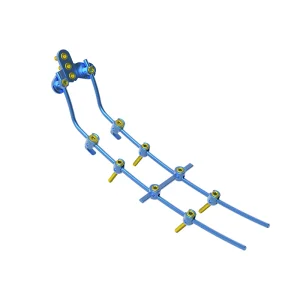
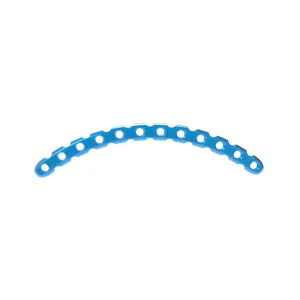
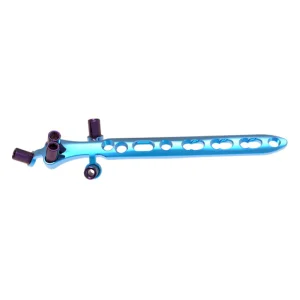
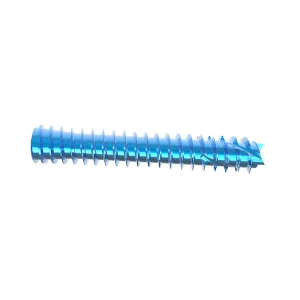
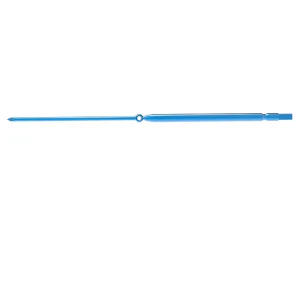
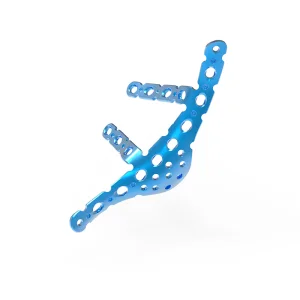
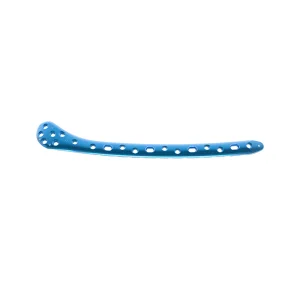
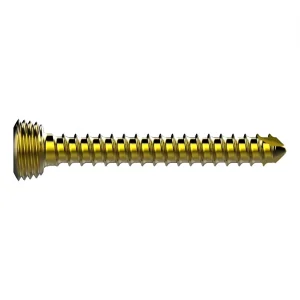
Review our extended traumatology, screw fixation, and specialized acetabular reconstruction portfolios, designed to interface seamlessly with modern surgical techniques.
Initiate an Arthroplasty Factory Audit or Request Quotes
Partner directly with Beijing ZhongAnTaiHua Technology Co., Ltd. (ZATH) for competitive OEM/ODM manufacturing, ISO 13485-certified sterile implant supplies, and customized surgical instrumentation sets tailored to regional hospital bids.