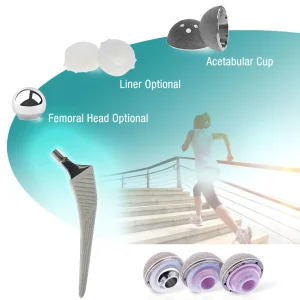
Orthopedic Implants & Instrument Assemblies
Explore our foundational range of clinically tested implants, specialized plate assemblies, and complete surgical instrument sets manufactured under rigorous ISO 13485 cleanroom protocols.
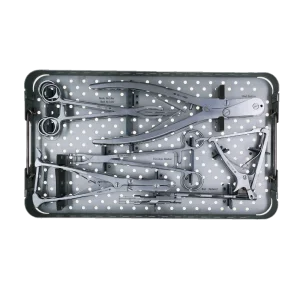
Custom CE approved Orthopedic Ladder OCT Instrument Set for sale Suppliers, Company
View Product Specs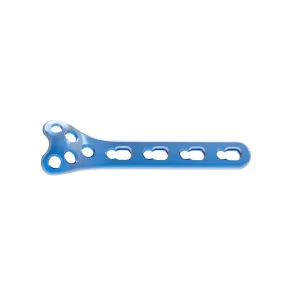
Best Radial Head Locking Compression Plate Manufacturer, Company
View Product Specs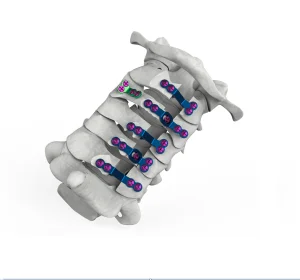
ODM Posterior Cervical Plate Fixation Dome Laminoplasty Plate Bone Implant Pricelist, Service
View Product Specs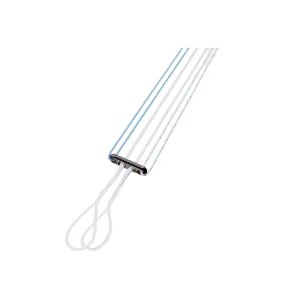
OEM SuperFix Titanium Endo Button With Loop Surgical Operations Company, Companies
View Product Specs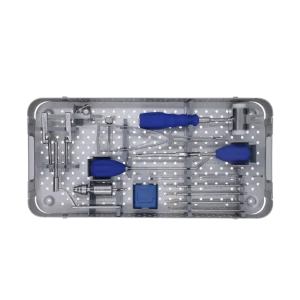
ODM High Quality ZP Cage Instrument Set Manufacturer, Manufacturers
View Product Specs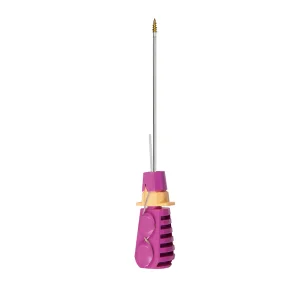
ODM Sports Medicine Titanium Orthopedic Suture Anchor Implant Suppliers, Service
View Product Specs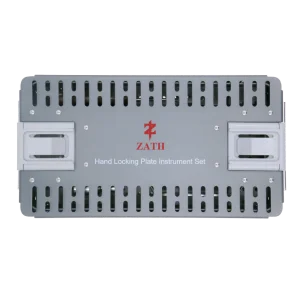
Cheap Hand Locking Plate Instrument Set (Lite) Pricelist, Exporters
View Product Specs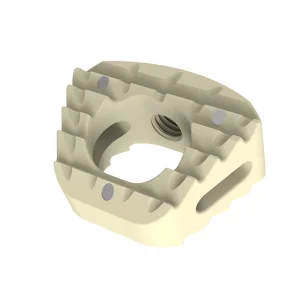
Discount ZATH Brand Cervical Interbody Cage PEEK Cage Factory CE ISO Pricelist, Quotes
View Product SpecsGlobal Commercial & Industrial Status of Orthopedic Screws
A rigorous examination of clinical demand vectors, regulatory tightening under EU-MDR/US-FDA, and how smart precision manufacturing bridges the gap between mechanical stability and biological osteointegration.
Surging Demand from Demographic Aging
The global orthopedic fixation device market surpasses $12 billion annually, driven by an expanding elderly population susceptible to osteoporotic fractures and a rise in high-energy traffic trauma. Orthopedic screws serve as the primary mechanical anchor across traumatology, spine fusion, and joint reconstruction. As life expectancies increase, secondary revision rates demand screws with superior pullout strength and biological surface treatments that prevent implant loosening in compromised bone mineral densities.
MDR Regulatory Realignment & Compliance
Regulatory mandates across Europe (Regulation EU 2017/745 MDR) and the United States (FDA 510(k) clearances) have fundamentally shifted manufacturing barriers. Transitioning from Class IIa to stringent Post-Market Clinical Follow-up (PMCF) requirements has consolidated the supply base. Only orthopedic manufacturers maintaining end-to-end metallurgical traceability, audited cleanroom manufacturing facilities, and comprehensive ISO 13485:2016 quality systems can guarantee uninhibited international trade access.
Cost Rationalization in Value-Based Care
National healthcare procurement systems (such as Volume-Based Procurement in Asia and DRG reimbursement structures across Europe and North America) demand aggressive cost rationalization without sacrificing biomechanical precision. High-performance OEM/ODM manufacturers like ZATH, operating centralized production bases with high-speed multi-axis Swiss-lathe processing, provide hospital systems and international brand distributors with sustainable margins and clinically equivalent efficacy.
Orthopedic Screw Architectures & Thread Geometries
A comprehensive engineering breakdown of screw categories utilized in modern traumatology, reconstructive surgery, and spinal fixation.
| Classification | Typical Diameters (mm) | Core/Outer Ratio | Thread Pitch & Flute Profile | Primary Clinical Indications | Material Specifications |
|---|---|---|---|---|---|
| Cortical Screws | Ø1.5, Ø2.0, Ø2.7, Ø3.5, Ø4.5 | 0.72 – 0.78 | Fine pitch (1.0–1.75mm), shallow thread, self-tapping | Diaphyseal cortical bone fixation, dynamic compression plating | Ti-6Al-4V ELI (ASTM F136) / 316L (ASTM F138) |
| Cancellous Screws | Ø4.0, Ø6.5, Ø7.3 | 0.50 – 0.58 | Coarse pitch (2.5–3.0mm), deep thread with wider landing | Metaphyseal/epiphyseal fixation, interfragmentary compression | Titanium Grade 5 / High-Strength SS |
| Locking Screws | Ø2.4, Ø2.7, Ø3.5, Ø5.0 | 0.80 – 0.85 | Threaded tapered head (Torx/StarDrive), constant core shaft | Internal fixator constructs (LCP), osteoporotic bone bridging | Ti-6Al-4V ELI / Anodized Titanium Alloys |
| Cannulated Screws | Ø2.5, Ø3.0, Ø4.0, Ø6.5, Ø7.3 | Hollow bore (0.9–2.8mm) | Reverse cutting flutes, self-drilling, guide-wire directed | Femoral neck fractures, scaphoid, percutaneous joint arthrodesis | Ti-6Al-4V ELI (Vacuum Arc Remelted) |
| Headless Compression | Ø2.0, Ø2.5, Ø3.0, Ø4.5 | Variable Pitch (Dual Lead) | Differential pitch (leading faster than trailing thread) | Articular surface fractures, intra-articular osteochondral fixation | Titanium Alloy with Type II Anodization |
| Pedicle Screws | Ø4.5, Ø5.5, Ø6.5, Ø7.5 | Conical / Dual Core | Buttress or V-thread, polyaxial articulation cup | Thoracolumbar spine posterior stabilization, deformity correction | Biocompatible Medical Titanium / PEEK Hybrids |
Emerging Trends & Technological Evolution
The orthopedic manufacturing landscape is undergoing a paradigm shift from passive metallic hardware to bio-interactive, patient-customized, and robotic-compatible implantable systems.
Bioabsorbable Magnesium & Polymers
Bio-corrodible high-purity magnesium alloys (Mg-Zn-Ca) and advanced PLDLA copolymers eliminate secondary implant removal surgeries. These alloys degrade gradually in vivo, metabolizing safely while transferring load gradually to healing trabecular bone without inducing osteolytic foreign body reactions.
Additive EBM / 3D Printed Micro-Lattices
Electron Beam Melting (EBM) and Selective Laser Melting (SLM) enable 3D printed cannulated screws featuring trabecular-mimetic interconnected porous lattice internal cores (65–80% porosity, 300–500 μm pore size), accelerating autologous bone ingrowth and eliminating stress-shielding artifacts.
Antimicrobial Surface Functionalization
Innovations in silver ion-doped hydroxyapatite (Ag-HA), nano-structured titania nanotube arrays, and antibiotic-eluting surface polymers drastically reduce implant-associated biofilm formation (e.g., Staphylococcus aureus), dramatically curtailing surgical site infections in complex open trauma.
Robotic & Dynamic Navigation Integration
Modern screw heads feature standardized high-torque StarDrive / Torx interfaces optimized for computer-assisted robotic end-effectors. Optical navigation tracking arrays require tighter manufacturing concentricity tolerances (<0.01mm) to prevent trajectory deviation during robotic spinal pedicle instrumentation.
Localized Applications Across Surgical Specialties
From complex polytrauma limb salvage to ultra-minimally invasive posterior cervical stabilization, orthopedic screw architectures adapt to distinct biological and mechanical loading profiles.
Diaphyseal & Metaphyseal Trauma
In long bone fractures (femur, tibia, humerus), locking screws interact with Anatomical Locking Compression Plates (LCP) as a rigid internal fixator construct. The threaded screw head locks into the plate's combi-hole, decoupling fixation stability from periosteal compression. This preserves periosteal microcirculation, accelerating secondary bone healing through callus formation.
Complex Spinal Deformity & MIS Fusion
Polyaxial and cannulated pedicle screws are anchored along the spinal column pedicle axes. In minimally invasive surgery (MIS), percutaneous screw towers allow rod passage through microscopic soft-tissue corridors. Dual-lead threads ensure rapid insertion speed while conical core diameters compress cancellous bone within the vertebral body for maximum resistance against cyclical toggle loads.
Sports Medicine & Extremity Arthrodesis
Cannulated headless compression screws (Herbert design) are critical in small bone osteochondral fractures (scaphoid waist fractures, osteochondritis dissecans). The entirely countersunk head sits flush beneath articular cartilage, avoiding joint impingement, while differential pitch generates interfragmentary compression across the fracture gap to achieve primary union.
Macro Industry Turnkey & OEM/ODM Solutions
Operating from our modern medical manufacturing facility in Zhongguancun Science Park, Pinggu, Beijing, ZATH provides international medical brand owners and national distributors with end-to-end device solutions.
Full-Chain CNC Manufacturing Prowess
Equipped with high-precision citizen-type Swiss sliding head CNC lathes, 5-axis simultaneous milling centers, and ultra-precise wire-EDM cutting units, our manufacturing workshop executes complex thread flutes, reverse cutting notches, and internal StarDrive / Hexalobe drive geometries with sub-micron repeatability and minimal material heat-affected zones.
Cleanroom Sterilization & Packaging
Every single orthopedic screw series can be delivered sterile-packed in medical-grade Tyvek blister barriers, validated in Class 100,000 cleanrooms under ISO 11137 (Gamma/EO). Sterile packaging eliminates hospital pre-sterilization costs, shortens operative turnover intervals, and ensures zero compromised batch contamination risks.
Technical Dossiers & Regulatory Registration
We supply international distributors with ready-to-file Technical Files (CE Technical Documentation, FDA 510(k) summary templates, biocompatibility testing per ISO 10993, mechanical testing reports per ASTM F543 for bone screws, and stability aging data) accelerating partner entry into regional tenders.
Frequently Asked Questions on Orthopedic Screws
Authoritative technical answers addressing surgical mechanics, manufacturing quality standards, materials biocompatibility, and distributor qualification protocols.
What is the engineering difference between cortical, cancellous, and locking bone screws?
Why is Ti-6Al-4V ELI (Grade 5) preferred over 316L Stainless Steel for permanent screws?
How does ASTM F543 standard govern orthopedic bone screw testing and validation?
1. Torsional Properties: Measuring the maximum torsional strength and breaking angle of the screw shank.
2. Insertion & Removal Torque: Determining the peak torque required to drive the screw into standardized rigid polyurethane foam test blocks.
3. Axial Pullout Strength: Evaluating the axial tensile force required to dislodge the screw from standardized substrate.
4. Self-Tapping Performance: Measuring the driving force and penetration dynamics of self-tapping flutes. All ZATH orthopedic screw platforms undergo full-batch ASTM F543 testing to ensure zero intraoperative head-shearing or shank fractures.
What is the clinical advantage of a Cannulated Headless Compression Screw (Herbert Screw)?
How does ZATH ensure quality consistency across millions of manufactured screws?
Can ZATH support custom OEM thread geometry and bespoke packaging configurations?
Specialized Fixation Implants & Reconstruction Solutions
Complementing our precision screw portfolios: anatomical fracture plates, intramedullary pins, and total joint arthroplasty prostheses for comprehensive surgical interventions.
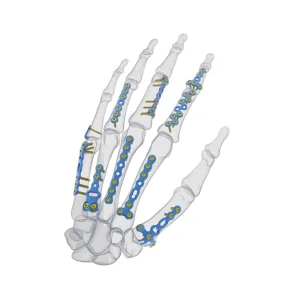
Best Hand Fracture Locking Plate System Exporter, Companies
View Product Specs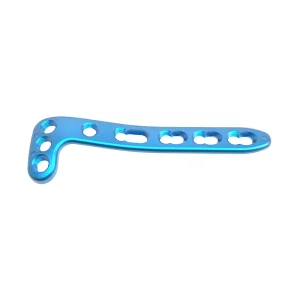
Best Proximal Medial Tibia Locking Compression Plate I Pricelist, Product
View Product Specs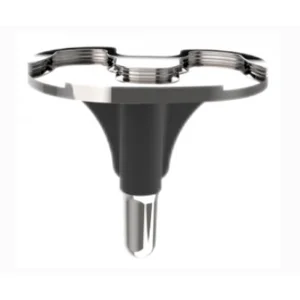
Buy Enable Tibial Baseplate for Knee Replacement Joint Implants Quotes, Product
View Product Specs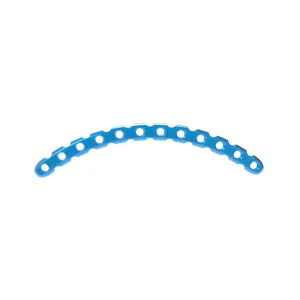
Custom Curved Reconstruction Locking Plate Factories, Service
View Product Specs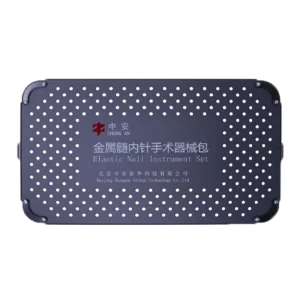
CE Certification Elastic Nail Instrument Set (ZEIN) Supplier, Factories
View Product Specs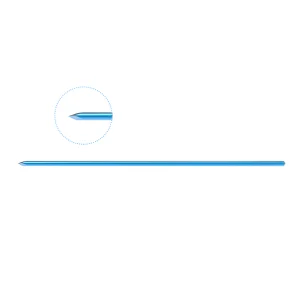
Best Titanium Alloy Orthopedic Bone Pin Factories, Company
View Product Specs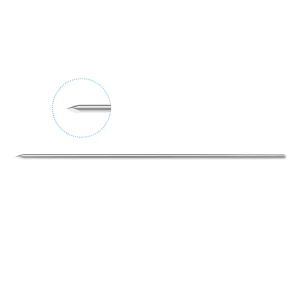
Wholesale High Quality CE Approved Stainless Steel Orthopedic Bone Pin Factory, Quotes
View Product Specs