
China Top 10 Distal Radius Plate Suppliers?

Time:2026-10-16 Author:Liam
0%

China’s orthopedic manufacturing sector has become an important source of trauma implants, including the Distal Radius Plate. This growth reflects stronger machining capacity, domestic procurement, and expanding hospital demand.

Industry reports support this direction, although their market boundaries differ. Grand View Research’s Orthopedic Implants Market report tracks sustained global expansion through trauma and fixation products. Fortune Business Insights also forecasts continued growth in the orthopedic devices market, supported by aging populations and fracture treatment needs. China Association for Medical Devices Industry publications add useful domestic context, especially regarding local production and regulatory development. These reports do not provide one universally accepted ranking of Chinese suppliers. That matters.

This article examines China’s top 10 Distal Radius Plate suppliers through practical procurement criteria. These criteria include NMPA registration, ISO 13485 quality systems, implant-grade titanium or stainless steel, locking-hole accuracy, plate contour, and documented clinical cooperation. Manufacturing experience also deserves attention. A plate should fit the surgeon’s workflow, not merely look precise in a catalog. Supplier audits can reveal machining consistency, laser marking quality, packaging controls, and response times for customized orders. Hospital feedback is valuable, but it may be limited or uneven. Therefore, the list should be viewed as a research starting point rather than a final endorsement. Buyers must verify current certificates, technical files, sterilization status, and applicable export requirements independently. Small details matter. A poorly matched screw angle can affect an otherwise excellent fixation system.
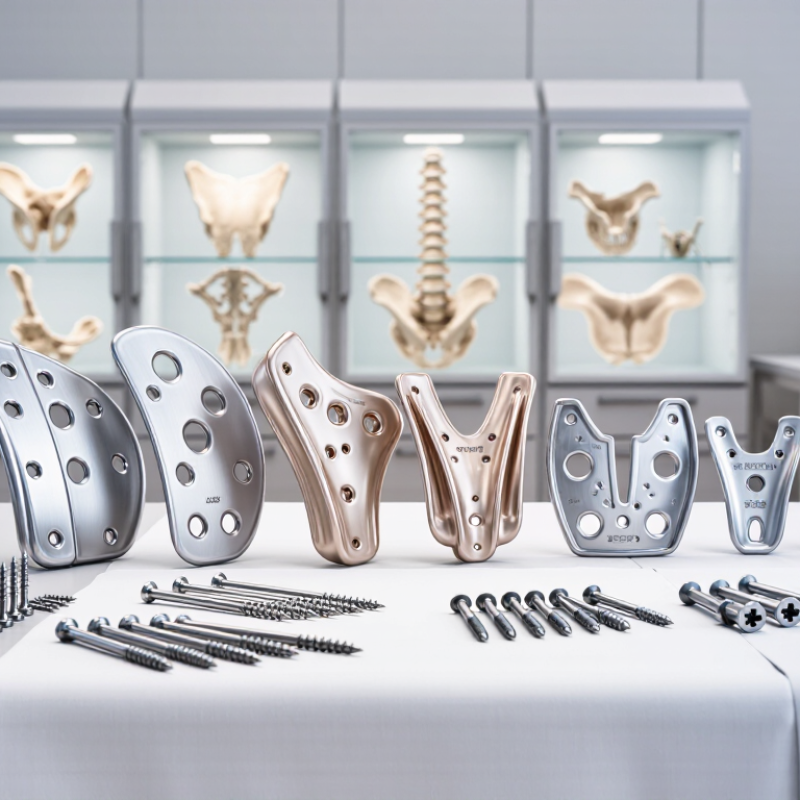
China Top 10 Distal Radius Plate Suppliers?

Definition and Role of Distal Radius Plates

A distal radius plate is a pre-shaped metal implant used to stabilize a broken wrist near the radius. Surgeons place it beneath or beside the fracture, then secure it with screws. Its main role is maintaining alignment while bone healing begins. It can also support earlier controlled wrist movement.

Distal radius fractures represent about 17.5% of all fractures, according to a widely cited epidemiological review in Injury. The AAOS/ASSH Clinical Practice Guideline, published in 2020, reports that surgical fixation can improve radiographic alignment.

However, older patients may not gain better long-term function from surgery alone. This matters when evaluating suppliers. Plate design, screw locking reliability, anatomical fit, sterilization controls, and clinical evidence deserve equal attention.

A plate is not a cure. Poor reduction or weak rehabilitation can still produce stiffness, pain, or reduced grip strength.

Tips: Check whether the plate system offers multiple sizes and left-right options. Review fatigue testing, biocompatibility records, and traceability documents. Ask for evidence from peer-reviewed studies, not only laboratory claims. Surgeons should also confirm that instruments feel stable during insertion. Small handling problems can become large operating-room delays. Evidence may be incomplete, and that deserves honest discussion.

Key Criteria for Evaluating Chinese Plate Suppliers

China Top 10 Distal Radius Plate Suppliers?

Key Criteria for Evaluating Chinese Plate Suppliers

Choosing a distal radius plate supplier requires more than comparing catalog prices. Examine plate geometry, screw compatibility, material certificates, and production consistency. Ask for drawings, inspection records, and batch traceability. These details reveal how the supplier manages real manufacturing risks.

Look for a documented quality system, such as ISO 13485 certification, supported by recent audit evidence. Confirm whether testing covers fatigue strength, dimensional accuracy, corrosion resistance, and packaging integrity. Review the supplier’s experience with orthopedic implants, not only general metal processing. Request samples from different production batches. One perfect sample proves little.

Technical communication matters. Engineers should explain tolerances, surface finishing, and design changes clearly. Surgeons or clinical consultants may provide useful feedback, but verify how that feedback enters the design process. Check complaint handling, corrective actions, and delivery records. A polished audit folder can still hide weak shop-floor discipline. No checklist is perfect.

Before selecting a supplier, inspect manufacturing areas when possible. Observe cleanliness, measurement equipment, operator training, and identification controls. Confirm raw materials can be traced from receipt to shipment. Discuss regulatory documentation for your target market, including technical files and post-market responsibilities. Avoid accepting vague promises about customization or lead times. Written evidence matters more than confident presentations. Even experienced buyers can overlook small process gaps, especially when communication is rushed or translated poorly.

China’s Top 10 Distal Radius Plate Suppliers

China’s Top 10 Distal Radius Plate Suppliers

China’s top 10 distal radius plate suppliers are often evaluated through quality, engineering depth, and delivery reliability. A serious supplier should provide clear material certificates and complete production records. Common materials include stainless steel and titanium alloy. Each option offers different strength, weight, and imaging performance.

Experienced buyers inspect plate geometry closely. The volar surface should match wrist anatomy without creating unnecessary tendon irritation. Screw-hole design also matters during fracture fixation. Suppliers with CNC machining, laser marking, and controlled polishing usually offer better consistency. ISO 13485 certification is useful, but it should not replace an on-site audit. That point is sometimes overlooked.

Ask for sample plates, dimensional reports, fatigue data, and packaging details. Review sterilization compatibility when the product is supplied for clinical use. Traceability should connect raw material batches with finished devices. Response speed matters too. Delayed technical answers can signal weak support after purchase. Still, no supplier is perfect. Small tolerances may appear between production batches, and communication can fail across languages. Independent inspection reduces this risk. Surgeon feedback should influence the final choice, not only a low quotation. A reliable Chinese supplier combines practical manufacturing experience with transparent documentation and steady quality control. Rankings can change each year.

Product Quality, Certifications, and Manufacturing Capabilities

China’s top 10 distal radius plate suppliers should be compared through evidence, not catalog size. Product quality begins with traceability, material control, and clinical design verification. Ask for ISO 13485 certification, current audit status, and batch records for titanium or stainless steel plates. Certification alone is not proof of performance. The WHO reports that around 1 in 10 patients experience harm during healthcare, with at least half considered preventable. Implant suppliers must therefore show risk controls, inspection data, and corrective-action records.

Manufacturing capability deserves equal attention. A reliable factory should control CNC machining, laser marking, surface finishing, cleaning, packaging, and sterilization validation. Request sample measurement reports, fatigue-test results, and packaging integrity data. ASTM F382 and ISO 9585 provide useful references for bone-plate strength testing. Supplier evaluation should also include production capacity, tooling ownership, lead times, and change-control procedures. One weakness is often overlooked: some factories present excellent prototypes but provide limited evidence from routine production.

Tips: Visit the facility when possible. Check whether operators scan each batch. Compare certificates with the actual factory address. Ask for recent nonconformance examples and their closure records. A supplier that admits a process weakness may be more credible than one claiming perfect performance. The FDA’s 2023 medical-device reporting data also shows why post-market monitoring matters; documented complaint handling and vigilance procedures should be part of every purchasing review.

China Top 10 Distal Radius Plate Suppliers — Product Quality, Certifications, and Manufacturing Capabilities

This chart presents objective material-performance benchmarks commonly used when evaluating distal radius plate suppliers. It does not rank or disclose supplier-specific company data.

ASTM F138/F138M specifies wrought 316L stainless steel requirements, while ASTM F136/F136M specifies titanium-6Al-4V ELI requirements for surgical implants. During supplier qualification, these material benchmarks should be reviewed together with ISO 13485 quality management certification, ISO 14971 risk management, ISO 10993 biological evaluation, dimensional inspection, surface finishing, traceability, and sterilization validation.

Source: ASTM F136/F136M and ASTM F138/F138M material requirements. Always confirm the applicable edition and product-specific regulatory requirements.

How to Select the Right Supplier for Your Needs

The phrase “China Top 10 Distal Radius Plate Suppliers” should begin with careful verification, not popularity. A strong supplier must show relevant manufacturing experience and stable quality records. Ask for product specifications, material certificates, and inspection procedures. Stainless steel and titanium plates need consistent composition, surface quality, and dimensional accuracy. Small holes or rough edges can create serious clinical concerns.

Review the supplier’s quality system and production controls. Request evidence of regulatory compliance for your target market. Confirm whether design changes, batch testing, and complaint handling are documented. Traceability should connect each plate to raw materials, operators, equipment, and inspection results. An on-site audit can reveal details that brochures often hide. Check clean workspaces, calibrated instruments, and controlled packaging. Samples matter, but one good sample proves little.

Compare lead times, minimum order quantities, tooling costs, and communication speed. Ask how the supplier manages urgent changes or failed inspections. Clear answers usually indicate stronger internal control. However, price should not dominate the decision. A cheaper plate may require more incoming inspection and create delivery risks. Use a scorecard, but keep room for judgment. No scorecard is perfect. I would also test a small initial order before committing to long-term volume. Suppliers sometimes perform differently after the first purchase. That uncomfortable possibility deserves attention.

FAQS

What is a distal radius plate used for?

It stabilizes a broken wrist near the radius. Surgeons secure it with screws around the fracture. Its purpose is maintaining alignment during early bone healing. It is not a cure.

Can a plate support earlier wrist movement?

It can support controlled movement after fixation. Timing depends on healing, fracture stability, and medical guidance. Poor reduction or weak rehabilitation may still cause stiffness. Movement should not be rushed.

Which materials are commonly used?

Stainless steel and titanium alloy are common choices. Stainless steel may offer strong mechanical support. Titanium can reduce weight and improve imaging visibility. Material selection still requires documented testing.

What should buyers check about plate design?

Check anatomical fit, plate thickness, and screw-hole placement. The volar surface should avoid unnecessary tendon irritation. Ask for left and right options. Small design errors can matter.

Which documents should a supplier provide?

Request material certificates, dimensional reports, fatigue data, and production records. Traceability should connect raw materials with finished plates. Review biocompatibility and packaging information. Paperwork can be incomplete, so verify it carefully.

Is certification alone enough when selecting a supplier?

No. Certification supports confidence but does not replace an audit. Inspect calibrated instruments, clean work areas, and controlled packaging. A certificate cannot reveal every daily production problem.

Should buyers request samples before placing larger orders?

Yes, request sample plates and inspect their edges, holes, markings, and surface finish. One acceptable sample proves little. Small initial orders can reveal batch consistency and communication quality. Suppliers may perform differently later.

How should suppliers be compared fairly?

Compare quality controls, lead times, minimum orders, tooling costs, and technical response speed. Do not let the lowest quotation decide everything. A cheaper plate may create inspection or delivery problems. Use a scorecard, but keep human judgment.

Conclusion

This article presents a practical overview of the China Top 10 Distal Radius Plate Suppliers, beginning with the function and clinical role of a Distal Radius Plate in stabilizing wrist fractures and supporting bone healing. It explains how these plates are designed for anatomical fit, fracture fixation, and compatibility with surgical techniques. The discussion also introduces key criteria for evaluating suppliers, including material quality, design consistency, production capacity, quality control, technical support, customization services, delivery reliability, and after-sales communication.

The article further compares the general strengths of leading Chinese suppliers without focusing on specific brand names. It highlights the importance of reviewing product documentation, manufacturing standards, certifications, testing procedures, and traceability systems before making a purchasing decision. Finally, it offers guidance on selecting the most suitable supplier according to clinical requirements, target markets, order volume, budget, regulatory expectations, and long-term cooperation goals. This approach helps buyers make informed decisions while balancing product safety, performance, reliability, and overall supply-chain value.

Liam

Liam

Liam is a dedicated marketing professional with a profound expertise in the industry, where he excels at highlighting the unique advantages of our core products. With a keen understanding of market trends and consumer needs, Liam frequently updates our company’s professional blog, providing......