
How to Choose the Right Locking Compression Plate?

Time:2026-10-16 Author:Oliver
0%

Choosing the right Locking Compression Plate begins with the fracture, not the product catalogue. Bone quality, fracture pattern, soft-tissue condition, and expected loading should guide the decision. A plate that looks ideal on a screen may be unsuitable in a narrow metaphyseal segment or fragile osteoporotic bone. Measure carefully. Then question the plan.

Orthopedic trauma specialist William M. Ricci, MD, offers a useful principle: “The implant must serve the fracture, not the other way around.” That sentence captures the central challenge. Locking screws can provide angular stability, especially when conventional screw purchase is limited. However, they do not automatically correct poor reduction, excessive stiffness, or inadequate biological respect. Plate length, screw distribution, contour, working length, and compression strategy all matter. Small details matter.

This guide examines how surgeons can compare Locking Compression Plate options with greater discipline. It considers anatomy, fixation goals, material, hole design, instrumentation, and intraoperative practicality. Clinical experience remains essential, but experience alone can mislead. Familiarity with one system may create hidden bias. A longer plate is not always safer. More screws are not always better. The strongest construct may still fail if reduction is unstable or soft tissues are compromised.

The right choice is rarely the most expensive or technically complicated option. It is the construct that matches the patient’s biology and the fracture’s mechanical demands. That decision deserves evidence, planning, and honest reflection. Sometimes, the uncomfortable answer is that another fixation method may serve the patient better.
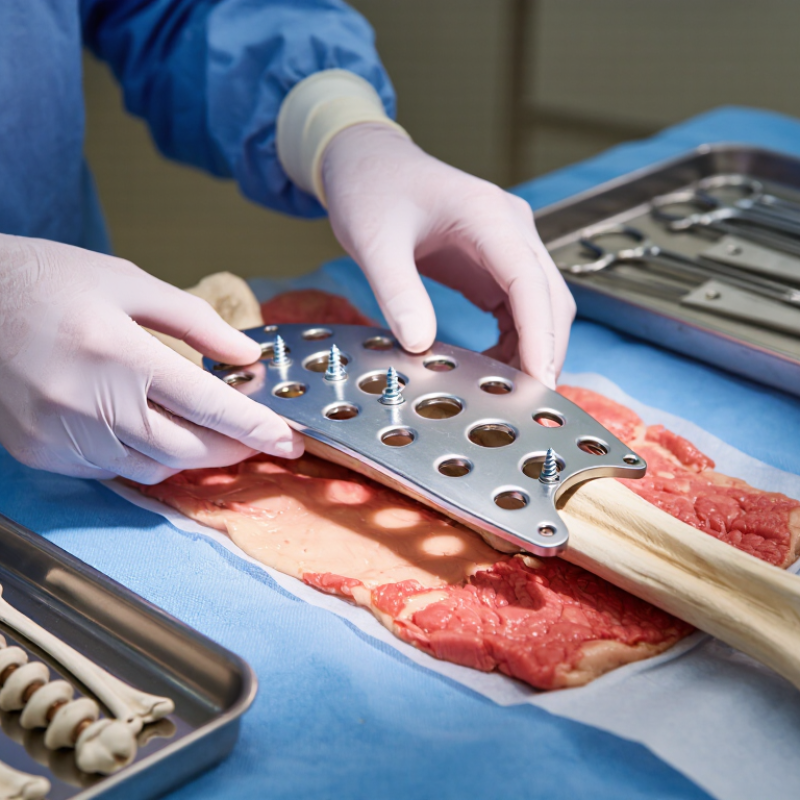
How to Choose the Right Locking Compression Plate?

Understanding the Purpose and Design of Locking Compression Plates

How to Choose the Right Locking Compression Plate?

Understanding the Purpose and Design of Locking Compression Plates

A locking compression plate combines two useful functions: fracture compression and fixed-angle support. Conventional screws press the plate against bone. Locking screws thread into the plate holes, creating a stable connection between screw and plate. This design can support weak, osteoporotic, or fragmented bone. It may also reduce the need to expose the entire fracture area.

The plate’s shape, hole pattern, thickness, and working length affect its performance. Compression holes help bring fracture surfaces together when direct healing is intended. Locking holes support bridge plating when preserving the fracture zone matters more. A longer working length can improve flexibility and reduce stress concentration. However, excessive stiffness may limit useful movement and delay healing. The right choice depends on fracture pattern, bone quality, soft-tissue condition, and the patient’s activity demands. A plate can look secure on the table yet fail later. That detail deserves honest review.

Tips: Match the plate to the bone, not only the X-ray. Check contour, screw direction, plate length, and available fixation points. Confirm fit with imaging before final tightening. Use trained surgical judgment and current clinical evidence. Small gaps matter. So does biology. Even careful planning cannot remove every uncertainty, and implant selection may need adjustment during surgery.

Assessing Fracture Pattern, Bone Quality, and Anatomical Requirements

Choosing a locking compression plate begins with the fracture pattern, not the implant tray. Review radiographs and CT images when joint involvement is suspected. Identify fracture lines, gaps, comminution, and the length of the viable bone segments. A bridge construct may protect fragile fragments, while a lag technique may suit a simple, well-reduced fracture. The wrong strategy can concentrate stress at one screw hole.

Bone quality changes the plan. Osteoporotic bone may offer weak purchase, especially near the metaphysis. Locking screws can improve fixation stability, but they do not replace accurate reduction or suitable plate length. Check cortical thickness, bone loss, and the patient’s healing risks. A plate that feels secure during surgery may still fail if the construct is too short or overly stiff.

Tips: Match the plate to the anatomy, not the other way around. Confirm contour, screw direction, and soft-tissue clearance before final fixation. Preserve blood supply around the fracture zone. Avoid filling every hole when flexibility is needed. Small details matter.

Anatomical requirements deserve careful attention. The plate should support the involved segment without irritating tendons, nerves, or nearby joints. Patient position, swelling, and incision access can alter the practical choice. No design solves every problem. Reassess the plan when reduction is difficult, because the first choice may not remain the safest choice.

Selecting the Appropriate Plate Shape, Size, and Screw Configuration

When choosing a locking compression plate, start with the fracture map, not the instrument tray. Review current radiographs and, when needed, CT images. Plate shape should follow the bone’s surface with minimal contouring. A distal femur plate differs from a proximal humerus plate because anatomy, loading, and soft-tissue coverage differ. Select a length that spans the injured zone and supports a balanced fixation plan. Too short may concentrate stress. Too long may irritate soft tissue. Measure carefully.

Screw configuration should match the fracture pattern and bone quality. Locking screws provide angular stability, while conventional screws can create compression when appropriate. In a simple transverse fracture, controlled compression may be useful. In a comminuted fracture, preserving biology and alignment may matter more than squeezing every fragment. Avoid filling every hole automatically. Distribute screws to support the main fragments, maintain working length, and reduce excessive construct stiffness. Confirm screw length with imaging and direct measurement.

A common planning error is choosing a plate because it looks strong. Strength alone is not the goal. The surgeon should assess reduction, plate fit, screw trajectories, and nearby joints before drilling. Small details matter, such as avoiding joint penetration and protecting thin soft-tissue areas. This is where judgment matters. A plan can still need revision after exposure reveals unexpected anatomy. Preoperative templating helps, but it cannot replace careful intraoperative assessment and consultation with the trauma team.

Planning Plate Positioning, Fixation Technique, and Surgical Compatibility

How to Choose the Right Locking Compression Plate?

Plate positioning should begin with the fracture map, not the implant tray. Review radiographs and CT images to identify the main fragments, joint surface, soft-tissue envelope, and safe screw corridors. A 2022 systematic review in Injury reported wound complications near 10% in some distal tibia plating series. That figure makes plate height and incision length clinically important. Keep the plate away from thin skin and prominent tendons when possible. Small details matter.

Fixation technique should match bone quality and healing goals. In osteoporotic bone, multiple fixed-angle screws can improve angular stability, but they cannot replace reduction. The AO Foundation recommends combining compression and bridging principles according to fracture morphology. Avoid filling every hole. A balanced construct may preserve biology better than an excessively rigid one. I still see surgeons over-trust screw count. It is an understandable mistake.

Surgical compatibility also deserves early checking. Confirm plate contour, hole function, screw diameter, drill guides, instruments, and radiolucent imaging access before incision. The 2023 National Osteoporosis Foundation report estimates that about 10 million Americans have osteoporosis, so poor bone quality is not an unusual exception. Plan for it. A 2021 review in the Journal of Orthopaedic Trauma found that locking plates offer useful stability in fragile bone, while complication rates still depend heavily on reduction, soft-tissue handling, and surgeon experience. The plate is only one part of the operation. Perform a final compatibility check.

Evaluating Implant Materials, Clinical Risks, and Recovery Considerations

How to Choose the Right Locking Compression Plate?

Material selection should match the fracture, bone quality, and soft-tissue condition. Stainless steel offers high stiffness and familiar handling. Titanium is lighter and usually closer to bone’s elasticity. However, “better” is not universal. A 2023 review in Injury found infection rates after distal tibia fixation varied widely, often between 3% and 15%. Severe swelling, open wounds, and prolonged surgery increased concern. The International Consensus Meeting on Musculoskeletal Infection also reports fracture-fixation infection rates ranging from 1% to 30%, depending on injury severity and contamination. These figures are broad, but clinically useful.

Locking screws can stabilize weak bone without compressing the periosteal blood supply. Still, excessive construct stiffness may reduce callus formation. Surgeons should assess plate length, screw distribution, fracture alignment, and soft-tissue coverage together. Imaging alone is not enough. Patient factors matter. A meta-analysis published in 2021 found smoking increased nonunion risk approximately 2.5 times after fracture treatment. Recovery planning should include smoking cessation, nutrition, wound checks, and realistic weight-bearing limits.

The evidence is imperfect. FDA post-market reporting systems collect complications, but they cannot calculate true failure rates because reporting is incomplete. Experience should therefore guide judgment, not replace data. A mechanically elegant plate may fail in a swollen limb. A less rigid construct may heal better. Careful follow-up remains essential.

How to Choose the Right Locking Compression Plate?

Comparing implant material stiffness with typical cortical bone

Elastic modulus indicates how strongly a material resists deformation. Titanium alloys are less stiff than stainless steel and cobalt-chromium alloys, which may reduce—but not eliminate—the stiffness mismatch with bone. Material selection should also consider fracture stability, plate contouring, corrosion compatibility, patient sensitivity, soft-tissue coverage, and the expected recovery pathway.

Values are representative published engineering values and should be used for education rather than individual implant selection. Actual performance depends on alloy grade, plate geometry, locking-screw configuration, bone quality, fracture pattern, surgical technique, and patient factors.

Sources: ASTM F136 and ISO 5832-3 material specifications; ASTM F138 and ISO 5832-1 stainless-steel specifications; ASTM F75 and ISO 5832-4 cobalt-chromium-molybdenum specifications; published biomechanical references for cortical bone elastic modulus.

FAQS

How should plate positioning be planned?

Start with fracture maps from radiographs and CT scans. Identify major fragments, joint surfaces, soft tissues, and safe screw paths. Keep the plate away from thin skin and prominent tendons when possible. Small details matter.

How does bone quality affect fixation?

Fragile bone may benefit from multiple fixed-angle screws. However, screws cannot replace accurate fracture reduction. Use compression or bridging according to fracture shape. More screws are not always better.

Should every plate hole be filled?

No. Leaving selected holes empty may preserve bone biology and reduce unnecessary stiffness. Screw spacing should support alignment and stability. I may still underestimate how tempting over-fixation can be.

What should be checked before surgery?

Confirm plate contour, screw diameter, hole function, drill guides, instruments, and imaging access. Check these details before incision. A small mismatch can delay the procedure.

How should implant material be selected?

Stainless steel provides high stiffness and familiar handling. Titanium is lighter and usually closer to bone elasticity. Neither material is universally superior. The fracture and soft tissues should guide selection.

What complications deserve attention?

Infection, wound problems, delayed union, nonunion, and fixation failure remain important concerns. Reported infection rates vary widely with injury severity and contamination. Severe swelling and open wounds increase concern.

Can locking plates solve weak-bone problems alone?

No. They can improve angular stability in fragile bone, but reduction, alignment, and soft-tissue care remain essential. The implant is only one part of treatment. Plan for swelling.

What supports recovery after fixation?

Recovery planning may include smoking cessation, adequate nutrition, wound checks, and realistic weight-bearing limits. Follow-up imaging helps assess alignment and healing. Evidence is imperfect, so plans may need adjustment.

Conclusion

Choosing the right Locking Compression Plate requires a careful assessment of the fracture, the patient, and the surgical objectives. First, understand how the plate is designed to provide stable fixation while supporting appropriate compression and alignment. Consider the fracture pattern, bone quality, soft-tissue condition, and anatomical region when determining the plate’s shape, length, thickness, and contour. The selected screw configuration should provide sufficient stability without unnecessarily damaging the bone or surrounding tissues.

Successful treatment also depends on precise planning of plate positioning, fixation technique, and compatibility with available surgical instruments. Implant material, strength, corrosion resistance, and biological response should be evaluated alongside potential risks such as infection, loss of alignment, hardware irritation, or delayed healing. A well-matched plate and carefully planned procedure can support reliable bone healing and functional recovery. Postoperative monitoring, rehabilitation, and patient-specific factors remain important throughout the recovery process.

Oliver

Oliver

Oliver is a seasoned marketing professional with a wealth of expertise in driving brand awareness and engagement. With a deep understanding of our company's product offerings, he consistently delivers high-quality content that enriches our professional blog. His insights not only shed light on......