
Primary Precision Instruments & Fixation Implants for Bangladesh Tenders
Engineered for immediate deployment across Bangladeshi orthopedic trauma theaters, complying with the rigorous mechanical standards of NITOR, DMCH, and leading healthcare institutions.
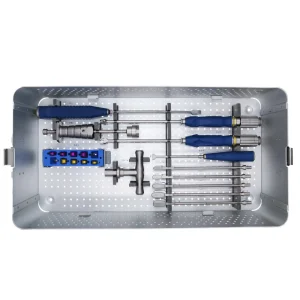
OEM Bone Surgical Instrument Sets Thoracolumbar TLIF Cage Instrument Set (Bangladesh Ready)
View Product Specs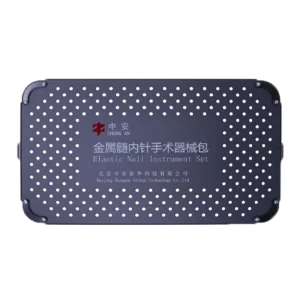
CE Certified Elastic Nail Instrument Set (ZEIN) for Bangladesh Pediatric Trauma
View Product Specs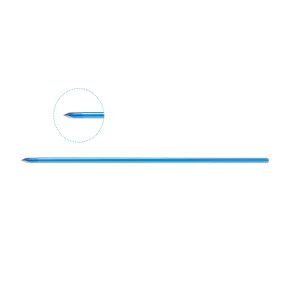
High-Strength Titanium Alloy Threaded Bone Pin (1.5mm–3.0mm) for Bangladesh
View Product Specs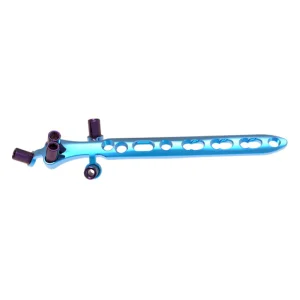
Anatomical Proximal Ulna ISC Locking Compression Plate I for Bangladesh Clinics
View Product SpecsTrauma & Orthopedic Reality in Bangladesh Healthcare
Understanding high-energy polytrauma dynamics, national healthcare infrastructure demands, and the urgent shift toward locking compression mechanics.
Bangladesh represents one of the most densely populated nations in South Asia, characterized by an accelerating pace of industrialization, infrastructure modernization, and rapid vehicular transit expansion. Consequently, the national burden of musculo-skeletal injuries has increased exponentially over the past two decades. High-energy trauma resulting from highway collisions (notably along arterial transport corridors like Dhaka-Chittagong and Dhaka-Sylhet highways), informal mechanized transport accidents (such as motorized three-wheelers and easy-bikes), and industrial crush injuries within the ready-made garment (RMG) and construction sectors generate massive volumes of complex comminuted, intra-articular, and open fractures every day.
Historically, the Bangladeshi surgical landscape relied extensively on conventional Dynamic Compression Plates (DCP) and limited-contact plates (LC-DCP) manufactured from standard 316L stainless steel. While these legacy systems provided rigid stabilization under anatomic reduction, clinical results frequently suffered from high rates of secondary displacement, screw toggle, periosteal devascularization, delayed union, and refracture upon plate removal. In low-bone-density patients or cases featuring substantial metaphyseal bone loss—frequent in delayed-presentation trauma encountered at apex tertiary centers like the National Institute of Traumatology & Orthopaedic Rehabilitation (NITOR), Dhaka Medical College & Hospital (DMCH), and Chittagong Medical College Hospital (CMCH)—conventional plate osteosynthesis demonstrates mechanical failure rates unacceptable by modern clinical standards.
Today, the contemporary standard of care across top-tier Bangladeshi private healthcare providers—such as Evercare Hospital Dhaka and Chattogram, Square Hospital, United Hospital, and Labaid Specialized Hospital—has decisively transitioned toward Anatomical Locking Compression Plate (LCP) systems. By converting the plate-screw assembly into an internal fixator where the threaded screw heads lock rigidly into corresponding female threads in the plate, clinical stability no longer hinges upon compressing the plate onto the periosteum. This fundamental biomechanical leap preserves the periosteal blood supply, prevents cortical necrosis, significantly curtails post-operative surgical site infection (SSI), and facilitates early rehabilitation for the active Bangladeshi working demographic.
Macro Industry Trends in Orthopedic Trauma Devices
Global technical advancements are redefining trauma implant design, procurement economics, and biological healing outcomes across emerging markets.
Ti-6Al-4V ELI Metallurgy
Global shift from AISI 316L stainless steel to Extra Low Interstitial Medical Titanium (ISO 5832-3 / ASTM F136). Delivers a modulus of elasticity closer to cortical bone, significantly reducing stress shielding and bone resorption.
Variable-Angle Locking
Next-gen plates integrate polyaxial locking screw capability (up to ±15° cone angulation), permitting orthopedic surgeons to target small articular fragments, steer clear of adjacent joint spaces, and anchor complex peri-articular fractures.
Sterile Unit Packaging
Moving away from bulk trays that require repeated autoclaving. Pre-sterilized, double-barrier Tyvek blister packaging guarantees zero biocontamination risk, preserves razor-sharp thread profiles, and streamlines OR turnaround time.
Anatomical Pre-Contouring
Computed tomography (CT)-derived anatomical geometries drastically reduce intraoperative plate bending. This retains the structural integrity of the titanium lattice and protects the internal threads of locking screw holes from deformation.
Low-Profile Soft Tissue Guard
Tapered plate tips and recessed screw seats ensure ultra-low surface profiles. Crucial for subcutaneous anatomical regions (distal fibula, olecranon, clavicle) to minimize postoperative impingement and soft tissue tension.
Full Traceability UDI
Universal Unique Device Identification (UDI) laser-etched onto every individual plate and screw. Enables end-to-end supply chain transparency, batch tracking, and full alignment with DGDA import regulatory frameworks.
China Industry 4.0: Supply Chain Resilience for Bangladesh
Direct-from-manufacturer agility bypassing intermediary trading houses, safeguarding price competitiveness in public tenders and rapid OR inventory restocking.
For medical equipment distributors and hospital procurement directors across Dhaka, Chittagong, Sylhet, and Rajshahi, the primary vulnerability has historically been supply chain friction: prolonged lead times from Western multinationals, unpredictable stockouts, rigid minimum order quantities (MOQs), and prohibitive brand markups that strain Bangladesh's healthcare budgets.
China's advanced Industry 4.0 orthopedic manufacturing cluster provides an optimal strategic antidote to these procurement barriers. Operating from our state-of-the-art facility in Beijing's Zhongguancun Science and Technology Park, ZATH combines high-tier multi-axis Swiss-type longitudinal machining centers, DMG Mori 5-axis milling platforms, and precision Wire Electrical Discharge Machining (EDM). This enables the fabrication of complex micro-tolerances with repeatable micron-level accuracy:
| Biomechanic Parameter | Conventional Compression Plates (DCP) | ZATH Anatomical Locking Plate (LCP) | Clinical Benefit in Bangladesh Setting |
|---|---|---|---|
| Mechanical Fixation Principle | Friction between plate underside and bone cortex | Threaded internal fixator; locked screw-to-plate frame | Zero loss of reduction even under early load-bearing |
| Periosteal Blood Supply | Severely compressed; causes cortical devascularization | Preserved; plate hovers off the periosteal envelope | Accelerated callus formation & reduced infection risk |
| Osteoporotic / Comminuted Bone | High risk of screw pull-out and construct collapse | Angular stability distributes mechanical shear evenly | High union rate in geriatric fragility & high-impact trauma |
| Intraoperative Plate Contouring | Mandatory manual bending matching bone contour exactly | Pre-contoured to South Asian anthropometric data | Shorter anesthesia time, reduced theater blood loss |
| Screw Direction Flexibility | Uniaxial, limited angling in oval dynamic holes | Combination holes: dynamic compression + locking option | Hybrid fixation adapted to complex fracture patterns |
| Regulatory Documentation | Generic mill sheets, fragmented origin traceability | Full ISO 13485, CE (UDEM), Free Sale Certificate (FSC) | Seamless DGDA clearance & CMSD tender acceptance |
100% Comprehensive Lot Traceability and Quality Assurance
Every raw material ingot—sourced from medical certified aerospace titanium grade Ti-6Al-4V ELI (ASTM F136)—undergoes ultrasonic flaw detection, chemical spectrum analysis, and metallographic structural inspection before undergoing precision machining. During the manufacturing cycle, automated Coordinate Measuring Machines (CMM) verify locking thread pitches, screw taper geometry, and hole alignment with sub-micron tolerances, ensuring that every locking screw mates smoothly without cold welding or cross-threading inside the operating suite.
Localized Clinical Scenarios: South Asian Anthropometrics
Optimizing implant morphology to accommodate smaller bone dimensions, narrower medullary canals, and high-energy comminution.
A frequent obstacle cited by orthopedic trauma surgeons at NITOR and specialized trauma wards across Bangladesh is that Western-designed implants frequently exhibit excessive geometric curvature and oversized plate dimensions. South Asian anthropometric morphology generally presents a smaller skeletal framework: the radius of proximal tibial curvature is tighter, the clavicular S-curvature is more compact, and the distal femoral condylar envelope requires a lower profile to prevent soft-tissue tenting.
ZATH's anatomical locking plate series has been engineered taking global multi-center clinical morphology datasets into consideration, providing specialized configurations that integrate smoothly with Bangladeshi patient demographics:
Complex Proximal & Distal Ulna Trauma
High incidence of direct blow defense injuries ("lathi" strikes) and industrial machinery entrapment causes comminuted olecranon and monteggia fractures. The Proximal Ulna ISC Locking Compression Plate provides multi-planar screw trajectories that securely capture small articular fragments without penetrating the radio-humeral joint.
Clavicular Midshaft & Lateral Fractures
Two-wheeler vehicular trauma frequently precipitates compound clavicle fractures. The anatomical S-shape Clavicle Locking Compression Plate mirrors natural clavicular curvature, eliminating the need for aggressive intraoperative plate twisting that compromises titanium fatigue life.
Pelvic Ring & Acetabular Disruption
Pedestrian-versus-vehicle collisions on unlit rural highways generate severe pelvic ring disruptions. Our Winged Pelvis Reconstruction Locking Plate features high contourability across 3D planes while retaining high torsional rigidity, providing rigid anatomical stabilization for early post-op bed mobilization.
Minimizing Soft-Tissue Complications in Delayed Presentations
In Bangladesh's district and rural healthcare tiers, patients often arrive at secondary or tertiary orthopedic centers days or even weeks post-trauma due to initial consultation with traditional bonesetters ("kabiraj"). In these delayed cases, substantial hematoma organization, edema, and secondary soft-tissue retraction exist. Deploying standard bulky implants under high tension commonly precipitates flap breakdown and deep wound infection. ZATH plates feature a chamfered, low-profile edge design and limited-contact undercuts that maximize periosteal perfusion, drastically reducing the clinical threshold for superficial and deep post-operative morbidity.
DGDA Bangladesh Registration & CMSD Public Tender Support
Complete technical dossier compilation, international certification, and regulatory advisory for streamlined medical device import license clearance.
Importing medical implants into the People's Republic of Bangladesh requires rigorous compliance with the Directorate General of Drug Administration (DGDA) under the Ministry of Health and Family Welfare. Orthopedic implants, being classified as Class III / Class D high-risk invasive devices, require comprehensive validation documentation before issuance of the Form 12 import registration and commercial clearance through customs at Hazrat Shahjalal International Airport (DAC) or Chittagong Port (CTG).
ZATH provides registered authorized distributors across Bangladesh with exhaustive regulatory dossiers, including:
- ISO 13485:2016 Certification: Full QMS scope validation covering design, CNC processing, cleanroom packaging, and terminal sterilization.
- Free Sale Certificate (FSC): Officially legalized government certificates establishing uninhibited commercial use and international export authorization.
- Notified Body CE Certification (UDEM): Validating conformance with European Medical Device safety and biomechanical directives.
- Biocompatibility & Mechanical Test Reports: Conforming to international standards including ASTM F382 (Standard Specification and Test Method for Metallic Bone Plates), ASTM F543 (Metallic Medical Bone Screws), and ISO 10993 cytotoxicity, sensitization, and genotoxicity evaluations.
- Sterilization Validation Dossiers: Ethylene Oxide (EtO) and gamma radiation validation documentation according to ISO 11135 and ISO 11137, confirming a Sterility Assurance Level (SAL) of 10-6.
Furthermore, for distributors participating in the annual Central Medical Stores Depot (CMSD) bulk procurement tenders or hospital-specific framework contracts, ZATH offers competitive OEM/ODM customization—including localized laser marking, hospital-specified blister packaging, and dedicated instrument kit loaners—ensuring our partners win bids with strong margins while delivering uncompromised clinical quality.
Frequently Asked Questions: Locking Plates for Bangladesh
Detailed technical and commercial answers addressing registration, metallurgy, pricing structures, and surgical compatibility.
What titanium alloy grade is utilized in ZATH locking compression plates?
How does ZATH assist Bangladeshi distributors in obtaining DGDA import registration?
Are ZATH surgical instruments fully cross-compatible with locking plates from other global brands?
What are the lead times and shipping routes for shipments dispatched to Dhaka or Chittagong?
Does ZATH offer private label (OEM/ODM) branding for established healthcare groups in Bangladesh?
How do locking plates reduce infection rates compared to conventional dynamic compression plates?
Comprehensive Trauma, Arthroplasty & Spine Systems
Explore our full line of specialized anatomical locking plates, intramedullary nails, and matching surgical instrument suites available for Bangladesh export.
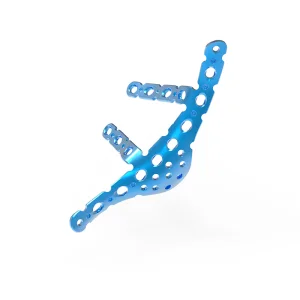
Custom Winged Pelvis Reconstruction Locking Compression Plate (Bangladesh Series)
View Product Specs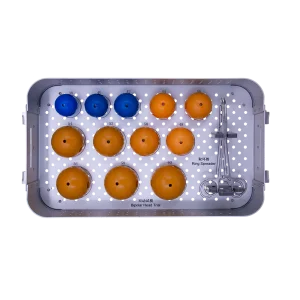
Orthopedic Implant Bipolar Hip Instrument Set for Bangladesh Arthroplasty
View Product Specs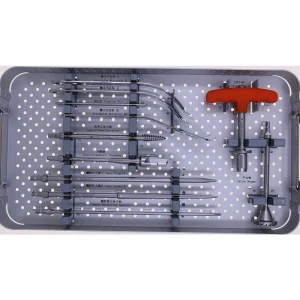
CE Approved THA Hip Instrument Set Femoral Part for Bangladesh Joint Specialists
View Product Specs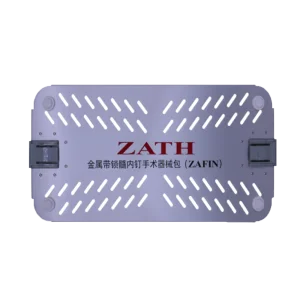
Medical Bone Surgery ZAFIN Femoral Nail Instrument Set for Bangladesh Trauma Centers
View Product Specs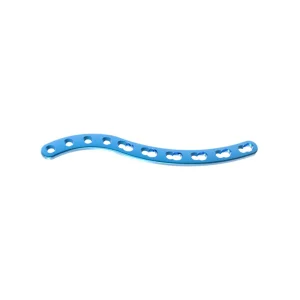
CE Certified S-Shape Clavicle Locking Compression Plate for Bangladesh Clinicians
View Product Specs
High-Quality Stainless Steel Orthopedic Bone Pin for Bangladesh Hospital Traction
View Product Specs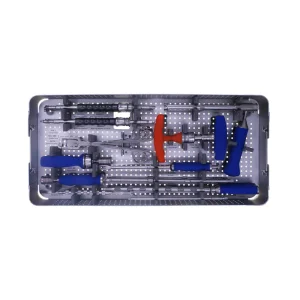
Zipper 6.0 Spinal Internal Fixation Instrument Exclusive Set (Bangladesh Edition)
View Product Specs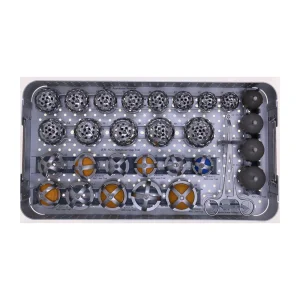
Hip Joint Replacement Universal Instrument Set (Acetabular Part) for Bangladesh THA
View Product SpecsAccelerate Your Trauma Fixation Supply Chain in Bangladesh
Whether you are submitting tenders for public medical institutions (CMSD/NITOR) or managing private orthopedic supply networks across Dhaka and Chittagong, partner directly with Beijing ZATH for ISO 13485 certified locking plate solutions, dependable factory pricing, and full regulatory clearance assistance.
Send Inquiry Now