1 / 5
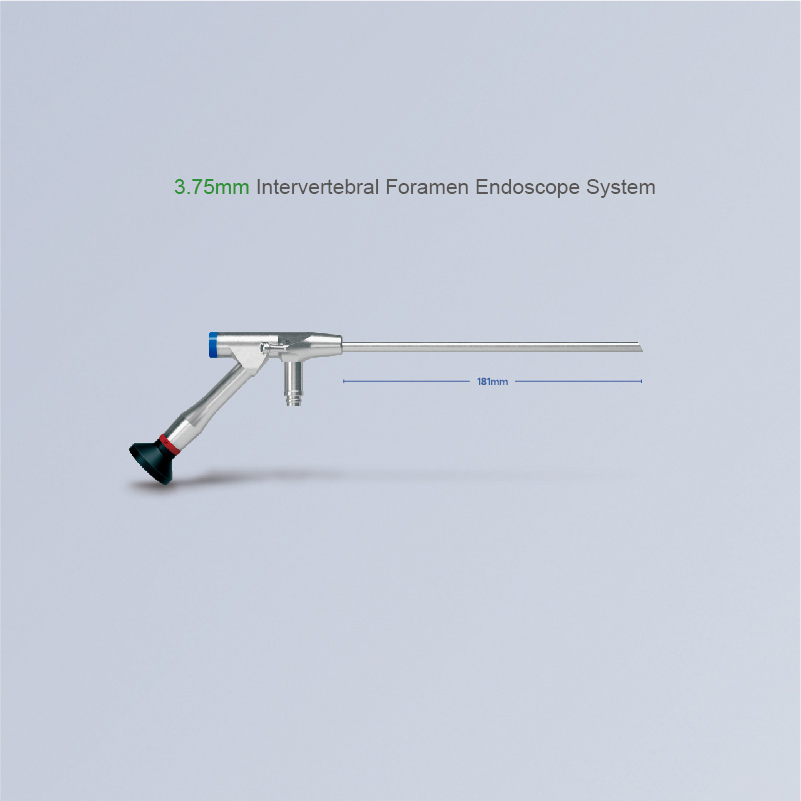
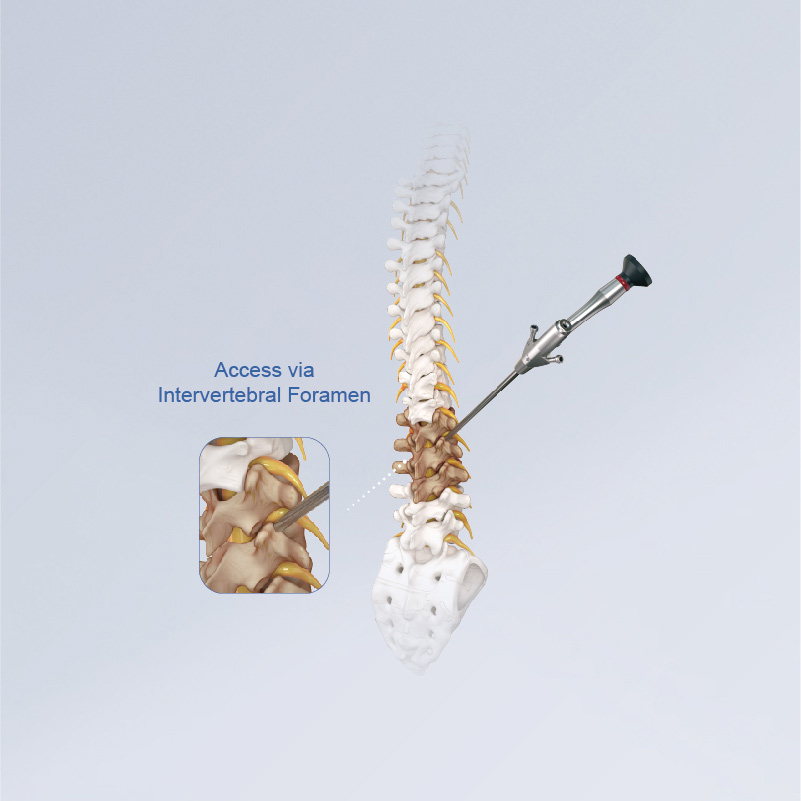
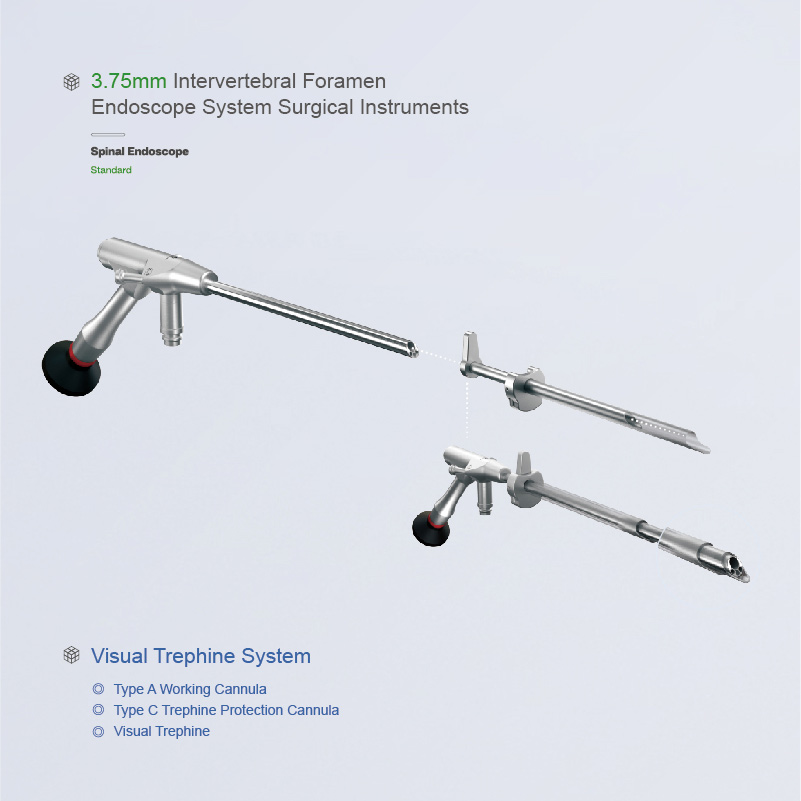
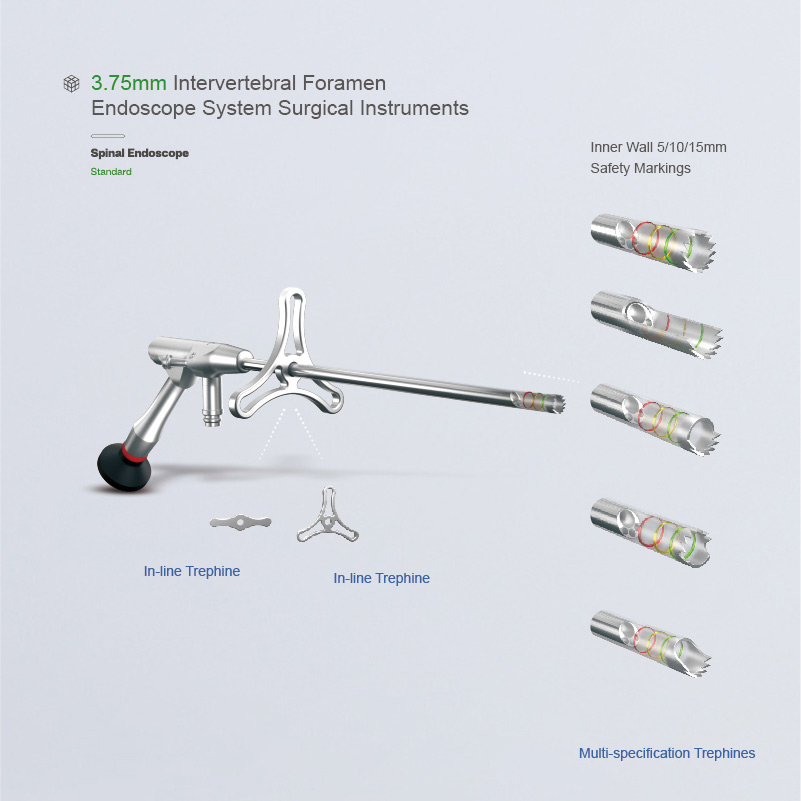
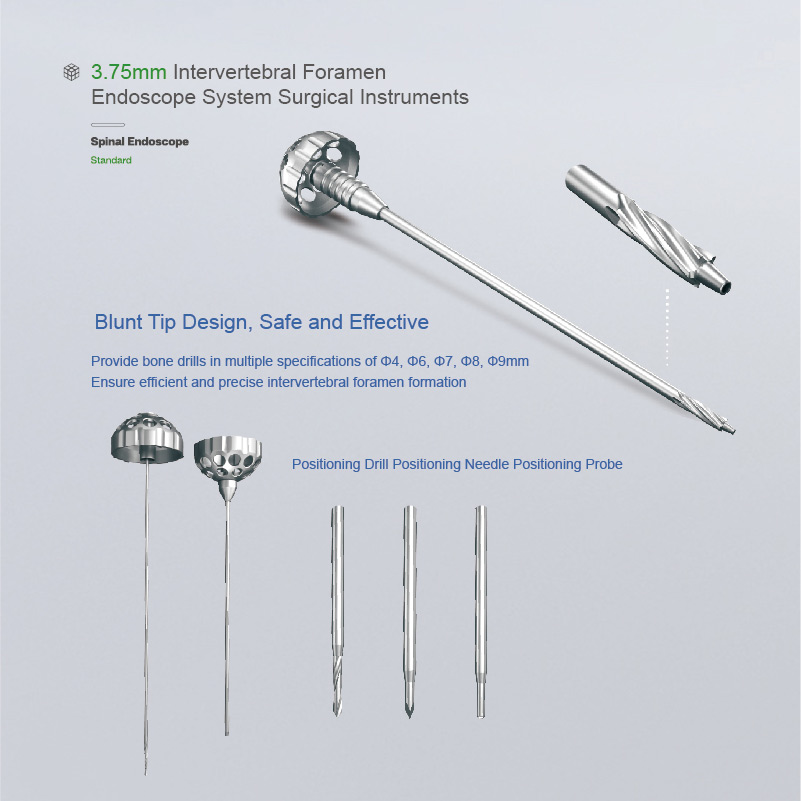
CE Certification 3.75mm Intervertebral Foramen Endoscope System Manufacturer, Exporter
Product Description

Frequently Asked Questions
Q
What is a Minimally Invasive Spine Surgery (MISS) System?
A Minimally Invasive Spine Surgery System is a specialized set of advanced surgical instruments, access retractors, and visualization aids designed to treat various spinal conditions through tiny incisions, minimizing disruption to surrounding muscles and tissues.
Q
What are the key advantages of minimally invasive spine surgery compared to open surgery?
Key advantages include significantly smaller incisions, minimal soft tissue and muscle trauma, reduced intraoperative blood loss, lower infection rates, reduced post-operative pain, and faster overall patient recovery times.
Q
Which spinal conditions can be treated using this system?
It is commonly utilized in treating degenerative disc disease, lumbar spinal stenosis, herniated discs, scoliosis, spinal instability, vertebral compression fractures, and select spinal tumors.
Q
How do modern spine surgical systems enhance operational accuracy and safety?
These systems integrate ergonomic instrumentation with real-time fluoroscopic or intraoperative navigation compatibility, providing surgeons with clear anatomical landmarks and precise guidance for accurate implant placement.
Q
What materials are commonly used in the manufacture of these instruments?
Instruments and components are manufactured using high-grade medical biomaterials such as surgical stainless steel and medical-grade titanium alloys, offering superior durability, corrosion resistance, and complete autoclave sterilization compatibility.
Q
What is the typical patient recovery timeline following surgery?
Due to the muscle-sparing technique, many patients can ambulate within hours after surgery and are discharged within 24 to 48 hours. Most resume non-strenuous daily activities within 2 to 4 weeks, depending on individual clinical conditions.