Custom High Quality Spine Surgery Unilateral Biportal Endoscopy Quotes, Company
Product Description
What is UBE?
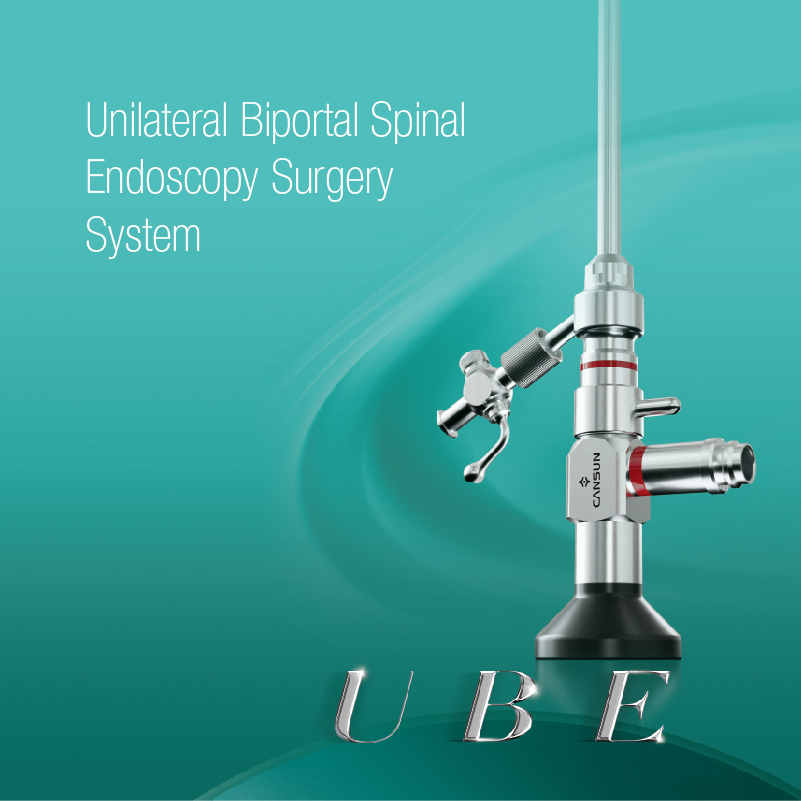
Unilateral Biportal Endoscopy (UBE) is a new invasive technique in spinal surgery. It combines the advantages of traditional surgery and microscopic endoscopic surgery, offering a new perspective for the spinal diseases treatment.
Visual Channel
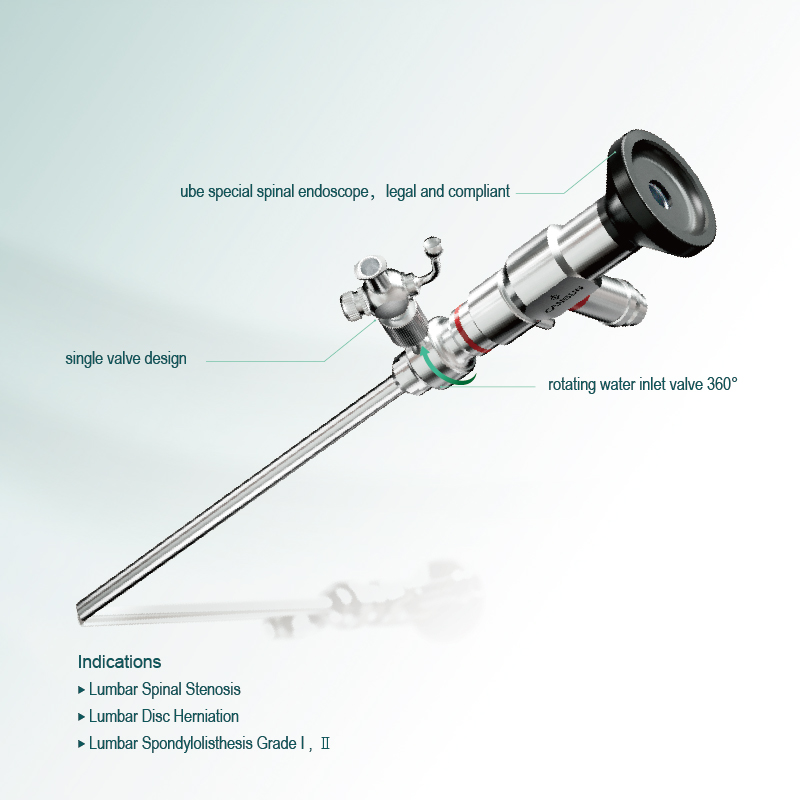
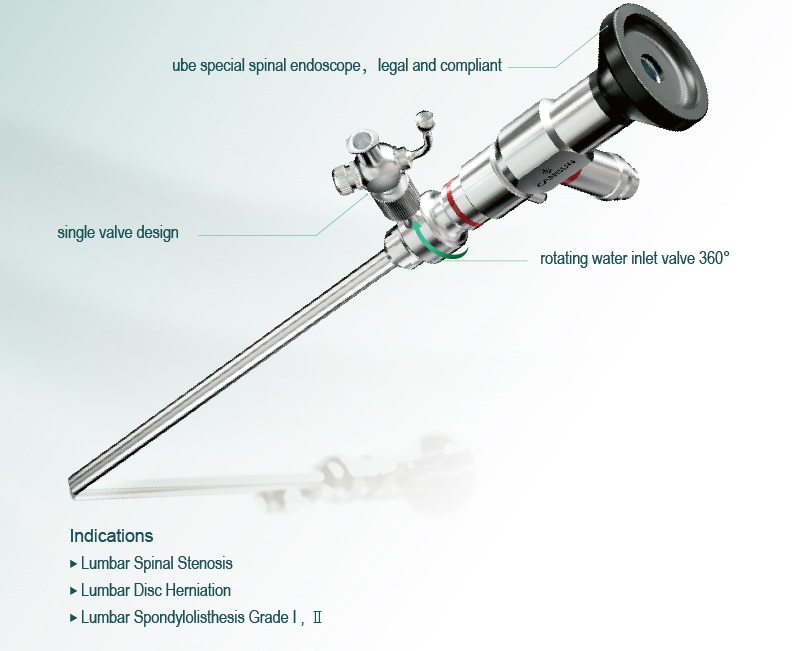
In the back of the lumbar spine, we usually open two minimally invasive channels, each approximately 1cm. One is the visual channel, which is the visual pathway, allowing you to see clearly with an arthroscopy.
Operation Channel
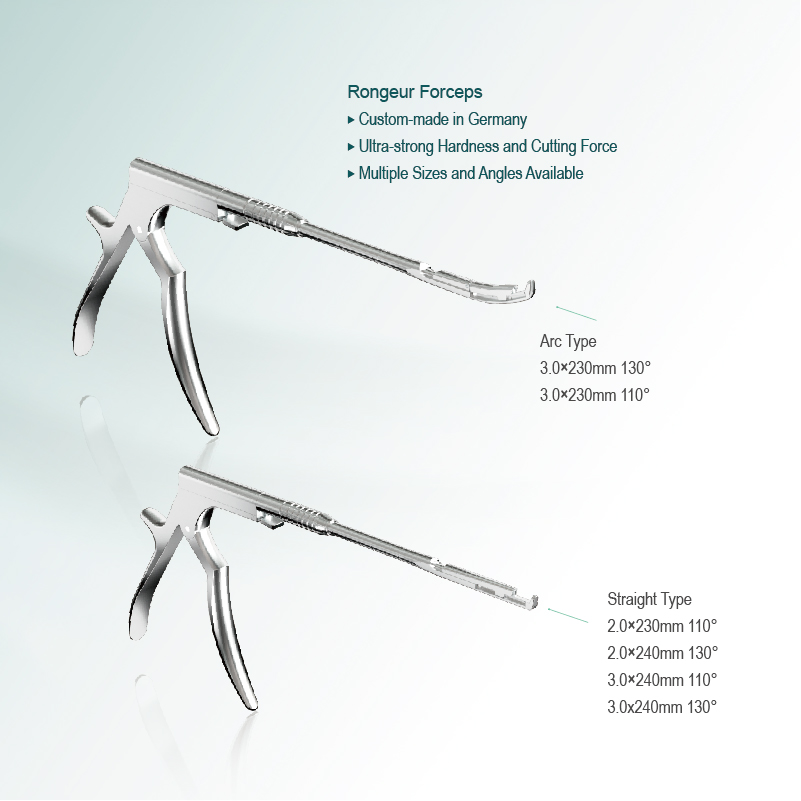
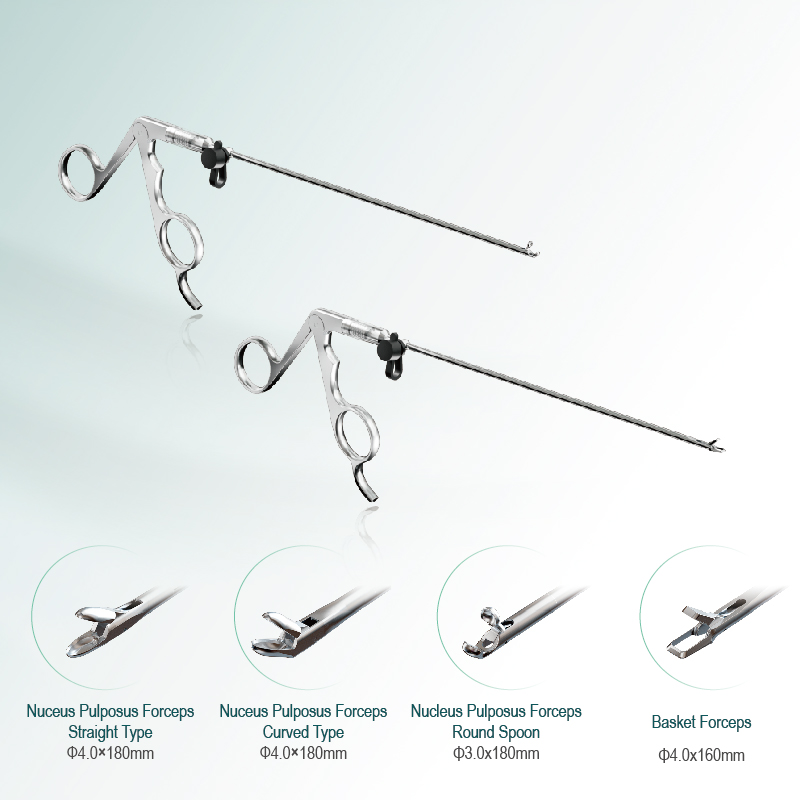
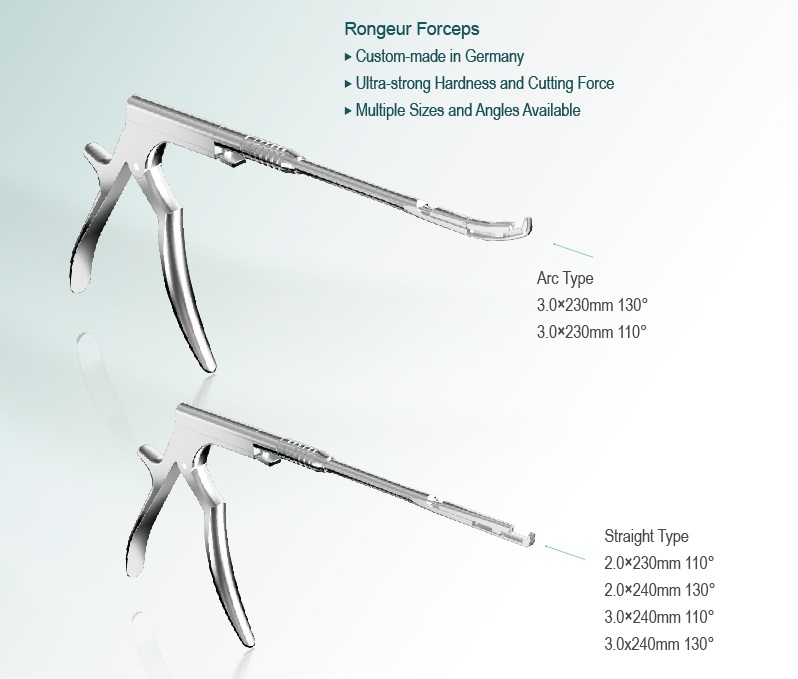
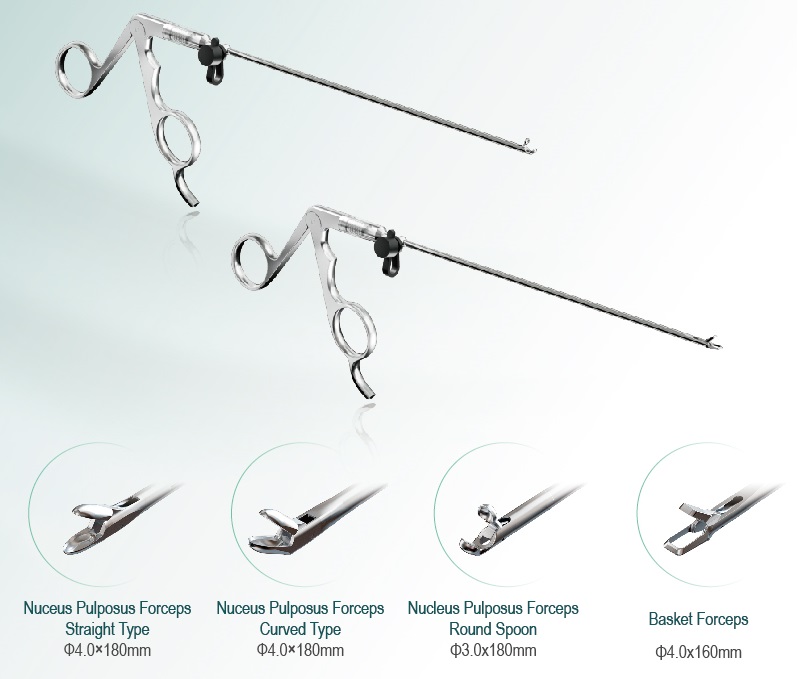
Another operation channel is established where we can put the rongeur forceps, nucleus pulposus forceps, or other specialized instruments into surgical operation.
UBE Indications
- Lumbar Spinal Stenosis
- Lumbar Disc Herniation
- Lumbar Spondylolisthesis Grade I, Ⅱ
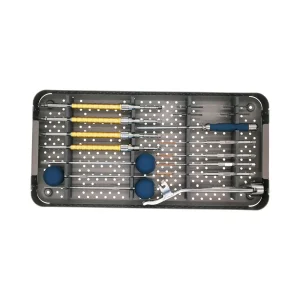
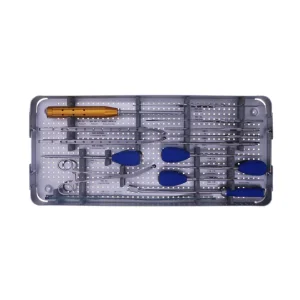
Instrument Specifications
| Instrument Type | Design | Specification / Dimensions |
|---|---|---|
| Curved / Arc Instruments | Arc Type | 3.0×230mm 130° |
| Arc Type | 3.0×230mm 110° | |
| Straight Instruments | Straight Type | 2.0×230mm 110° |
| Straight Type | 2.0×240mm 130° | |
| Straight Type | 3.0×240mm 110° | |
| Straight Type | 3.0×240mm 130° | |
| Nucleus Pulposus Forceps | Straight Type | Ф4.0×180mm |
| Curved Type | Φ4.0×180mm | |
| Round Spoon | Φ3.0×180mm | |
| Basket Forceps | Basket Type | Φ4.0×160mm |
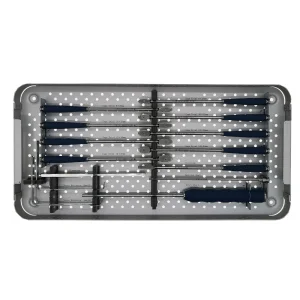
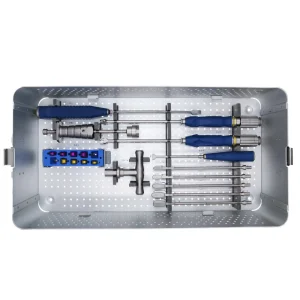
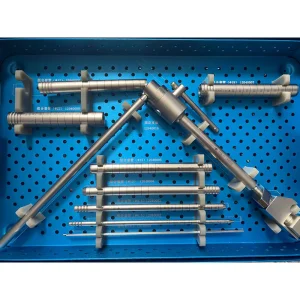
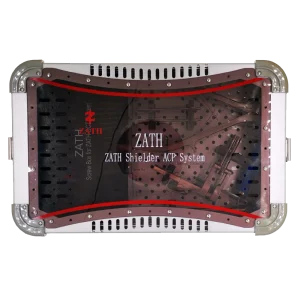
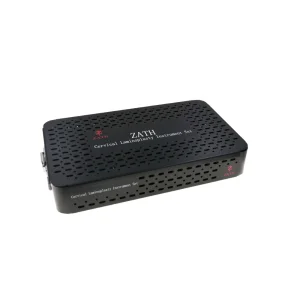
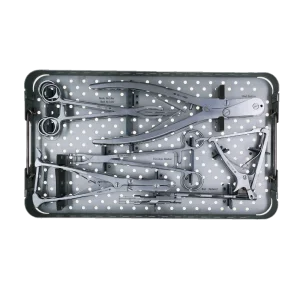
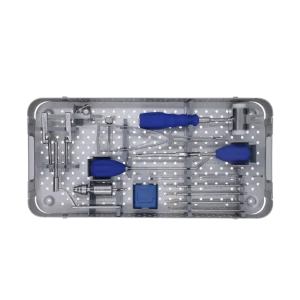
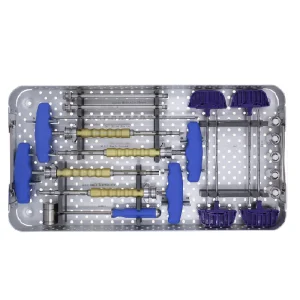
Product & Instrument Showcase
Frequently Asked Questions
Q1: What is Unilateral Biportal Endoscopy (UBE)?
UBE is an advanced, minimally invasive spinal technique that merges traditional open surgery benefits with microscopic endoscopic visualization for treating lumbar and spinal diseases.
Q2: How does the biportal approach operate?
The technique utilizes two separate channels of approximately 1cm each on the lumbar spine: one serves as the continuous visualization channel via arthroscopy, and the other functions as the working channel for instruments.
Q3: What conditions can be treated with UBE?
Primary indications include Lumbar Spinal Stenosis, Lumbar Disc Herniation, and Lumbar Spondylolisthesis (Grade I and Grade II).
Q4: What specialized instruments are utilized during the procedure?
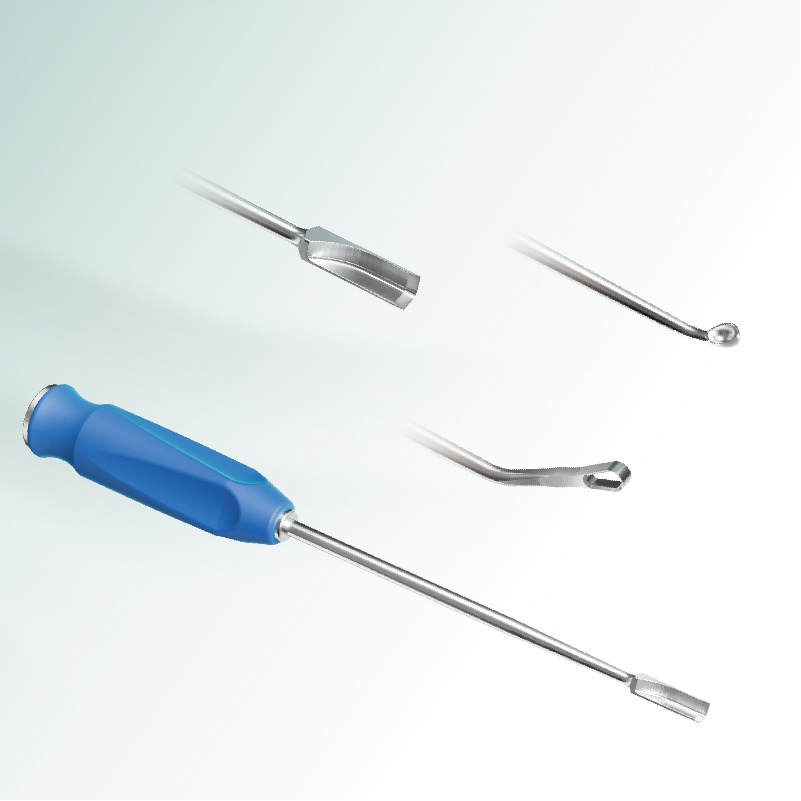
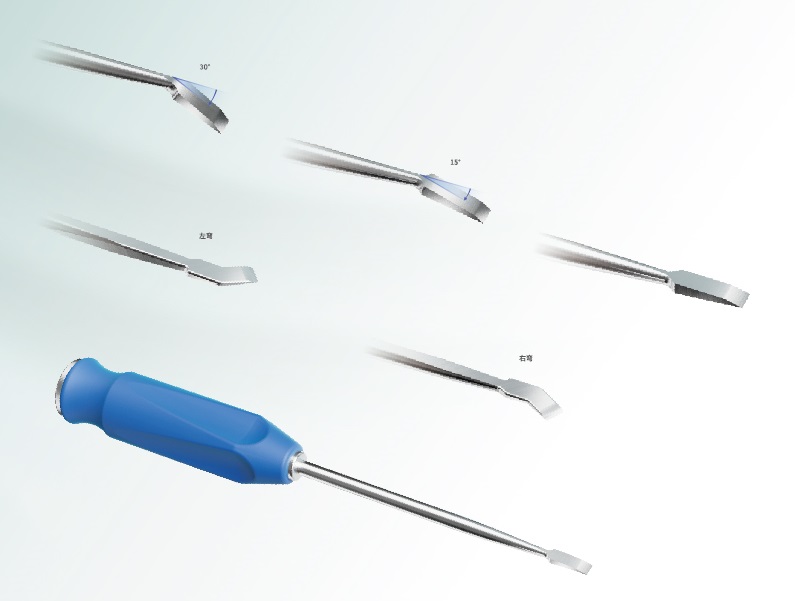
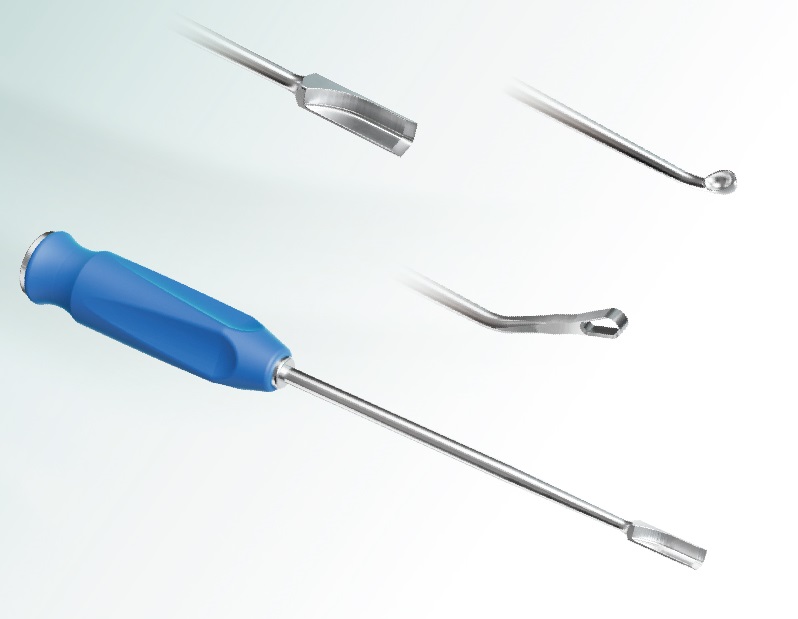
Surgeons utilize nucleus pulposus forceps (straight, curved, round spoon), rongeur forceps, basket forceps, and specialized arc/straight probes designed for precise canal navigation.
Q5: What are the main clinical advantages of UBE?
By separating the optical portal from the instrument portal, UBE offers independent instrument manipulation, expansive visualization, minimal muscular trauma, and quicker patient recovery compared to open surgery.