1 / 5
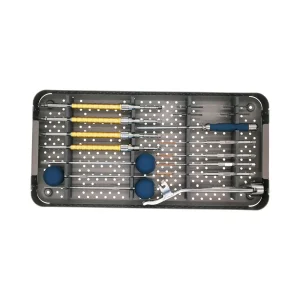
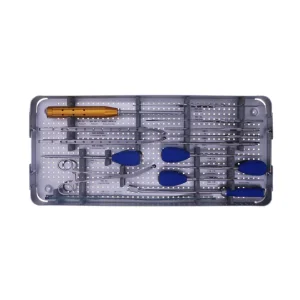
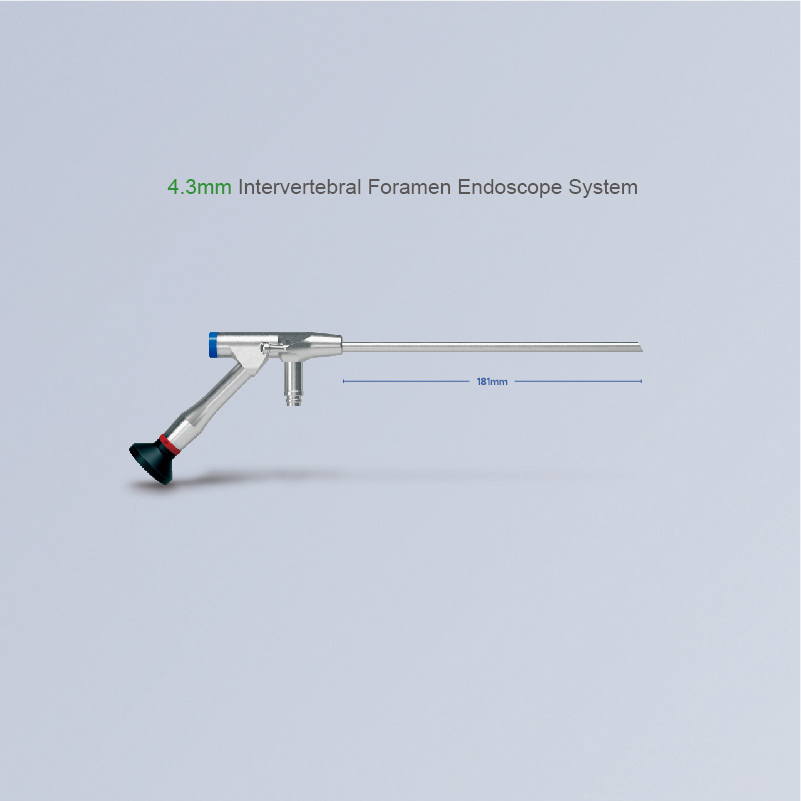
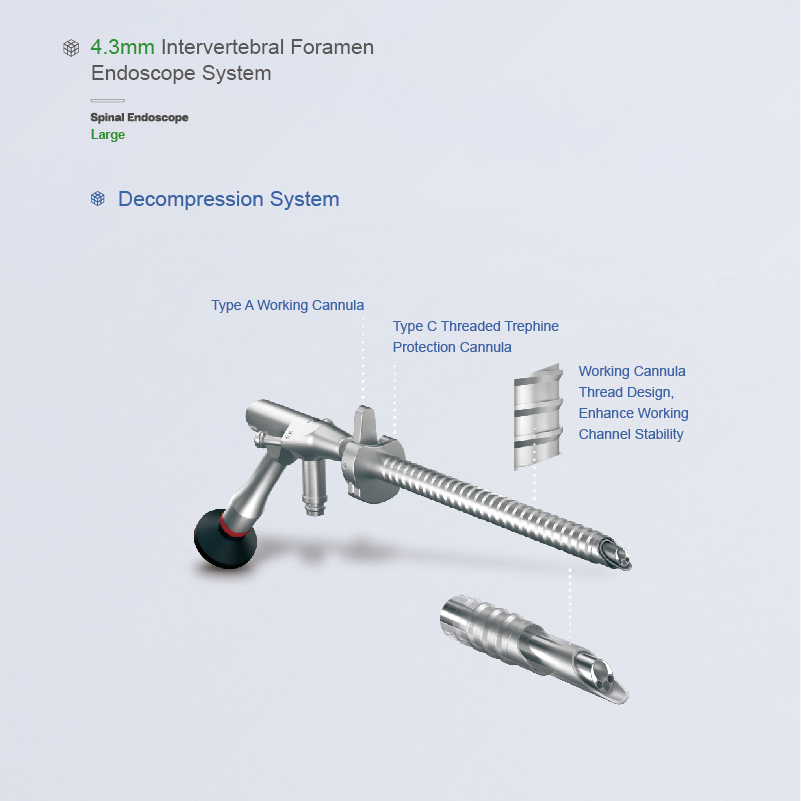
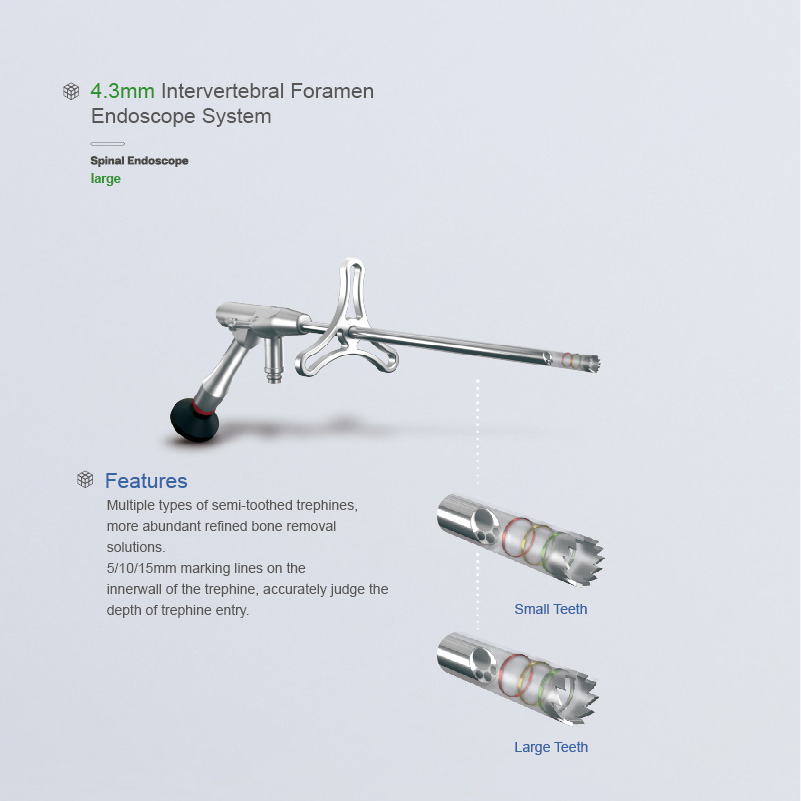
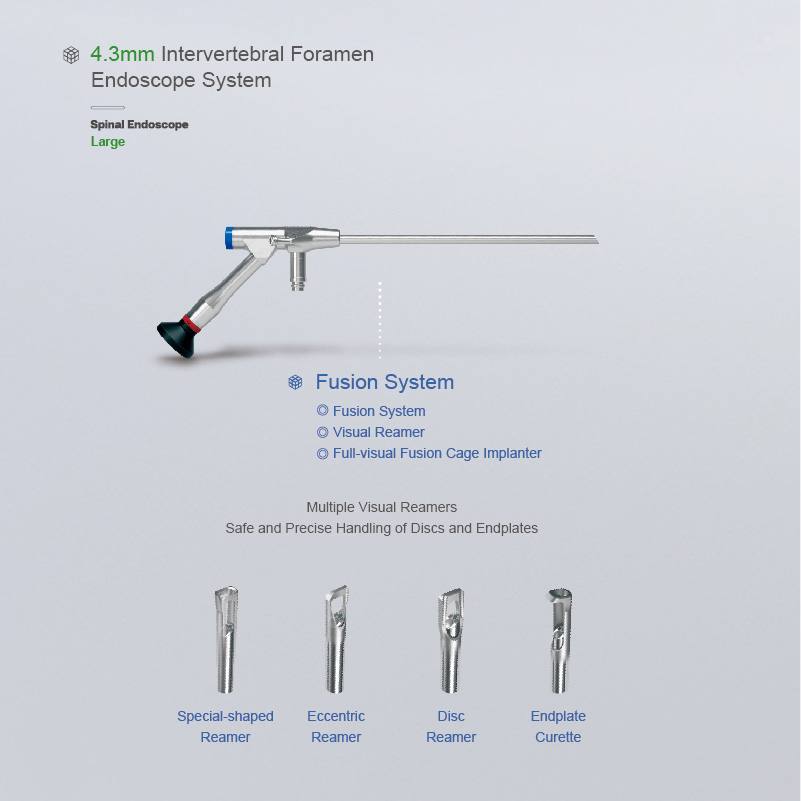
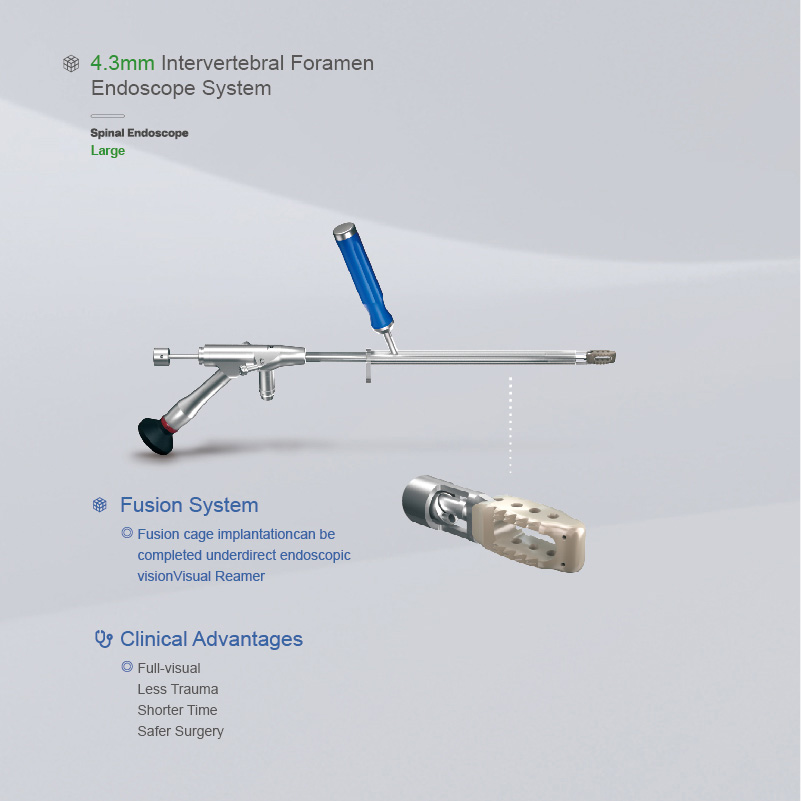
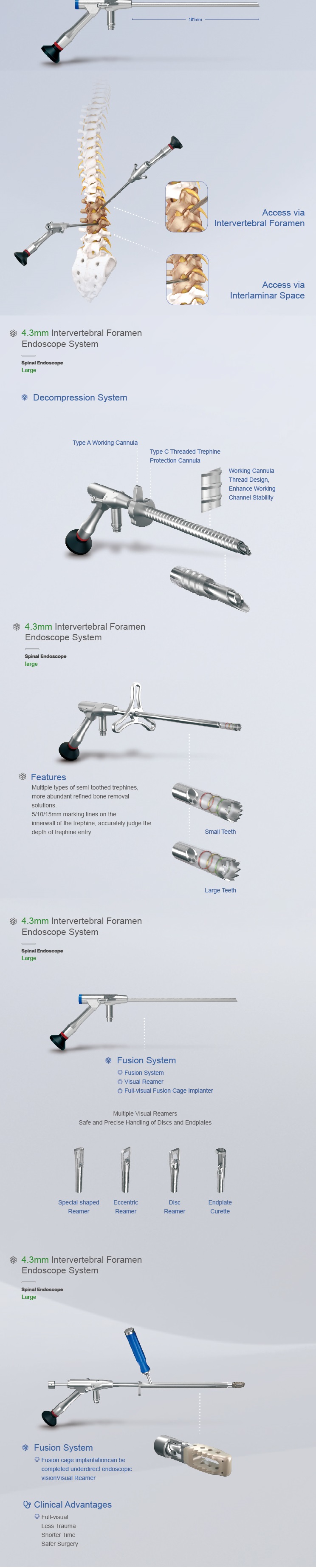
ODM 4.3mm Intervertebral Foramen Endoscope System Product, Products
Product Description
Frequently Asked Questions
Q
What is a Minimally Invasive Spine Surgery (MISS) System?
A Minimally Invasive Spine Surgery System is an advanced set of surgical instruments and implants engineered to treat spinal disorders through significantly smaller incisions, reducing disruption to surrounding muscles and healthy soft tissues.
Q
What clinical advantages does this surgical system offer?
Compared to conventional open surgery, this system facilitates reduced intraoperative blood loss, minimized postoperative pain, shortened hospital stays, and accelerated functional recovery for patients.
Q
Which conditions are commonly indicated for minimally invasive spinal procedures?
It is typically indicated for conditions such as degenerative disc disease, lumbar spinal stenosis, herniated discs, spondylolisthesis, vertebral compression fractures, and specific types of spinal instability.
Q
Is the system compatible with standard surgical navigation and imaging modalities?
Yes, modern minimally invasive spine systems are designed to integrate seamlessly with intraoperative fluoroscopy, 3D surgical imaging, and computer-assisted navigation systems for precise instrument positioning.
Q
What materials are utilized in these spinal implants and instruments?
The instruments and implant components are manufactured using high-grade, biocompatible medical materials such as titanium alloys, medical-grade stainless steel, and high-performance polymers (PEEK) to ensure structural strength and osseointegration.
Q
How does minimally invasive spine instrumentation reduce infection rates?
By significantly decreasing surgical incision size, operating field exposure time, and muscular trauma, the risk of surgical site infections (SSI) is markedly minimized compared to extensive open spine exposures.