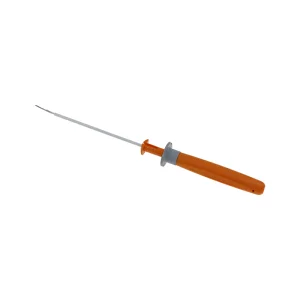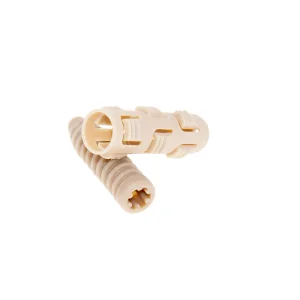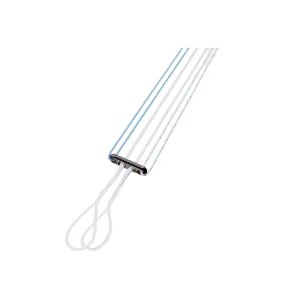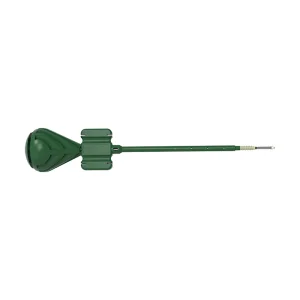
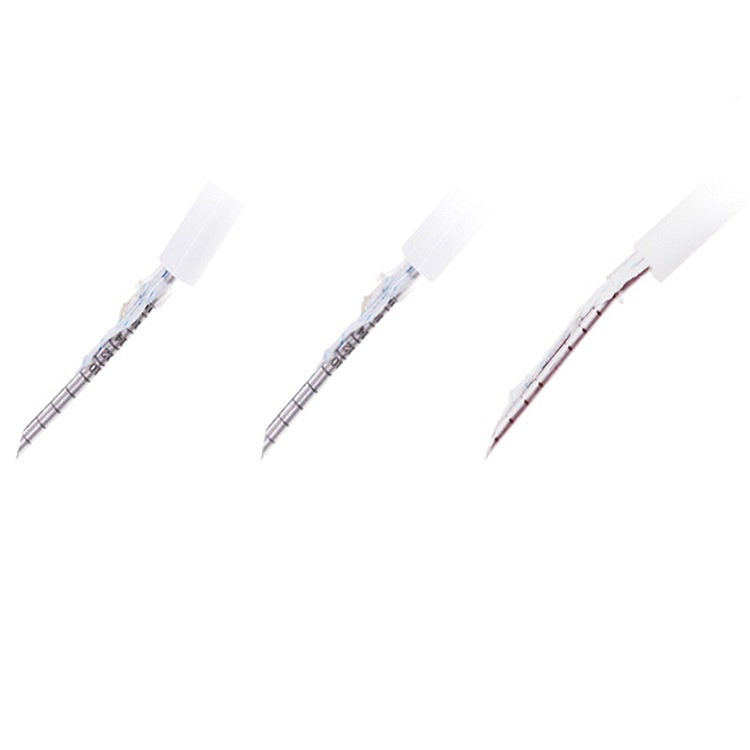
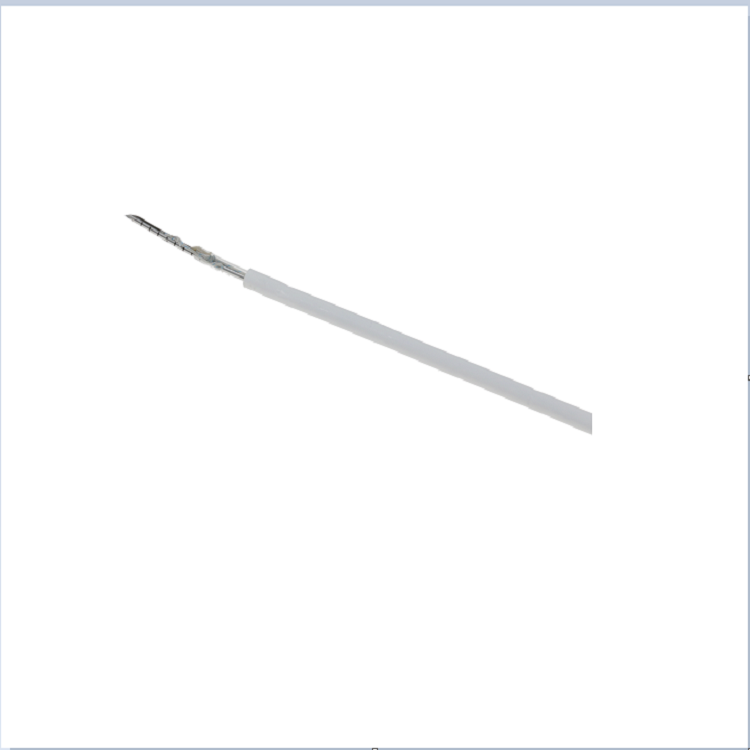
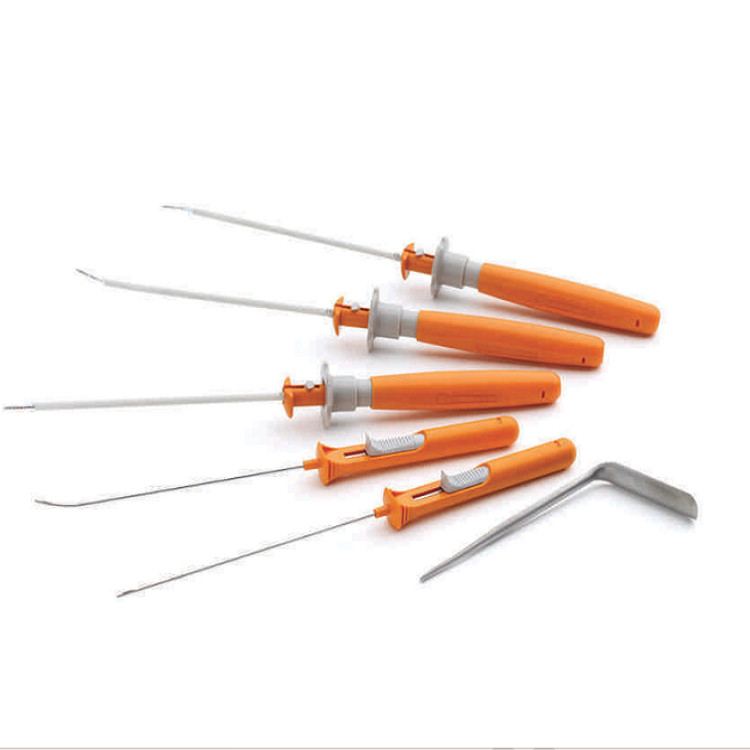
ODM Orthopedic Fast All Inside Meniscal Repair Device System Products, Service
Product Description
Indications for Use
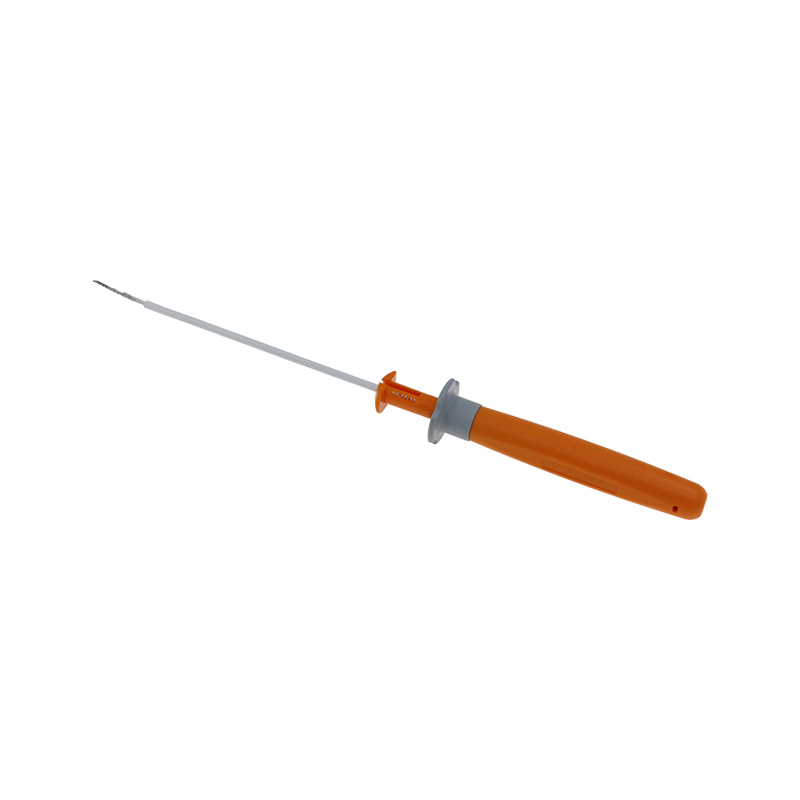
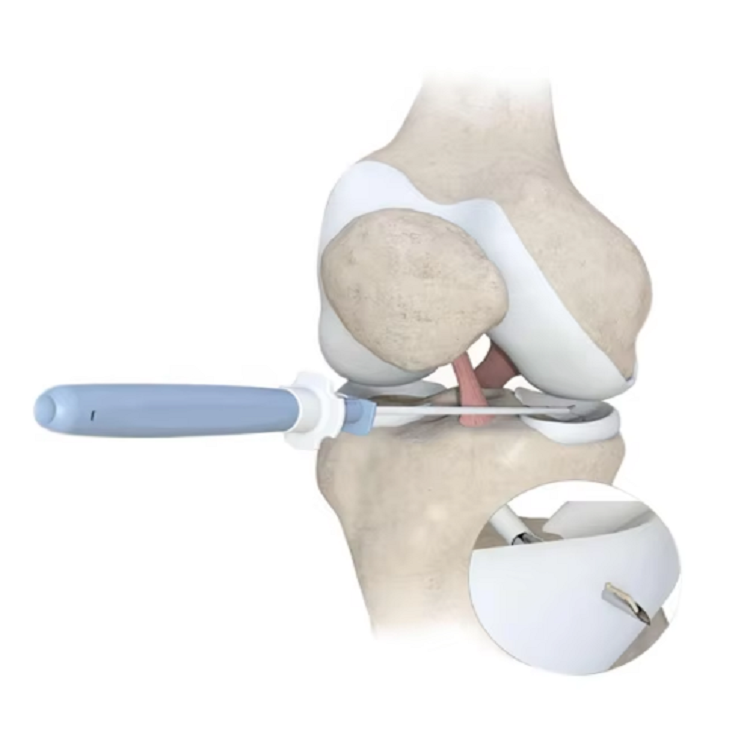
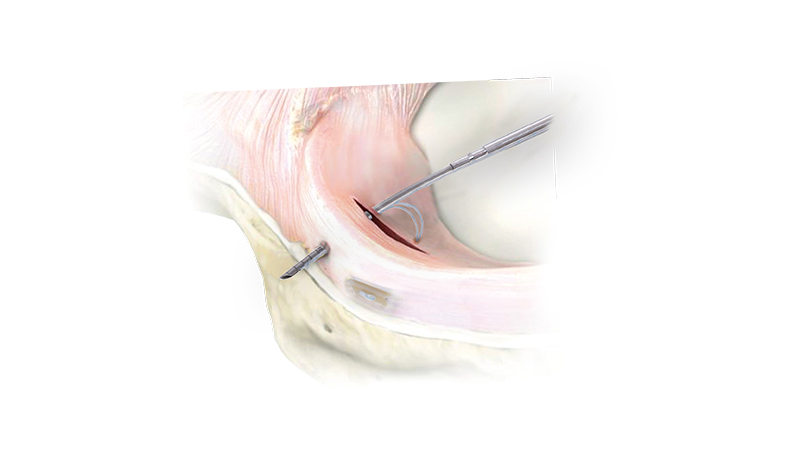
The All-inside Meniscal Repair Device is indicated for the repair of meniscal tears in the knee joint. It is designed to be used in patients who have experienced a tear in the meniscus, a C-shaped piece of cartilage that helps cushion and stabilize the knee joint.
This device can be used for both medial (inner) and lateral (outer) meniscal tears. It is typically used in cases where the meniscus is torn in a way that it is still possible to repair it, rather than removing the damaged portion of the meniscus.
However, the specific indications for the use of this device may depend on the surgeon's clinical judgment and the individual patient's condition. It is important to consult with a healthcare professional for a thorough evaluation and recommendation regarding the use of the All-inside Meniscal Repair Device in a specific case.
Potential Contraindications
Some potential contraindications for the All-inside Meniscal Repair Device may include:
The device may not be suitable for cases where the meniscus cannot be adequately repaired due to extensive damage or poor tissue quality.
If the surgeon cannot gain sufficient access to the torn meniscus, it may not be possible to perform the repair using this device.
Cases where the knee joint is severely unstable or has significant ligamentous damage may not be appropriate for meniscal repair alone using this device. Additional treatments may be needed in such cases.
Active infection or inflammation in the knee joint may be a contraindication for using the All-inside Meniscal Repair Device. These conditions may need to be resolved before surgical intervention can be considered.
Patients with certain medical conditions, such as compromised immune systems or severe co-morbidities, may not be suitable candidates for surgery using this device.
Frequently Asked Questions (FAQ)
The device is indicated for repairing torn meniscus cartilage within the knee joint, facilitating repair rather than the removal of damaged tissue.
Yes, the All-inside Meniscal Repair Device is designed to treat both medial (inner) and lateral (outer) meniscal tears.
A tear may be irreparable if there is extensive tissue degradation, inadequate tissue quality, or insufficient access to perform the repair procedure effectively.
Severe knee instability or significant ligamentous damage may preclude isolated meniscal repair, requiring additional or alternative stabilization treatments.
No, active joint infections or inflammation are primary contraindications and must be clinically resolved prior to surgical repair.
A qualified orthopedic surgeon must evaluate patient conditions, surgical access, and general health to determine proper candidacy.