OEM Zath Sports Medicine Orthopedic Suture Anchor Implant Company, Service
Product Description
Specifications & Details
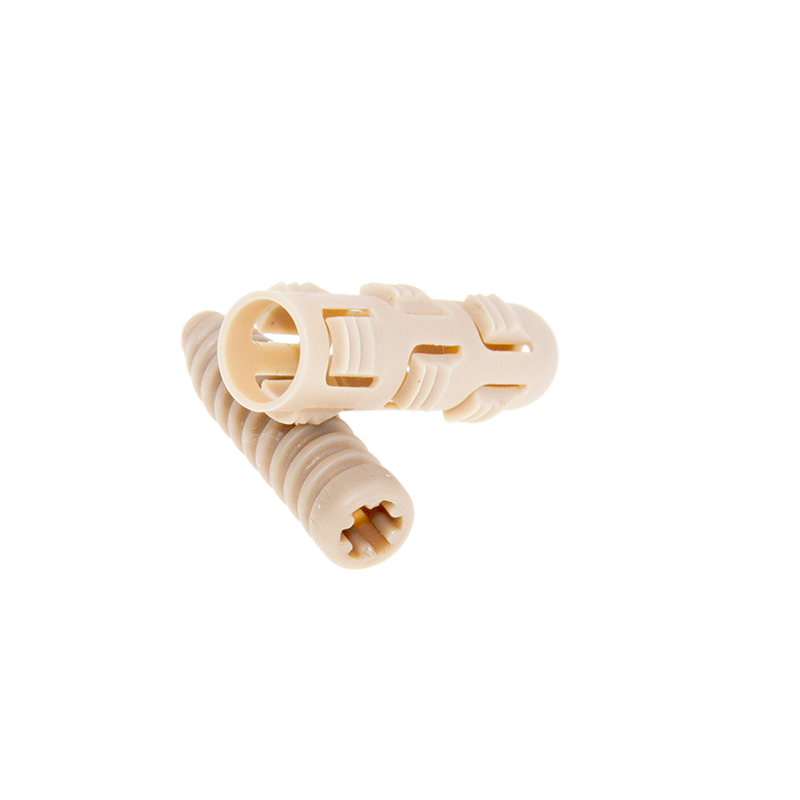
| Available Sizes | Φ4.5, Φ5.5, Φ6.5 |
| Anchor Material | PEEK |
| Qualification | ISO13485 / NMPA |
| Package | Sterile Packaging 1pcs/package |
| MOQ | 1 Pcs |
| Supply Ability | 1000+ Pieces per Month |
Surgical Operation Overview
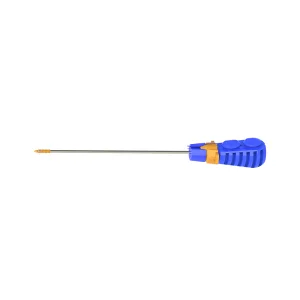
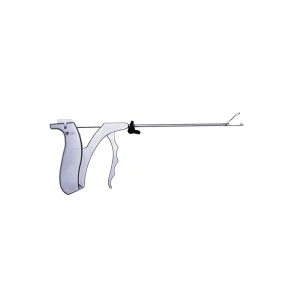
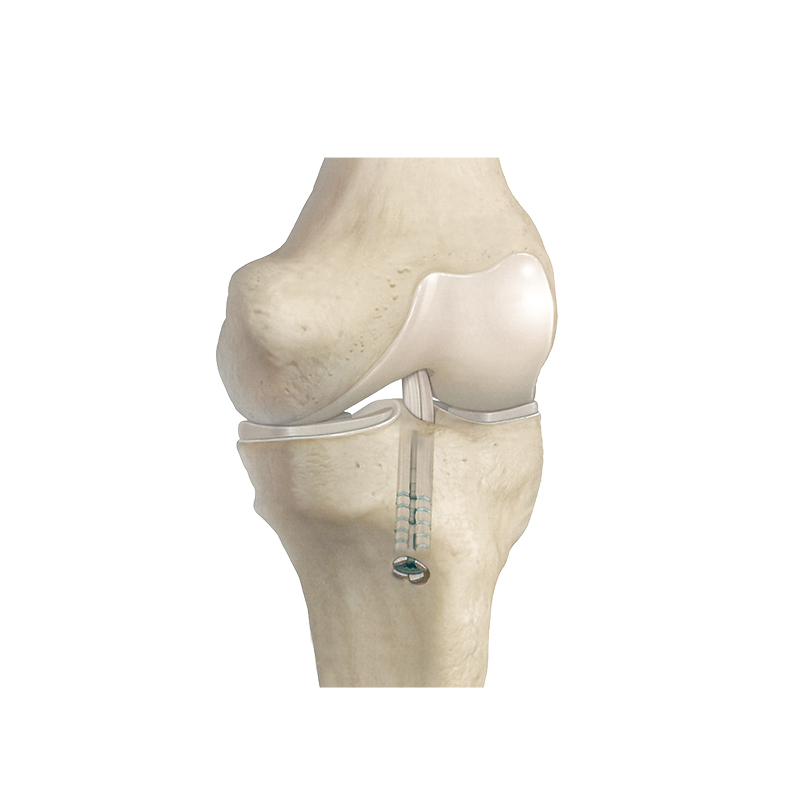
The screw and sheath system is commonly used in orthopedic surgery for various applications, such as fixation of bone fractures or ligament repairs. Here is a general overview of the operation of the screw and sheath system:
Pre-operative planning
The surgeon will assess the patient's condition, review medical imaging (such as X-rays or MRI scans), and determine the appropriate size and type of screws and sheaths required for the procedure.
Incision and exposure
The surgeon will make an incision at the surgical site to access the affected area. Soft tissues, muscles, and other structures are carefully moved aside or retracted to expose the bone or ligament that requires repair.
Drilling pilot holes
Using specialized surgical drills, the surgeon will carefully create pilot holes in the bone to accommodate the screws. These pilot holes ensure proper placement and stability of the screws.
Inserting the sheath
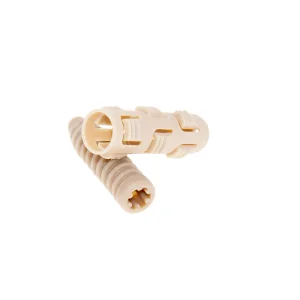
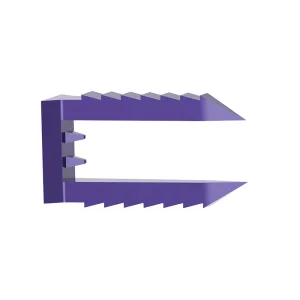
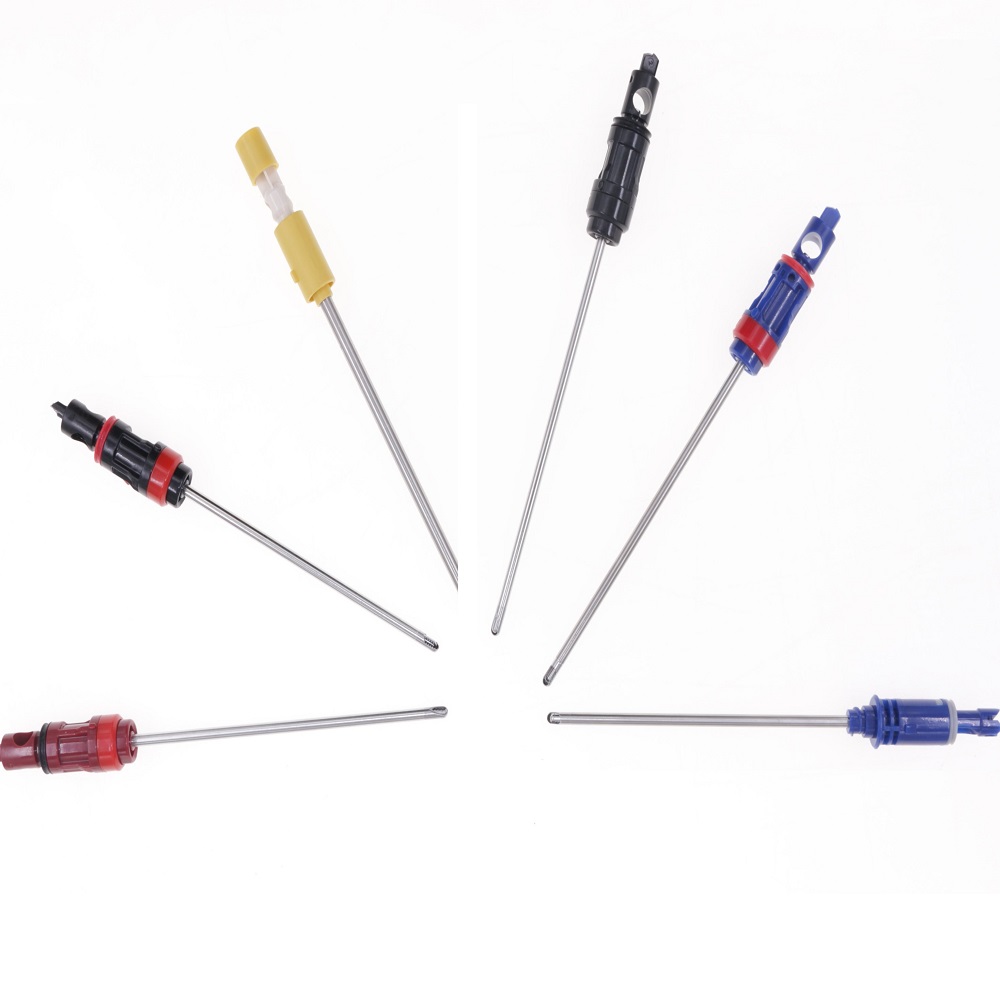
The sheath is a hollow tube-like structure that is inserted into the pilot hole. It acts as a guide, protecting the surrounding soft tissues and allowing precise placement of the screw.
Screw placement
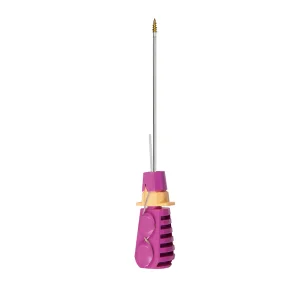
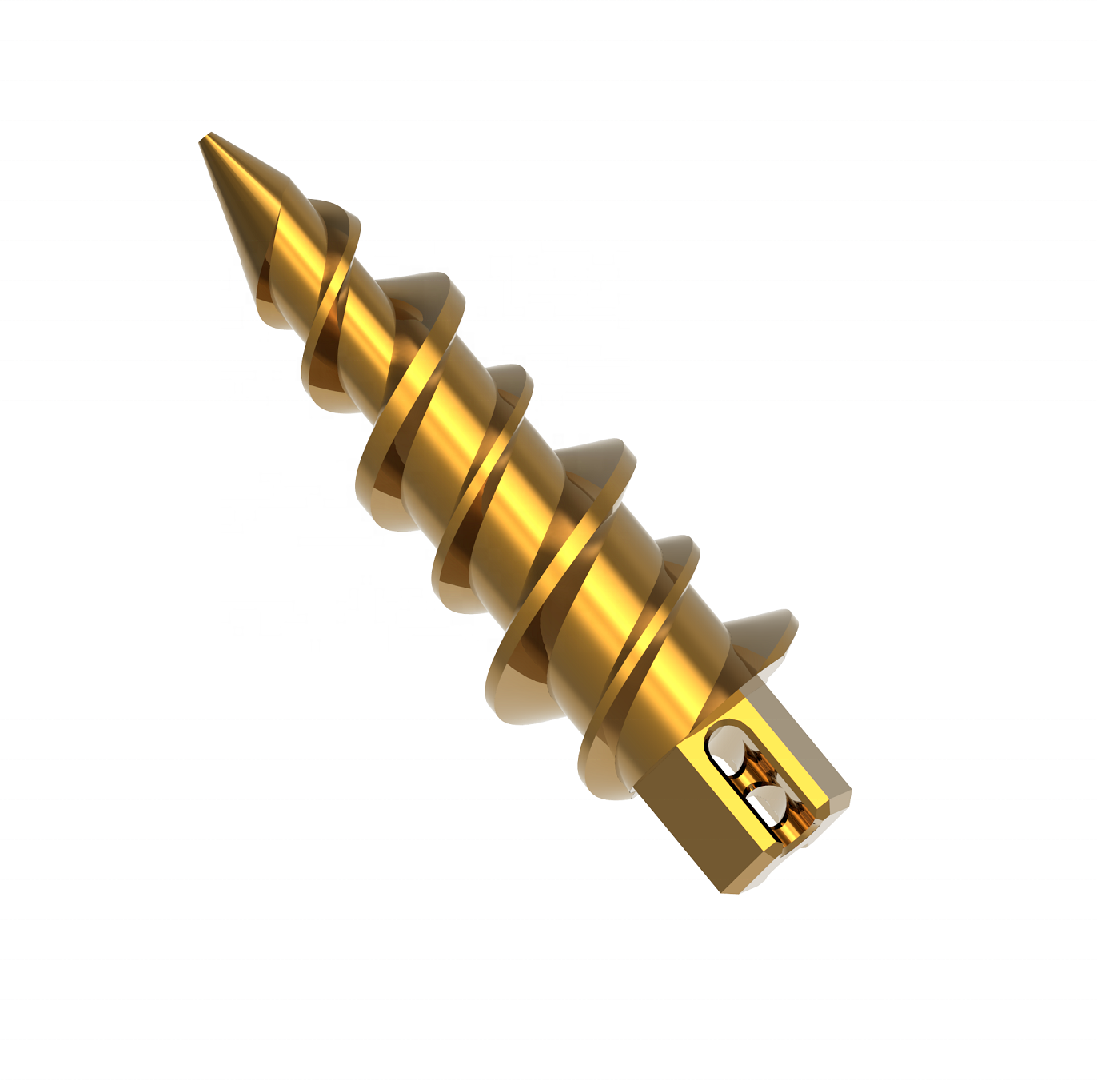
The screw, typically made of titanium or stainless steel, is inserted through the sheath and into the pilot hole. The screw is threaded and can be tightened to fixate the bone or connect two pieces of bone together.
Securing the screw
Once the screw is fully inserted, the surgeon may use a screwdriver or other appropriate tools to secure the screw in its final position. This may involve tightening the screw to achieve the desired compression or stabilization.
Closure
Once the screw and sheath are properly placed and secured, the surgeon will close the incision using sutures or staples. The wound is then cleaned and dressed.
Please Note: The screw and sheath system's operation can vary depending on the specific procedure and the anatomical location involved. The surgeon's expertise and experience are essential in ensuring accurate placement and optimal results.
Frequently Asked Questions
The system is intended for the fixation of tissue, including ligament or tendon to bone, or a bone/tendon to bone construct, as well as the fixation of bone fractures or ligament repairs.
Interference fixation is appropriate for surgeries of the knee, shoulder, elbow, ankle, foot, and hand/wrist where the provided sizes fit the patient's anatomy.
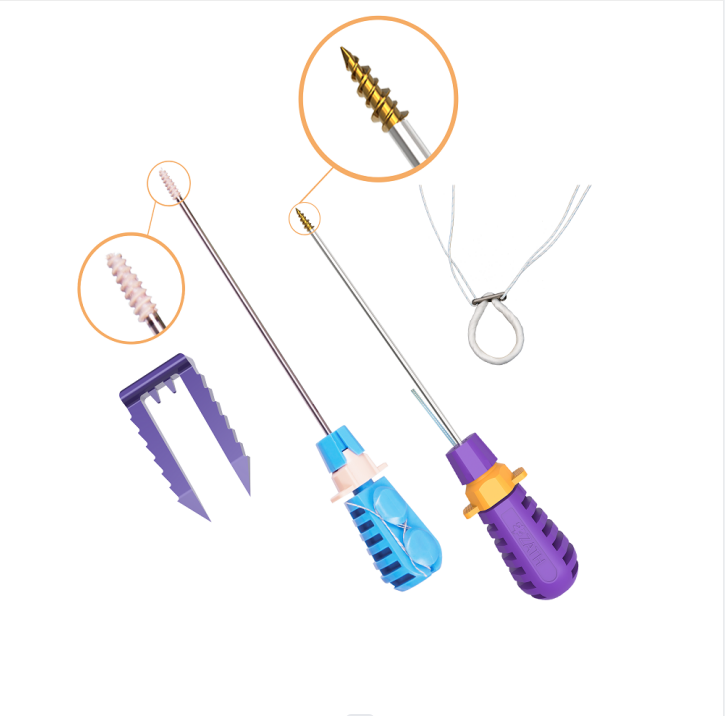
The anchor material is high-performance PEEK, while the screws are typically constructed from titanium or stainless steel for optimal stabilization.
The screw and sheath system is offered in standard sizes of Φ4.5, Φ5.5, and Φ6.5.
The sheath is a hollow tube-like guide inserted into the pilot hole. It protects surrounding soft tissues and enables accurate, guided placement of the screw into the bone.
The product is certified under ISO13485/NMPA quality standards, delivered individually in sterile packaging (1 pcs/package), with a minimum order quantity (MOQ) of 1 piece.