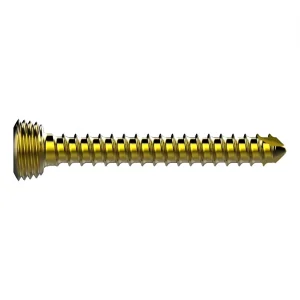
Featured Intramedullary Nail Instrument Sets
High-precision orthopedic instrumentation sets calibrated for Indian anatomical geometries, multi-radius femoral curves, and rapid closed-reduction osteosynthesis.
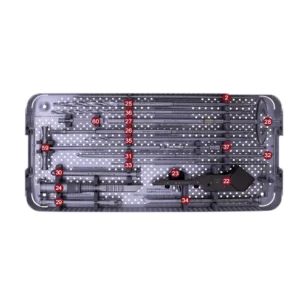
Surgical InterZan Intramedullary Nail Instrument Set (India Series)
Request Quotation & Specs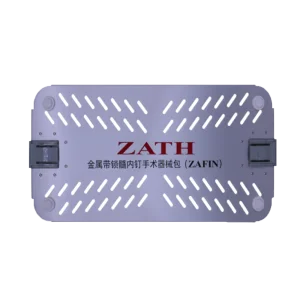
Medical Bone Surgery ZAFIN Femoral Nail Instrument Set
Request Quotation & Specs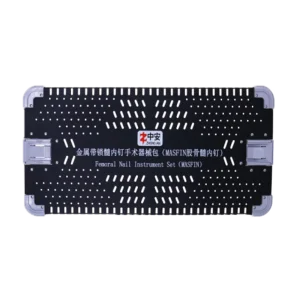
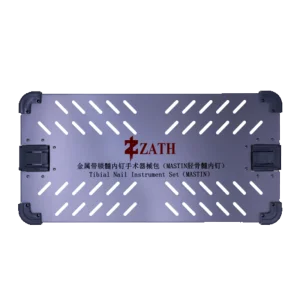
MASTIN Expert Tibial Intramedullary Nail Instrument Set
Request Quotation & SpecsCurrent Orthopedic Trauma Landscape in India
Evaluating the clinical velocity, demographic pressure, and institutional purchasing mechanisms shaping intramedullary instrumentation procurement across the Indian subcontinent.
High-Volume Trauma Burden
India bears one of the world's highest road traffic collision (RTC) burdens, generating in excess of 450,000 recorded severe trauma events annually. Diaphyseal femoral, subtrochanteric, and tibial fractures constitute over 58% of surgical admissions in regional government medical colleges and apex tertiary trauma care centers (AIIMS, PGI Chandigarh, and King Edward Memorial).
- Severe comminution demanding rigid interlocking stability
- High patient volume necessitating fast OR turnaround
- Ergonomic jigs engineered for rapid distal locking accuracy
Ayushman Bharat & Tender Caps
The aggressive expansion of the Pradhan Mantri Jan Arogya Yojana (AB PM-JAY), coupled with Central Government Health Scheme (CGHS) packages, has instituted standardized package pricing for internal fracture fixation. Healthcare administrators and private nursing homes face capped reimbursement margins, making excessive multi-national instrument markups economically unfeasible.
- Mandatory requirement for competitive unit tray pricing
- Elimination of unneeded single-use proprietary consumables
- Standardized GeM (Government e-Marketplace) compliance
Tier-1 vs Tier-2/3 Hospital Divide
While metro private hospital chains (Apollo, Fortis, Max, Manipal) invest in radiolucent carbon-fiber targeting arms and navigated C-arm compatible instrumentation, Tier-2 and Tier-3 district hospitals prioritize high-durability, anti-corrosive surgical stainless steel sets capable of withstanding rough daily steam-autoclave cycles without mechanical decalibration.
- Resistance to high-frequency steam autoclave wear
- Universal driver bits minimizing intraoperative delays
- Modular spare-part availability across Indian state hubs
Metallurgy, Jig Mechanics & Design Architecture
How advanced alloys, cannulated reaming dynamics, and radiolucent materials eliminate fluoroscopy parallax error and shorten surgical operating time.
Aviation-Grade Carbon Fiber & Al-Alloy
Proximal targeting brackets and outrigger arms are precision-engineered utilizing continuous-weave carbon fiber or hard-anodized high-yield aluminum. Under C-arm image intensifiers, carbon-fiber constructs exhibit zero radio-opacity, providing uninterrupted visualization of nail seating, trochanteric entry portals, and lateral screw progression without fluoroscopic shadow interference.
Medical Metallurgy: 316LVM & Custom 455
Cannulated reamer heads, flexible drive shafts, and tissue protectors undergo vacuum heat-treatment utilizing implant-grade AISI 316LVM (ASTM F138) and precipitation-hardened Custom 455 stainless steel. This metallurgy guarantees superior yield strength, exceptional torsion transfer during intramedullary canal preparation, and complete immunity to pitting corrosion in high-saline washing environments.
Sub-Micron Calibration & Quick-Coupling
Every outrigger sleeve, drill guide, and trocar undergoes CNC coordinate measuring machine (CMM) verification with dimensional deviations held below ±0.02 mm. Our proprietary snap-in quick-coupling mechanisms allow swift single-handed intraoperative assembly, preventing drill bit deflection and eccentric screw seating even through dense sclerotic bone.
Intramedullary Nail Instrument Pricelist & Cost Analysis
Indicative B2B export pricing, institutional tender benchmarks, and total cost of ownership (TCO) modeling for Indian healthcare distributors and procurement directors.
| System Nomenclature | Primary Clinical Application | Frame Metallurgy | Sterilization Durability | Indicative Price Range (USD / INR CIF) |
|---|---|---|---|---|
| InterZan / PFNA Trochanteric System | Pertrochanteric & Subtrochanteric Fractures | Carbon-Fiber Radiolucent / SS 316LVM | > 500 Autoclave Cycles | $1,450 – $2,200 / ₹1,20,000 – ₹1,82,000 |
| ZAFIN Expert Femoral Nail Kit | Antegrade & Retrograde Diaphyseal Femur | Aviation Al-Alloy + Hard Anodized Jigs | > 450 Autoclave Cycles | $1,200 – $1,850 / ₹99,000 – ₹1,53,000 |
| MASTIN Expert Tibial Nail Set | Proximal, Diaphyseal & Distal Tibia Fixation | Medical SS 316LVM + Quick-Connect Drives | > 600 Autoclave Cycles | $1,100 – $1,650 / ₹91,000 – ₹1,36,000 |
| ZEIN Elastic Nail (TEN) Set | Pediatric Long Bone & Clavicle Fractures | Stainless Steel 316LVM / Ergonomic Grips | > 650 Autoclave Cycles | $650 – $980 / ₹54,000 – ₹81,000 |
| Flexible Intramedullary Reamer System | Canal Preparation (Femur, Tibia, Humerus) | Nitinol Core + Reverse-Cut SS Flutes | > 400 Autoclave Cycles | $850 – $1,400 / ₹70,000 – ₹1,16,000 |
Key Procurement Factors Dictating Pricelist Variances in India
1. Jig Metallurgical Matrix: Hybrid frames utilizing radiolucent carbon fiber increase production costs by 25–35% compared to monolithic stainless steel, but drastically lower intraoperative radiation exposure for Indian theater staff and virtually eliminate aiming reticle parallax.
2. Modular Instrument Container Systems: Surgical trays housed within double-layer hard-anodized aluminum perforated baskets featuring silicone positioning brackets maintain strict sterilization integrity according to ISO 11607 standards, safeguarding instrument alignment against rough logistics across Indian regional distribution depots.
3. Direct-from-Manufacturer OEM Economies: By sourcing directly from an ISO 13485 accredited enterprise like ZATH, Indian medical device distributors capture 40% to 55% margin advantages over buying from multi-tier intermediaries, enabling aggressive bidding on both Ayushman Bharat state-level rate contracts and corporate private healthcare annual tenders.
CDSCO Regulations, Licensing & Indian Logistics
Navigating the Central Drugs Standard Control Organization (CDSCO) framework to ensure legally compliant, seamless importation and clinical deployment.
CDSCO Medical Device Rules (MDR 2017)
Under India's Medical Device Rules, orthopedic implants and related invasive surgical instrumentation sets are classified as Class C (moderate-high risk) and Class B medical devices. Sourcing partners require comprehensive technical documentation including Device Master Files (DMF), Plant Master Files (PMF), Free Sale Certificates (FSC), and valid ISO 13485 credentials.
- Form MD-14 application dossier preparation support
- Assistance in procuring Form MD-15 Import Licenses
- Full audit trails compliant with Central Licensing Authorities
Fast-Track Air Freight & Customs Clearance
Surgical disruptions are critical risks. We partner with Tier-1 logistics networks (DHL Medical Express, FedEx Priority, and air cargo routes into Indira Gandhi International Airport New Delhi, Chhatrapati Shivaji Maharaj Airport Mumbai, and Kempegowda Bengaluru). Shipments clear with pre-validated HS Code classification (9021.10 / 9018.90) for frictionless customs inspection.
- Air transit arrival in 4 to 6 business days
- Tamper-evident, sterile barrier export crating
- Consignment tracking with real-time temperature/shock alerts
Authorized Agent & Distributor Enablement
We work synergistically with Authorized Indian Representatives (AIR) to maintain post-market clinical surveillance, handle hospital biomedical evaluations, and provide continuous technical workshops. We supply complete instrument replacement components (drill sleeves, trocar pins, retaining screwdrivers) so trays never go out of commission in regional Indian facilities.
- Comprehensive surgical technique guides & video tutorials
- Individual replacement parts available on demand
- OEM private labeling and laser etching for established brands
Technology Roadmap: Next-Gen IM Nailing
Bridging traditional closed-reduction internal fixation with smart instrumentation, digital surgical navigation, and bio-inert functionalization.
Carbon-Fiber Radiolucency
Complete elimination of metallic fluoroscopic interference in proximal aiming arms, enhancing intraoperative verification of anteversion and cephalomedullary lag screw placement.
Electromagnetic Distal Guidance
Radiation-free distal locking systems utilizing real-time magnetic field sensors. Dramatically cuts surgical exposure times and removes the need for free-hand fluoroscopic aiming in crowded theaters.
Diamond-Like Carbon (DLC)
Applying amorphous DLC low-friction, high-hardness protective films to cutting edges, cannulated sleeves, and taps to prolong sharp edge durability over 800+ hospital processing cycles.
Smart Sensor Feedback
Integrating micro-torque measuring drivers and digital depth sensors to prevent screw-stripping in osteoporotic elderly bone and verify precise bicortical purchase autonomously.
Frequently Asked Questions for Indian Buyers
Direct clinical, financial, and regulatory clarifications addressing the questions raised most often by biomedical hospital engineers and orthopedic dealers in India.
How does ZATH support CDSCO registration and import licensing for Indian distributors?
ZATH provides a complete regulatory dossier including ISO 13485 certification, CE / Free Sale Certificates (FSC), Device Master Files (DMF), and Plant Master Files (PMF) formatted to Central Drugs Standard Control Organization (CDSCO) standards. We work closely with your appointed Authorized Indian Representative (AIR) to facilitate rapid issuance of Form MD-14 import registration and Form MD-15 commercial import licenses.
Are ZATH intramedullary nail instrument sets compatible with existing standard implants in India?
Yes. Our instrument sets are engineered around internationally recognized AO/ASIF orthopedic design guidelines. We manufacture both standardized universal driver/reamer interfaces and dedicated system-specific connections (e.g., InterZan lag screw and compression screw configurations, standard PFNA helical blade drivers, and expert retrograde femoral aiming jigs). Custom thread matching and driving geometries can also be engineered via OEM specification.
What is the expected operational lifespan of the instrument set under heavy hospital autoclave usage?
Our instruments are manufactured from vacuum-hardened AISI 316LVM medical stainless steel and hard-anodized aviation alloys, engineered to endure over 500 standard prevacuum steam sterilization cycles (134°C / 273°F at 2.1 bar) without dimensional warping, reticle misalignment, or loss of drill sleeve concentricity. Modular replacement components can be dispatched independently without needing to purchase an entirely new tray.
What are the minimum order quantities (MOQ) and lead times for shipping to Mumbai, Delhi, or Chennai?
For standard catalog configurations, our MOQ starts at just 1 complete surgical instrument set, allowing Indian clinical evaluation teams to run trial biomedical and surgical validations. Commercial distributor consignments typically ship within 7–14 days of order placement, with express international air transit (DHL, FedEx Medical Express) reaching major Indian metro cargo terminals within 4 to 6 working days.
Can you provide customized OEM laser engraving, hospital color branding, and customized tray graphics?
Absolutely. We provide comprehensive OEM/ODM solutions. Indian distributors and medical supply brands can specify bespoke laser-etched branding, specific product reference coding, color-coded anodization for quick instrument identification, and tailored graphic layouts on the aluminum sterilization storage containers to match specific institutional tender requirements.
How does ZATH maintain competitive pricing against domestic Indian and Western multinational suppliers?
By housing all machining operations—multi-axis CNC milling, wire EDM cutting, surface treatment, laser marking, and sterile packaging—inside our centralized 2009-established Beijing production hub, we bypass intermediary brokerage costs. Our pricing delivers a 40–55% cost advantage over Western multinational conglomerates while providing higher metallurgical precision, tighter tolerances, and longer autoclave longevity than local low-grade workshops.
Trauma, Spine & Sports Medicine Solutions
ISO 13485 sterile-ready orthopedic implant sets, cannulated trauma tools, and spinal fixation instruments available for container and consolidated shipment to India.
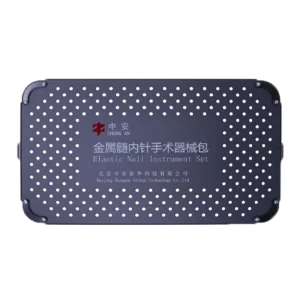
CE Certification Elastic Nail Instrument Set (ZEIN) Supplier, Factories
Request Quotation & Specs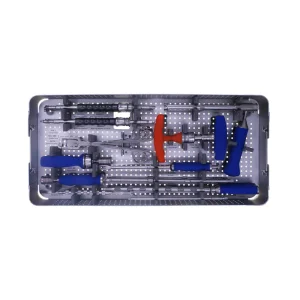
CE Certification Zipper 6.0 System Spinal Internal Fixation Instrument Exclusive Set
Request Quotation & Specs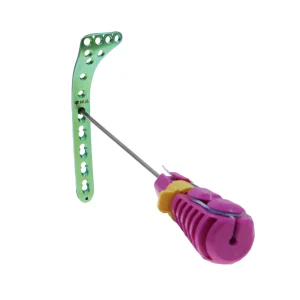
CE Certification CE Approved Hospital Use All Suture Anchor Titanium With Needle
Request Quotation & Specs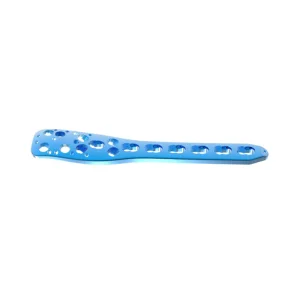
Famous Proximal Humerus Locking Compression Plate III Exporters, Product
Request Quotation & Specs
Wholesale SuperFix P Knotless Suture Anchor Manufacturer, Suppliers
Request Quotation & Specs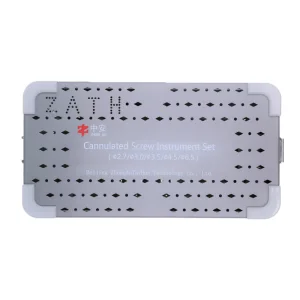
Orthopedic Surgical Instruments Stainless Steel Cannulated Screw Instrument Set
Request Quotation & Specs
Famous Surgical InterZan Intramedullary Nail Instrument Set Factory, Quotes
Request Quotation & Specs