Famous Proximal Humerus Locking Compression Plate III Exporters, Product

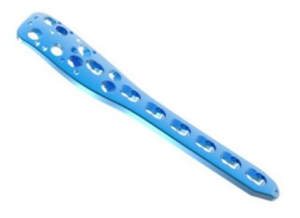
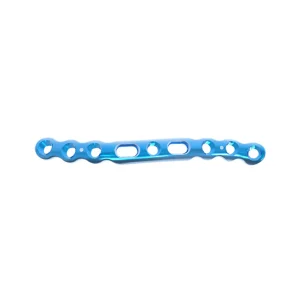
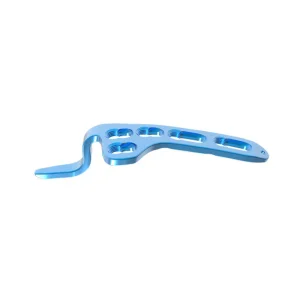
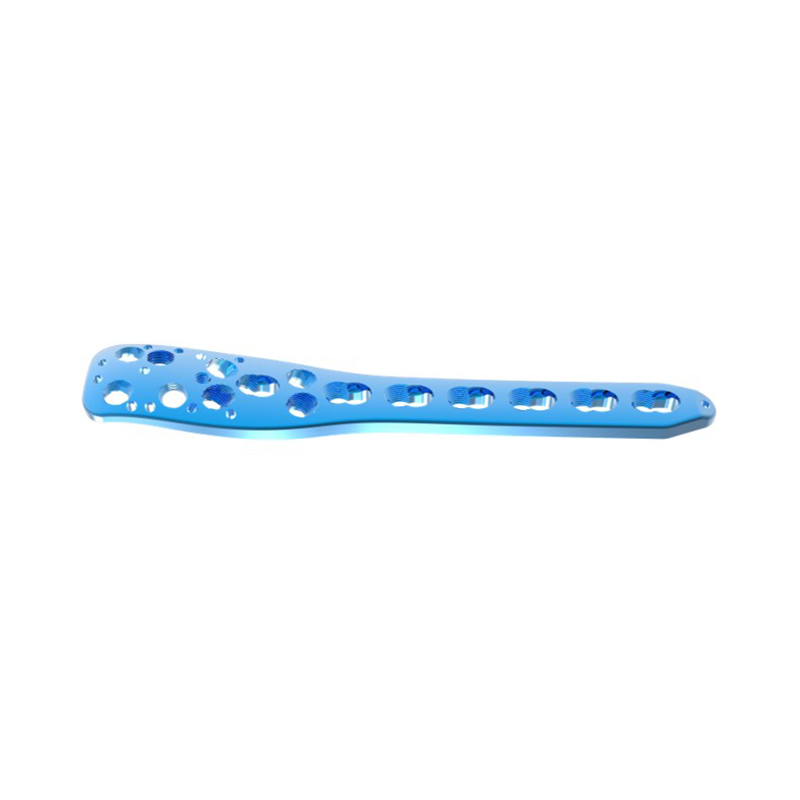
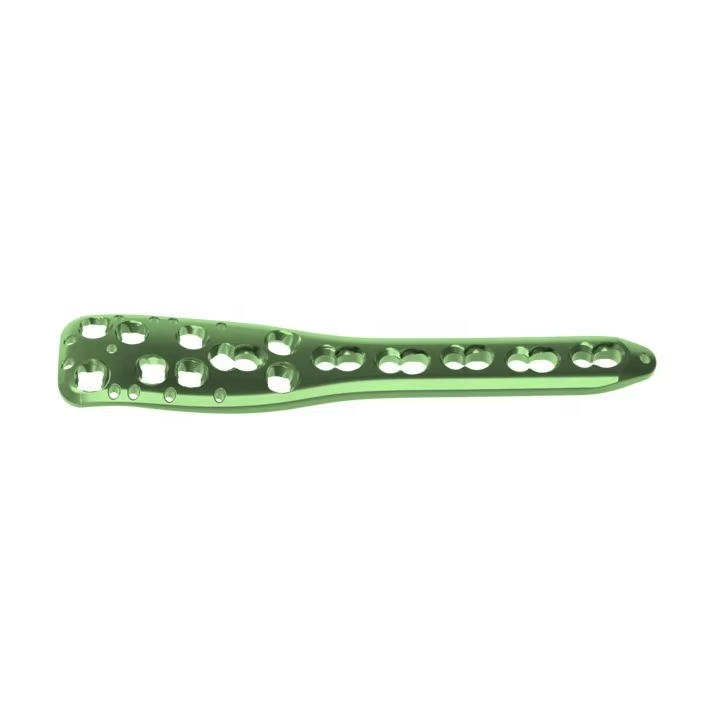
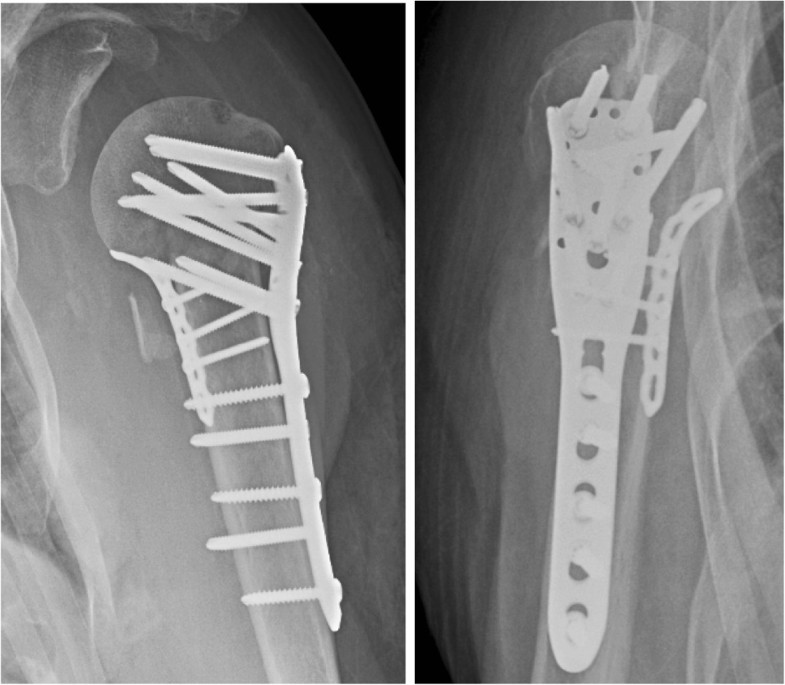
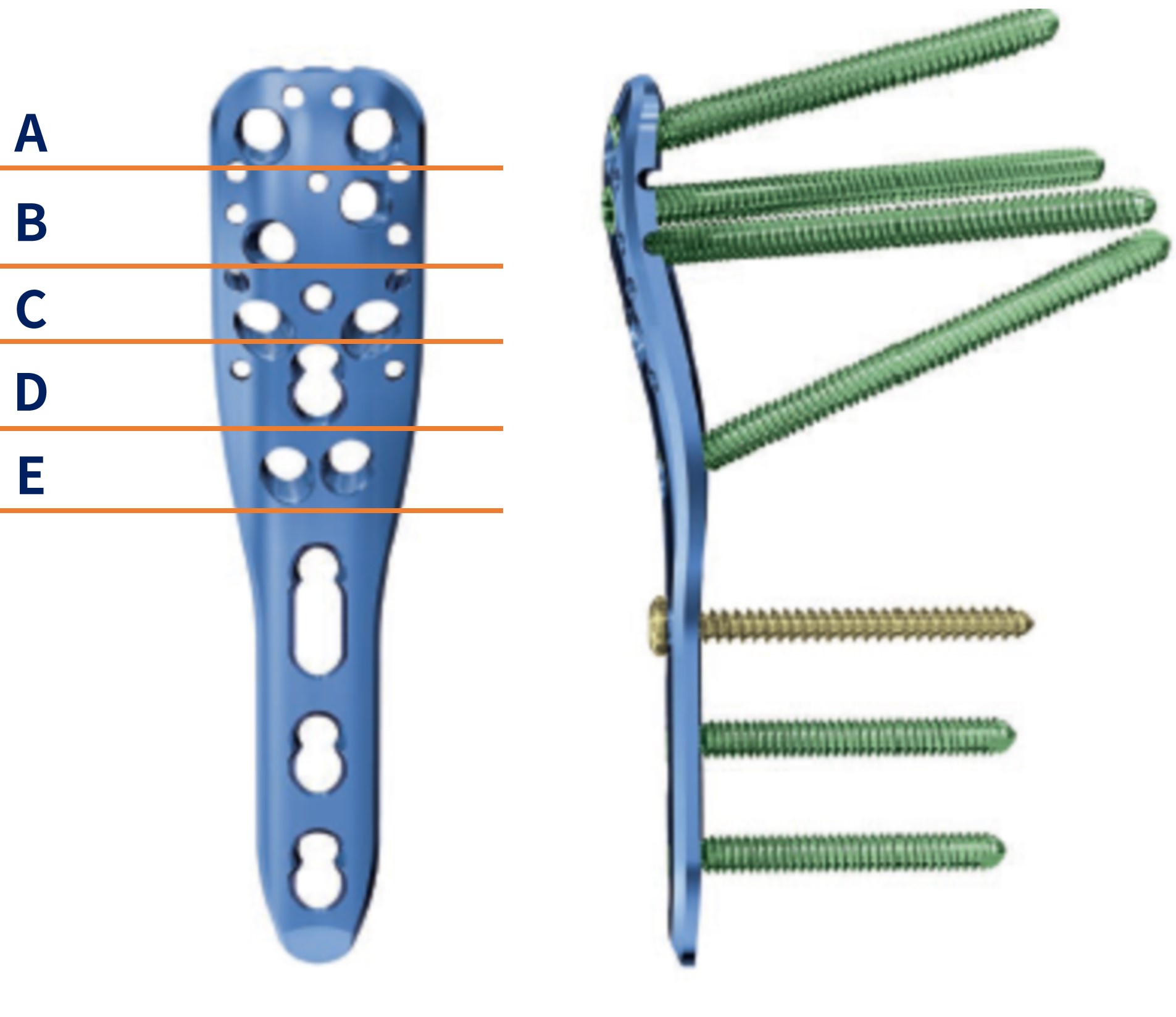
The proximal humerus locking compression plate is a medical device commonly used in the treatment of fractures and complex injuries of the upper arm bone, known as the proximal humerus. This plate system consists of a set of screws and plates that are designed to stabilize and compress the fractured bone, aiding in its healing process.

Product Description

Proximal Humerus Locking Compression Plate III
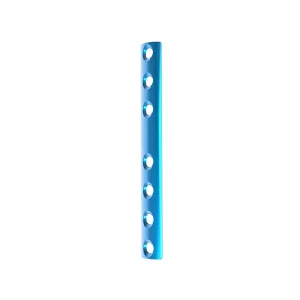
Holes & Lengths 3 holes × 88mm
4 holes × 100mm
5 holes × 112mm
6 holes × 124mm
7 holes × 136mm
8 holes × 148mm
9 holes × 160mm
Width 12.0mm
Thickness 4.3mm
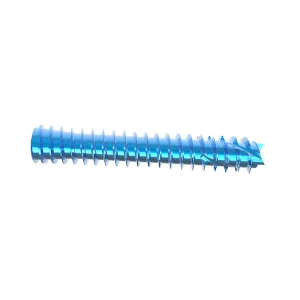
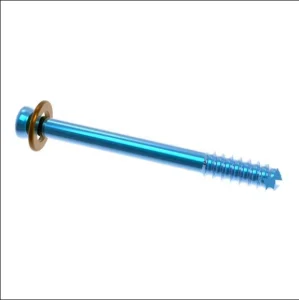
Matching Screw 3.5 Locking Screw / 3.5 Cortical Screw / 4.0 Cancellous Screw
Material Titanium
Surface Treatment Micro-arc Oxidation
Qualification CE / ISO13485 / NMPA
Package Sterile Packaging, 1 pcs/package
MOQ 1 Pcs
Supply Ability 1000+ Pieces per Month
Key Clinical Features & Indications
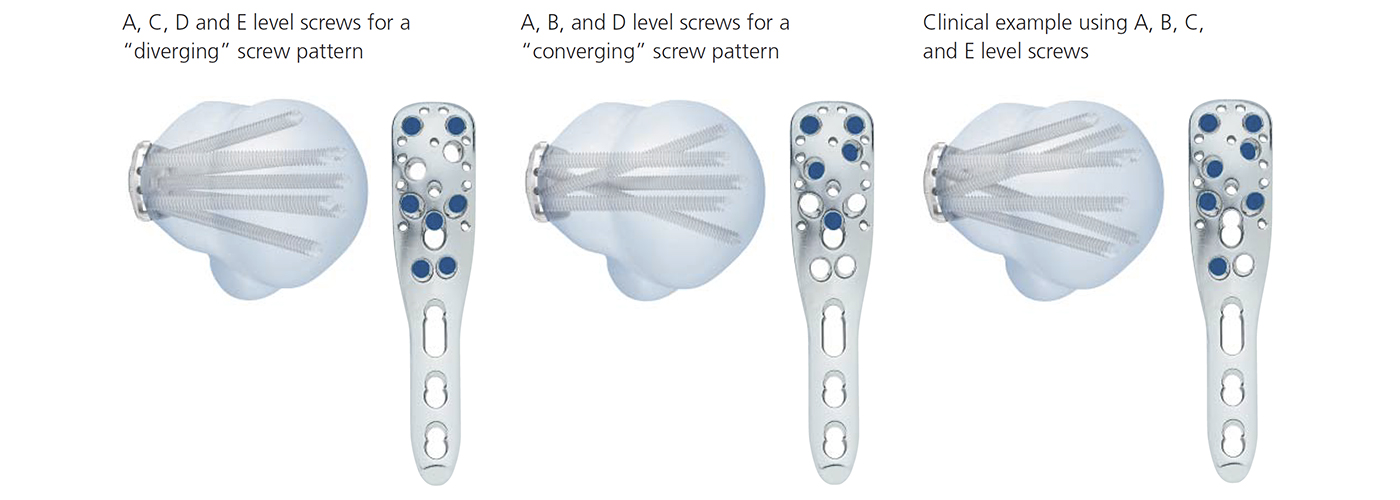
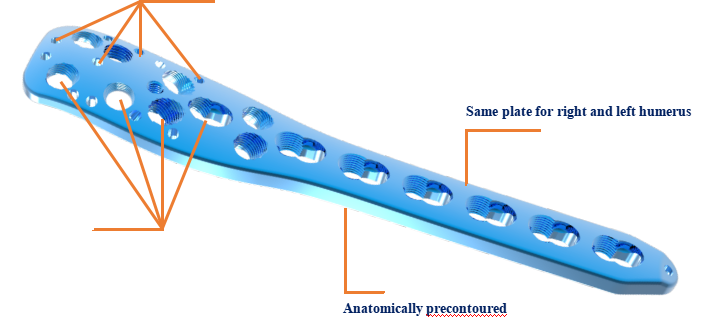
Proximal Locking Holes
  • Provide flexibility in screw placement, allowing diverse constructs.
  • Permit multiple points of fixation to support the humeral head.
Clinical Indications
  • Dislocated two-, three-, and four-fragment fractures of the proximal humerus, including fractures involving osteopenic bone.
  • Pseudarthroses in the proximal humerus.
  • Osteotomies in the proximal humerus.
Biomechanical Advantages
  • Undercuts reduce impairment of periosteal blood supply.
  • Available sterile-packed for maximum procedural safety.
Product Description & Mechanism

The locking compression plate is made of a sturdy titanium alloy, which provides strength and stability to the fractured bone. The plate is anatomically contoured to match the shape of the proximal humerus, ensuring a better fit and reducing the risk of implant failure. It is available in various sizes to accommodate different patient anatomies.

The main advantage of the humerus locking plate is its ability to provide both stability and compression to the fractured bone. The locking screws fixate the plate to the bone, preventing any movement at the fracture site. This promotes proper alignment of the bone fragments, allowing for optimal healing. The compression screws, on the other hand, pull the bone fragments together, ensuring that they remain in close contact and facilitating the formation of new bone tissue.
Frequently Asked Questions (FAQ)
Q: What are the primary clinical indications for the Proximal Humerus Locking Compression Plate III?
The plate is indicated for dislocated two-, three-, and four-fragment fractures of the proximal humerus (including fractures involving osteopenic bone), as well as pseudarthroses and osteotomies of the proximal humerus.
Q: What screws are compatible with this locking compression plate?
The system is compatible with 3.5 Locking Screws, 3.5 Cortical Screws, and 4.0 Cancellous Screws, providing surgeons with surgical flexibility for both angular stability and interfragmentary compression.
Q: How does the implant design help protect blood circulation?
The plate features engineered undercuts along its underside that minimize direct contact with the periosteum, thereby reducing impairment to local blood supply and facilitating faster bone union.
Q: What role do the ten suture holes play in fracture management?
The ten suture holes distributed around the perimeter of the proximal head allow for the reattachment and suturing of rotator cuff tendons and tuberosities, effectively assisting in maintaining anatomical reduction throughout the healing process.
Q: What material and surface finishing are utilized for this plate?
The plate is manufactured from medical-grade Titanium alloy and treated with Micro-arc Oxidation, ensuring superior biomechanical strength, corrosion resistance, and tissue compatibility.
Q: What quality standards and certifications does this product adhere to?
The implant is fully certified under CE, ISO13485, and NMPA standards, and is supplied individually in sterile packaging with a minimum order quantity (MOQ) of 1 piece.

Related Products