
Class IIa/IIb Medical Device QMS Certification
CNC Swiss-Turned Micro Tolerancing
Quotation & Rapid Melbourne Air Logistics
Autoclave Passivation & Hardness Verification
Featured Hip Arthroplasty Instrument Systems
High-integrity reamers, cup impactors, offset broach handles, and precision acetabular reconstruction tooling deployed in Melbourne surgical operating suites.
-
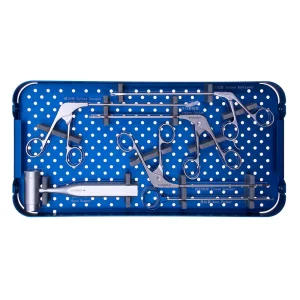 Arthroscopic • Soft TissueView System SpecsOEM Shoulder Arthroscopy Instrument set Supplier, Product
-
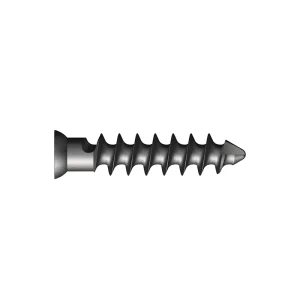 Cup Fixation • TitaniumView System SpecsODM Titanium FDN Acetabular Screw Exporters, Service
-
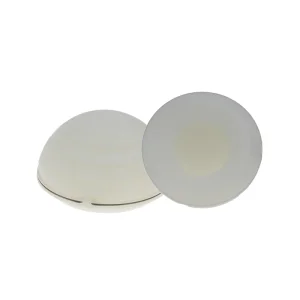 Joint Arthroplasty • UHMWPEView System SpecsHigh-Quality TDC Cemented Acetabular Cup Artificial hip Joint Prosthesis Supplier, Suppliers
-
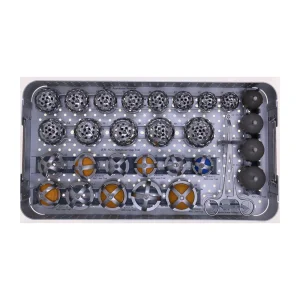 Universal Tooling • AcetabularView System SpecsHigh-Quality Hip Joint Replacement Universal Instrument Set (Acetabular Part) Exporter, Products
The Melbourne Orthopedic Ecosystem: Procurement Pressures & Clinical Precision
The Greater Melbourne healthcare system, spanning Victoria's world-class Parkville Biomedical Precinct, major public teaching networks (such as Melbourne Health, Alfred Health, Austin Health, and St Vincent's Hospital Melbourne), and premier private hospital operators (including Epworth Healthcare, Cabrini Health, and Ramsay Health Care), faces unprecedented arthroplasty volume demands. Driven by an active, aging demographic across Victoria, public elective surgery backlogs continue to challenge procurement directors, while private hospitals aggressively transition toward rapid recovery protocols, Day-Surgery THA, and minimally invasive techniques.
Total Hip Arthroplasty (THA) instruments deployed within Victorian operating theatres are subject to stringent mechanical, metallurgical, and sterilization standards under the Australian Therapeutic Goods Administration (TGA) regulatory umbrella. In this clinical landscape, surgical instruments are not merely auxiliary hardware; they dictate operative duration, perioperative bone preservation, mechanical alignment reproducibility, and long-term implant survival rates.
Direct Anterior Approach (DAA) vs. Posterior Approach in Victoria
A noticeable clinical trend across Melbourne's orthopedic centers is the accelerated adoption of muscle-sparing Direct Anterior Approach (DAA) procedures. DAA demands sophisticated offset femoral broach handles, curved rasp configurations, and multi-angle acetabular reamer drivers capable of navigating narrow anatomical corridors without stressing soft-tissue envelopes or impinging on the tensor fasciae latae.
Our instrument designs address these specific biomechanical constraints by incorporating ergonomic counter-curvatures, quick-release positive locking ball detents, and optimized clearance ratios, giving Victorian surgeons unhindered tactile feedback during primary femoral canal preparation and press-fit cup seating.
Overcoming the Sterilization & Central Sterile Services (CSSD) Bottleneck
Melbourne CSSD managers operate under strict AS/NZS 4187:2014 standards (Reprocessing of reusable medical devices in health service organizations). High-volume instrument turnaround demands:
- Demountable Cannulations: Instruments that dismantle rapidly without specialized workshop tools to ensure full enzymatic detergent penetration during ultrasonic washing.
- Optimized Tray Ergonomics: Lightweight, aircraft-grade anodized aluminum containers that enhance autoclave steam evacuation and dramatically reduce wet pack incidents.
- Corrosion Resistance: High-chromium martensitic stainless steels (17-4PH and AISI 420B) passivated under ASTM F86 to survive aggressive thermal disinfection cycles without pitting or hinge seizure.
Victorian Procurement Matrix
Evaluating vendor capability requires assessing both engineering tolerances and compliance documentation. The table below highlights how our surgical tooling integrates into Victorian hospital pathways:
ISO 13485:2016 Certified QMS, TGA conformity alignment, full raw-material mill certificates with heat-lot traceability.
Custom vacuum-heat-treated 17-4PH stainless steel and Grade 5 Ti-6Al-4V ELI (ASTM F136) ensuring 48-52 HRC edge retention on reamers.
Direct priority air-freight into Melbourne Airport (Tullamarine) with clearance handling via DHL Express / FedEx Healthcare Cold/Dry logistics within 4-6 business days.
Australian Registry Integration
Instrument accuracy directly impacts registry performance recorded by the Australian Orthopaedic Association National Joint Replacement Registry (AOANJRR). Accurate femoral sizing and acetabular version reduce aseptic loosening revisions.
AOANJRR Aligned AccuracyGlobal Industry Trends: Re-Engineering Arthroplasty Sourcing
From monolithic OEM dependencies to agile, open-architecture surgical instrument ecosystems that safeguard hospital operating margins.
Kinematic Alignment & Dynamic Balancing
Modern THA has evolved past rigid systemic mechanical alignment. Surgeons now adjust cup version and femoral stem inclination based on individual pelvic-femoral dynamics. This necessitates modular, micro-adjustable angle trial handles and precise degree-calibrated impaction guides.
Robotic & Navigation Compatibility
With orthopedic robotics penetration growing rapidly across Australia, our instrument platforms incorporate optical tracking array attachment nubs and passive marker registry mounts, supporting both manual execution and robotic haptic navigation arm assistance.
Dual-Sourcing & Margin Reclamation
Healthcare networks in Oceania and Europe are reducing reliance on monopolistic tier-1 implant conglomerates whose instrumentation leasing costs erode hospital profits. Direct sourcing through qualified Tier-1 manufacturing partners unlocks 30% to 50% capital savings.
| Evaluation Parameter | Traditional Conglomerate Supply | China 4.0 Contract Manufacturing (ZATH) | Melbourne Healthcare Impact |
|---|---|---|---|
| Procurement Model | Tied-implant consignment; costly bundle sets | Direct capital purchase / OEM custom modular trays | Saves 35-45% in operating theatre setup budgets |
| Lead Times for Instrument Replacements | 8 to 16 weeks via centralized legacy depots | 3 to 4 weeks customized; 48-hr stock dispatch | Prevents OR cancellation caused by broken broach handles |
| Design Iteration Agility | Multi-year bureaucratic update schedules | Rapid CNC prototyping within 10-15 business days | Enables Melbourne surgeons to refine bespoke handles |
| Autoclave Longevity (Cycles) | 500-800 cycles before handle degradation | 1200+ cycles with PEEK & passivated 17-4PH alloy | Dramatically reduces recurring CSSD maintenance costs |
Precision CNC Metallurgy • Pinggu Base
Operating out of our advanced robotics facility in the Zhongguancun Science Park (Pinggu, Beijing), ZATH deploys multi-axis DMG MORI and Mazak machining centers, coupled with Citizen Swiss-turn lathes.
- Ultra-Clean Vacuum Heat Treatment: Eliminates residual internal stress, preventing broach deformation during heavy femoral canal compaction.
- Sub-Micron Laser Cutting & Wire EDM: Provides flawless hemispherical tooth profiles on acetabular cross-cut reamers, preventing chatter and irregular osseous reaming.
- Coordinate Measuring Machine (CMM) Verification: ZEISS 3D coordinate inspection verifying every critical dimension to ±0.005mm against CAD master models.
- Class 100,000 Cleanroom Processing: Ultrasonic multi-stage degreasing, citric passivation conforming to ASTM A967, and particle-controlled sterile barrier packaging.
Engineered for Performance: The Anatomy of Our Hip Instrument Sets
Surgical instruments are subject to extreme torsional, compressive, and vibrational loads. In total hip replacement, failed locking mechanics or blunt reaming teeth can prolong anesthesia, increase soft-tissue trauma, or compromise primary press-fit stability. Our instruments are built on three engineering pillars:
1. Rapid-Clean Acetabular Reamer Systems
Our paraxial cross-cut spherical reamer shells feature dual-cutting edge geometry stamped from hardened medical stainless steel. The open-frame parabolic dome allows bone chips to flow freely into the collection cup rather than clogging the teeth, delivering smooth, spherically true bone beds ready for biological ingrowth cup fixation.
2. Modular Double-Offset Femoral Broach Handles
Specifically balanced for anterior and anterolateral surgical approaches, the handle's double-offset axis redirects strike vectors precisely down the femoral canal shaft, preventing lateral cortical perforation. A hardened stainless-steel striker plate absorbs high-impact mallet energy, while an internal spring-loaded lever permits rapid, one-handed rasp attachment and detachment.
3. Universal Acetabular Cup Positioner & Modular Impactor
Featuring a multi-angle ball-detent locking collar, our universal cup impactor allows variable inclination (35°-45°) and anteversion (15°-25°) alignment. It supports both threaded and expandable ball-socket adapters, compatible with major universal cemented and press-fit acetabular cup systems.
Clinical Scenarios in Victorian Theatres
Tailored configurations engineered to perform seamlessly across diverse surgical approaches and specialized patient demographics.
Primary Cementless THA
Optimized for standard degenerative osteoarthritis in active patients. Features full sets of straight broach handles, modular trial heads, neck trials with multiple offsets (-4mm to +12mm), and calibrated flexible shaft reamers for high-density cortical bone.
Complex Revision Hip Reconstruction
Engineered for Paprosky Type II/III bone defect reconstruction across major Melbourne tertiary trauma centers. Includes flexible curved osteotomes, modular stem extractors, wire passer forceps, and modular bone graft impactors.
Short-Stay Day Surgery THA
Optimized for Melbourne private day clinics requiring condensed instrument footprints. Consolidates four standard trays down to two high-efficiency modular cassettes, accelerating turnover and reducing autoclaving backlogs.
Complementary Orthopedic Instrument Systems & Implants
Broadening clinical flexibility across knee, spine, joint reconstruction, and osteosynthesis trauma requirements for surgical distributors across Australasia.
-
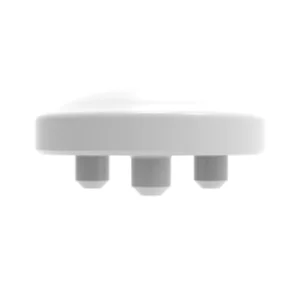 Knee Arthroplasty • PatellaView System SpecsWholesale Enable Patella knee joint component for knee replacement Suppliers, Factories
-
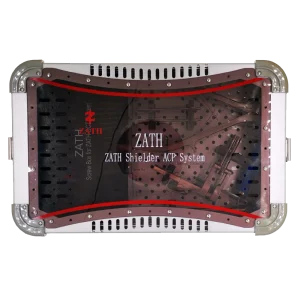 Spinal Surgery • ACP SystemView System SpecsODM Orthopedic Surgical Use Cervical ACP Plate System Instrument Set Manufacturer, Pricelist
-
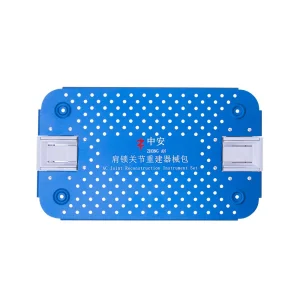 Reconstruction • AC JointView System SpecsODM AC Joint Reconstruction Instrument Set Supplier, Products
-
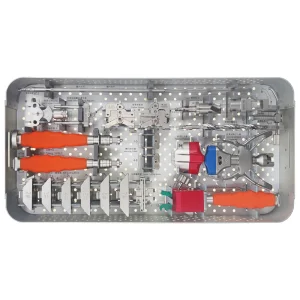 Total Knee • InstrumentationView System SpecsODM New design quality guaranteed total knee joint instruments Manufacturer, Exporter
-
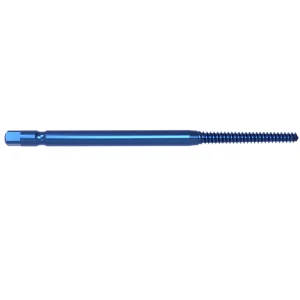 Trauma Pin • FixationView System SpecsCE Certification Pin for External Fixation Quotes, Products
-
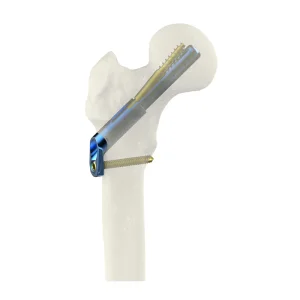 Femoral Neck • FNASView System SpecsCustom Femoral Neck Antirotation System (FNAS) Exporters, Product
-
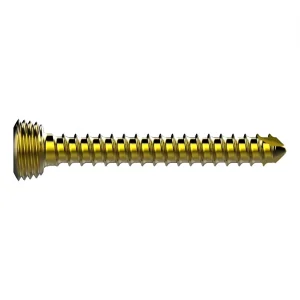 Osteosynthesis • Locking ScrewsView System SpecsOEM 2.0mm 2.7mm 3.5mm 5.0mm Locking Screw Orthopedic Screw Implants Suppliers, Companies
-
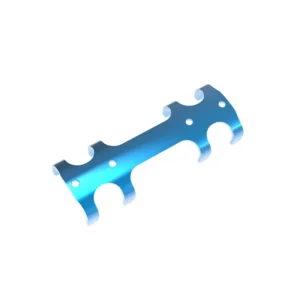 Thoracic Trauma • AO Claw PlateView System SpecsOEM Titanium Rib Claw Plate for Pectorales AO Manufacturers, Company
Frequently Asked Questions for Procurement Teams
Answers to key technical questions from hospital theatre supervisors, surgical distributors, and regulatory officers across Victoria and Australia.
Yes. We engineer universal hip instrument sets featuring modular connection hubs, standard AO coupling drives, and interchangeable femoral broach adapter heads. We can calibrate trial heads, neck trials, and acetabular impactor tips to interface smoothly with 12/14 Euro taper stems and third-party press-fit or cemented acetabular shells.
We supply comprehensive technical dossiers adhering to international Common Technical Document (CTD) formats. This includes full ISO 13485:2016 certification records, raw-material biocompatibility reports (ISO 10993 series), ultrasonic cleaning and steam sterilization validation files (ISO 17665 / AS/NZS 4187), and risk management files (ISO 14971).
We utilize vacuum-heat-treated martensitic surgical stainless steels (AISI 420B, 440C, and 17-4PH / Custom 455). Reamer tooth bands undergo cryogenic post-quenching to achieve a uniform 50-54 HRC hardness, ensuring sharp edge retention over 200+ surgical reaming cycles without edge micro-chipping.
Yes. We specialize in custom OEM/ODM handle engineering. We can adapt curvature radius, drop-angle offset, grip balance, and quick-release latch mechanisms to the ergonomic preferences of your clinical advisory board or surgeon network.
Standard off-the-shelf instrument trays and replacement spares are dispatched within 48 to 72 hours via DHL Express, FedEx, or air freight directly into Melbourne Airport (MEL). Standard transit and customs clearance typically complete within 4 to 6 business days.
All handles, shafts, and impactors feature fluid pass-through ports and tool-free disassembly pins. Our graphic sterilization cases are engineered with open-matrix silicone holding brackets and high-perforation aluminum covers that allow rapid drying during dynamic pulsed-vacuum steam sterilization cycles.
Equip Your Surgical Suites with Certified Hip Instrument Precision
Partner directly with Beijing ZhongAnTaiHua Technology Co., Ltd. (ZATH). Eliminate intermediary overheads, shorten production cycles, and provide Melbourne orthopedic surgeons with uncompromising surgical tactile control.