
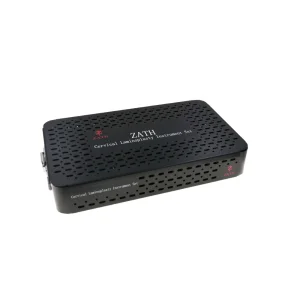
Surgical Solutions Portfolio
Trauma & Reconstructive Precision Systems
Certified surgical instrumentation and specialized orthopedic fixation systems manufactured under ISO 13485 cleanroom protocols.
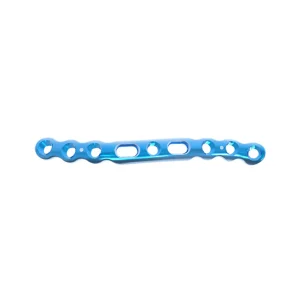
Anteromedial Clavicle Locking Compression Plate
View Specifications
Pelvic Reconstruction Plate Surgical Instrument Set
Request Pricing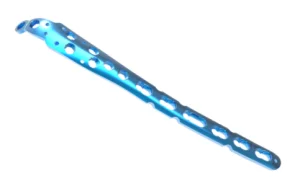
Proximal Ulna Locking Compression Plate System
Inquire Bulk Rates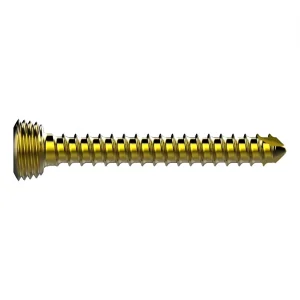
OEM Multi-Size (2.0-5.0mm) Locking Bone Screws
OEM Inquiries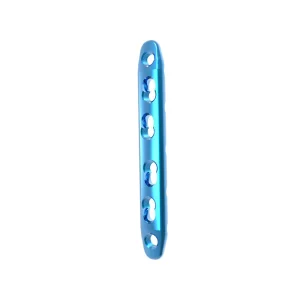
Humerus Limited Contact Locking Compression Plate
View Dimensions
Hip Joint ADC Acetabular Liner Joint Prosthesis
Explore Liner System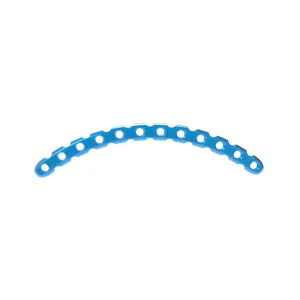
Custom Curved Reconstruction Locking Plate System
Custom Factory Quote
Biomechanical Intelligence
Evolution of Clavos Ortopédicos de Tibia in Global Orthopedic Trauma
Intramedullary nailing remains the gold standard treatment for diaphyseal and complex metaphyseal tibial fractures (AO/OTA Type 42 and select 41/43 variants). Understanding the technological transformation of tibial implants empowers distributors and health networks to procure systems with superior fusion rates and minimal revision incidence.
Multi-Planar Angular Stable Interlocking
Historical unslotted tibial nails relied on simple transverse distal bolts that frequently suffered from toggling, toggling-induced secondary loss of reduction, and screw fatigue failure in osteoporotic or comminuted bone.
Modern clavos ortopédicos de tibia incorporate multi-directional distal locking options (coronal, sagittal, and oblique locking vectors) alongside proximal multi-hole clusters. This design achieves multi-planar angular stability, transforming the nail from an internal splint into a rigid load-sharing construct capable of neutralizing rotational torque and axial shear forces across proximal and distal metaphyseal boundary zones.
- Proximal dynamic vs. static locking slots allow controlled dynamization.
- Distal tri-cortical locking geometry enhances stability in distal-third pilon extensions.
- End caps with internal set screws eliminate axial back-out and stabilize the proximal screw construct.
Suprapatellar vs. Infrapatellar Semi-Extended Nailing
A decisive paradigm shift in global trauma surgery is the migration from the traditional hyperflexed infrapatellar approach toward the suprapatellar semi-extended entry portal.
In distal or proximal third fractures, hyperflexion of the knee joint applies severe deforming forces via the quadriceps tendon and patellar ligament, frequently leading to anterior apex (recurvatum) and valgus malalignments. By positioning the knee in 15° to 20° of semi-extension, muscular tension is neutralized. Factory-engineered suprapatellar delivery cannula sets, coupled with high-precision Herzog bends (10.5° proximal bend), protect the retro-patellar articular cartilage while ensuring anatomical alignment.
- Reduces post-operative anterior knee pain by preserving infrapatellar fat pads and nerve branches.
- Simplifies intraoperative fluoroscopic imaging under lateral and AP views without manual limb repositioning.
- Demands specialized elongated instrument sets and protective soft-tissue sleeves.
Advanced Metallurgy: Medical Titanium Grade 5 ELI
The metallurgical composition directly governs clinical success. While stainless steel (ASTM F138 / 316LVM) was widely utilized due to historic machinability advantages, Tier-1 Chinese orthopedic manufacturing now centers primarily around Ti-6Al-4V ELI (ASTM F136 / ISO 5832-3).
Medical-grade Titanium Grade 5 ELI demonstrates an elastic modulus of approximately 110 GPa—significantly closer to human cortical bone (18-20 GPa) than stainless steel (200-210 GPa). This substantial reduction in biomechanical mismatch prevents stress shielding, stimulates physiological callus formation according to Wolff's Law, and exhibits superior fatigue endurance limits during cyclic weight-bearing protocols.
- Superior biocompatibility minimizing metallic ion elution and aseptic inflammatory reactions.
- High cycle fatigue threshold (>5,000,000 cycles under ASTM F1264 testing).
- Surface electrochemical anodization (Type II) reduces friction during extraction and decreases bacterial adherence.
Smart Manufacturing Ecosystem
China Industry 4.0: Precision Engineering & Supply Chain Resilience
The global orthopedic sector has experienced dramatic shifts. China's integration of high-speed Swiss-type longitudinal machining, automated cleanroom packaging, and digital QA systems delivers unparalleled production capacity, stringent quality compliance, and competitive factory quotes.
Multi-Axis Swiss Turn-Mill Centers
The fabrication of a cannulated tibial nail requires micro-concentric deep hole drilling (lengths spanning 255mm to 420mm) and simultaneous milling of complex multi-directional locking holes and distal Herzog curvature.
Utilizing automated multi-axis Swiss-type turning centers (Citizen Cincom, Star, and DMG Mori), precision gun-drilling ensures wall thickness uniformity within ±0.03mm across the entire shaft. This eliminates internal wall micro-stress concentrations, which represent the primary cause of intraoperative nail splitting or delayed breakage under fatigue loading.
100% Optical CMM & Lot Traceability
Under ISO 13485:2016 quality systems, every manufacturing batch undergoes 100% non-contact optical Coordinate Measuring Machine (CMM) dimensional verification, surface roughness assessment (Ra ≤ 0.4 μm for polished exterior, Ra ≤ 0.8 μm internally), and laser etching verification.
Full raw-material mill certificates accompany every titanium bar stock, linking ingot vacuum arc remelting (VAR) chemistry, grain size testing (ASTM E112 Grade 5 or finer), and ultimate tensile strength directly to the finished product lot number.
Supply Chain Resilience & Volume Economics
China's national Volume-Based Procurement (VBP) policy has catalyzed intense modernization across domestic medical device manufacturing. Plants have achieved hyper-efficient economies of scale, vertical supplier integration, and optimized tooling lifecycles.
For international enterprise buyers and government health tender contractors in Latin America, Southeast Asia, and the Middle East, this translated directly into a 35% to 55% procurement cost advantage over legacy European and US brands without compromising mechanical durability, ISO standards, or clinical reliability.
Procurement Intelligence Observation
"The modern standard for global orthopedic tenders is no longer merely price, but the manufacturer's capacity to deliver complete system interoperability. A premier factory providing clavos ortopédicos de tibia must furnish radiolucent carbon fiber aiming arms, titanium-nitride (TiN) coated reamer heads, flexible reamer shafts, and double-blister sterile barrier packaging validated under ISO 11607."
Enterprise Sourcing & Price Analysis
Global Enterprise Procurement: Tender Demands & Factory Quotes
Strategic procurement officers, surgical distributors, and hospital group purchasing organizations (GPOs) require transparent cost modeling and technical specifications to evaluate competitive bids for trauma implants.
| System Classification | Material Specification | Locking Mechanisms | Regulatory Requirements | Estimated Factory Quote (FOB China) | Delivery Lead Time |
|---|---|---|---|---|---|
|
Standard Cannulated Tibial Nail Infrapatellar entry, Herzog bend |
Ti-6Al-4V ELI (ASTM F136) | Distal: 2 Transverse + 1 Oblique Proximal: 3 Multi-planar |
ISO 13485, CE MDR, COFEPRIS / ANVISA | $45.00 – $75.00 / unit (Non-sterile) | 15 – 25 Business Days |
|
Suprapatellar Tibial System Semi-extended approach with sleeve |
Ti-6Al-4V ELI / Medical Grade | Multi-vector angular locking, compression end cap | ISO 13485, CE MDR / Free Sale Cert (FSC) | $78.00 – $120.00 / unit | 20 – 30 Business Days |
|
Sterile Pre-Packaged Kit Nail + 4 Locking Bolts + End Cap |
Titanium Alloy Type II Anodized | Full set with sterile tracking barcodes | ISO 11137 (Gamma/EO), ISO 11607 Blister | $95.00 – $145.00 / complete kit | 25 – 35 Business Days |
|
Stainless Steel Tibial Nail Cost-sensitive public health tenders |
316LVM (ASTM F138) | Standard transverse locking slots | ISO 13485, National MoH registration | $28.00 – $42.00 / unit | 10 – 20 Business Days |
|
Complete Surgical Instrument Set Graphic case, carbon aiming arm, reamers |
17-4PH SS + Carbon PEEK | Quick-connect radiolucent guides, reamer bits | Autoclave steam sterilization validation | $1,800.00 – $3,200.00 / set | Available ex-stock to 15 Days |
Cost Driver Decomposition
When assessing quotes for clavos ortopédicos de tibia, procurement teams should dissect unit costs across four baseline tiers:
- Raw Certified Ingot Sourcing: Titanium pricing fluctuations impact baseline billet cost by 15-20%.
- Machining Cycle Time: High-precision multi-hole drilling and cannulation require 35-45 minutes of continuous 5-axis CNC cycle time per nail.
- Surface Finishing: Electrochemical deburring, glass-bead blasting, and Type II anodization preventing intraoperative cold-welding.
- Instrument Amortization: Tier-1 factories typically loan or provide complimentary instrument containers when annual volume commitments exceed 300-500 nail units.
Tender Compliance & Documentation
Winning national trauma tenders (such as IMSS/ISSSTE in Mexico, SUS in Brazil, or MOH tenders across the GCC and Southeast Asia) requires comprehensive technical dossiers:
- Mechanical Validation: 4-point dynamic bending fatigue reports matching ASTM F1264 guidelines.
- Biocompatibility Dossiers: Full ISO 10993 cytotoxicity, sensitization, systemic toxicity, and genotoxicity certifications.
- Sterilization Validation: Cleanroom ISO 14644-1 Class 7/Class 10,000 monitoring records and bioburden testing reports per ISO 11737.
- Legalization: Apostilled Free Sale Certificates (FSC) and Manufacturer Declarations of Conformity.
Surgical Operability & Biomechanics
Localized Clinical Scenarios: Operative Indications & Surgical Protocols
Tibial intramedullary nails are applied across diverse emergency trauma environments, from specialized university medical centers performing minimally invasive surgeries to rural general hospitals managing polytrauma stabilization.
Diaphyseal Shaft Fractures (AO/OTA 42-A/B/C)
Indication: Simple, wedge, and complex comminuted mid-shaft tibial fractures resulting from high-energy road traffic accidents or sports impacts.
Operative Dynamics: Reamed intramedullary nailing represents the gold standard. Progressive flexible reaming stimulates autologous periosteal and endosteal bone dust grafting while allowing the insertion of a larger-diameter nail (typically 9.0mm to 11.0mm). This enhances mechanical stability, reduces fatigue stress on interlocking screws, and accelerates primary secondary intention callus bridging.
Metadiaphyseal Boundary Fractures (AO 41-A & 43-A)
Indication: Fractures localized within 5cm of the knee joint or 4cm of the ankle joint (pilon extensions without intra-articular step-off).
Operative Dynamics: Previously treated with open reduction and internal fixation (ORIF) locking plates, which carry high infection and wound dehiscence risks due to the precarious anteromedial subcutaneous tibial soft-tissue envelope. Modern tibial nails featuring multi-planar locking holes and proximal blocking screws (Poller screws) enable rigid mechanical alignment while maintaining closed biological reduction and minimizing soft-tissue disruption.
Tibial Nonunion & Exchange Nailing
Indication: Aseptic hypertrophic or oligotrophic tibial nonunions occurring after plate failure, external fixation, or undersized primary intramedullary nailing.
Operative Dynamics: Removal of failed hardware, unreamed or broken hardware, followed by aggressive over-reaming of the medullary canal by 1.5mm to 2.0mm beyond the previous canal diameter. A heavy-gauge titanium tibial nail is placed with dynamic proximal locking, applying controlled cyclic axial loading during ambulation to stimulate biological osteogenesis and consolidation.
Damage Control Orthopedics (DCO) Conversion
Indication: Severe open fractures (Gustilo-Anderson Type I, II, IIIA) and polytraumatized patients requiring rapid initial stabilization.
Operative Dynamics: Initial temporary external bridging fixation until systemic physiology normalizes, soft-tissue swelling subsides, and pin sites remain clean. Conversion to definitive unreamed or minimally reamed titanium intramedullary nailing within 10 to 14 days drastically reduces chronic pin-tract osteomyelitis, joint stiffness, and patient convalescence times.
Procurement Intelligence & FAQ
Frequently Asked Questions: Tibial Nail Factory Sourcing
Essential technical, regulatory, and commercial clarifications for enterprise purchasers, hospital consortiums, and medical device importers.
What is the standard dimensional matrix for titanium tibial intramedullary nails?
Standard OEM/ODM production matrices cover nominal diameters of Ø8.5mm, Ø9.0mm, Ø10.0mm, Ø11.0mm, and selectively Ø12.0mm for revision cases. Length configurations range from 255mm to 420mm in 15mm increments. The Herzog bend is standardized at 10.5° proximal deflection located approximately 45mm to 55mm from the driving proximal tip to mirror natural anatomical tibial bow.
How do Tier-1 Chinese factories ensure wall-thickness concentricity during gun-drilling?
High-grade tibial nails are cannulated via counter-rotating deep-hole boring machines where both the titanium bar stock and the specialized carbide gun-drill rotate in opposing vectors. This process maintains concentricity tolerances within ±0.03mm over a 400mm length, ensuring uniform wall thickness and eliminating weak zones that lead to intraoperative bending or fatigue failure under ASTM F1264 cyclic testing.
What minimum order quantities (MOQ) and lead times apply for custom OEM/ODM brand markings?
For standard portfolio orders under existing factory tooling, typical MOQs are 30 to 50 nail units. For private-label OEM distribution—including customized laser etching (brand logo, catalog reference, CE/lot code) and tailored graphical packaging—MOQs typically range from 100 to 200 units per system. Lead times for standard stock configurations are 10-15 business days; custom anodization and bespoke dimensional lines require 25 to 35 business days.
What regulatory and quality dossier documentation is provided for hospital import permits?
Certified manufacturers supply a comprehensive technical documentation package including: ISO 13485:2016 Certificate, CE Declaration of Conformity (EU MDR 2017/745 Class IIb where applicable), ASTM F136 Raw Material Chemical & Mechanical Test Certificates, ASTM F1264 Static 4-Point Bending and Fatigue Test Reports (5,000,000 cycles without fracture), ISO 10993 Biocompatibility Summary, ISO 11137 Sterilization Validation, and legalized Free Sale Certificates (FSC).
Are surgical instrument sets universal or proprietary to each tibial nail design?
Intramedullary nail instrumentation is tightly paired with the nail geometry. The proximal aiming guide (radiolucent carbon-fiber or medical-grade aluminum) must correspond exactly to the nail's proximal locking trajectory, thread pitch for insertion rods, and distal targeting radius. We supply matching autoclavable surgical instrument kits containing tissue protection sleeves, trocar assemblies, calibrated depth gauges, calibrated drill bits, and extraction slide hammers.
What packaging options exist: Terminal Sterile Blister vs. Non-Sterile Graphic Hospital Trays?
Importers can select between: 1) Terminal Sterile Packaging: Medical Tyvek® double-blister barrier sterilized via Ethylene Oxide (EO) or Gamma radiation, providing a verified 5-year shelf-life ready for direct operating theater utilization; or 2) Non-Sterile Bulk Packaging: Each titanium implant is individually sealed in protective anti-static poly sleeves with comprehensive lot labels, intended for hospital central sterile supply department (CSSD) autoclave reprocessing.
Integrated Systems Catalog
Orthopedic Implants & Joint Systems Lineup
Complementary joint arthroplasty, spinal instrumentation, sports medicine soft-tissue anchors, and anatomical locking plate configurations.
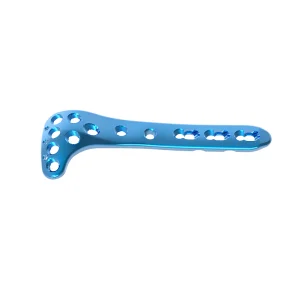
Proximal Lateral Tibia Locking Compression Plate IV
Explore Tibia Plate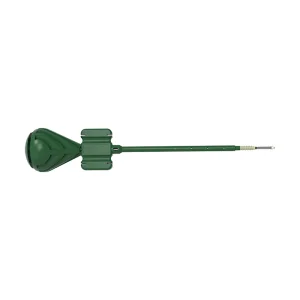
SuperFix P Knotless Suture Anchor (Sports Medicine)
Inquire Anchor Specs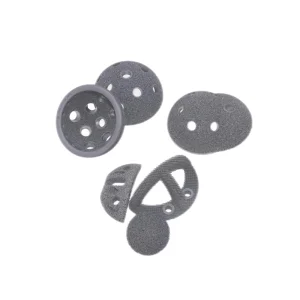
3D Printed Acetabular Reconstruction Revision System
3D Revision Pricelist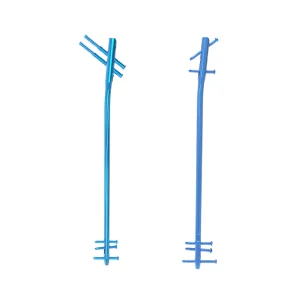
MASFIN Femoral Intramedullary Nail Implant System
View Femur Nails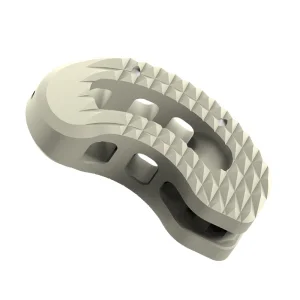
Angled Thoracolumbar Interbody PEEK Fusion Cage
Spinal Cage Catalog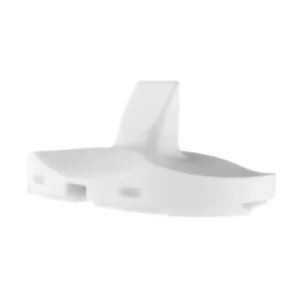
Enable Tibial Insert Ultra-High Molecular Weight Knee Prosthesis
Request Knee Pricelist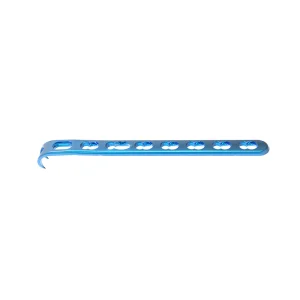
Olecranon Hook Locking Compression Bone Plate
View Hook Plates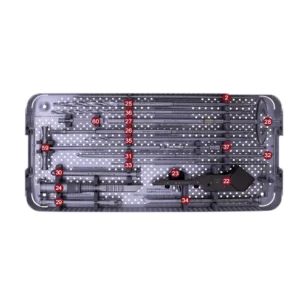
InterZan Intramedullary Nail Complete Instrument Kit
Get Kit Quotation
Direct Factory Procurement Hub
Initiate Direct Technical RFQ for Clavos Ortopédicos de Tibia
Connect with our senior biomechanical engineers and international regulatory documentation team. Obtain custom dimensional CAD evaluations, OEM packaging proofs, and structured factory volume quotations within 24 hours.