Custom Curved Reconstruction Locking Plate Factories, Service
Product Description
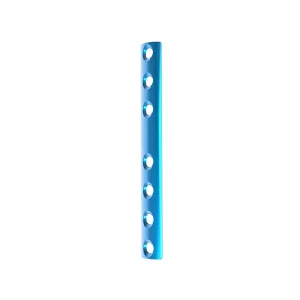
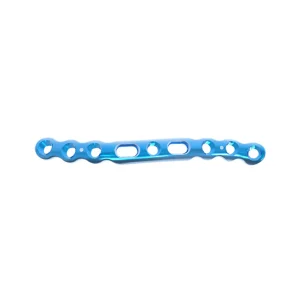
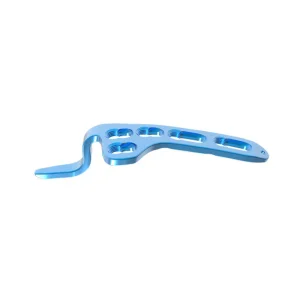
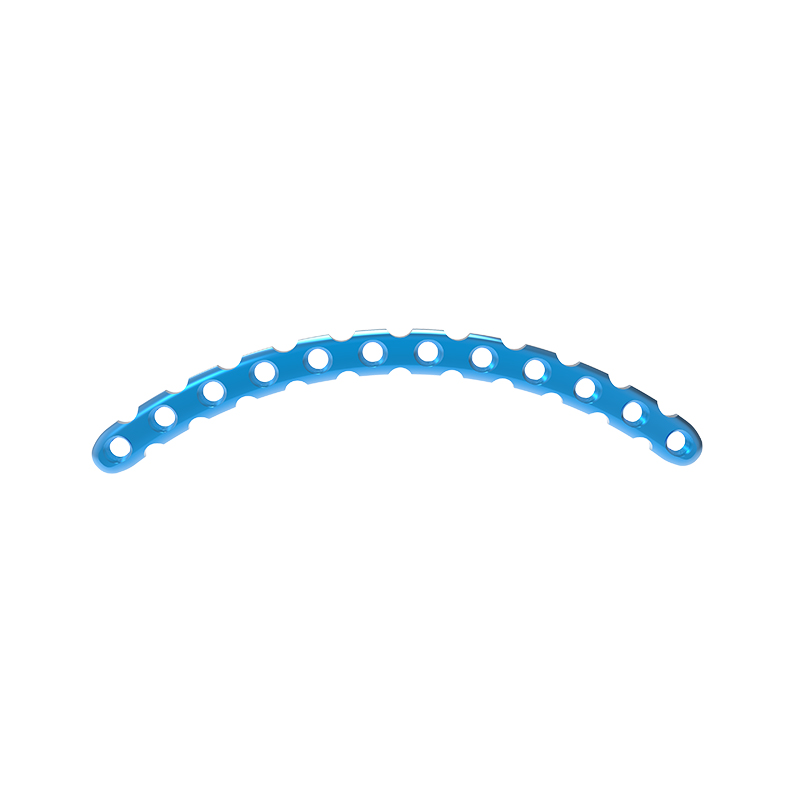
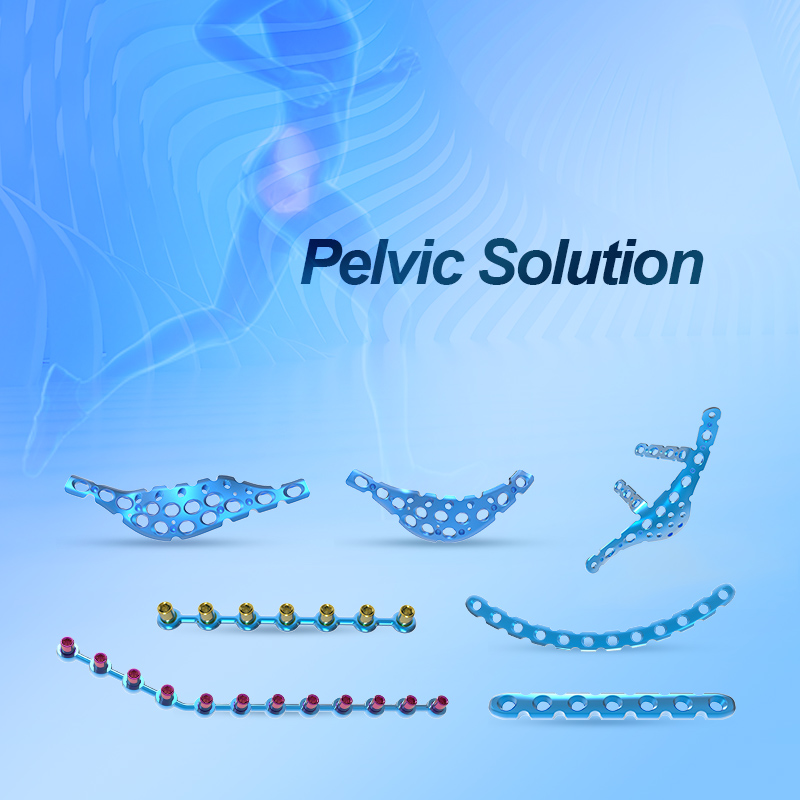
Intended for temporary fixation, correction or stabilization of bones in the pelvis
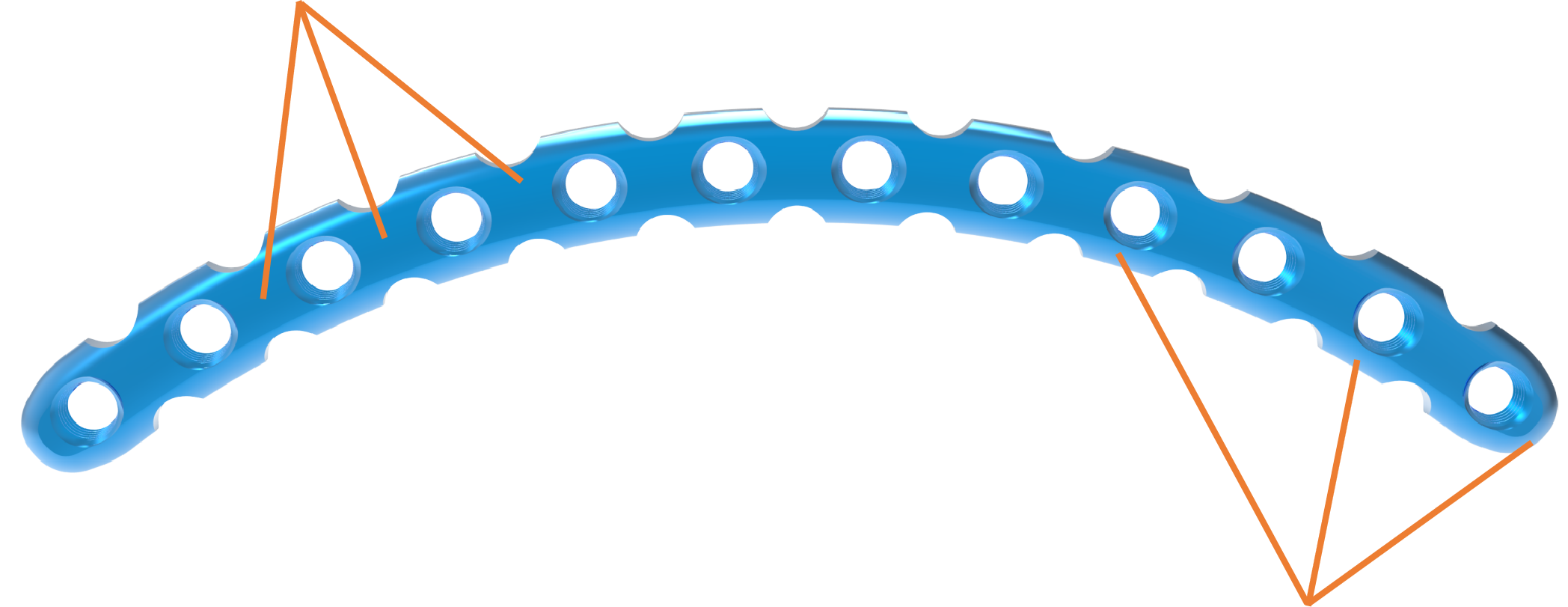
Low profile and rounded edges reduce the risk of soft tissue irritation
Uniform cross-section improved contourability
Product Specifications
|
Curved Reconstruction Locking Plate
|
6 holes x 72mm |
| 8 holes x 95mm | |
| 10 holes x 116mm | |
| 12 holes x 136mm | |
| 14 holes x 154mm | |
| 16 holes x 170mm | |
| 18 holes x 185mm | |
| 20 holes x 196mm | |
| 22 holes x 205mm | |
| Width | 10.0mm |
| Thickness | 3.2mm |
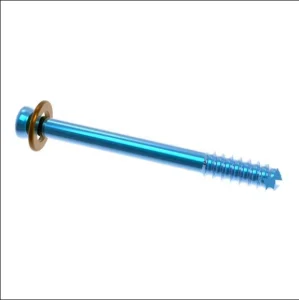
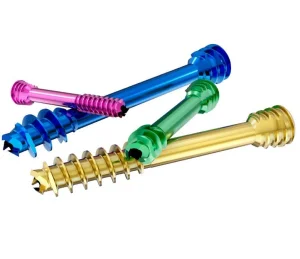
| Matching Screw | 3.5 Locking Screw |
| Material | Titanium |
| Surface Treatment | Micro-arc Oxidation |
| Qualification | CE / ISO13485 / NMPA |
| Package | Sterile Packaging 1pcs/package |
| MOQ | 1 Pcs |
| Supply Ability | 1000+ Pieces per Month |
Indications for Use
Curved Reconstruction Locking Plates (LC-DCP) are commonly used in orthopedic surgery for various indications including:
LC-DCP plates can be used in the fixation and stabilization of fractures involving the long bones, such as the femur, tibia, or humerus. They are especially useful in cases of comminuted or highly unstable fractures.
LC-DCP plates may be used in cases where a fracture has failed to heal properly, resulting in a non-union. These plates can provide stability and facilitate the healing process by promoting the apposition of bone ends.
In cases where a fracture has healed in an unfavorable position, resulting in a malunion, LC-DCP plates can be used to correct the alignment and restore function.
LC-DCP plates may be utilized in corrective osteotomies, where a bone is intentionally cut and realigned to correct deformities, such as limb length discrepancies or angular deformities.
In procedures involving bone grafts, LC-DCP plates can provide stability and fixation, facilitating the integration of the graft.
Frequently Asked Questions (FAQ)
The plate is intended for temporary fixation, correction, or stabilization of bones in the pelvis, as well as complex long bone fixations such as the femur, tibia, or humerus.
It features a low profile and rounded edges, which significantly reduce the risk of soft tissue irritation while maintaining strength and contourability.
The plate is precisely engineered to pair with 3.5 Locking Screws, offering rigid locking fixations across various bone structures.
The plate is manufactured from medical-grade Titanium and treated with Micro-arc Oxidation for enhanced biocompatibility and surface durability.
The plate comes in hole configurations from 6 holes (72mm) up to 22 holes (205mm), with a constant width of 10.0mm and thickness of 3.2mm.
The product is qualified under CE, ISO13485, and NMPA certifications. It is supplied individually in sterile packaging with an MOQ of 1 piece.