ODM 3D Printing Acetabular Revision System Manufacturers, Pricelist
Product Description
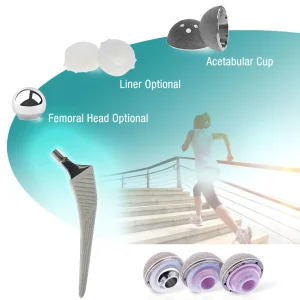
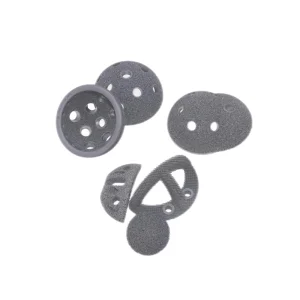
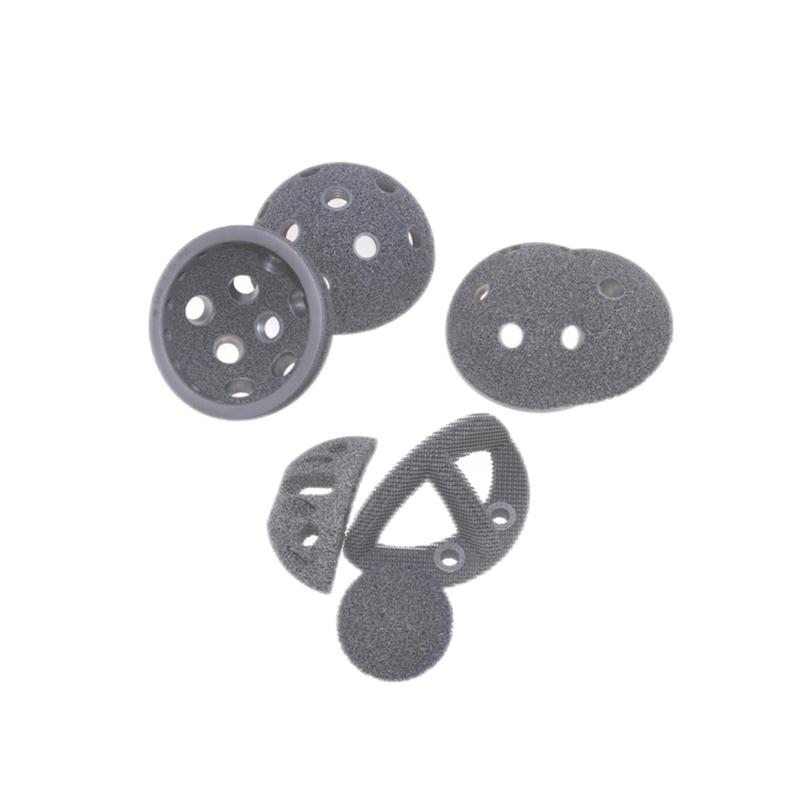
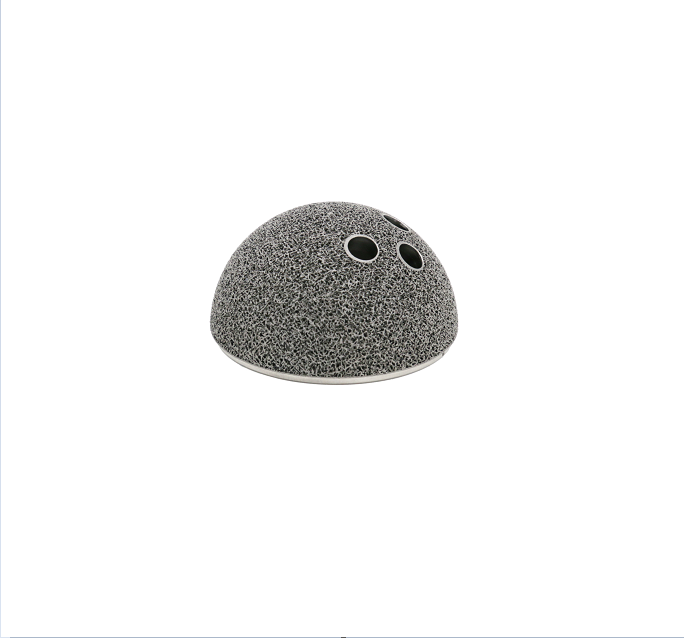
Introducing the breakthrough 3D Printed Acetabular Revision System, a revolutionary orthopedic solution designed to enhance the process of acetabular revision surgery. This state-of-the-art system combines advanced 3D printing technology with a range of unique features that raise the bar for performance and patient outcomes.
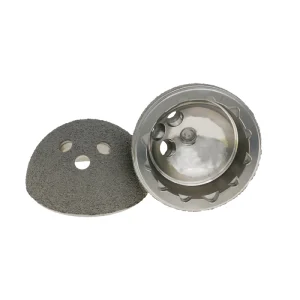
One of the key features of our 3D printed acetabular revision system is its fully interconnected trabecular structure. This specialized design allows for optimal osseointegration, promoting bone growth and stability. The system has a high coefficient of friction that ensures secure fixation and minimizes the risk of implant displacement and failure.
Our system utilizes an optimized geometry, resulting in improved biomechanical properties. The low stiffness of the trabecular structure allows for optimal load distribution, reducing stress on the implant and surrounding bone. This innovative combination of materials and construction enables patients to confidently restore mobility and function.
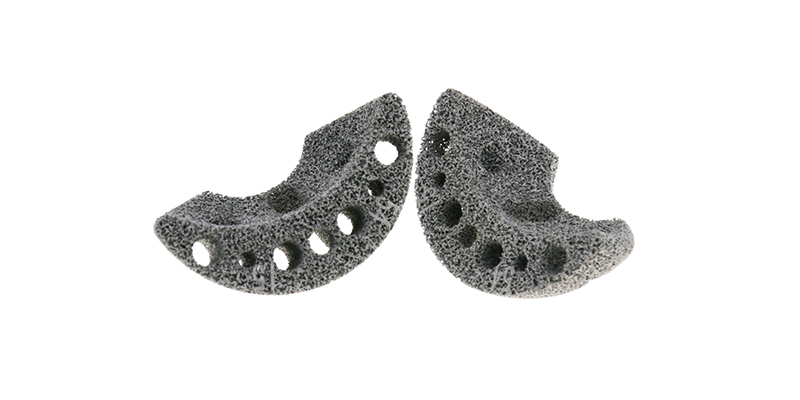
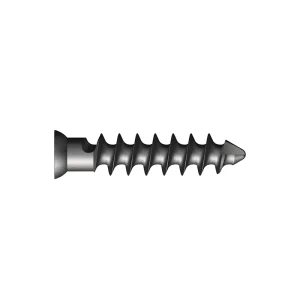
Another notable feature of our system is the inclusion of visible threaded holes. This feature simplifies the procedure and enables the surgeon to precisely place and secure the implant. The inner diameter of the implant is carefully designed for a perfect fit, ensuring long-term stability and comfort.
We understand the importance of preserving the host bone in revision surgery. In line with this, our 3D printed acetabular revision system is designed to preserve as much healthy bone as possible. By providing a reliable, durable implant with optimal fixation, our system reduces the need for extensive bone resection and maximizes the potential for a successful outcome.
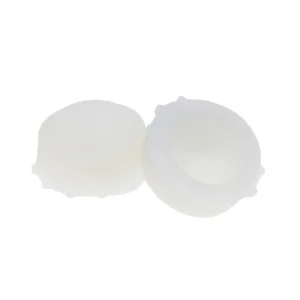
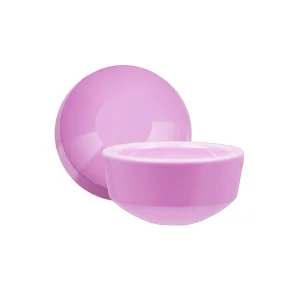
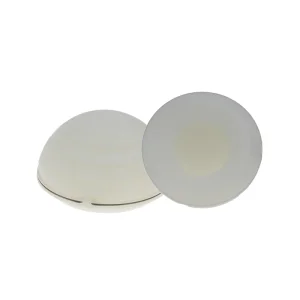
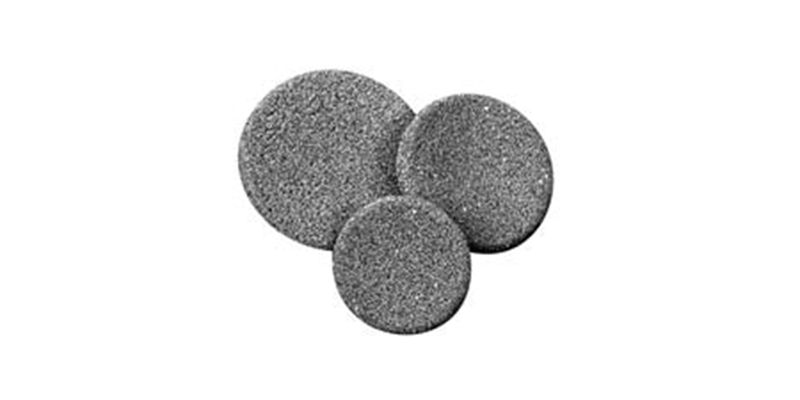
The Acetabular Restrictor is concave and comes in three diameters, allowing for coverage of medial wall defects and containment of morsellized bone graft.
| Diameter |
|---|
| 40 mm |
| 42 mm |
| 44 mm |
| Diameter |
|---|
| 50 mm |
| 54 mm |
| 58 mm |
| 62 mm |
| 66 mm |
| 70 mm |
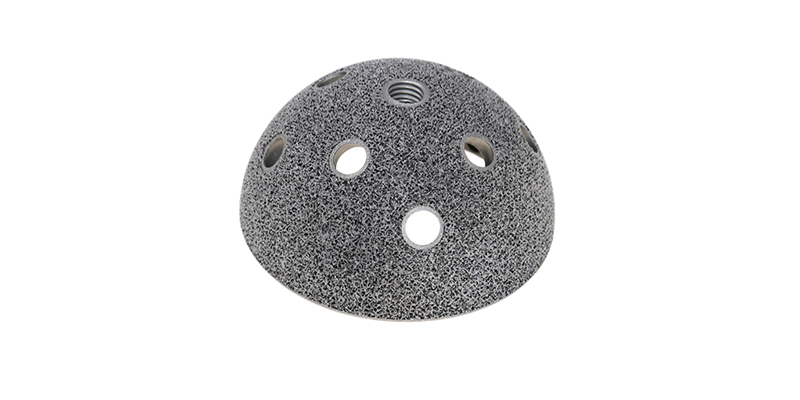
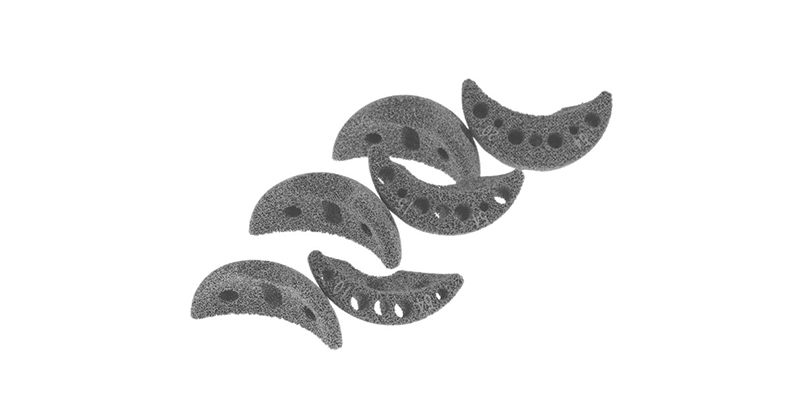
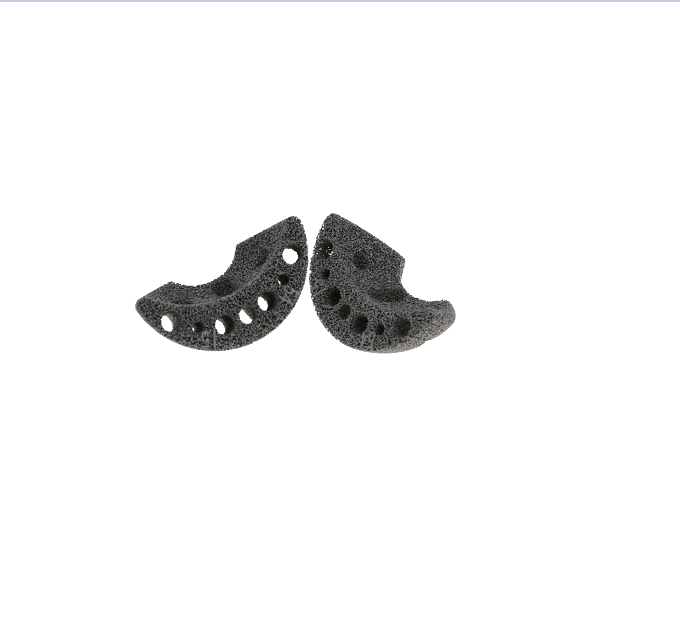
The Acetabular Augments, shaped similar to a partial hemisphere, come in four thicknesses and six sizes, allowing for fit in various defects.
| Outer Diameter | Thickness |
|---|---|
| 50 | 10/15/20/30 |
| 54 | 10/15/20/30 |
| 58 | 10/15/20/30 |
| 62 | 10/15/20/30 |
| 66 | 10/15/20/30 |
| 70 | 10/15/20/30 |
In conclusion, the 3D printed acetabular revision system sets a new standard for acetabular revision surgery. With its fully interconnected trabecular structure, high coefficient of friction, optimized geometry, low stiffness, visible threaded holes, and host bone protection, this innovative system provides a comprehensive solution for surgeons and patients. Experience the future of orthopedic surgery with our state-of-the-art systems and witness the exceptional results it delivers.