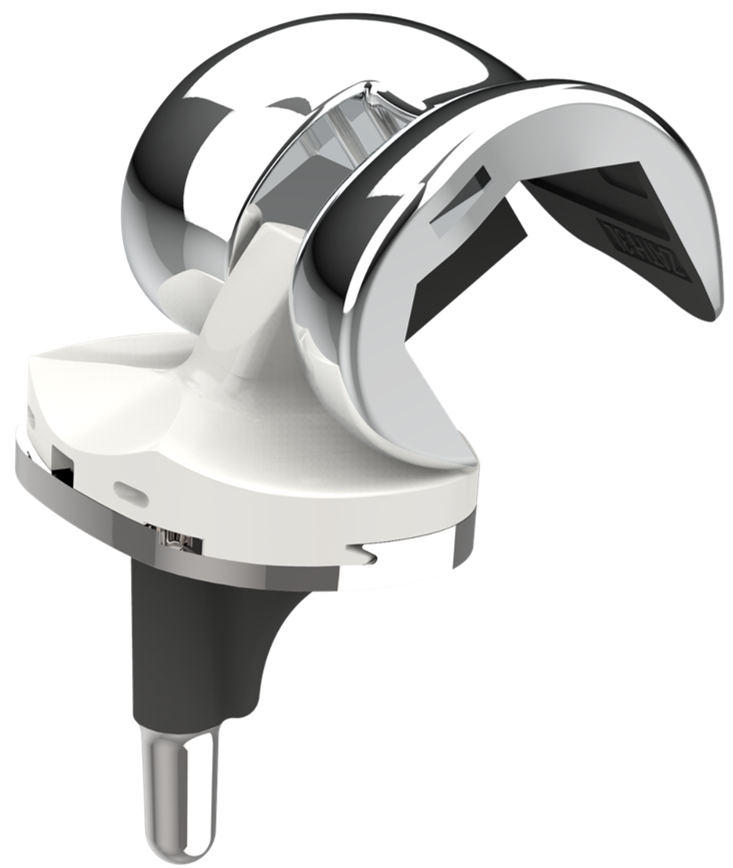
Wholesale Enable Tibial Insert Knee Joint Prosthesis Pricelist, Exporters
Product Description
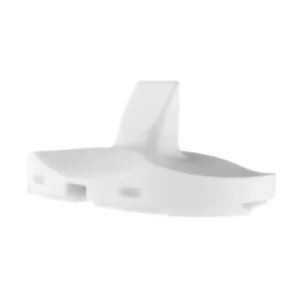
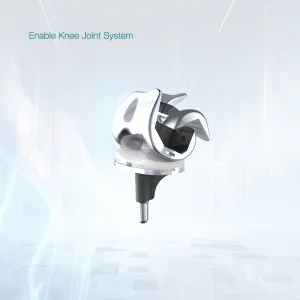
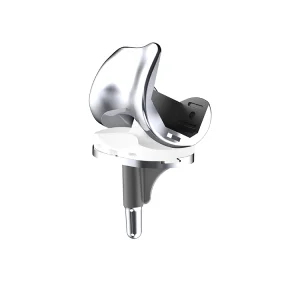
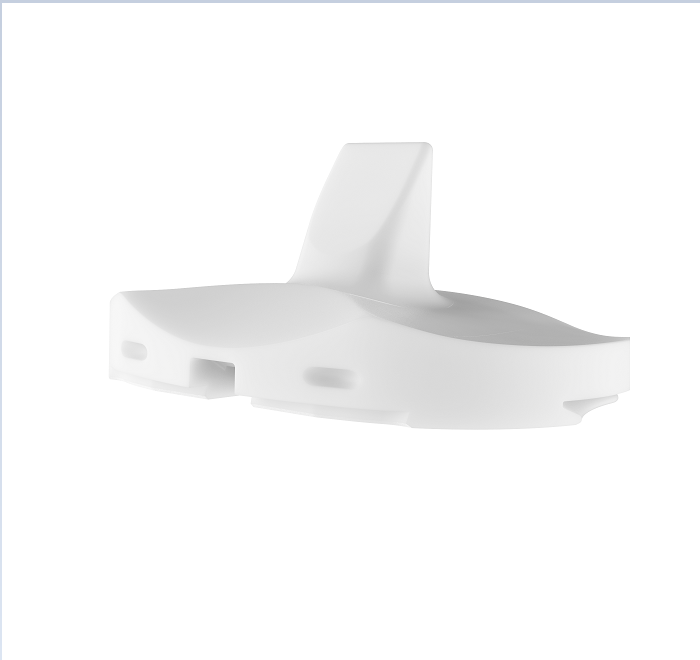
1. The anterior incisure avoids interference with patella movement.
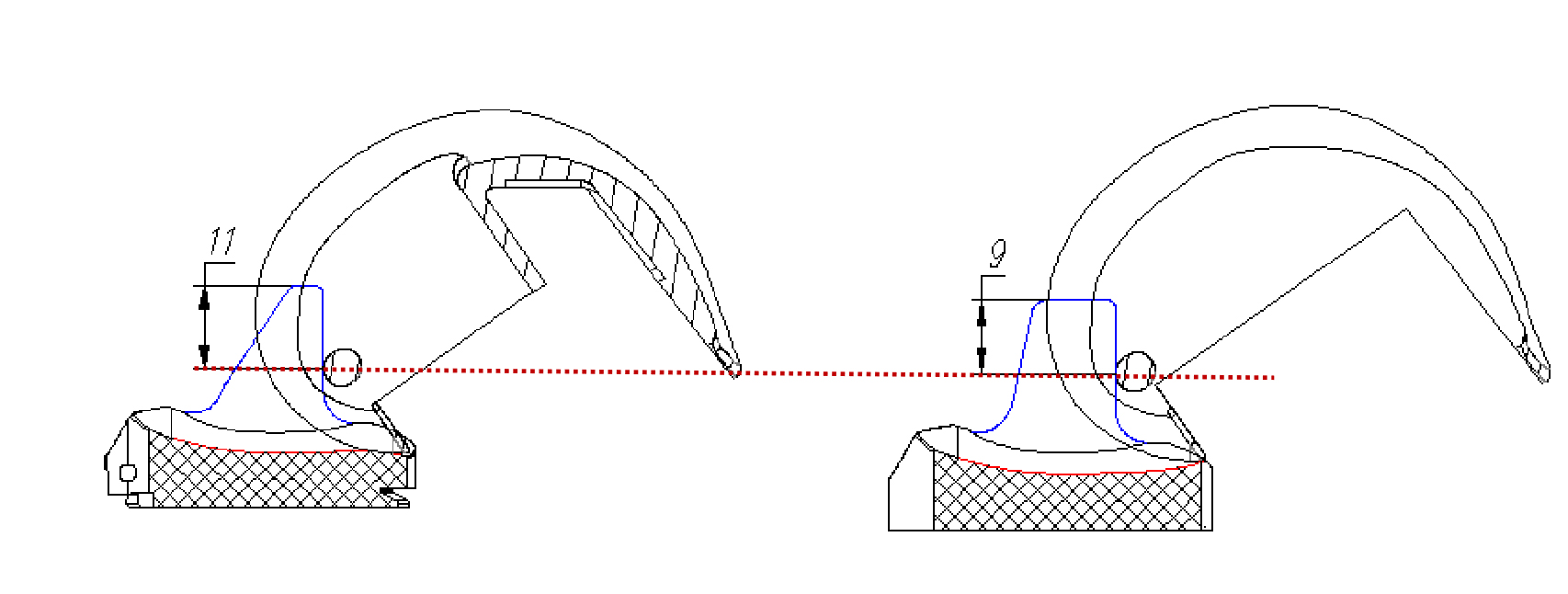
2. The thinning rear part of the tibial insert increases flexion, reduces implant knock, and avoids dislocation risk during high flexion.
Product Specifications & Sizing Chart
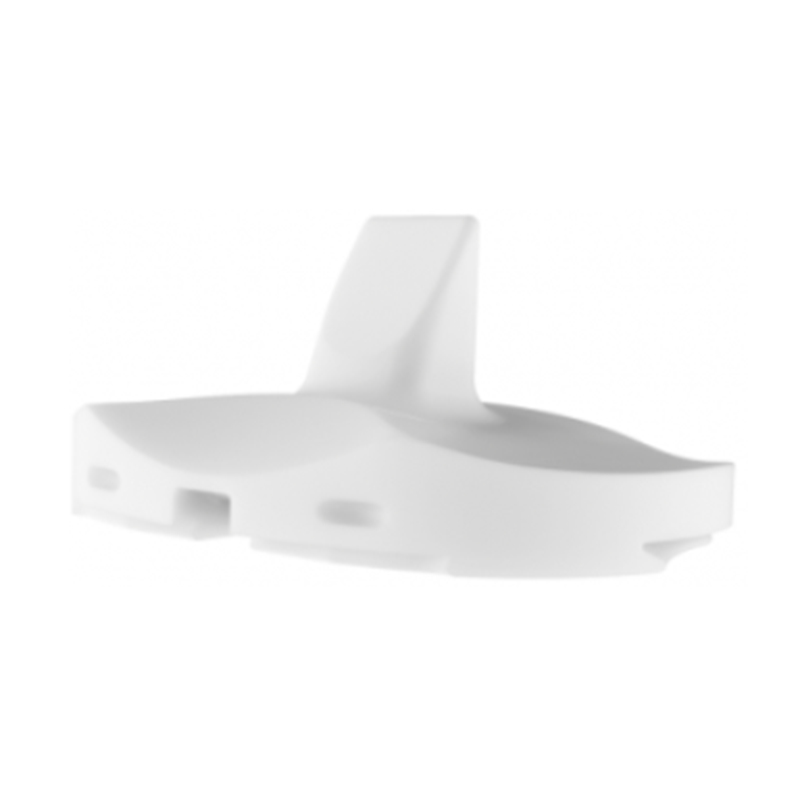
Enable Tibial Insert . PS
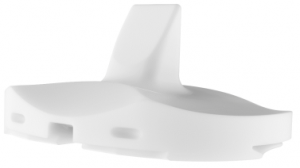
|
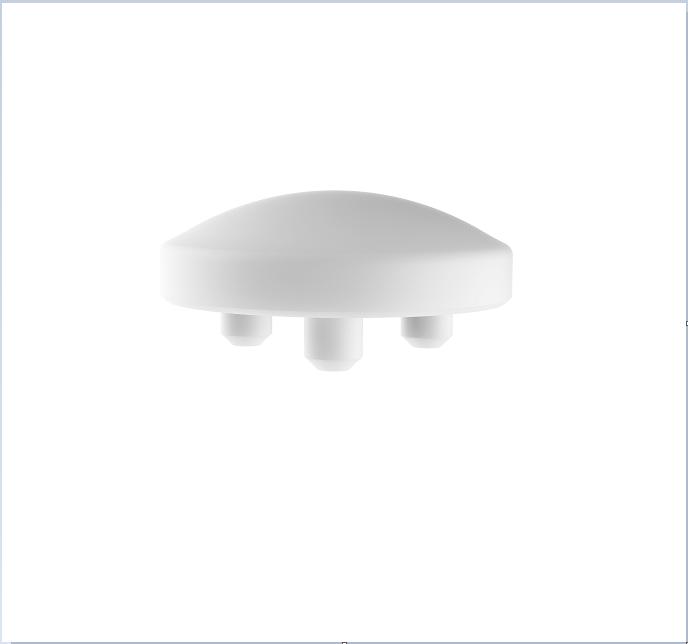
Enable Tibial Insert . CR
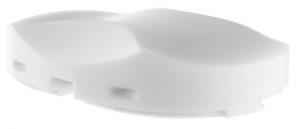
|
1-2# 9 mm |
| 1-2# 11 mm | ||
| 1-2# 13 mm | ||
| 1-2# 15 mm | ||
| 3-4# 9 mm | ||
| 3-4# 11 mm | ||
| 3-4# 13 mm | ||
| 3-4# 15 mm | ||
| 5-6# 9 mm | ||
| 5-6# 11 mm | ||
| 5-6# 13 mm | ||
| 5-6# 15 mm | ||
| Material | UHMWPE | |
| Qualification | ISO13485 / NMPA | |
| Package | Sterile Packaging 1pcs/package | |
| MOQ | 1 Pcs | |
| Supply Ability | 1000+ Pieces per Month | |
Indications
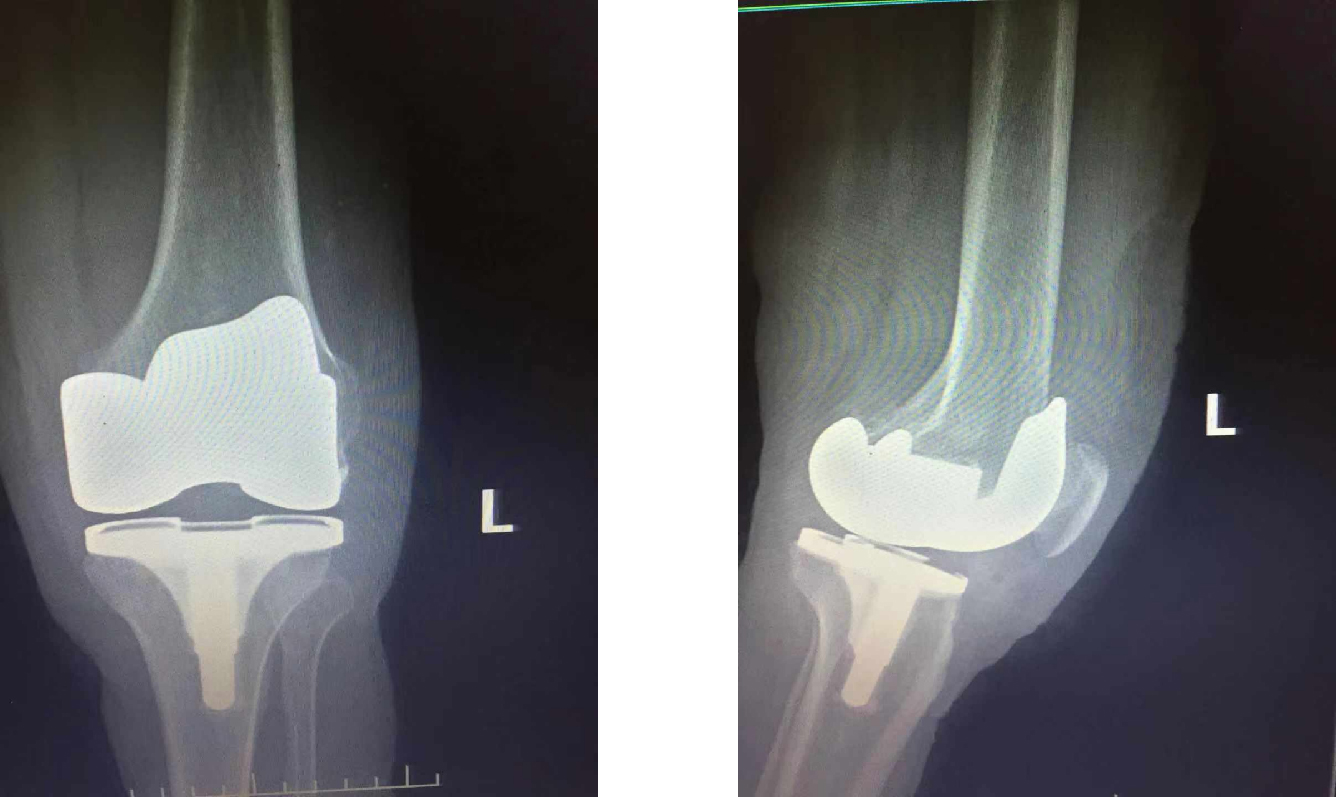
- Rheumatoid arthritis
- Post-traumatic arthritis, osteoarthritis, or degenerative arthritis
- Failed osteotomies, unicompartmental replacement, or total knee replacement
Biomechanical Stability & Design
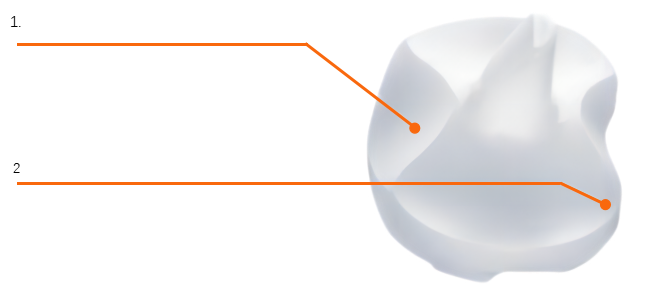
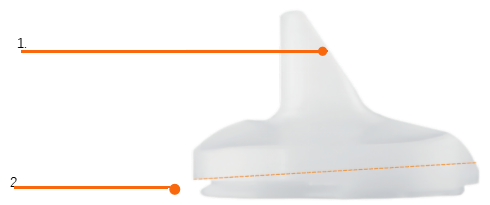
- 1. The anterior bevel post avoids patella strike during high flexion.
- 2. 7˚ Retroversion angle.
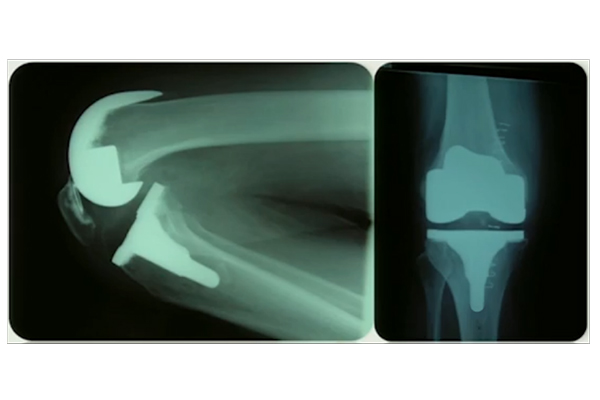
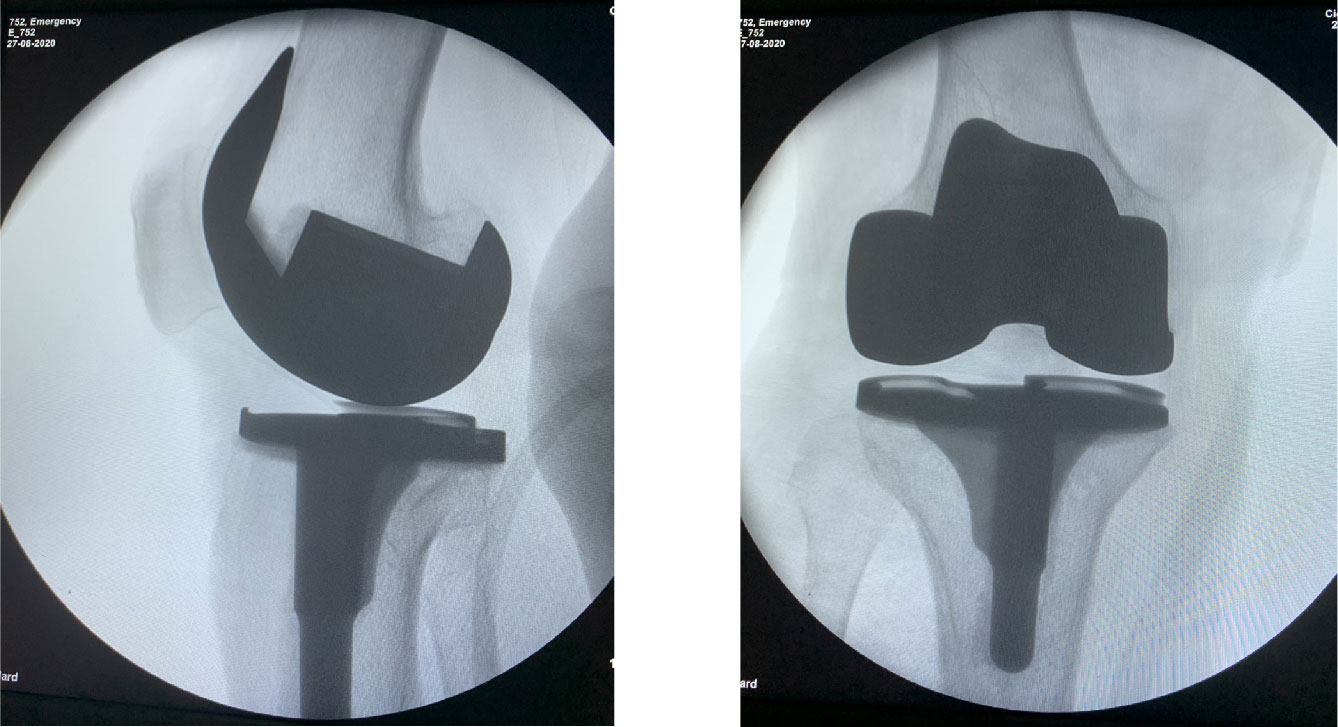
Articular Surface Comparison
Surgical Procedure & Recovery
Frequently Asked Questions (FAQ)
The tibial insert functions as a durable, low-friction articulating surface between the femoral component and the tibial plateau, replacing damaged cartilage and facilitating smooth knee joint mobility.
The insert is constructed from medical-grade Ultra-High Molecular Weight Polyethylene (UHMWPE), offering exceptional wear resistance, biocompatibility, and long-term structural reliability.
CR (Cruciate-Retaining) inserts preserve the posterior cruciate ligament (PCL), whereas PS (Posterior-Stabilized) inserts incorporate a stabilizing post designed to replace the function of a sacrificed or compromised PCL.
The thinning rear part prevents implant contact and knock, effectively expanding the clearance in deep knee bending and minimizing the risk of subluxation or dislocation during high flexion.
A flexion angle of up to 155 degrees can be attained when the implant is combined with precise surgical technique and disciplined postoperative functional rehabilitation.
The implants comply with rigorous international medical standards, carrying ISO13485 and NMPA certifications, and are individually packaged under validated sterile conditions.