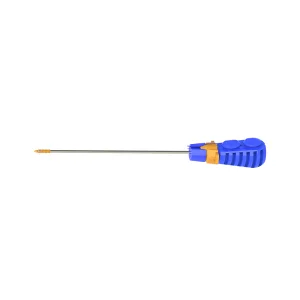
High-Performance Surgical Systems & Implants
Manufactured under strict ISO 13485 standards: Explore clinical-grade trauma, arthroplasty, and endoscopic instruments built for high operating room throughput.
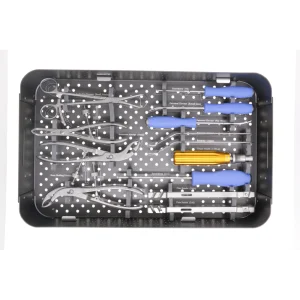
Discount ZATH CE Approved Upper Limb Locking Plate Instrument Set
Inspect Details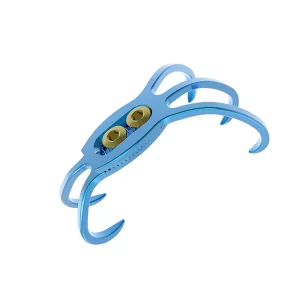
Cheap Patella Claw S M L Patella Bone Fracture Solutions
Inspect Details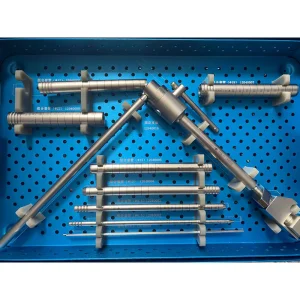
ODM Spine MIS Channel Instrument Set Suppliers
Inspect Details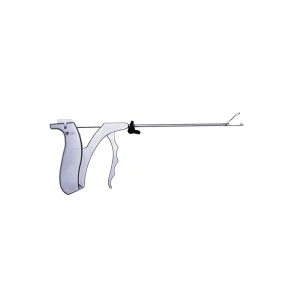
Wholesale Sports Medicine SuperFix Suture Passer
Inspect Details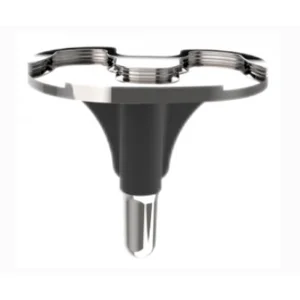
Enable Tibial Baseplate for Knee Replacement Joint Implants
Inspect Details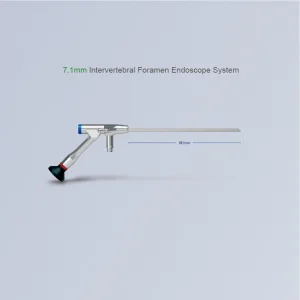
Wholesale 7.1mm Intervertebral Foramen Endoscope System
Inspect Details
China Pelvic Reconstruction Plate Instrument Set
Inspect Details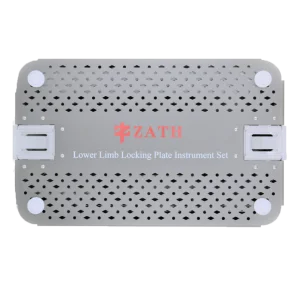
ODM Orthopedic Lower Limb Locking Plate Instrument Set
Inspect DetailsThe Global Commercial Status of Intertan Nail Systems
Analyzing epidemiological trends, supply chain concentration, and the biomechanical shift toward integrated cephalomedullary fixation.
The global orthopedic trauma landscape has witnessed a rapid paradigm shift in the management of unstable trochanteric, pertrochanteric, and subtrochanteric femoral fractures (AO/OTA 31-A1, A2, and A3). As global populations age, the incidence of fragility hip fractures is projected to surpass 6.3 million annually by 2050. Within this clinical sphere, traditional single-screw intramedullary nails and helical blade systems have encountered well-documented biomechanical challenges—most notably femoral head cut-out, cut-through, varus collapse, and the notorious "Z-effect" observed in non-integrated dual-lag designs.
The Intertan nail architecture—characterized by its integrated dual-screw mechanism where a smaller compression screw engages tangentially with a larger lag screw—has transformed clinical success rates. By converting rotational torque into linear dynamic compression, this construct stabilizes the femoral head and neck fragment without imparting rotational spin during insertion. Consequently, the commercial demand for high-caliber Intertan manufacturing partners has surged across North America, the European Union, Latin America, and the Asia-Pacific region.
Industrial Sourcing Reality: While initial intellectual paradigms originated from Western tier-one entities, the center of high-precision manufacturing, micro-machined tolerances, and scalable OEM production has consolidated into highly specialized clusters. Modern certified facilities, such as Beijing ZhongAnTaiHua Technology Co., Ltd. (ZATH, founded in 2009 in Beijing's Zhongguancun Science Park), maintain advanced 5-axis CNC infrastructure, cleanroom automation, and complete ISO 13485 quality systems that deliver precision-grade titanium trauma nails matching or exceeding international benchmarks at accessible economies of scale.
Geriatric Demographic Expansion
Elderly osteoporosis significantly weakens the trabecular calcar femorale. The Intertan configuration achieves superior subchondral bone purchase, reducing catastrophic hardware revision rates in osteopenic bone by over 68% compared to single-screw lag systems.
Supply Chain Diversification
Global healthcare systems and GPOs (Group Purchasing Organizations) are actively mitigating reliance on monolithic multinational conglomerates. Sourcing from certified, vertically integrated factories provides regional brands with agile contract manufacturing and superior margins.
Stringent Regulatory Convergence
The implementation of EU MDR (2017/745) and rigorous post-market clinical follow-up (PMCF) mandates that factories possess verifiable fatigue testing data (ASTM F384, ASTM F543) and continuous biocompatibility verification.
Biomechanical Principles: Why Integrated Dual Screws Outperform
Deconstructing the mechanics of linear active compression, trapezoidal nail geometry, and rotational torque neutralization.
The "Z-Effect" Pathology vs. Gear-Interlocked Dual Screws
In standard dual-screw cephalomedullary systems, two parallel screws reside independently inside the femoral neck. During cyclic axial loading of the patient's gait, differential micro-motion causes the inferior screw to migrate laterally while the superior screw migrates medially into the hip joint, or vice versa. This mechanical catastrophe—known universally in trauma literature as the "Z-effect" or "reverse Z-effect"—leads directly to joint penetration, acetabular destruction, and fixation failure.
The Intertan mechanism eradicates this phenomenon through an ingenious interlocking gearing system. The large lag screw (typically Ø 10.5 mm or Ø 11.0 mm) features a superior longitudinal channel cut with precision gear grooves. The smaller secondary compression screw (typically Ø 7.0 mm) is advanced through this groove. As the compression screw is seated, it gears directly into the lag screw, converting manual insertion torque entirely into linear dynamic compression across the fracture gap. Crucially, the femoral head fragment is prevented from spinning during screw tightening, securing anatomical reduction even in severely comminuted lateral trochanteric walls.
Trapezoidal Proximal Cross-Section vs. Cylindrical Corridors
Conventional intramedullary nails employ a circular or cylindrical cross-section in their proximal segment. However, the anatomy of the greater trochanter and intertrochanteric corridor is trapezoidal, with greater anterior-posterior dimension medially than laterally. Leading Intertan factories precision-mill the proximal portion of the nail into a modified trapezoid. This provides several definitive clinical advantages:
Calcar Buttress & Rotational Grip
The widened trapezoidal shoulder provides high-contact cortical resistance against external rotational forces, preventing the nail body from spinning or toggling inside the proximal metaphysis during early mobilization.
Lateral Wall Bone Preservation
By streamlining the lateral profile, the nail reduces insertion hoop stresses. This safeguards the fragile lateral femoral cortex from iatrogenic intraoperative blowout during nail advancement.
Optimized Tip-Apex Distance (TAD)
The integrated dual screws distribute load across both the superior tension zone and inferior compression trabeculae, allowing surgeons to reliably achieve a cumulative TAD < 20 mm for optimal mechanical hold.
How Tier-1 Factories Fabricate Intertan Implants
A granular look at medical-grade titanium bar stock, multi-axis Swiss turn-milling, deep cannulation drilling, and Class 7 cleanrooms.
Manufacturing an intramedullary nail with an integrated dual-screw aperture is one of the most demanding disciplines in orthopedic metallurgy. Unlike simple bone plates or non-cannulated screws, the Intertan nail requires ultra-precise internal tolerancing where the angled cephalomedullary bore intersects the nail shaft without generating micro-fissures or stress risers.
Top-tier manufacturing facilities like ZATH in Beijing employ the following six-stage validated quality cascade:
1. Titanium Grade & Mill Verification
Only certified medical-grade Ti-6Al-4V ELI (ASTM F136 / ISO 5832-3) is utilized. Every raw bar is subjected to ultrasonic crack detection, chemical spectroscopic titration, and grain structure metallography to ensure high yield strength (>795 MPa) and fatigue limit.
2. Gun Drilling & Cannulation Concentricity
Deep-hole gun drilling of 180mm to 420mm nail shafts demands zero thermal deformation. Advanced single-lip drills ensure runout tolerances remain below 0.05mm across the entire length, preventing intraoperative binding over surgical guide wires.
3. 5-Axis Simultaneous CNC Machining
The intersecting dual-screw corridor is milled on German and Swiss 5-axis machining centers (e.g., DMG Mori, Citizen). The geared pitch inside the lag screw channel is maintained within a ±0.005mm micro-tolerance to ensure smooth intraoperative meshing.
4. Surface Treatment & Passivation
Implants undergo electropolishing and Type II anodic oxidation. This thickens the inert titanium dioxide (TiO2) layer, markedly elevating corrosion fatigue resistance and minimizing fretting corrosion between the interlocking nail and screws.
5. 100% CMM & Optical Gauge Inspection
Every single manufactured production lot is routed through computerized Coordinate Measuring Machines (CMM) and multi-sensor optical vision systems to verify anteversion angles (typically 12°–15°), neck-shaft angles (125° or 130°), and distal locking hole positions.
6. Class 7 Cleanroom & Sterile Packaging
Validated particulate-controlled cleanrooms package the implants into medical-grade double Tyvek blisters. Sterile-packed configurations guarantee a Sterility Assurance Level (SAL) of 10⁻⁶, eliminating hospital re-sterilization logistics.
Comparative Evaluation Matrix: Intertan vs. Conventional Systems
Direct technical contrast against single-lag cephalomedullary nails and helical blade configurations.
| Evaluation Parameter | Intertan Integrated Dual Nail | Single-Screw Lag Nail (e.g., Gamma Style) | Helical Blade Nail (e.g., PFN-A Style) |
|---|---|---|---|
| Fixation Mechanism | Integrated lag screw + secondary compression screw geared together | Single large diameter lag screw (Ø 10.5–12.0 mm) | Single helical spiral blade hammered or rotated into place |
| Rotational Stability | Superior (Dual-Point Anchor) Prevents femoral head rotation during compression |
Moderate to Poor Prone to head rotation during final screw torquing |
Moderate to Good Resists rotation via blade surface contact area |
| Resistance to "Z-Effect" | Complete Immunity Screws are mechanically coupled; migration is impossible |
Not applicable (single screw construct) | Not applicable (single blade construct) |
| Cut-out & Cut-through Rate | Extremely Low (<1.2%) Superior subchondral load dispersal |
Higher (3.8% - 7.5%) Point stress concentrations at screw tip |
Moderate to High (4.1% - 8.2%) Medial cut-through risk in severely osteoporotic bone |
| Linear Dynamic Compression | Active controlled mechanical compression up to 10mm | Passive sliding compression along sleeve barrel | Passive sliding compression along outer sleeve |
| Proximal Geometry | Anatomical modified trapezoid (preserves lateral wall) | Predominantly cylindrical or semi-conical | Predominantly cylindrical or flat lateral chamfer |
| Manufacturing Complexity | Extremely high (5-axis gearing tolerance ±0.005mm) | Medium (standard cylindrical boring) | High (complex helical spiral broaching & locking) |
Clinical Indications & Localized Case Scenarios
Where the mechanical superiority of the Intertan nail provides decisive surgical advantages in emergency trauma settings.
Scenario A: Unstable Trochanteric Fractures with Medial Calcar Void
In AO/OTA 31-A2.2 and A2.3 fractures, the posteromedial buttress (lesser trochanter) is thoroughly shattered. Without medial support, conventional nails collapse into varus. The Intertan construct acts as an internal structural calcar strut: the inferior lag screw supports the compression cortex while the superior screw maintains anatomical length, drastically reducing secondary neck-shaft angle collapse.
Scenario B: Reverse Oblique & Subtrochanteric Patterns (31-A3)
Reverse obliquity fractures present high shear forces that displace the proximal femoral fragment laterally. Using a long titanium Intertan nail with a curvature radius tailored to anatomical femoral bow (R=1.5m to 2.0m) allows stable intramedullary bridge fixation. Distal dynamic and static locking holes offer intraoperative adaptability for multi-fragmentary shaft extensions.
Scenario C: Severe Osteoporosis (Singh Index ≤ 3)
Fragility bone lacks dense cancellous trabeculae in the central femoral head. Hammering a helical blade can inadvertently push soft bone medially or penetrate the joint. The self-tapping, low-pitch threads of the Intertan lag screw gently compact adjacent cancellous bone rather than shearing it, creating a robust subchondral foundation resistant to cut-through.
Engineering Roadmap: The Next Era of Intramedullary Fixation
Exploring 3D-printed trabecular porous zones, telemetric strain sensors, and smart radiolucent composites.
Electron Beam Melting (EBM) Porous Zones
Integrating additive manufacturing onto the proximal trapezoidal surface of the nail. A 3D trabecular titanium lattice (pore size 400–600 μm, porosity 65–75%) encourages biological bone ingrowth, eliminating proximal loosening in younger high-energy trauma patients.
Telemetric Micro-Strain Sensors
Embedding passive RFID-linked strain gauge sensors within the hollow cannulation channel. This allows orthopedic surgeons to non-invasively measure fracture healing and load-bearing consolidation via a handheld external scanner prior to authorizing unassisted weight-bearing.
Radiolucent Carbon-PEEK Hybrid Nails
Developing structural continuous carbon fiber reinforced polyetheretherketone (CFR-PEEK) nail bodies equipped with titanium-alloy geared screw mechanisms. Benefits include artifact-free CT/MRI oncology surveillance and modulus of elasticity identical to cortical bone.
Macro-Industry OEM/ODM Solutions & Audit Framework
Essential checklist for distributors qualifying Chinese and global contract manufacturing partners.
When orthopedic distribution organizations transition from high-cost branded systems to direct factory partnership, thorough audit protocols must be executed. A failure in intramedullary instrumentation or implant metallurgy can trigger devastating product liability actions, loss of surgical accounts, and regulatory sanctions.
1. Technical Dossier & Testing Auditing
Ensure your factory provides full test reports covering static four-point bending, dynamic fatigue testing (ASTM F384 run to 5,000,000 cycles without failure at 10 Hz), and screw torque/pull-out verification (ASTM F543). Demanding third-party test data (e.g., from SGS, TÜV, or equivalent accredited labs) is non-negotiable.
2. Instrumentation Ergonomics & Tolerances
The nail is only as reliable as its insertion jig. Verify that the targeting jig is constructed from medical carbon fiber or aerospace-grade aluminum that resists bending under high torque. The guide sleeves must exhibit precise tolerances (<0.02mm play) to guarantee that drill bits locate the distal nail holes flawlessly without fluoroscopic frustration.
3. Private Labeling & Regulatory Registration
Top OEM/ODM providers like ZATH facilitate customized laser etching (UDI compliant), specialized color-anodized sizing systems, branded aluminum graphic cases, and comprehensive registration documentation dossiers (Free Sale Certificate FSC, ISO 13485 QMS documentation, biocompatibility summaries) to expedite authorization in your local Ministry of Health.
Frequently Asked Questions: Intertan Nail Sourcing
In-depth responses to critical questions posed by hospital biomedical committees, regulatory auditors, and prospective distribution executives.
What is the specific mechanical difference between an Intertan system and a standard dual-screw cephalomedullary nail?
In standard dual-screw nails, two lag screws enter the femoral head independently without physical connection. Under cyclic physiological loading, this independence creates differential shear strains that induce the "Z-effect" (the superior screw migrates laterally while the inferior screw penetrates the hip joint). The Intertan system eliminates this vulnerability by gearing the secondary compression screw directly into longitudinal teeth machined onto the main lag screw. As the compression screw advances, it locks the two screws into a unified structural beam, transforming rotational forces into linear active compression without head rotation.
Why is Titanium Alloy (Ti-6Al-4V ELI) preferred over 316L Stainless Steel for Intertan nails?
Ti-6Al-4V ELI (ASTM F136) offers an optimal modulus of elasticity (~110 GPa) that is significantly closer to human cortical bone (~18 GPa) compared to 316L stainless steel (~200 GPa). This substantial reduction in structural stiffness minimizes "stress shielding," encouraging faster periosteal callus formation through physiological micromotion. Additionally, titanium ELI possesses superior fatigue strength under cyclic axial bending and produces significantly fewer streak artifacts on post-operative CT and MRI diagnostic imaging.
What is Tip-Apex Distance (TAD), and how does the Intertan construct optimize this parameter?
Tip-Apex Distance, originally described by Baumgaertner, is the sum of the distance (in millimeters) from the tip of the lag screw to the apex of the femoral head on both AP and lateral radiographs. A cumulative TAD > 25 mm correlates with an exponential increase in cut-out risk. The Intertan nail features a guided, dual-screw geometry that places the inferior lag screw deep along the dense subchondral calcar bone (Parker's ratio 45–50%) while the superior screw provides rotational stability, consistently allowing skilled surgeons to achieve a total combined TAD under 20 mm.
How do certified factories prevent guide-wire binding during deep nail cannulation?
Guide-wire binding occurs when the inner cannulation hole drifts off-center during deep-hole drilling, creating micro-ridges or dimensional narrowing along the shaft. Top-tier manufacturers utilize CNC-controlled single-lip gun drilling technology with high-pressure internal coolant flushing. Strict quality control specifies automated optical and pin-gauge testing that guarantees cannulation concentricity runout of less than 0.05 mm over a 420 mm nail length, ensuring frictionless sliding over 3.2 mm guide wires.
What are the distinct indications for Short vs. Long Intertan nails?
Short Intertan nails (typically 180 mm to 200 mm in length) are indicated for stable and moderately unstable intertrochanteric fractures (AO/OTA 31-A1 and simple 31-A2) with an intact lateral femoral wall. Long Intertan nails (ranging from 320 mm to 420 mm with left and right anatomical bow radii of R1.5m/R2.0m) are mandatory for reverse oblique fractures (31-A3), fractures with extensive subtrochanteric comminution, pathological fractures, or when severe osteoporosis creates stress risers at the distal tip of a short nail.
Can international distributors order OEM/ODM Intertan sets with localized adaptations?
Yes. Certified medical device manufacturers such as ZATH support comprehensive OEM/ODM contracts. Distributors can customize laser-etched branding, packaging aesthetics (sterile double-blister vs non-sterile bulk), nail neck-shaft angle offerings (125° vs 130°), distal locking screw configurations, and matching radiolucent carbon fiber insertion jigs tailored to the preference of regional trauma centers.
Advanced Trauma, Spine & Fixation Portfolio
Explore matching instrumentation, pedicle systems, locking compression plates, and suture anchors engineered to international regulatory specifications.
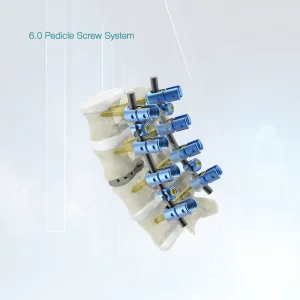
OEM CE approved Zipper Polyaxial Pedicle Screws Spine System
Inspect Details
CE Certification Pin for External Fixation Quotes
Inspect Details
Titanium Alloy Orthopedic Suture Anchor Titanium Manufacturer
Inspect Details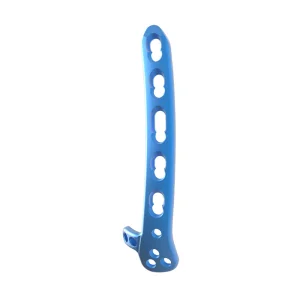
ODM Distal Posterolateral Humerus Locking Compression Plate
Inspect Details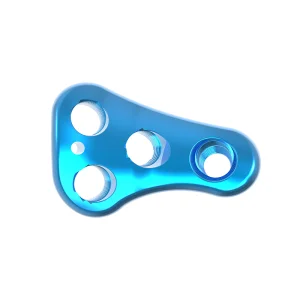
High-Quality Proximal Femur MIS Locking Plate II Suppliers
Inspect Details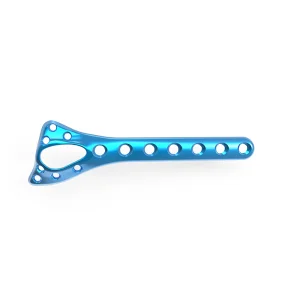
ODM DDR Locking Compression Plate Companies
Inspect Details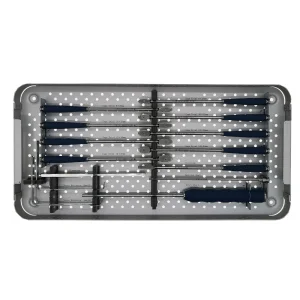
Spine Surgery Thoracolumbar PLIF Cage Instrument Set
Inspect Details