Buy Enable Tibial Baseplate for Knee Replacement Joint Implants Quotes, Product
Product Description
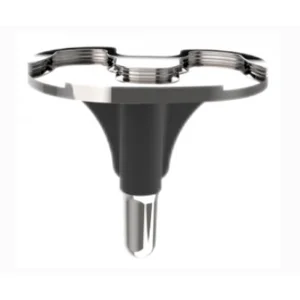
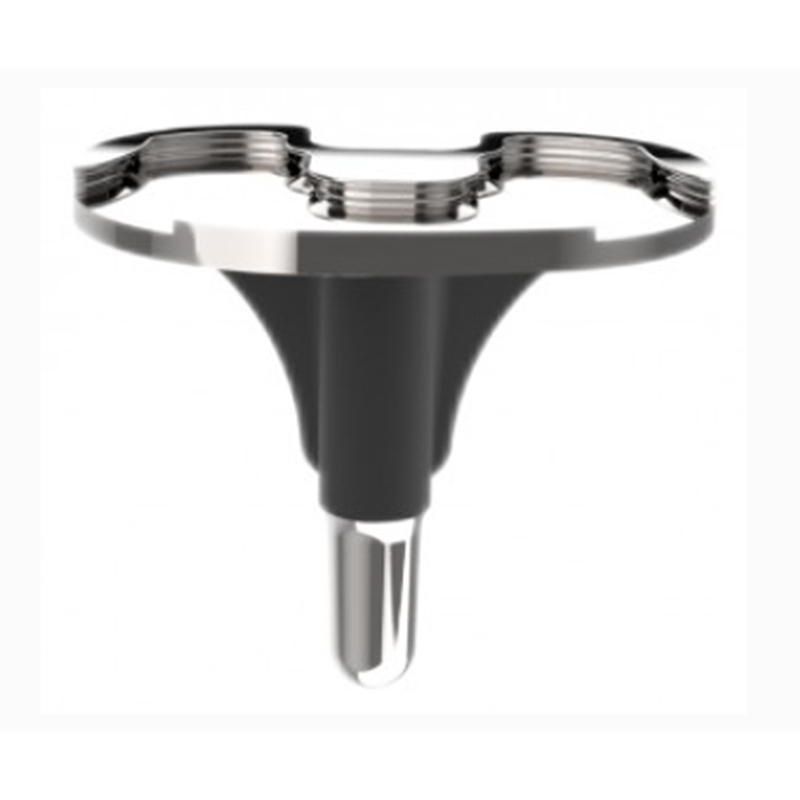
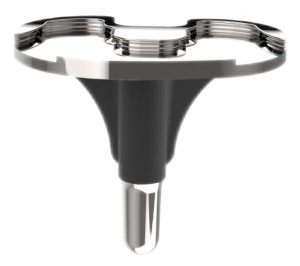
The highly polished locking surface reduces abrasion and debris.
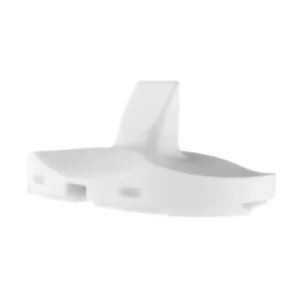
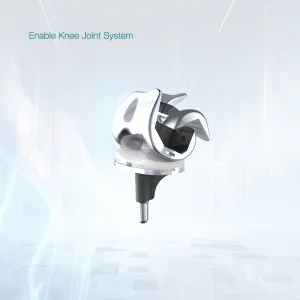
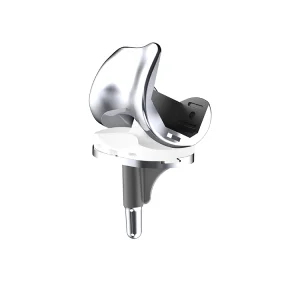
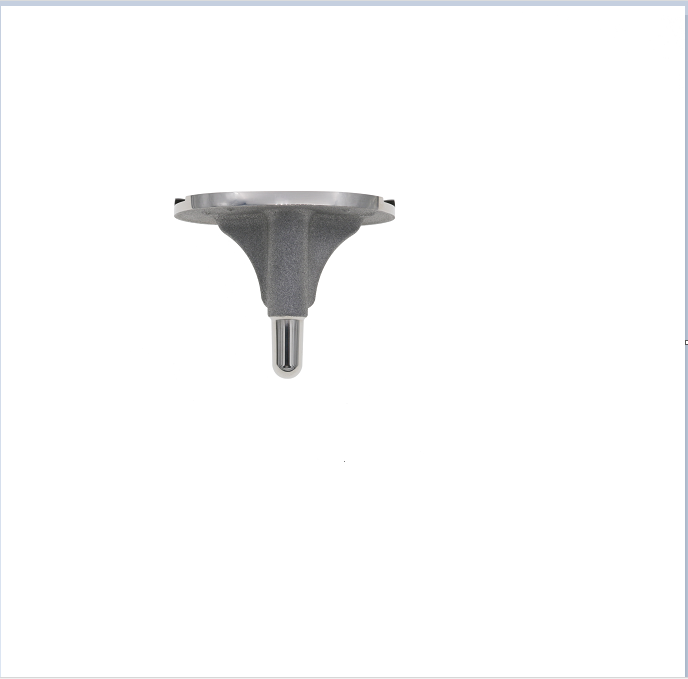
The varus stem of tibial baseplate fits medullary cavity better and optimizes the positioning.
Universal length and matchable stems.
System Specifications & Sizing
| Component Description | Specification / Material |
|---|---|
Enable Tibial Baseplate
|
1# Left |
| 2# Left | |
| 3# Left | |
| 4# Left | |
| 5# Left | |
| 6# Left | |
| 1# Right | |
| 2# Right | |
| 3# Right | |
| 4# Right | |
| 5# Right | |
| 6# Right | |
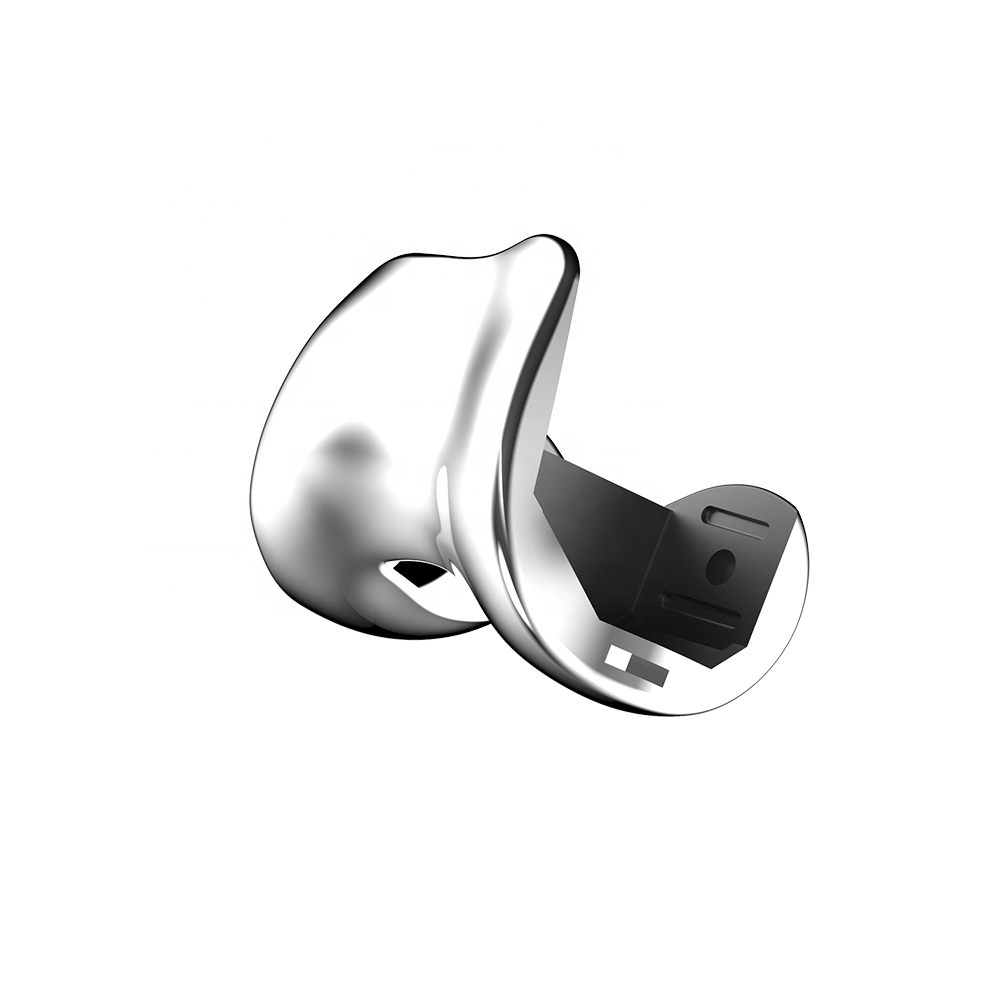
| Enable Femoral Component (Material: Co-Cr-Mo Alloy) | PS/CR |
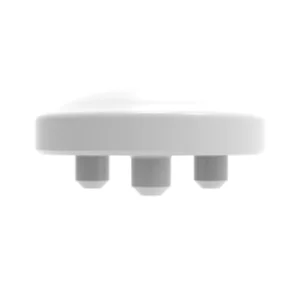
| Enable Tibial Insert (Material: UHMWPE) | PS/CR |
| Enable Tibial Baseplate | Material: Titanium Alloy |
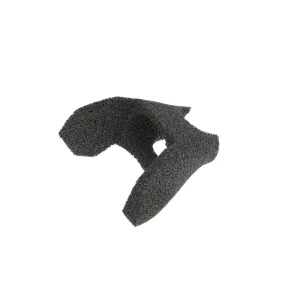
| Trabecular Tibial Sleeve | Material: Titanium Alloy |
| Enable Patella | Material: UHMWPE |
Clinical Indications
- Rheumatoid arthritis
- Post-traumatic arthritis, osteoarthritis or degenerative arthritis
- Failed osteotomies or unicompartmental replacement or total knee replacement
Anatomical Stability & Fixation
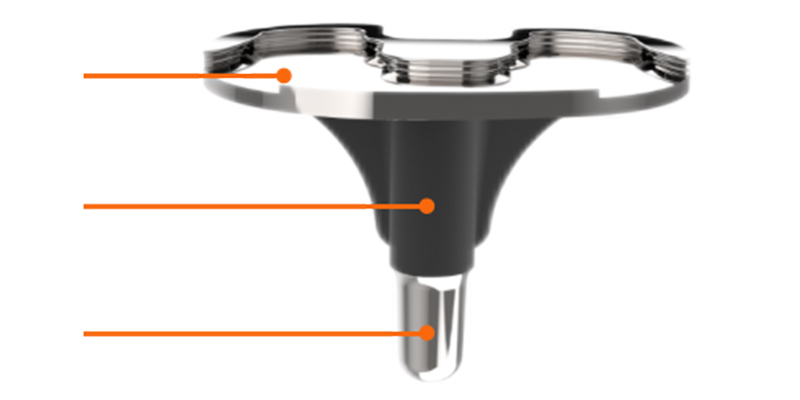
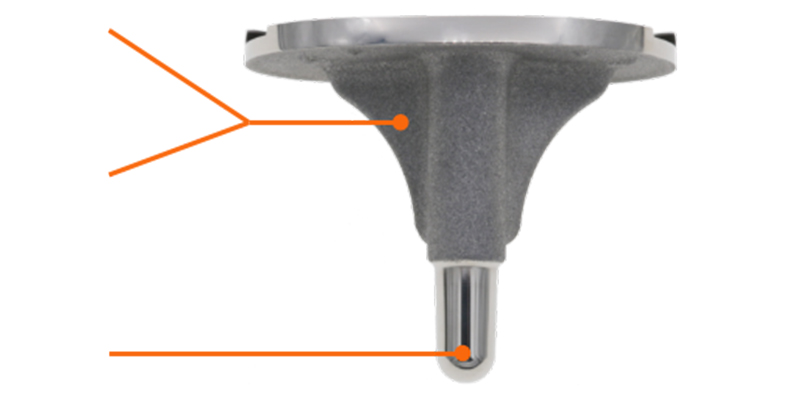
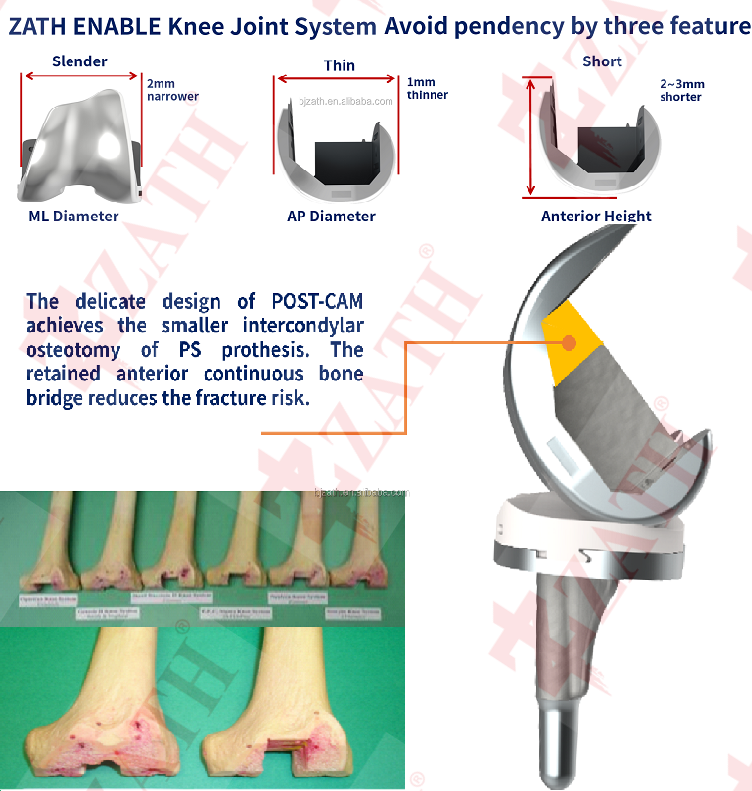
Through press fit, the improved wing design reduces bone loss and stabilizes anchoring.
The big wings and contact area increase rotational stability.
The rounded top reduces stress pain.
Metaphyseal Defect Reconstruction
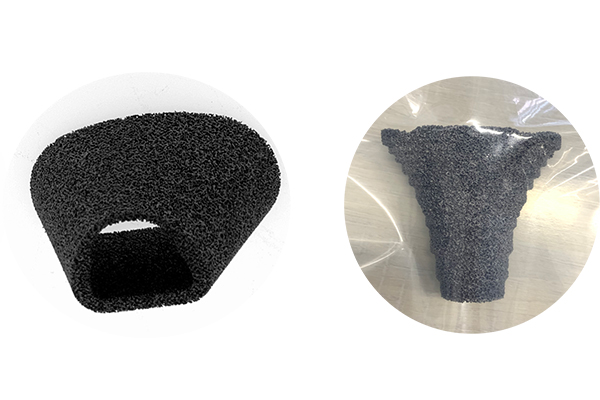
3D printing sleeves to fill large metaphyseal defects with porous metal to allow ingrowth.
Product Overview & Clinical Significance
A knee joint tibial baseplate is a component of a knee replacement system that is used to replace the tibial plateau, which is the top surface of the tibia bone in the knee joint. The baseplate is typically made from metal or a strong, lightweight polymer material and is designed to provide a stable platform for the tibial insert.
During knee replacement surgery, the surgeon will remove the damaged portion of the tibia and replace it with the tibial baseplate. The baseplate is attached to the remaining healthy bone with screws or cement. Once the baseplate is in place, the tibial insert is inserted into the baseplate to form the new knee joint.
The tibial baseplate is an important component of a knee replacement system, as it is responsible for providing stability to the knee joint and ensuring that the tibial insert stays securely in place. The design of the baseplate is critical, as it must mimic the natural shape of the tibial plateau and be able to bear the weight and forces placed upon it during normal joint movement.
Overall, knee joint tibial baseplates have greatly improved the outcomes of knee replacement surgery and have allowed patients to regain mobility, reduce pain, and improve their overall quality of life.
Range of Motion & Recovery
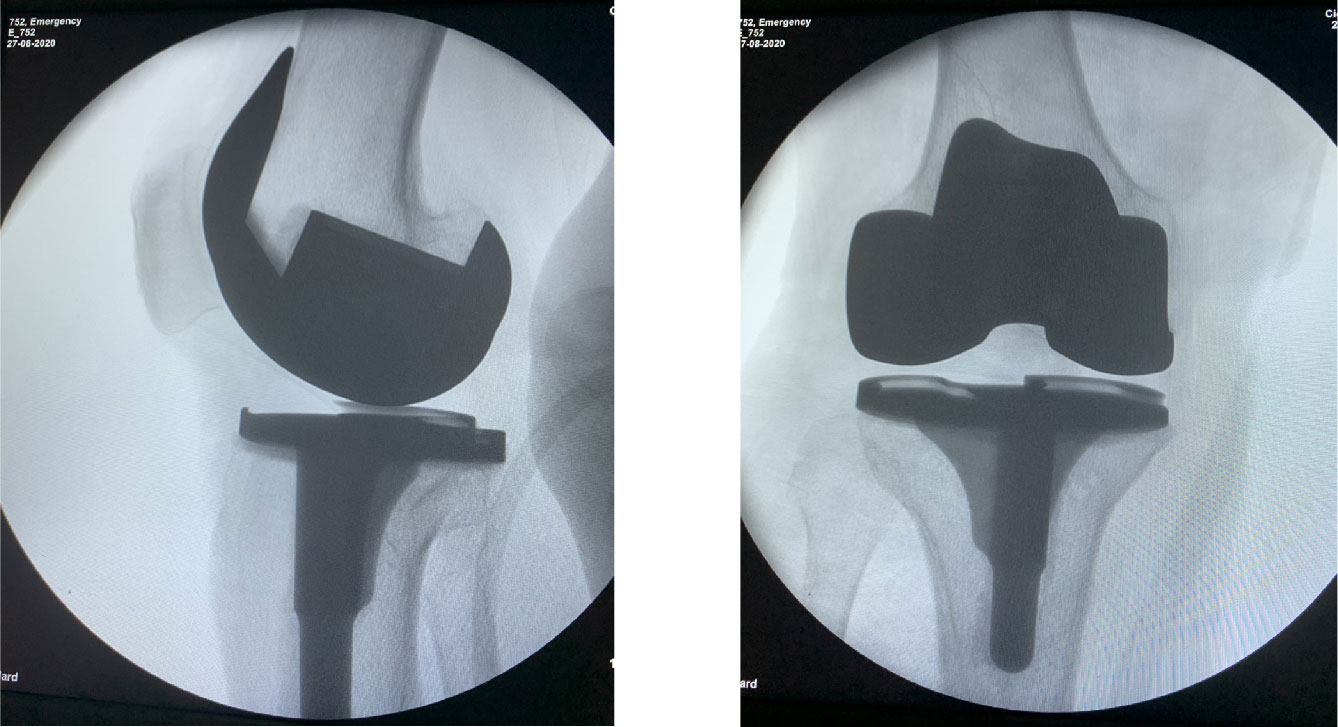
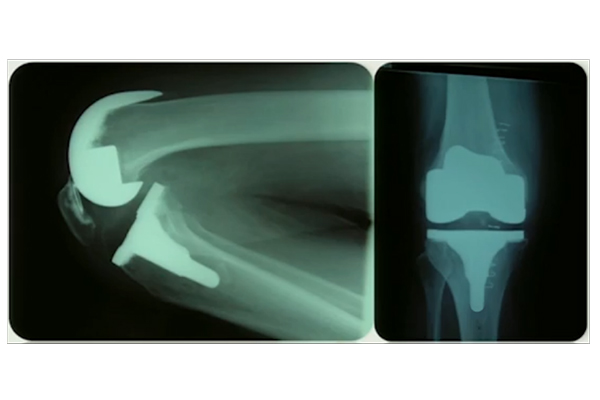
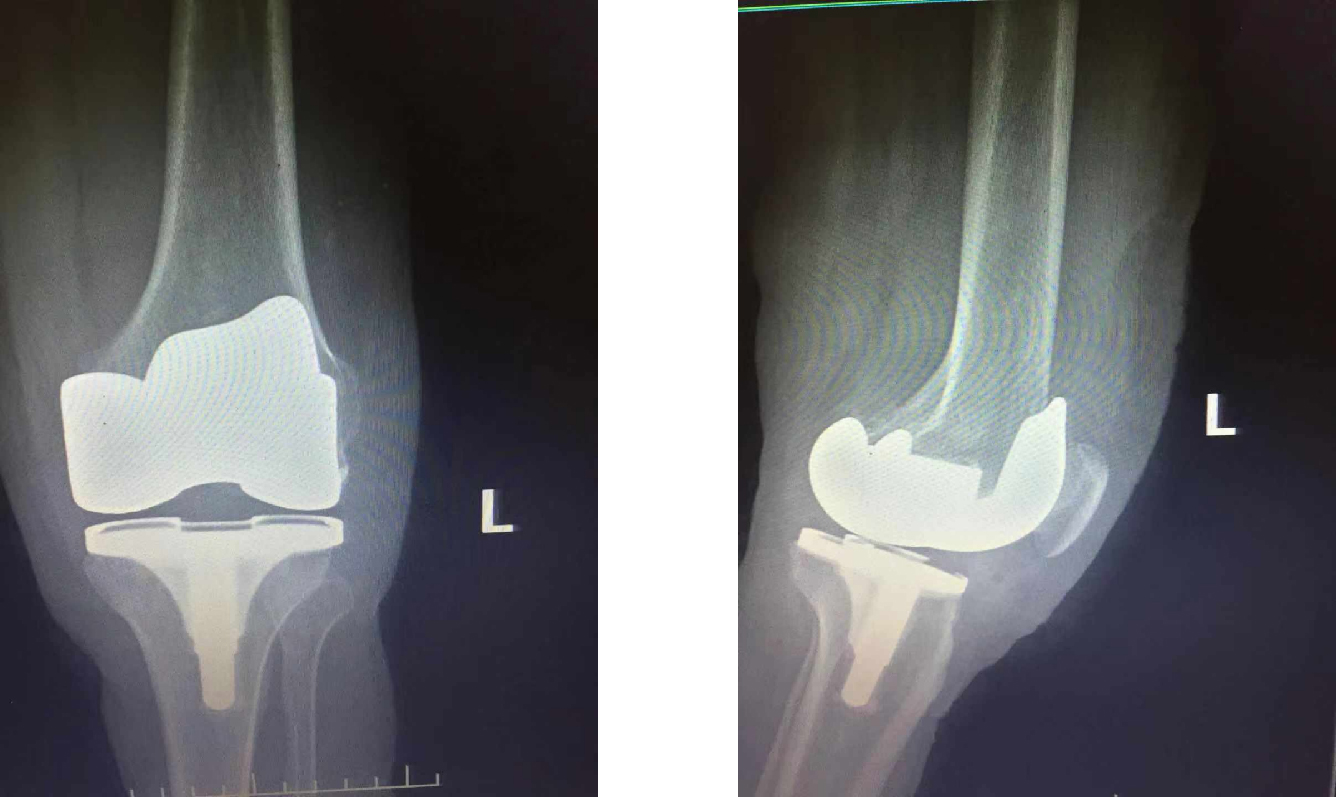
Flexion 155 degree can be achieved with good surgical technique and functional exercise
Frequently Asked Questions (FAQ)
What role does the tibial baseplate play in a total knee replacement?
The tibial baseplate replaces the worn or damaged tibial plateau, acting as a sturdy structural platform that anchors into the tibia bone and secures the tibial insert to ensure joint balance and stability.
What materials are used for the Enable Knee Replacement System components?
The system utilizes biocompatible high-performance materials: Titanium Alloy for the Tibial Baseplate and Trabecular Sleeve, Co-Cr-Mo Alloy for the Femoral Component, and UHMWPE (Ultra-High-Molecular-Weight Polyethylene) for the Tibial Insert and Patella.
What are the main clinical indications for this knee replacement system?
This system is indicated for patients with rheumatoid arthritis, post-traumatic arthritis, osteoarthritis or degenerative arthritis, as well as cases requiring revision after failed osteotomies, unicompartmental replacements, or total knee replacements.
How does the wing and varus stem design enhance implant stability?
The varus stem accommodates the medullary cavity more precisely to optimize positioning, while the expanded wing geometry maximizes bone-contact surface area for superior rotational stability and anchor fixation with reduced bone loss.
How are large metaphyseal bone defects managed with this system?
Metaphyseal bone deficits are addressed using 3D printing trabecular titanium sleeves made with porous metal, which structurally fill defects and facilitate biological bone ingrowth.
What degree of joint flexion can be attained postoperatively?
A high flexion angle of up to 155 degrees can be attained when the implant is combined with accurate surgical technique and dedicated functional postoperative exercise.