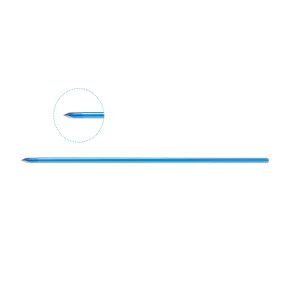
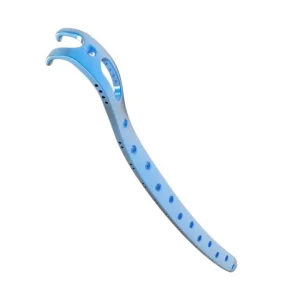
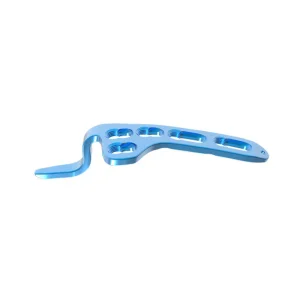
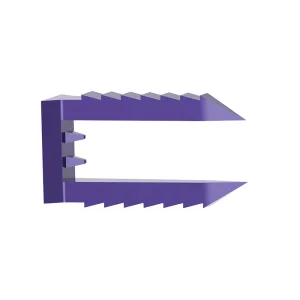
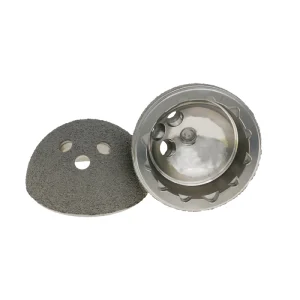
Featured Orthopedic Implant Solutions
Engineered for absolute intraoperative stability, anatomical congruence, and superior biomechanical load distribution.
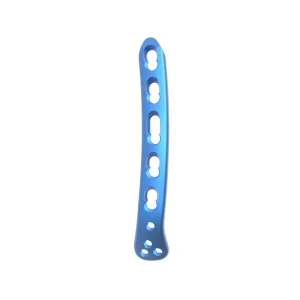
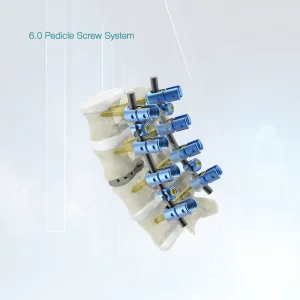
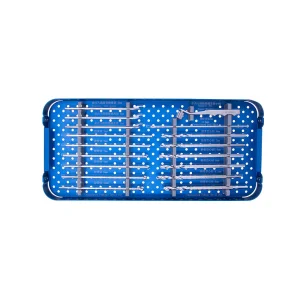
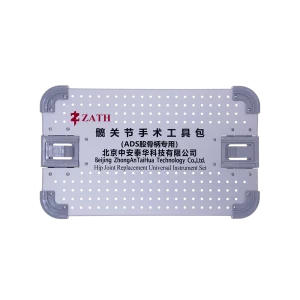
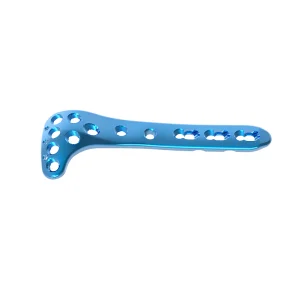
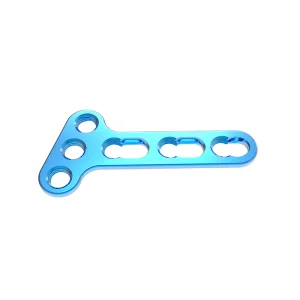
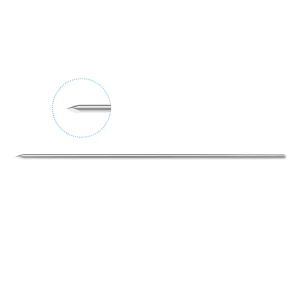
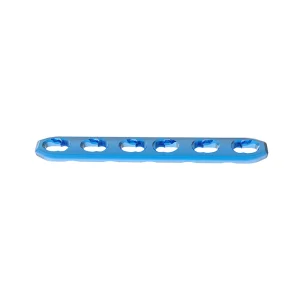
Global Demand Architecture for Clavos Ortopédico Systems
Addressing the surging worldwide demand for intramedullary nailing (clavos endomedulares / ortopédicos), minimally invasive osteosynthesis, and standardized hospital procurement across trauma networks.
High-Energy Trauma Interventions
Urbanization and motor vehicle incidents in emerging and developed markets necessitate rigid, reliable fracture stabilization. Clavos ortopédicos (femoral, tibial, and humeral intramedullary nails) offer load-sharing mechanics that permit early weight-bearing and decrease hospitalization overheads.
Geriatric Osteoporotic Fracture Surge
Aging demographics globally are driving an exponential rise in proximal femoral fractures (intertrochanteric, subtrochanteric). Modern cephalomedullary and reconstruction clavos systems provide angular stability and cephalic blade fixation specifically optimized for low bone mineral density (BMD).
Supply Chain Consolidation
Healthcare authorities and hospital purchasing alliances (GPOs) are phasing out fragmented vendors. They demand comprehensive OEM/ODM manufacturers capable of delivering ISO 13485-certified systems with fully integrated, sterile-packed instrumentation kits and verifiable lot records.
Titanium Alloy vs. Medical Stainless Steel Specifications
Precision selection between Grade 5 Ti-6Al-4V ELI (ASTM F136) and High-Nitrogen Surgical Stainless Steel (ASTM F138) guarantees optimized fatigue endurance, corrosion immunity, and matched Young's modulus.
| Performance Parameter | Ti-6Al-4V ELI (ISO 5832-3 / ASTM F136) | 316LVM Stainless Steel (ISO 5832-1 / ASTM F138) | Clinical Significance for Clavos |
|---|---|---|---|
| Elastic Modulus (GPa) | 110 – 114 GPa | 190 – 200 GPa | Closer to cortical bone (18-20 GPa); substantially reduces stress shielding and secondary cortical resorption. |
| Yield Strength (MPa) | ≥ 795 MPa | ≥ 690 MPa | Mitigates nail deformation during aggressive impaction and early full weight-bearing rehabilitation. |
| Fatigue Resistance | Exceptional (High cyclic threshold) | Moderate to High | Prevents mechanical failure at transverse distal and proximal locking aperture sites during delayed healing. |
| MRI Compatibility | Non-ferromagnetic (Artifact Minimal) | Mild Artifact Generation | Allows superior post-operative visualization in polytrauma soft tissue, spine, and neurovascular assessments. |
| Surface Passivation | Spontaneous TiO2 Layer Formation | Electropolished Passivated Cr2O3 | Zero fretting corrosion inside the intramedullary reamed cavity, eliminating metallosis risks. |
Localized Registration & Compliance Assurance
Ensuring zero-friction customs entry, hospital compliance, and regulatory adherence across Latin America (ANVISA, COFEPRIS), Europe (CE MDR), and APAC markets.
Bilingual Dossier Preparation
We provide full Technical Files (TF), Certificates of Free Sale (CFS/FSC), Declarations of Conformity, and mechanical test validation data (ASTM F384 / ASTM F543) formatted in English and Spanish for streamlined local health ministry authorization.
Validated Sterile Packaging
ISO Class 7 cleanroom sealing using medical Tyvek® blisters ensures an airtight bacterial barrier with a validated 5-year shelf life. Reduces hospital operational costs, skips central sterilization overhead, and eliminates cross-contamination risks.
Flexible OEM/ODM Customization
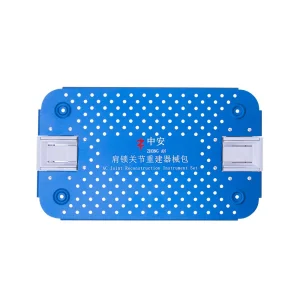
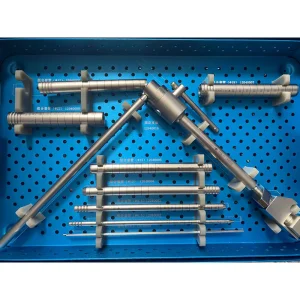
Specialized manufacturing runs accommodate anatomical specifications tailored to regional anthropometric norms. Laser marking of distributor logos, customized surgical instrument layout cassettes, and targeted color-anodization protocols are fully supported.
Technology Roadmap: Next-Gen Clavos Ortopédico
Pioneering smart biomechanics, biological surface functionalization, and augmented targeting systems to transform modern fracture management.
Bioactive Trabecular Coatings
Integration of 3D-printed titanium porous structures and osteoinductive hydroxyapatite (HA) plasma coatings to accelerate osteointegration in complex non-union and metaphyseal defects.
Electromagnetic Distal Targeting
Moving past fluoroscopy-dependent locking. Radiation-free electromagnetic distal aiming guides simplify screw alignment, cutting intraoperative X-ray exposure by upwards of 70%.
Carbon-Fiber PEEK Hybrids
Next-generation composite intramedullary nails providing radiolucency for unimpeded oncological monitoring and elastic modulus profiles virtually identical to natural bone cortex.
Smart Telemetric Sensing
Micro-sensor modules embedded in hollow nail shafts to monitor real-time strain variations, detecting fracture union progression and early implant overload before catastrophic fatigue.
Frequently Asked Questions: Clavos Ortopédico
Critical operational, clinical, and logistical clarifications for global distributors, tender directors, and hospital purchasers.
What distinguishes your factory's Clavos Ortopédico (Intramedullary Nails) in clinical fatigue testing?
Are complete, dedicated extraction and insertion instrument sets available for each nail diameter?
Can you provide custom labeling, localized language IFUs, and distributor branding (OEM)?
What is your lead time for large hospital tenders and wholesale emergency container orders?
Advanced Surgical Reconstruction Systems
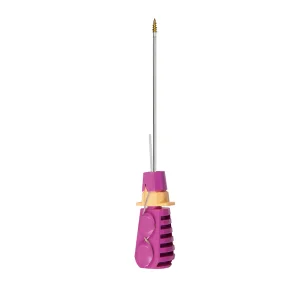
Complementary reconstructive plating, suture anchor soft-tissue attachments, and specialized minimally invasive instrumentation.