1 / 4
ODM Proximal Femur Locking Plate III Manufacturer, Suppliers
Product Description
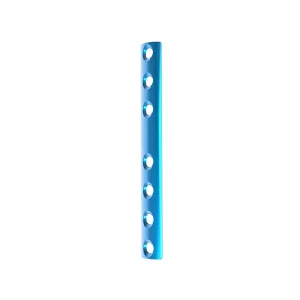
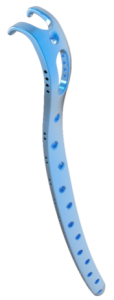
Proximal Femur Locking Plate III Specifications
| Product Name | Proximal Femur Locking Plate III |
| Available Sizes (Left) |
7 holes x 212mm (Left) 9 holes x 262mm (Left) 11 holes x 312mm (Left) 13 holes x 362mm (Left) |
| Available Sizes (Right) |
7 holes x 212mm (Right) 9 holes x 262mm (Right) 11 holes x 312mm (Right) 13 holes x 362mm (Right) |
| Width | 18.0mm |
| Thickness | 6.0mm |
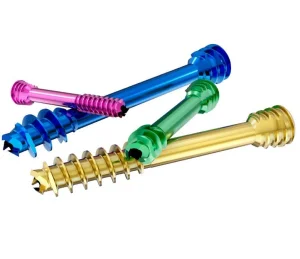
| Matching Screw | 5.0 Locking Screw, 1.8 cable |
| Material | Titanium |
| Surface Treatment | Micro-arc Oxidation |
| Qualification | CE / ISO13485 / NMPA |
| Package | Sterile Packaging 1pcs/package |
| MOQ | 1 Pcs |
| Supply Ability | 1000+ Pieces per Month |
Product Overview & Features
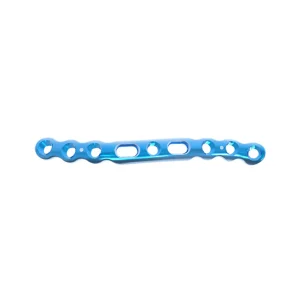
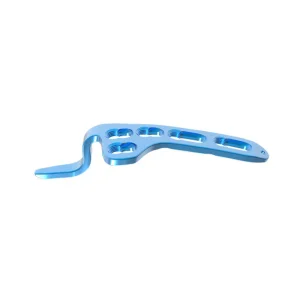
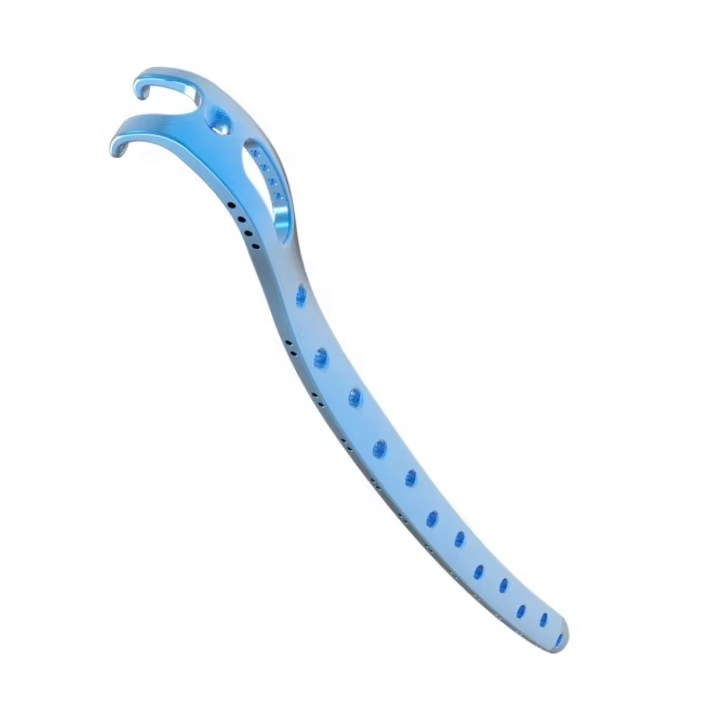
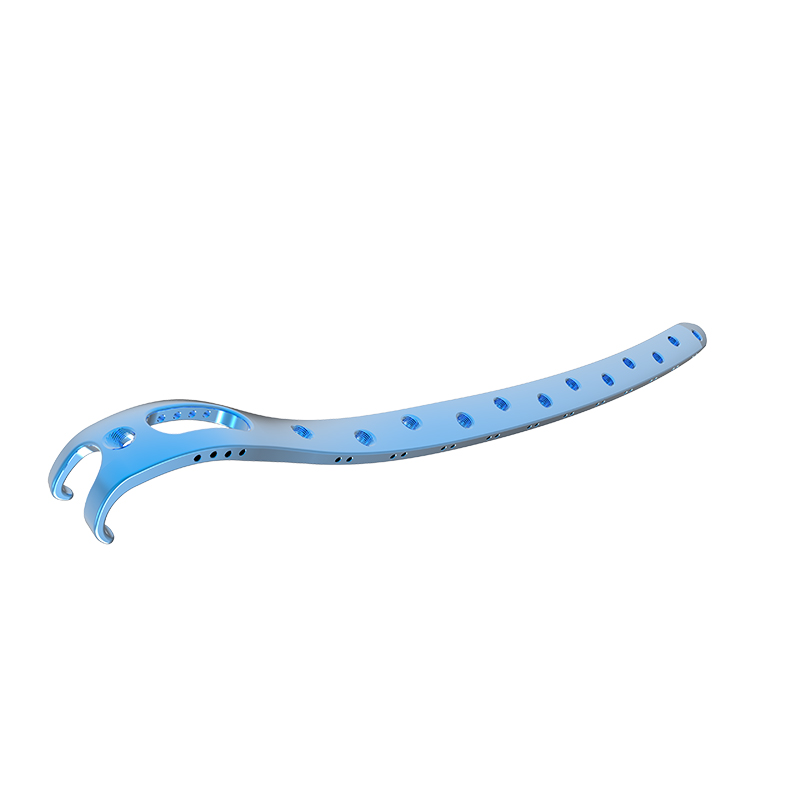
One of the standout features of this locking plate is its dual hook configuration, which greatly facilitates placement. This design allows for easy and precise positioning, saving both time and effort for the surgeon. Additionally, the Proximal Femur Locking Plate comes in both left and right variations, ensuring a perfect fit for each patient.
For added convenience and safety, the Proximal Femur Locking Plate is available in sterile-packed packaging. This ensures that the product arrives in pristine condition, ready to be used immediately. We understand the importance of maintaining a sterile environment during surgery, and this packaging guarantees that.
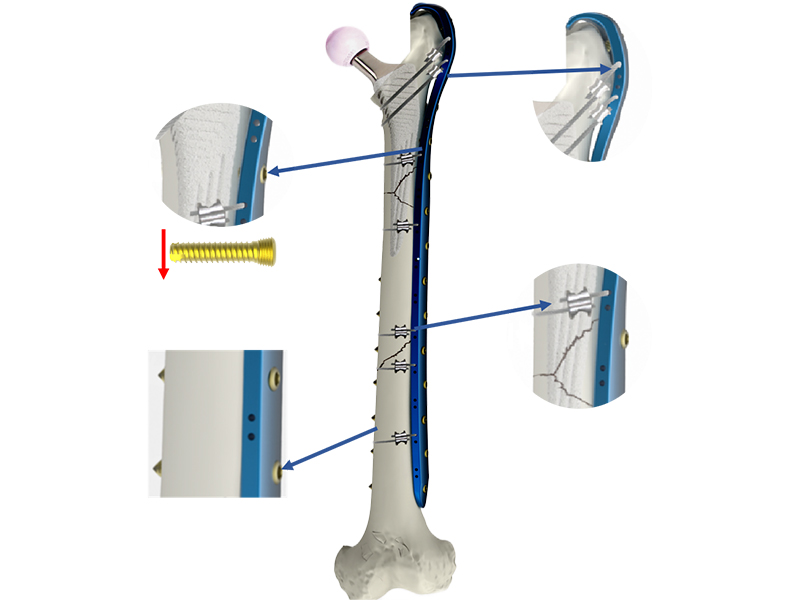
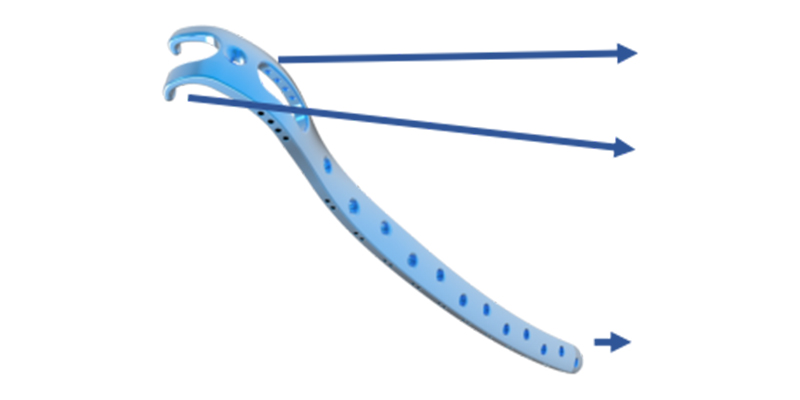
Not only does the proximal femur plates excel in functionality, but it also prioritizes patient comfort. The plate has been anatomically contoured to approximate the lateral aspect of the proximal femur. This level of precision ensures a snug fit, minimizing post-operative discomfort and improving overall patient outcomes.
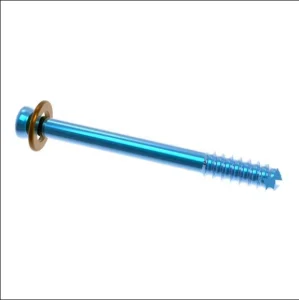
Furthermore, the LCP Proximal Femoral Plate features a unique flat head locking screw. Compared to general locking screws, this special screw provides more effective thread contact, resulting in better screw purchase. This enhances the overall stability of the construct and maximizes implant success rates.
To further reinforce the fixation, the Proximal Femur Locking Plate offers the option of using Φ1.8 cable through a pre-set cable hole. This additional feature adds an extra layer of security to the construct, ensuring optimal fixation and promoting faster bone healing.
In conclusion, the Proximal Femur Locking Plate is a breakthrough product in orthopedic surgery. Its advanced features, such as the use of locking screws, dual hook configuration, sterile-packed packaging, anatomical contouring, and special locking screw design, make it the ideal choice for surgeons seeking a reliable and efficient solution for proximal femoral unicortical fixation.
Angular Stability: Use of locking screws provides an angular stable construct independent of bone quality.
Dual Hook Design: Dual Hook configuration facilitates accurate placement and superior grip.
Anatomical Variation: Dedicated Left and right plates contoured to proximal femur anatomy.
Safe Packaging: Available sterile-packed for maximum procedural safety and ease of use.
Indications for Use
- Fractures of the trochanteric region, trochanteric simple, cervicotrochanteric, trochanterodiaphyseal, multifragmentary pertrochanteric, intertrochanteric, reversed or transverse fractures of the trochanteric region or with additional fracture of the medial cortex
- Fractures of the proximal end of the femur combined with ipsilateral shaft fractures
- Metastatic fracture of the proximal femur
- Osteotomies of the proximal femur
- Also for use in fixation of osteopenic bone and fixation of nonunions or malunions
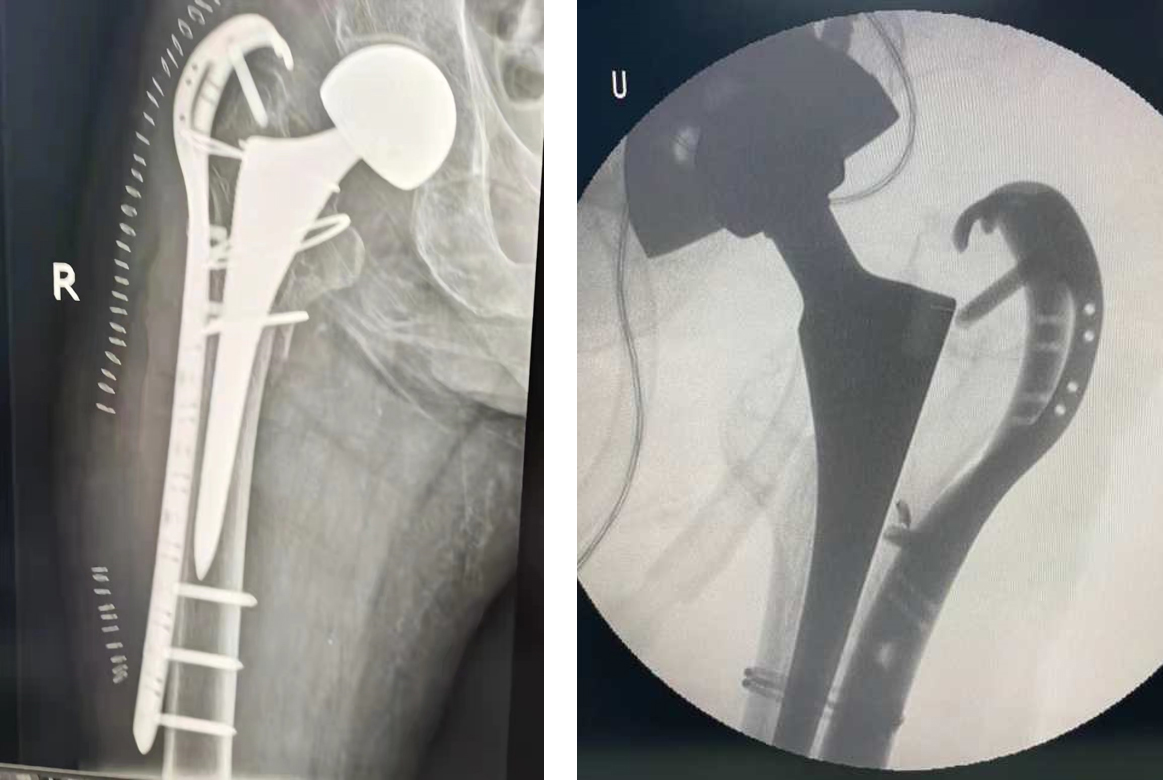
- Periprosthetic Fractures
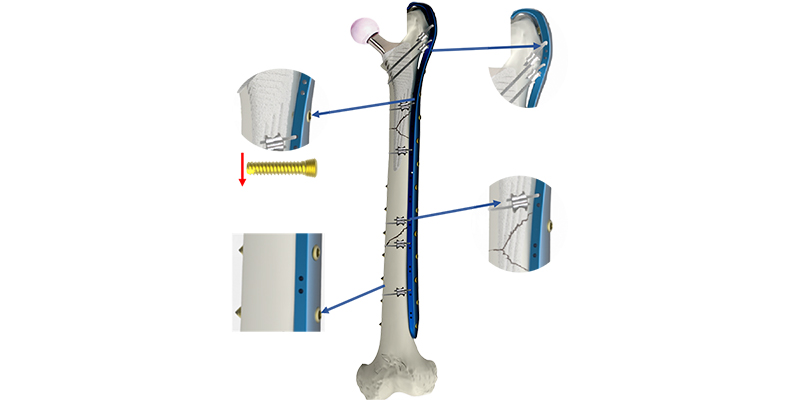
Fixation & Structural Characteristics
- Anatomically contoured to approximate the lateral aspect of the proximal femur
- Proximal femoral unicortical fixation with special flat head locking screw. More effective thread contact than general locking screw provides better screw purchase
- Use Φ1.8 cable through pre-set cable hole according to the fracture positions to ensure the fixation strength
- Distal biocortical fixation by general locking screw
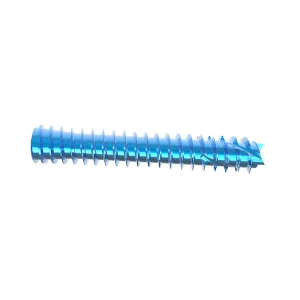
- The most proximal screw hole accepts a 7.0 mm cannulated locking screw
- Two proximal hooks engage the superior tip of the greater trochanter
- Tapered plate tip for submuscular insertion preserves tissue viability
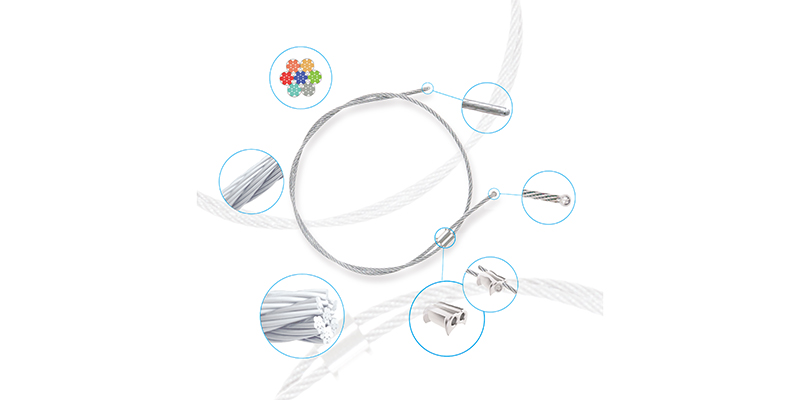
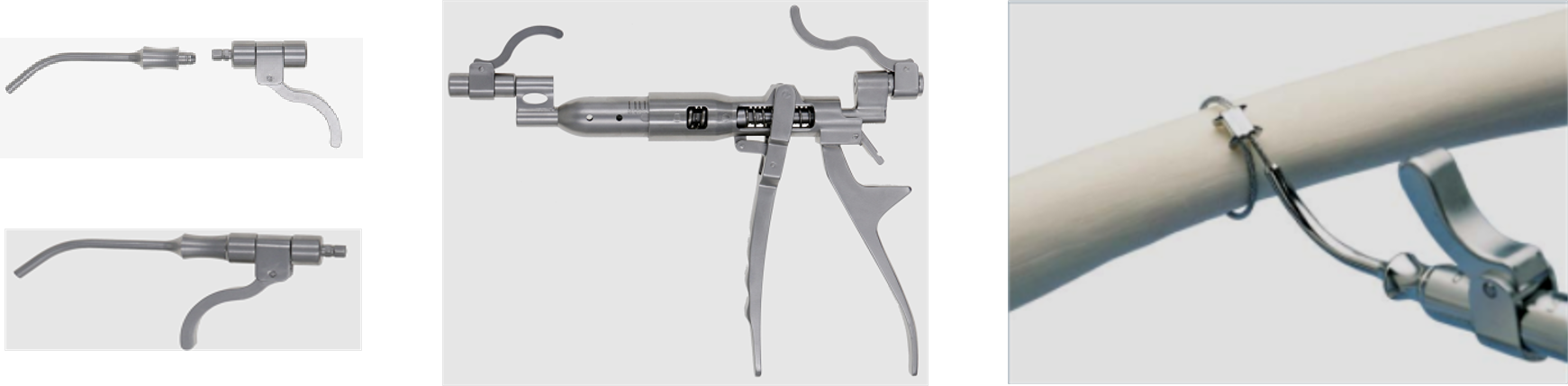
Gun Type Cable Tensioner & Metal Cable System
Gun Type Cable Tensioner | Special Instrument for Metal Cable
- 7x7 snowflake structure weaved by titanium alloy wire. High strength and suppleness
- Tapered plate tip for submuscular insertion preserves tissue viability
- The guiding end is round and blunt, avoiding puncturing operator’s gloves and skin
- Apply the same material with bone plate. Excellent biocompatibility
- Design of slipping proof
- The cutting face is smooth, will not disperse and cause soft tissue irritation
- Crimp tightening: The simple and firm crimping design
Frequently Asked Questions (FAQ)
What material is used for the Proximal Femur Locking Plate III and its cable system?
The system is manufactured from high-grade Titanium treated with Micro-arc Oxidation. The metal cable also utilizes the same titanium alloy wire material weaved into a 7x7 snowflake structure, ensuring optimal biocompatibility and high mechanical strength.
What are the available length and hole specifications for this implant?
The plate is offered in both Left and Right configurations across four main sizes: 7 holes (212mm), 9 holes (262mm), 11 holes (312mm), and 13 holes (362mm), with a uniform width of 18.0mm and thickness of 6.0mm.
What types of screws and cables are compatible with this plate?
The plate matches with 5.0 locking screws, special flat head locking screws for proximal unicortical fixation, a 7.0 mm cannulated locking screw for the most proximal screw hole, and a Φ1.8 cable inserted through pre-set cable holes.
How does the dual hook configuration benefit surgical placement?
The two proximal hooks engage the superior tip of the greater trochanter. This configuration facilitates precise anatomical positioning, simplifies plate placement, and enhances construct stability during surgery.
What international quality certifications does this orthopedic system have?
The Proximal Femur Locking Plate III is certified under CE, ISO13485, and NMPA standards, ensuring compliance with global medical device manufacturing and safety regulations.
How is the product packaged and what is the minimum order quantity (MOQ)?
Each plate is provided in individual sterile packaging (1 pcs/package) ready for immediate operative use. The Minimum Order Quantity (MOQ) is 1 piece, with a supply capacity exceeding 1,000 pieces per month.