
Featured Precision Implants & Trauma Systems (Part I)
High-performance orthopedic assemblies precision-machined under certified cleanroom controls. Discover our trauma reconstruction matrices, MIS spinal access channels, and primary joint solutions.
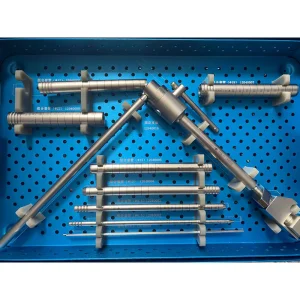
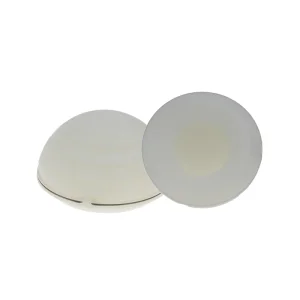
High-Quality TDC Cemented Acetabular Cup Artificial hip Joint Prosthesis Supplier, Suppliers
Explore Specifications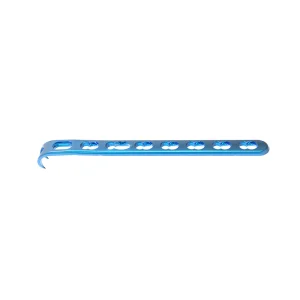
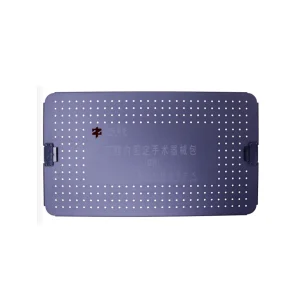
China High Quality Pelvic Reconstruction Plate Instrument Set Factories, Exporters
Explore Specifications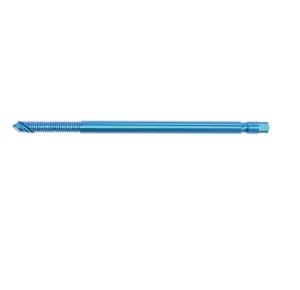
Cheap Titanium Alloy Pin for Orthopedic External Fixation Pricelist, Exporter
Explore Specifications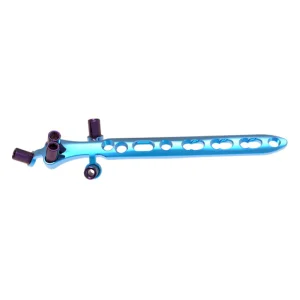
Biomechanical Rigidity & Metallurgical Architecture of Pelvic Locking Systems
Pelvic ring and acetabular fractures represent the absolute apex of skeletal trauma complexity. High-energy vertical shear and lateral compression forces demand internal fixation plates capable of dynamic load redistribution without plastic deformation or premature fatigue failure.
Ti-6Al-4V ELI Alloy Integrity
Every pelvic reconstruction locking plate from ZATH is milled from medical-grade Extra Low Interstitial Titanium Alloy (ASTM F136 / ISO 5832-3). This metallurgical grade reduces oxygen, nitrogen, and carbon content to absolute trace levels, vastly enhancing notch toughness and cyclic bending endurance under cyclic walking forces.
The controlled microstructural grain distribution ensures that when orthopedic surgeons execute multi-planar contouring across the pelvic brim, the plate retains tensile strength exceeding 860 MPa without microscopic notch cracking.
Fixed vs Variable Angular Stability
Conventional non-locking plates rely exclusively on bone-plate surface friction, compromising local periosteal microcirculation and posing significant risks of secondary reduction loss in osteoporotic iliac structures.
ZATH’s CE-certified locking reconstruction architecture forms an internal-fixator construct. Threaded screw heads lock securely into precision-tapered plate holes, transferring physiological loads directly from the bone bridge across the implant construct, preventing screw toggle, pull-out, and screw head back-out during weight-bearing rehabilitation.
Multi-Planar Contouring Dynamics
Unlike long bone diaphyseal plates, pelvic reconstruction plates must follow compound, three-dimensional geometric curvatures spanning the true pelvic brim, iliopectineal line, quadrilateral surface, and posterior iliac wing.
Our plates incorporate micro-machined inter-hole structural notches. These engineered transition zones permit in-plane bending, out-of-plane torque, and helical contouring while isolating the locking thread geometry, ensuring locking screws seat with 100% thread engagement even after intense in-situ plate shaping.
Clinical Insight: Avoiding Acetabular Joint Penetration in Complex Trauma
Pelvic fractures (Tile Type B/C, Judet-Letournel T-shaped or transverse acetabular wall disruptions) present razor-thin surgical margins. ZATH's low-profile reconstruction plates (profile thickness calibrated between 2.5mm and 3.5mm) preserve soft tissue clearances adjacent to femoral nerve pathways and external iliac vessels. When paired with directional multi-angle drill guides, locking screws can be oriented tangentially along dense pelvic bone corridors (such as the anterior inferior iliac spine corridor to posterior superior spine), safeguarding articular cartilage integrity.
| Design Parameter | ZATH Standard Specification | Biomechanical Objective | International Standard |
|---|---|---|---|
| Raw Material | Ti-6Al-4V ELI (Grade 23 Titanium) | Maximizes fatigue threshold and eliminates immunogenic response | ISO 5832-3 / ASTM F136 |
| Plate Profile Thickness | 2.5 mm / 3.0 mm / 3.5 mm Anatomical Profiles | Prevents impingement on peritoneal cavity and neurovascular bundles | ISO 14602 Structural Limits |
| Screw System Interface | Ø3.5 mm Cortex & Ø3.5 mm Locking Screws | Hybrid fixation flexibility: fragment compression combined with angle-stable lock | ASTM F543 Standard |
| Surface Passivation | Type II Electrochemical Anodization | Minimizes cold-welding between plate-screw interface; anti-galling | AMS 2488 / ISO 16087 |
| Bending Resilience | Up to 45° In-situ Multi-Axial Contouring | Form-fits true pelvic brim without mechanical micro-fissuring | ASTM F382 Static & Dynamic |
Localized Surgical Indications & Advanced Reconstructive Approaches
Pelvic reconstruction locking plates fulfill vital biomechanical stabilizing functions across diverse clinical protocols. Our designs interface harmoniously with modern minimal-access incisions and traditional open reduction internal fixation (ORIF).
Anterior Column & Acetabular Brim Plating
Employed primarily through the modified Stoppa approach, anterior intrapelvic (AIP) approach, or traditional ilioinguinal exposure. The locking reconstruction plate spans from the inner surface of the iliac fossa across the pectineal line down to the superior pubic ramus.
The high ductile compliance of the titanium allows continuous contouring over the pelvic brim without impinging upon the corona mortis vascular anastomosis. Locking screws placed anteroposteriorly capture the posterior column fragments under rigid mechanical fixation, avoiding secondary medial migration of the femoral head.
Posterior Wall & Column Reconstruction
Utilized via the Kocher-Langenbeck approach for comminuted fractures of the posterior column and posterior acetabular wall, frequently resulting from high-velocity motor vehicle dashboard impacts.
The plate acts as a tension-band neutralization device spanning from the ischial tuberosity to the dense bone of the posterior ilium. The locking screw construct provides solid angular anchor hold, preventing fragment displacement even when hip capsular avulsion forces exert continuous distraction stress.
Sacroiliac Disruption & Posterior Pelvic Ring C-Clamp Fixation
Vertical instability (Tile Type C injuries) involves complete dissociation of posterior ligamentous complexes and sacroiliac joint disruption.
Two anterior reconstruction plates positioned at right angles across the anterior SI joint provide multi-planar rotational and translational stability. Alternatively, curved reconstruction plates contoured across the posterior sacral iliac spines deliver superior fatigue life compared to unthreaded sacral bars, significantly expediting patient out-of-bed mobilization.
Fragility Fractures of the Pelvis (FFP) in Geriatric Trauma
Aging demographics globally have catalyzed an exponential increase in low-energy insufficiency fractures (Rommens and Hofmann FFP classification). Osteopenic pelvic bone possesses severe trabecular thinning, leading to high failure rates when treated with traditional non-locking screws.
ZATH’s locking pelvic plates create a solid rigid bridge across fragile zones. The angle-stable screws do not rely on cortex compressive torque, eliminating screw stripping in compromised bone beds and mitigating the hazards of prolonged bedridden recumbency in elderly patients.
Technical Roadmap & Next-Generation Trauma Research (2026–2035)
ZATH’s Beijing R&D engineering division continuously partners with academic trauma university clinics to redefine implant performance benchmarks. Our multi-year technology roadmap accelerates the convergence of AI anatomical modeling, additive manufacturing, and surface nanotechnologies.
Polyaxial Variable-Angle Locking
Transitioning from monoaxial locking to dynamic variable-angle (VA) locking mechanisms. Allowing surgeons to target screws up to 15° in any direction off-axis ensures trajectory steering around pre-existing implants, joint capsules, or neurovascular bundles without compromising the mechanical pull-out strength of the locking cap interface.
3D Trabecular Titanium Augments
Integrating Electron Beam Melting (EBM) additive manufacturing for severe pelvic bone loss and revision acetabular reconstruction. Porous trabecular lattice structures mimicking native human cancellous bone (65%–75% porosity, 400–600 μm pore size) promote accelerated osseointegration and rapid vascular capillary ingrowth directly through the plate footings.
Bioactive & Antimicrobial Coatings
Development of micro-arc oxidized surfaces enriched with bioactive silver nanoclusters and osteoinductive strontium-doped calcium phosphate coatings. These cutting-edge matrices substantially mitigate deep pelvic surgical site infections (SSI) in polytrauma patients while actively shortening bone union periods by up to 28%.
Chinese Factory Supply Chain Resilience & Precision Scale
Founded in 2009 in the Xinggu Area of Pinggu Park, Zhongguancun Science and Technology Park, Beijing, Beijing ZhongAnTaiHua Technology Co., Ltd. (ZATH) has spent over 15 years perfecting vertically integrated orthopedic manufacturing. With over 300 highly trained employees and nearly 100 seasoned engineering specialists, we eliminate third-party supply bottlenecks.
5-Axis High-Speed CNC Machining
Our automated machining floor utilizes Swiss-type precision lathes and German DMG MORI 5-axis simultaneous machining centers. Multi-axis continuous milling fabricates complex pre-curved pelvic plates and precision locking screw hole threads in a single fixturing pass.
Single-setup machining minimizes cumulative positional tolerance errors to under ±0.005 mm, guaranteeing absolute interchangeability and preventing cross-threading in the surgical suite.
ISO Class 7 Cleanroom & Packaging
Following multi-stage automated ultrasonic cleaning and chemical passivation, every pelvic plate and locking screw undergoes final inspection within our certified ISO Class 7 (Class 10,000) cleanroom facility.
Sterile barrier systems utilize DuPont™ Tyvek® heat-sealed blister packaging, validating sterile barrier integrity for up to 5 full years. Ready-to-use sterile packaging streamlines hospital supply chains and prevents OR autoclave re-sterilization degradation.
Complete Lot-to-Source Traceability
From raw aerospace-certified medical titanium bar stock to laser-marked finished medical devices, each batch maintains complete digital traceability in accordance with ISO 13485 QMS requirements.
Laser-etched Unique Device Identification (UDI) matrix codes guarantee immediate identification of chemical heat certifications, physical test records, CNC line parameters, and sterilization lot releases across the entire implant lifecycle.
Global Regulatory Framework & Commercial Access Architecture
Navigating international market clearance requires exhaustive documentation and adherence to evolving standards. ZATH empowers global distributors with certified technical dossiers that accelerate regional health authority approvals.
CE Certification & EU MDR (2017/745) Alignment
The European Medical Device Regulation (EU MDR 2017/745) enforces unprecedented clinical scrutiny on Class IIb and Class III implantable devices. ZATH holds validated ISO 13485 certifications, UDEM European certifications, and comprehensive Free Sale Certificates (FSC).
Our Clinical Evaluation Reports (CER) align with MEDDEV 2.7/1 Rev 4 guidelines and MDCG requirements, validated by extensive mechanical fatigue datasets (ASTM F382 static four-point bend, dynamic bending fatigue, and screw torque retention tests). Our distributors enter European and tender-driven global markets fully shielded from regulatory ambiguity.
Distributor Margin Protection & Tender Competitiveness
Escalating hospital procurement pressures in Europe, Latin America (ANVISA, COFEPRIS), and the Middle East require distributors to deliver exceptional clinical safety while maintaining healthy operating margins.
By partnering directly with ZATH's Beijing industrial plant, international distributors eliminate multi-layer Western intermediary markups. Our scalable high-volume production reduces unit acquisition costs by 35%–50% without compromising titanium metallurgical purity or dimensional tolerances, unlocking decisive competitive advantages in national and regional hospital tenders.
Featured Precision Implants & Trauma Systems (Part II)
Expand your hospital catalog with our extensive orthopedic platforms covering anatomically contoured trauma plates, cannulated screw systems, total knee sets, and spine fusion matrices.
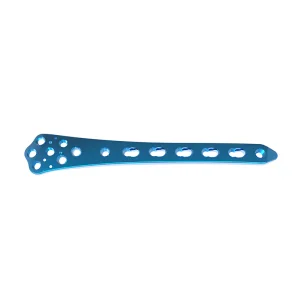
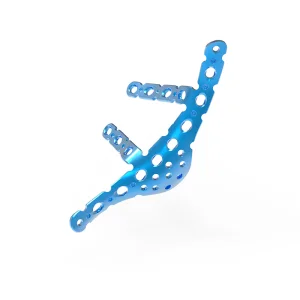
Custom Winged Pelvis Reconstruction Locking Compression Plate Factories, Exporter
Explore Specifications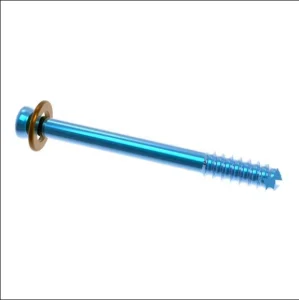
Best Surgical use orthopedic implant cannulated bone screws Exporters, Companies
Explore Specifications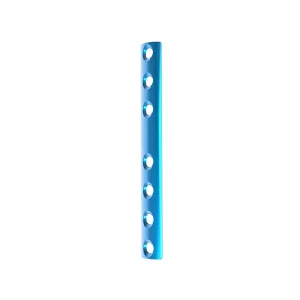
Cheap Metacarpal & Metatarsal Fractures 1/3 Tubular Locking Plate Factories, Service
Explore Specifications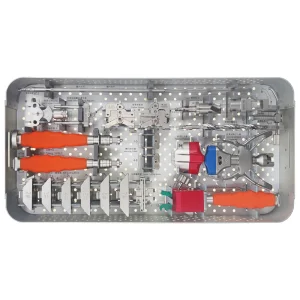
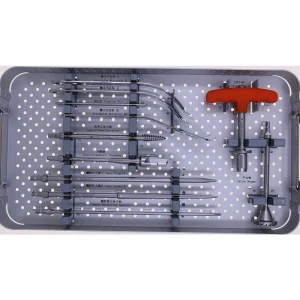
ODM New design quality guaranteed total knee joint instruments Manufacturer, Exporter
Explore Specifications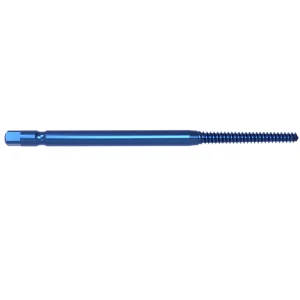
Famous CE Approved Orthopedic Implant THA Hip Instrument Set Femoral Part Supplier, Service
Explore Specifications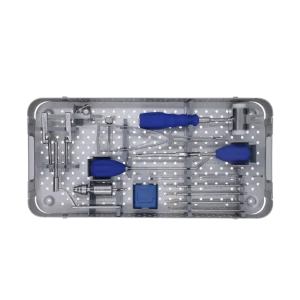
Localization Support, OEM / ODM Capability & Regulatory Assurance
ZATH functions not merely as a production plant, but as an integrated technical partner for regional orthopedic brands. We offer customized manufacturing, clinical translation, and complete regulatory lifecycle management.
Custom OEM / ODM Customization
We engineer bespoke plate contours, proprietary hole spacing, specific plate profile thicknesses, and specialized anodization color coding (blue, gold, green, magenta) tailored to your brand branding. High-precision laser etching applies your trademark, catalog numbers, and UDI barcoding directly onto implants and matching surgical instrument sets.
Surgical Technique Guides & Training
Every system is backed by comprehensive, multi-language Surgical Technique Guides (STGs), step-by-step 3D surgical animations, and instrumentation tray loading maps. We support distributor clinical sales teams with sawbones dry-lab demonstration kits and cadaveric workshop documentation to train local trauma fellows.
Full Dossier & Testing Certification
Our in-house regulatory affairs department provides ready-to-submit Common Technical Documents (CTD) containing ISO 10993 cytotoxicity, hemocompatibility, pyrogenicity, and systemic toxicity reports, accelerated aging package validation, and sterilization dose verification (ISO 11137 / ISO 11135) to expedite local health registration.
Frequently Asked Questions for Clinical Procurement Teams
Key clinical, metallurgical, and logistical questions answered directly by ZATH's senior biomedical engineering and international regulatory divisions.