1 / 2
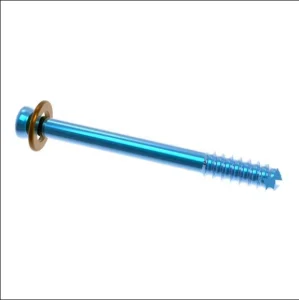
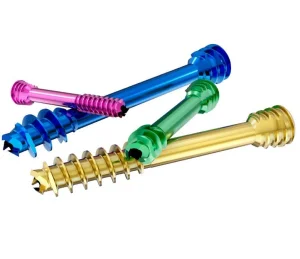
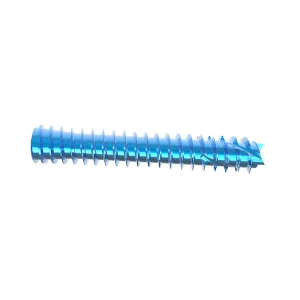
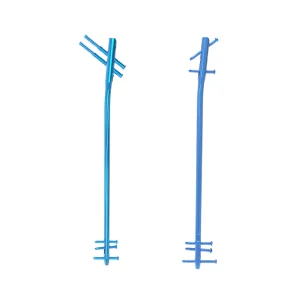
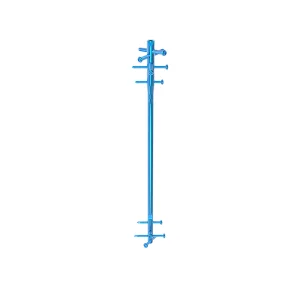
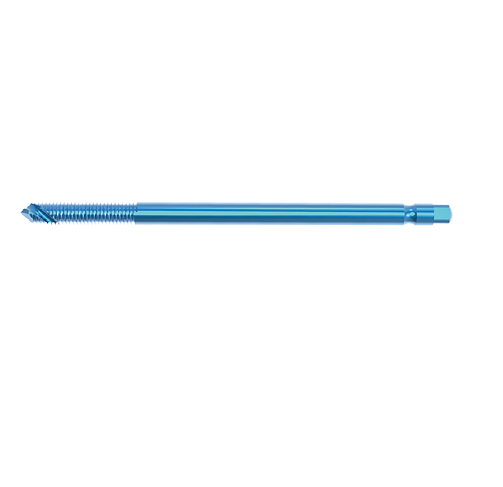
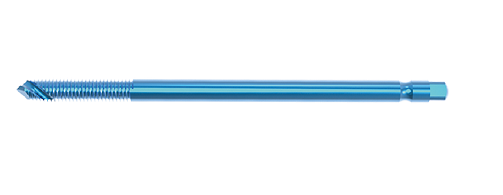
Cheap Titanium Alloy Pin for Orthopedic External Fixation Pricelist, Exporter
Product Description
Product Specifications
| Material | Titanium Alloy |
|---|---|
| Specification |
Φ2.5 x 60 mm
Φ3.0 x 60 mm
Φ3.0 x 80 mm
Φ4.0 x 80 mm
Φ4.0 x 90 mm
Φ4.0 x 100 mm
Φ4.0 x 120 mm
Φ5.0 x 120 mm
Φ5.0 x 150 mm
Φ5.0 x 180 mm
Φ5.0 x 200 mm
Φ6.0 x 150 mm
Φ6.0 x 180 mm
Φ6.0 x 220 mm
|
Frequently Asked Questions
What are the clinical advantages of using titanium alloy pins for external fixation?
Titanium alloy pins offer high biocompatibility, exceptional strength-to-weight ratio, and high corrosion resistance, reducing the risk of tissue irritation and adverse patient reactions during bone stabilization.
How should the pin diameter be selected for surgical procedures?
Pin selection depends on anatomical location and bone size: smaller diameters (Φ2.5–Φ3.0 mm) are typically designated for pediatric or small-bone indications, while larger diameters (Φ4.0–Φ6.0 mm) are utilized for adult long-bone fixation.
Are these external fixation pins MRI compatible?
Titanium alloy pins are non-ferromagnetic, rendering them MRI-conditional under standard clinical scanning parameters with significantly reduced imaging artifacts compared to stainless steel.
Are these pins compatible with standard external fixator clamps?
Yes, the standardized metric diameters (Φ2.5 mm through Φ6.0 mm) ensure wide compatibility with international universal external fixation frame clamps and rod connecting systems.
What sterilization protocols are recommended before application?
The pins must undergo standard medical autoclave steam sterilization (validated high-pressure steam at 134°C / 273°F) following hospital infection control protocols prior to clinical use.