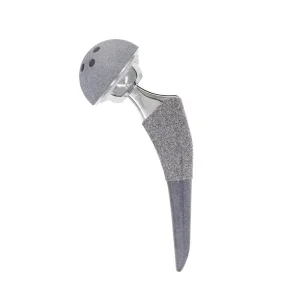
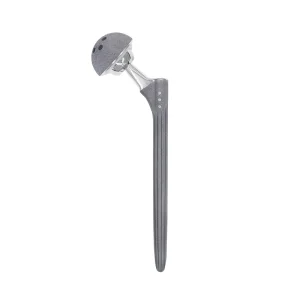

Hip Joint Arthroplasty Reality in the Philippines Medical Ecosystem
The Republic of the Philippines presents a rapidly evolving clinical demographic characterized by an expanding geriatric cohort and a surge in domestic metabolic and degenerative bone disorders, such as secondary osteoarthritis, avascular necrosis (AVN) of the femoral head, and subcapital hip fractures. Medical logistics across the archipelago—from major trauma tertiary hubs in Metro Manila, Metro Cebu, and Davao to regional provincial health centers—face a systemic dual-burden: an acute need for high-performance orthopedic implants engineered to international biomechanical standards, balanced with the rigorous cost-containment frameworks governed by the Philippine Health Insurance Corporation (PhilHealth) and local government bidding parameters.
Historically, the domestic joint replacement market has been partitioned between exorbitant tier-one multinational brands and sub-standard generic implants that often lack long-term clinical survivorship and comprehensive surgical instrumentation sets. In response, Tier-1 surgical distributors and local medical device importers (holding authorized LTO—License to Operate from the Philippine FDA) are actively shifting toward qualified Original Equipment Manufacturer (OEM) and Original Design Manufacturer (ODM) partners capable of executing Class III medical device production with direct validation under ISO 13485 standards.
Demographic Shift & Geriatric Surge
The acceleration of senior citizen coverage under PhilHealth Z-Benefit packages has increased the demand for elective total hip arthroplasty (THA) and emergency hemiarthroplasty throughout Luzon, Visayas, and Mindanao.
- High incidence of osteoporosis-related femoral neck fractures.
- Rising early-stage osteonecrosis requiring cementless interventions.
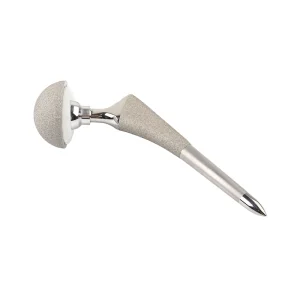
- Increased clinical uptake of dual-mobility articulations.
PFDA Compliance Requirements
Entering the Philippine market mandates compliance with Administrative Order No. 2018-0002, aligning local documentation with ASEAN Common Submission Dossier Templates (CSDT).
- Mandatory Certificate of Medical Device Registration (CMDR).
- Certificate of Free Sale (CFS) and authenticated ISO 13485 QMS.
- Biological evaluation complying with ISO 10993 cytotoxicity assays.
Archipelagic Supply Reliability
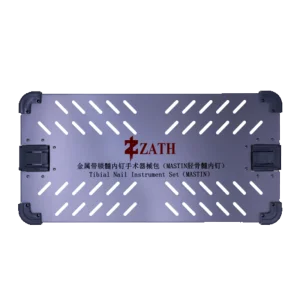
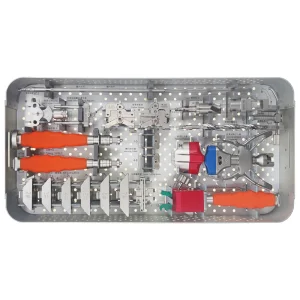
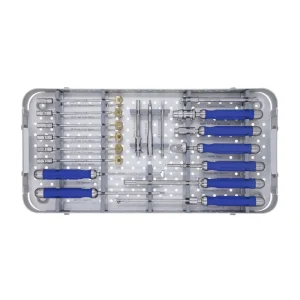
Logistical fragmentation across 7,000+ islands requires reliable sterile-packed implants paired with modular, ergonomic instrument containers to reduce reprocessing overhead.
- Pre-sterilized double-barrier Tyvek blister packaging.
- Consolidated universal rasps and broach systems.
- Reduced surgical instrumentation footprints for regional transit.