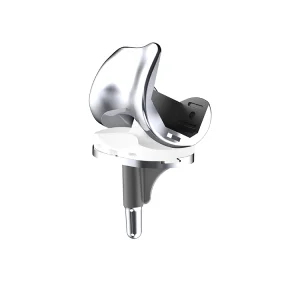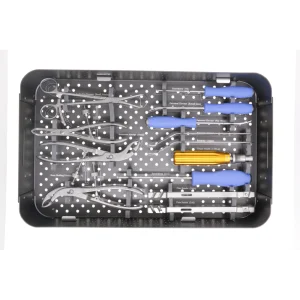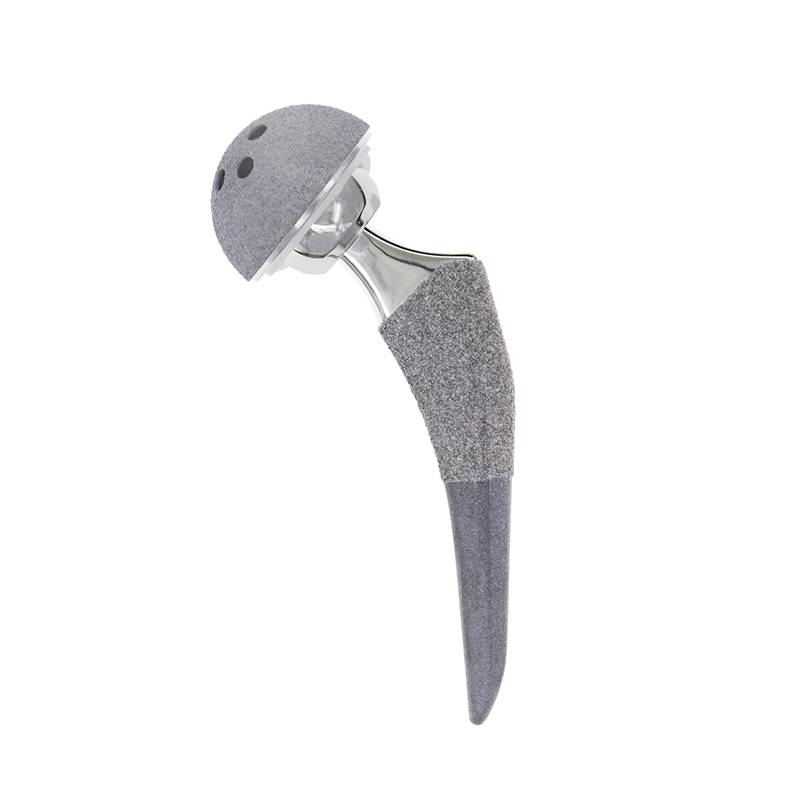
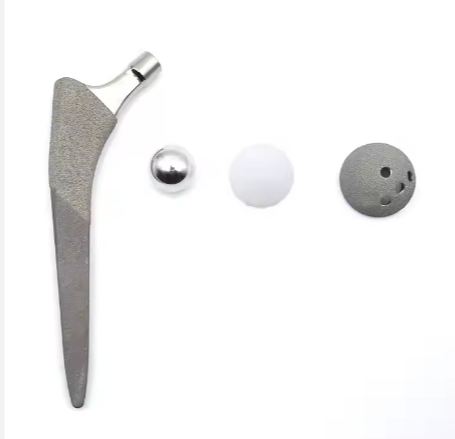
Cheap Hot sale Ti alloy JDS total hip replacement titanium joint prosthesis Quotes, Company
Product Description
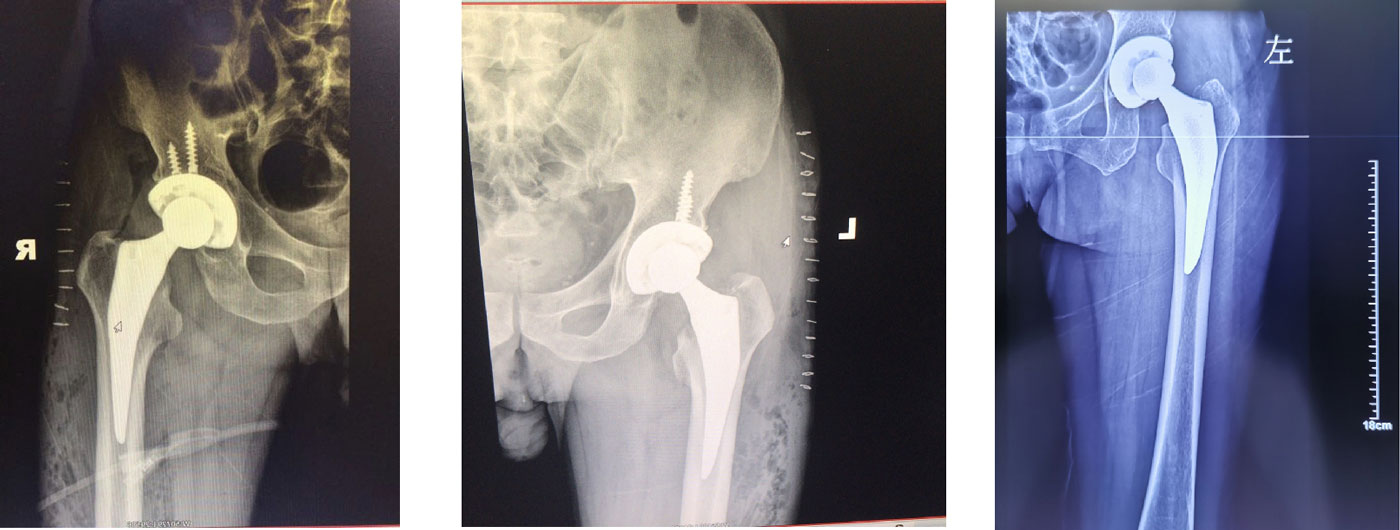
A hip implant is a medical device used to replace a damaged or diseased hip joint, relieve pain and restore mobility. The hip joint is a ball and socket joint that connects the femur (thigh bone) to the pelvis, allowing for a wide range of motion. However, conditions such as osteoarthritis, rheumatoid arthritis, fractures or avascular necrosis can cause the joint to deteriorate significantly, leading to chronic pain and limited mobility. In these cases, a hip implant may be recommended.
Primary and revision hip and knee joint replacements (2012–2018). Primary knee: 54.5%, Primary hip: 32.7%.
Primary THA periprosthetic fracture incidence (higher after revision). Primary TKA: 0.3~5.5%, up to 30% after revision.
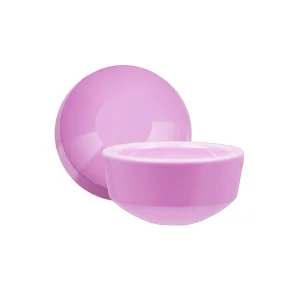
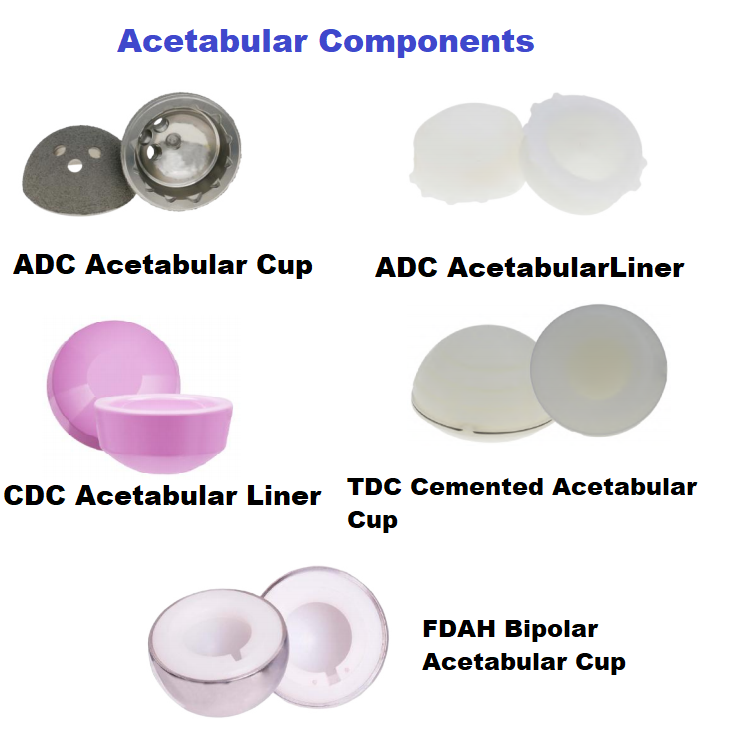
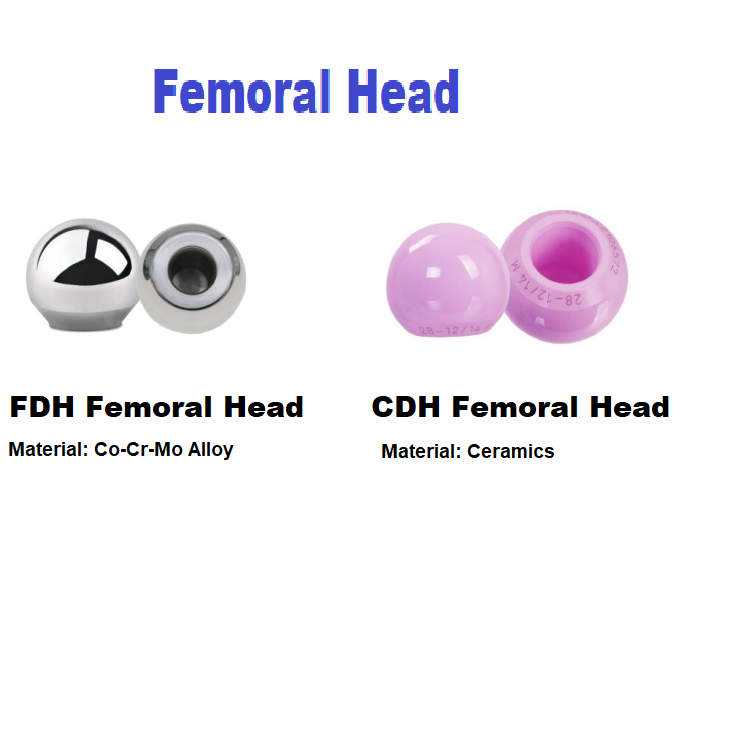
There are two main types of hip implants: total hip replacement and partial hip replacement. A total hip replacement involves replacing both the acetabulum (socket) and the femoral head (ball), while a partial hip replacement typically replaces only the femoral head. The choice between the two depends on the extent of the injury and the specific needs of the patient. Recovery after hip implant surgery varies, but most patients can begin physical therapy soon after surgery to strengthen surrounding muscles and improve mobility. With advances in surgical techniques and implant technology, many people experience a significant improvement in their quality of life after hip implant surgery, allowing them to return to their favorite activities with renewed vigor.
| Stem Length | 110mm / 112mm / 114mm / 116mm / 120mm / 122mm / 124mm / 126mm / 129mm / 131mm |
| Distal Width | 7.4mm / 8.3mm / 10.7mm / 11.2mm / 12.7mm / 13.0mm / 14.8mm / 15.3mm / 17.2mm / 17.7mm |
| Cervical Length | 31.0mm / 35.0mm / 36.0mm / 37.5mm / 39.5mm / 41.5mm |
| Offset | 37.0mm / 40.0mm / 40.5mm / 41.0mm / 41.5mm / 42.0mm / 43.5mm / 46.5mm / 47.5mm / 48.0mm |
| Material | Titanium Alloy |
| Surface Treatment | Ti Powder Plasma Spray |
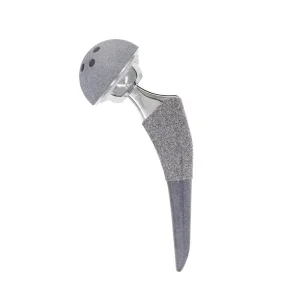
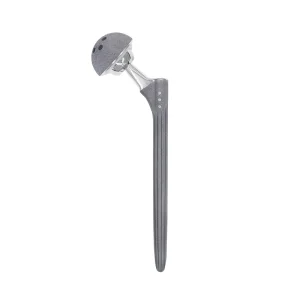
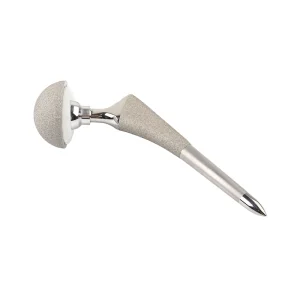
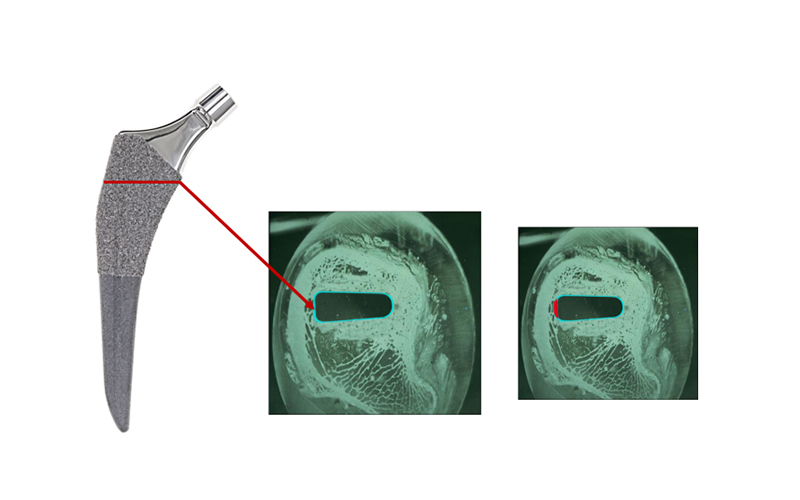
Beneficial to retain more bone mass and intramedullary blood supply in the AP sides of the femoral stem and enhance the stability of rotation.
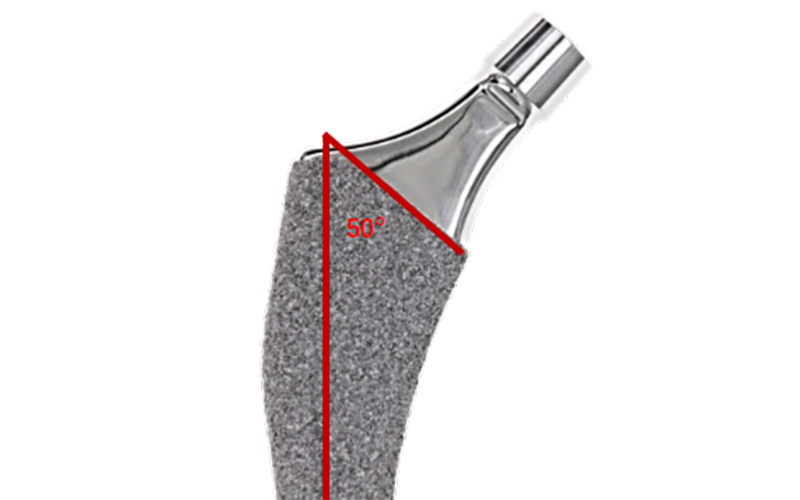
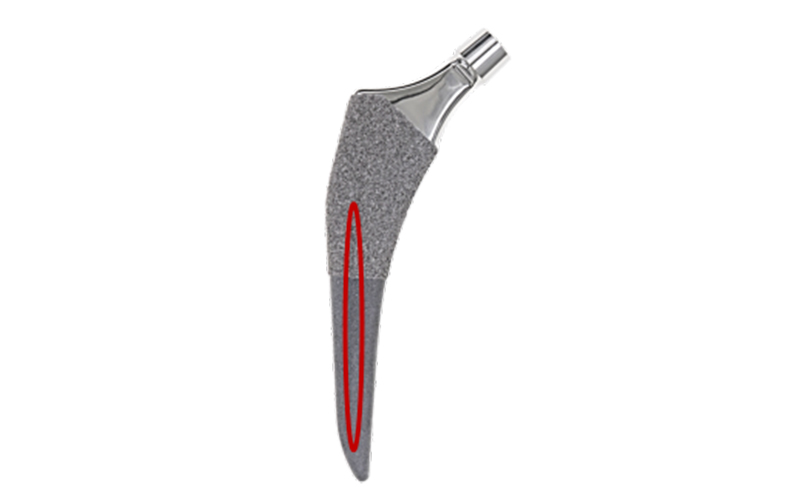
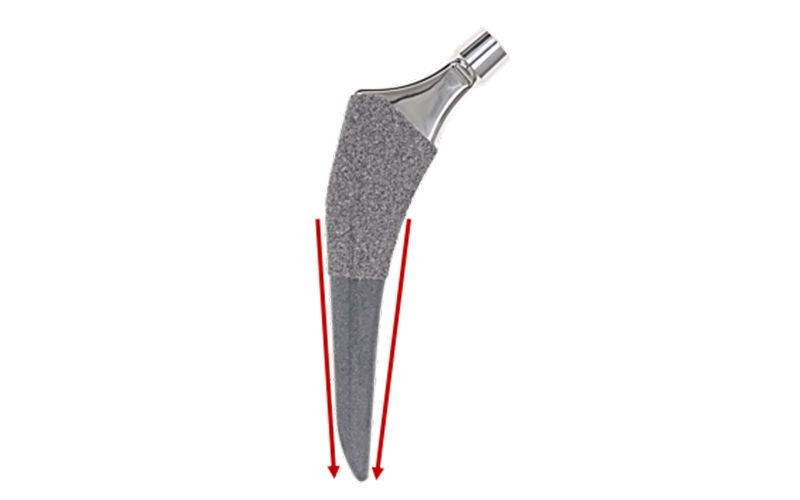
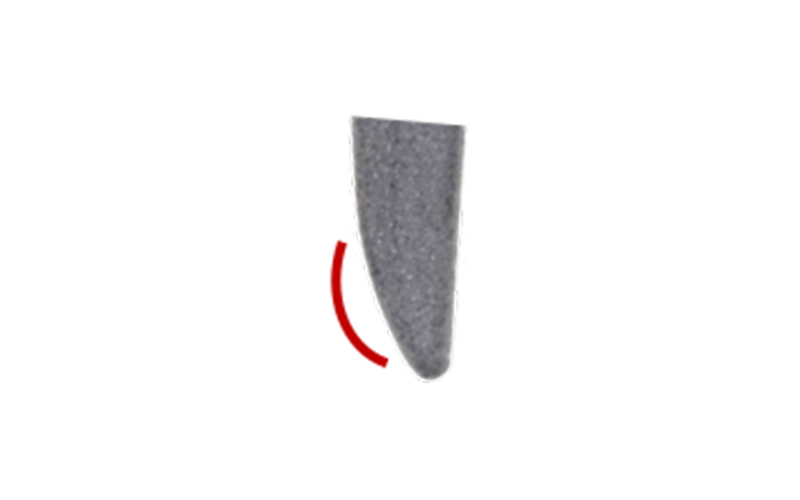
Curved Distal: Beneficial to implant prosthesis through anterior and anterolateral approaches, while avoiding distal stress concentration.
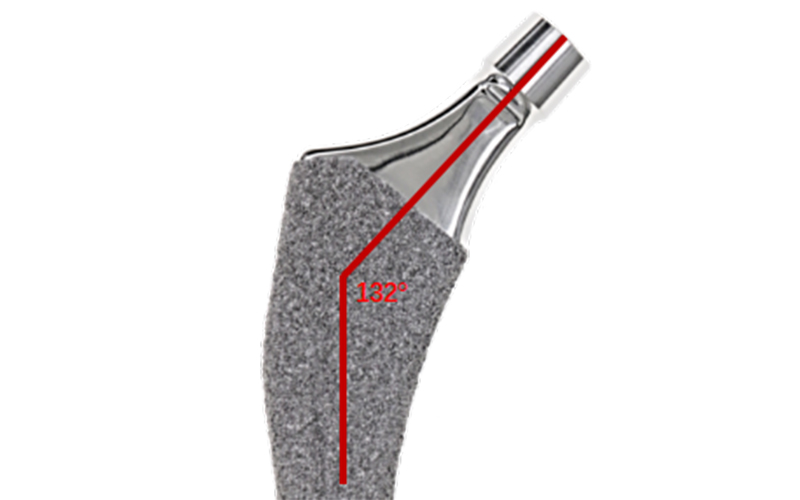
132° CDA: Closer to natural anatomical structure.
50° Osteotomy angle: Protect the femoral calcar for more proximal support.
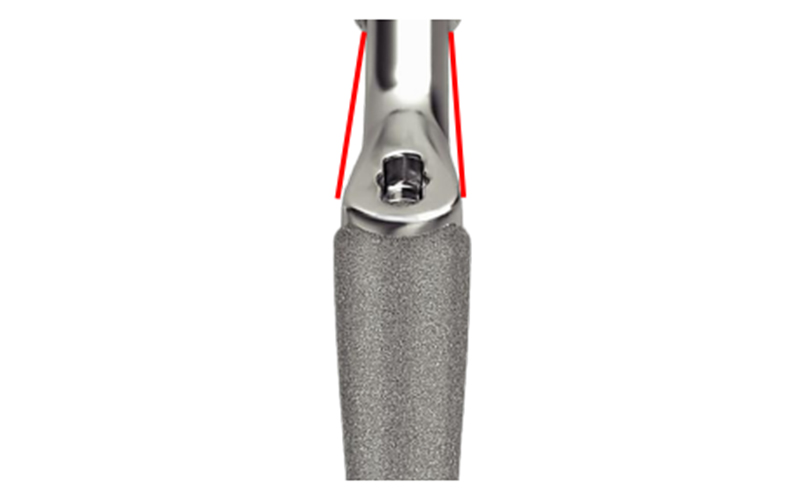
Tapered Neck: Reduce the impact during activity and increase range of motion.
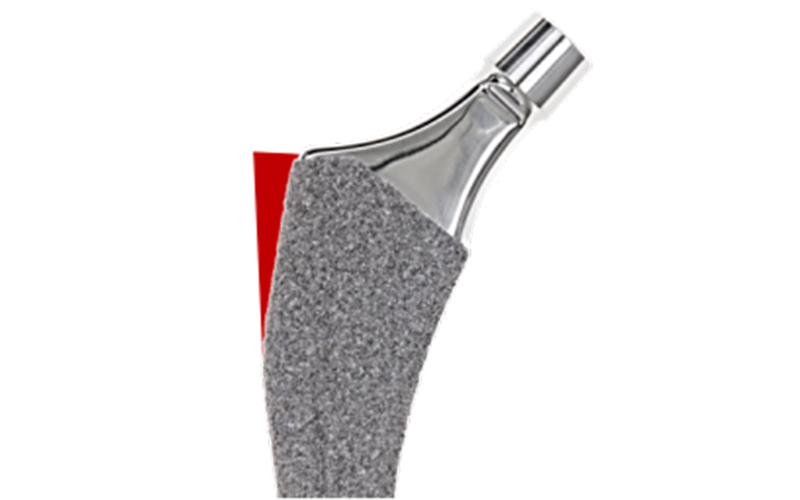
Reduced lateral shoulder: Protect the greater trochanter and allow minimally invasive surgery.
Reduce distal M/L size: Provide proximal cortical contact for A Shape femur to increase initial stability.
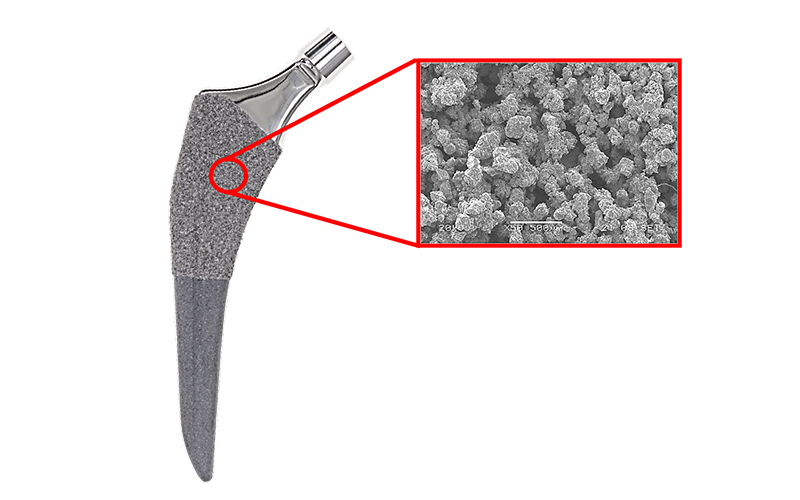
Higher roughness for immediate postoperative stability.
Larger coating thickness and higher porosity make bone tissue grow deeper into the coating, and also have good long-term stability.
Proximal lateral rectangular design: Increase antirotation stability.
A total hip replacement replaces both the acetabulum (socket) and the femoral head (ball), whereas a partial hip replacement typically only replaces the femoral head. Selection depends on the severity of the joint damage and individual patient anatomy.
The femoral stem is crafted from biocompatible Titanium Alloy and treated with Ti Powder Plasma Spray coating, featuring a proximal thickness of 500 μm, 60% porosity, and an Rt 300-600μm roughness profile.
The groove design on both sides helps retain more bone mass and intramedullary blood supply in the AP sides of the stem while significantly increasing rotational stability inside the canal.
The reduced lateral shoulder is engineered to protect the greater trochanter during insertion and accommodate minimally invasive surgical techniques, minimizing soft tissue disruption.
The 132° CDA closely replicates the natural human anatomical structure, while the 50° osteotomy angle protects the femoral calcar to deliver optimal proximal structural support.
A larger coating thickness alongside 60% porosity enables natural bone tissue to grow deeper into the porous matrix, ensuring durable, high-strength biological fixation over time.