Design Principles for DDS Cementless Revision Stems
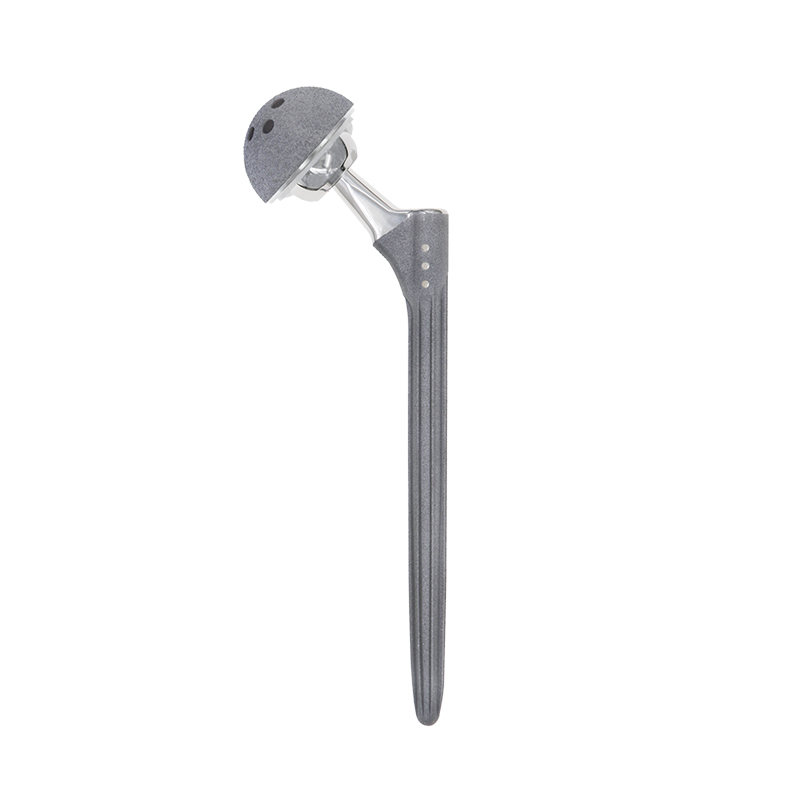
The design principles for DDS cementless revision stems are focused on achieving long-term stability, fixation, and bone ingrowth. Here are some key design principles:
Porous Coating
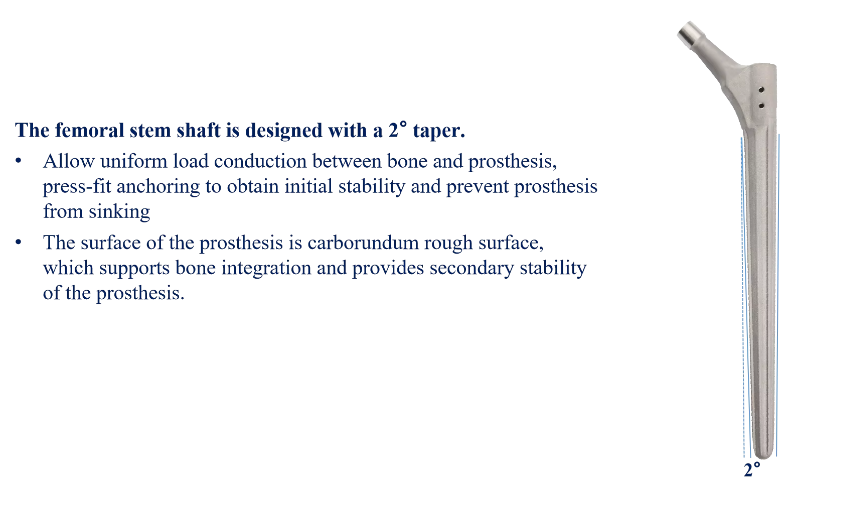
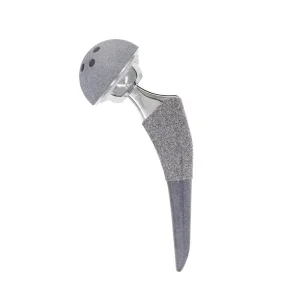
Cementless revision stems typically have a porous coating on the surface that comes in contact with the bone. This porous coating allows for enhanced bone ingrowth and mechanical interlocking between the implant and the bone. The type and structure of the porous coating can vary, but the goal is to provide a rough surface that promotes osseointegration.
Modular Design
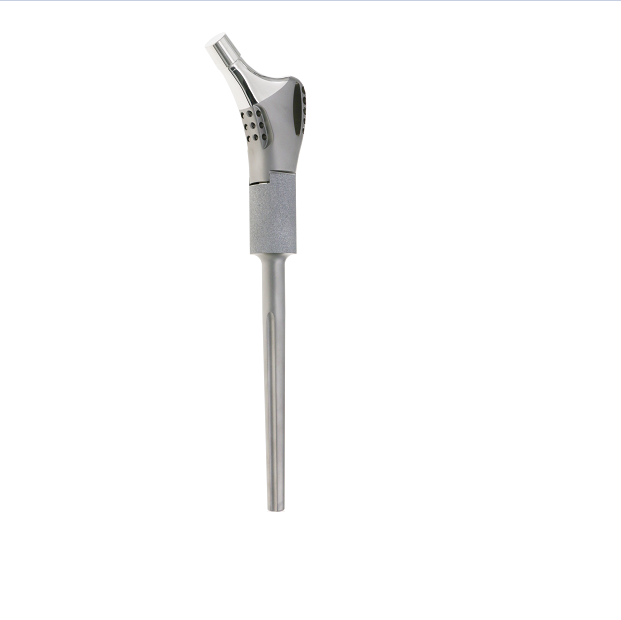
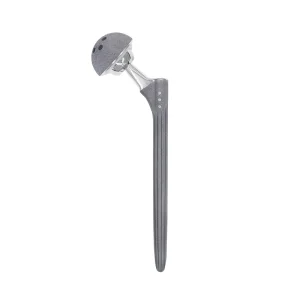
Revision stems often have a modular design to accommodate various patient anatomies and allow for intraoperative adjustments. This modularity allows surgeons to select different stem lengths, offset options, and head sizes to achieve optimal fit and alignment.
Enhanced Proximal Fixation
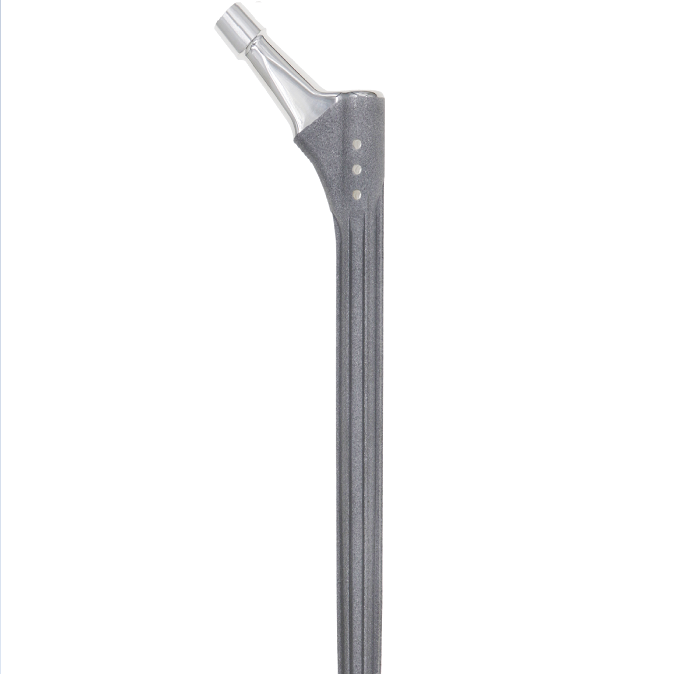
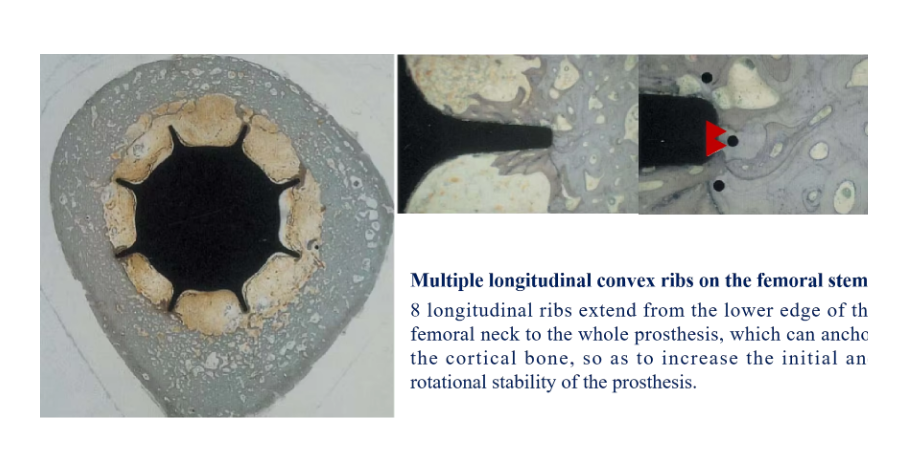
DDS Cementless revision stems may incorporate features such as flutes, fins, or ribs in the proximal portion to enhance fixation. These features engage with the bone and provide additional stability, preventing implant loosening or micromotion.
Clinical Overview & Surgical Procedures
Hip joint is a surgical procedure that aims to improve patient mobility and reduce pain by replacing the damaged hip joint with artificial components. It is typically performed when there is evidence of sufficient healthy bone to support and stabilize the implants. THA is recommended for patients suffering from severe hip joint pain and/or disability caused by conditions such as osteoarthritis, traumatic arthritis, rheumatoid arthritis, and congenital hip dysplasia. It is also indicated for cases of avascular necrosis of the femoral head, acute traumatic fractures of the femoral head or neck, failed previous hip surgeries, and certain instances of ankylosis.
Hemi-Hip Arthroplasty, on the other hand, is a surgical option suitable for patients who have a satisfactory natural hip socket (acetabulum) and enough femoral bone to support the femoral stem. This procedure is particularly indicated in specific conditions, including acute fractures of the femoral head or neck that cannot be effectively reduced and treated with internal fixation, fracture dislocations of the hip that cannot be appropriately reduced and treated with internal fixation, avascular necrosis of the femoral head, non-union of femoral neck fractures, certain high subcapital and femoral neck fractures in elderly patients, degenerative arthritis that affects only the femoral head and does not require replacement of the acetabulum, as well as pathologies involving only the femoral head/neck and/or proximal femur that can be adequately addressed through hemi-hip arthroplasty.
The decision between Total Hip Arthroplasty and Hemi-Hip Arthroplasty depends on various factors, such as the severity and nature of the hip condition, the age and overall health of the patient, and the surgeon's expertise and preference. Both procedures have demonstrated efficacy in restoring mobility, reducing pain, and improving the quality of life for patients afflicted with different hip joint disorders. It is essential for patients to consult with their orthopedic surgeons to determine the most appropriate surgery option based on their individual circumstances.
Product Specifications
Stem Length
Distal Diameter
Cervical Length
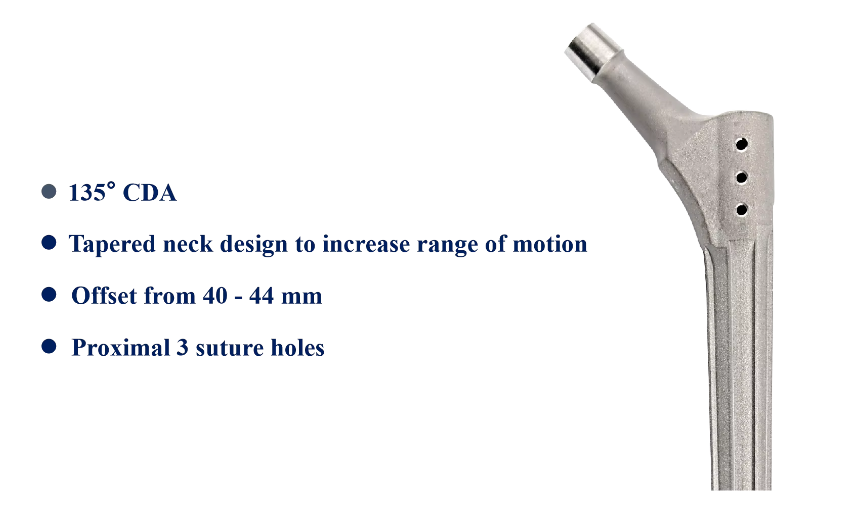
Offset
190mm / 225mm
9.3mm
56.6mm
40.0mm
190mm / 225mm / 265mm
10.3mm
59.4mm
42.0mm
190mm / 225mm / 265mm
11.3mm
59.4mm
42.0mm
190mm / 225mm / 265mm
12.3mm
59.4mm
42.0mm
225mm / 265mm
13.3mm
59.4mm
42.0mm
225mm / 265mm
14.3mm
62.2mm
44.0mm
225mm / 265mm
15.3mm
62.2mm
44.0mm
Frequently Asked Questions
What are the primary clinical indications for DDS cementless revision stems?
They are indicated for revision hip joint replacement, periprosthetic femoral fractures, prosthetic loosening, controlled infections after replacement, primary hip replacement, proximal femur deformities or fractures, osteosclerosis, and proximal femoral bone loss.
How does porous coating promote implant stability?
Porous coating creates a textured surface that facilitates biological bone ingrowth and mechanical interlocking, securing the implant directly into surrounding bone without the use of bone cement.
What are the main advantages of a modular stem design?
Modularity allows the surgeon to choose various combinations of stem lengths, offset options, and head sizes intraoperatively to precisely match the patient's anatomy and optimize joint biomechanics.
What is the key difference between Total Hip Arthroplasty (THA) and Hemi-Hip Arthroplasty?
Total Hip Arthroplasty replaces both the femoral head and the acetabular socket, whereas Hemi-Hip Arthroplasty replaces only the femoral head, preserving the patient's natural acetabulum.
How do proximal fixation features prevent micromotion?
Features such as flutes, fins, or ribs in the proximal stem engage directly with existing femoral bone to provide rotational stability and prevent initial loosening while biological integration takes place.
What size ranges are available for DDS revision stems?
Stem lengths are available in 190mm, 225mm, and 265mm configurations, with distal diameters ranging from 9.3mm to 15.3mm and offsets between 40.0mm and 44.0mm to fit various anatomical requirements.