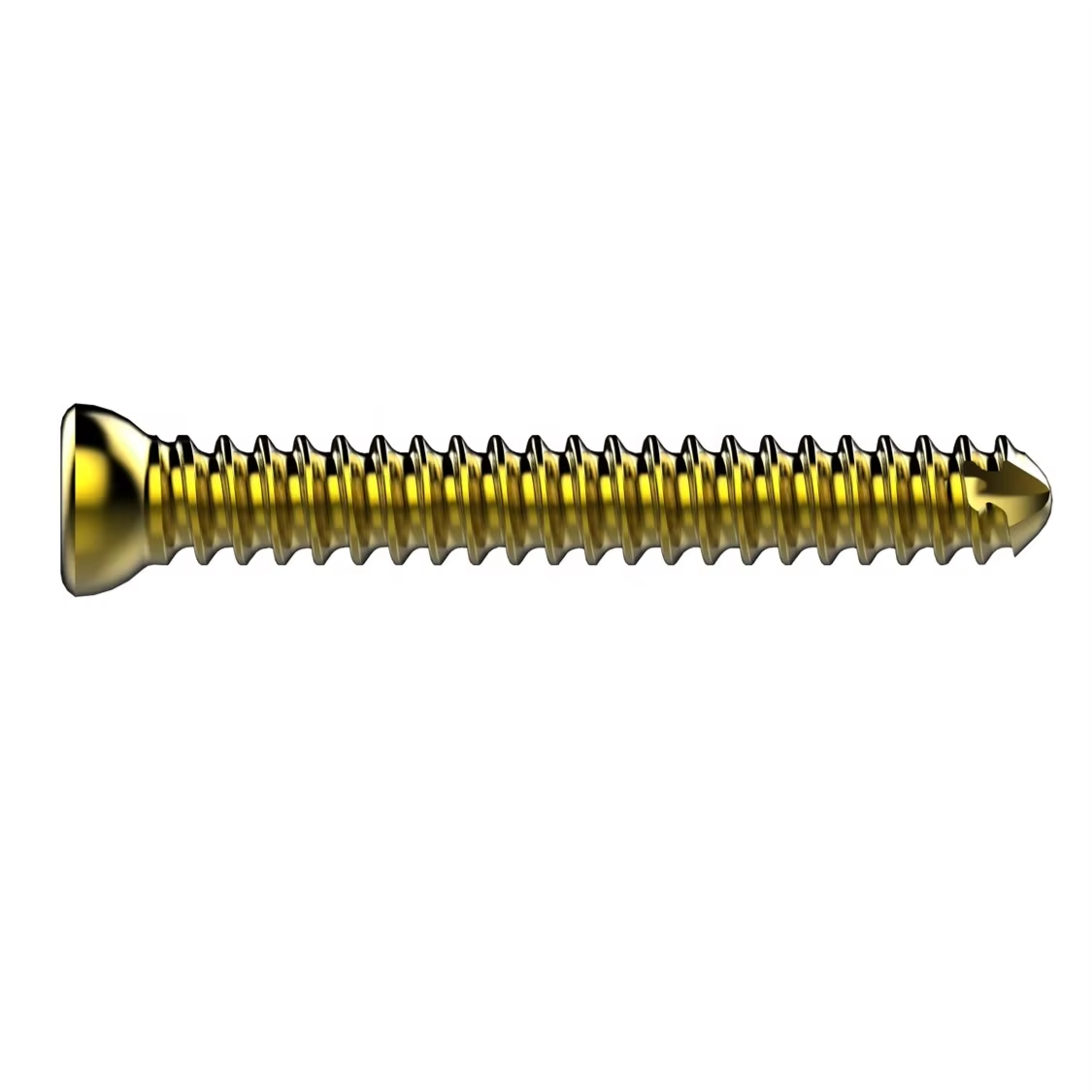
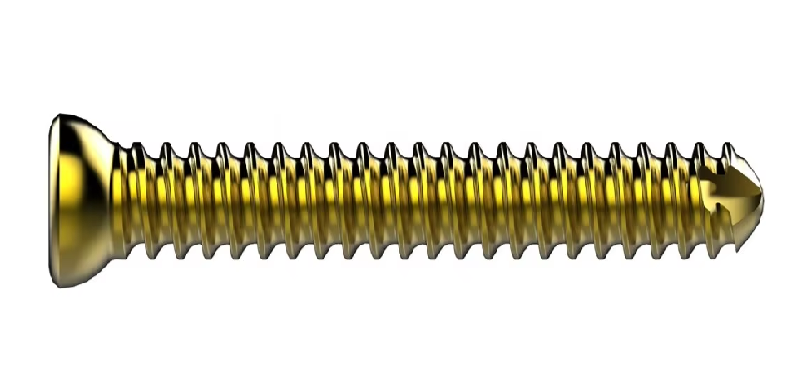
Best 2.0mm 2.7mm 3.5mm 4.5mm Cortical Screw Suppliers, Exporters
Product Description
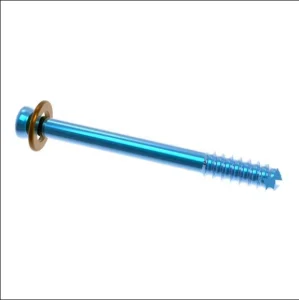
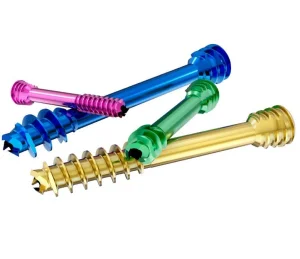
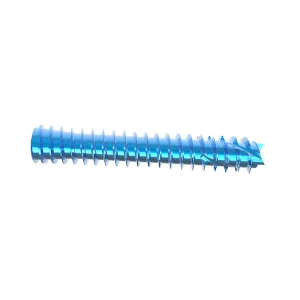
Cortical Screw Specifications
| Screw Type & Diameter | Available Length Specifications |
|---|---|
| 2.0mm Cortical Screw |
Φ2.0 × 8 mm
Φ2.0 × 10 mm
Φ2.0 × 12 mm
Φ2.0 × 14 mm
Φ2.0 × 16 mm
Φ2.0 × 18 mm
Φ2.0 × 20 mm
|
| 2.7mm Cortical Screw |
Φ2.7 × 10 mm
Φ2.7 × 12 mm
Φ2.7 × 14 mm
Φ2.7 × 16 mm
Φ2.7 × 18 mm
Φ2.7 × 20 mm
Φ2.7 × 22 mm
Φ2.7 × 24 mm
Φ2.7 × 26 mm
Φ2.7 × 28 mm
Φ2.7 × 30 mm
|
| 3.5mm Cortical Screw |
Φ3.5 × 12 mm
Φ3.5 × 14 mm
Φ3.5 × 16 mm
Φ3.5 × 18 mm
Φ3.5 × 20 mm
Φ3.5 × 22 mm
Φ3.5 × 24 mm
Φ3.5 × 26 mm
Φ3.5 × 28 mm
Φ3.5 × 30 mm
Φ3.5 × 32 mm
Φ3.5 × 34 mm
Φ3.5 × 36 mm
Φ3.5 × 38 mm
Φ3.5 × 40 mm
Φ3.5 × 42 mm
Φ3.5 × 44 mm
Φ3.5 × 46 mm
Φ3.5 × 48 mm
Φ3.5 × 50 mm
|
| 4.5mm Cortical Screw |
Φ4.5 × 16 mm
Φ4.5 × 18 mm
Φ4.5 × 20 mm
Φ4.5 × 22 mm
Φ4.5 × 24 mm
Φ4.5 × 26 mm
Φ4.5 × 28 mm
Φ4.5 × 30 mm
Φ4.5 × 32 mm
Φ4.5 × 34 mm
Φ4.5 × 36 mm
Φ4.5 × 38 mm
Φ4.5 × 40 mm
Φ4.5 × 42 mm
Φ4.5 × 44 mm
Φ4.5 × 46 mm
Φ4.5 × 48 mm
Φ4.5 × 50 mm
Φ4.5 × 52 mm
Φ4.5 × 54 mm
Φ4.5 × 56 mm
Φ4.5 × 58 mm
Φ4.5 × 60 mm
Φ4.5 × 62 mm
Φ4.5 × 64 mm
Φ4.5 × 66 mm
Φ4.5 × 68 mm
Φ4.5 × 70 mm
|
Frequently Asked Questions
What are cortical screws primarily used for in orthopedics?
Cortical screws are designed to achieve strong purchase and fixation in dense, compact cortical bone. They are widely used for plate fixation and interfragmentary compression in fracture management across upper and lower extremities.
How does a cortical screw differ from a cancellous screw?
Cortical screws have a smaller core-to-thread diameter ratio with a finer pitch and lower thread depth, specifically designed for dense cortical bone, whereas cancellous screws feature wider threads and larger pitch to grip softer, porous bone.
How do you determine the correct cortical screw diameter?
The screw diameter is chosen based on the anatomical site and bone dimensions. For instance, smaller diameters (2.0mm and 2.7mm) are typically utilized for hand, foot, and wrist bones, while 3.5mm and 4.5mm are preferred for larger bones such as the radius, ulna, tibia, and femur.
Are these cortical screws compatible with conventional fixation plates?
Yes, these screws are standardized to pair with matching non-locking and dynamic compression plate (DCP) holes corresponding to their respective diameter specifications (2.0mm, 2.7mm, 3.5mm, and 4.5mm systems).
How is the precise screw length measured during surgery?
Surgical depth gauges are inserted into the pre-drilled bicortical hole to determine the exact length required. The chosen screw should typically engage both near and far cortices to ensure optimal mechanical stability.