1 / 5
Buy Headless screw titanium cannulated screws Companies, Product
Product Description
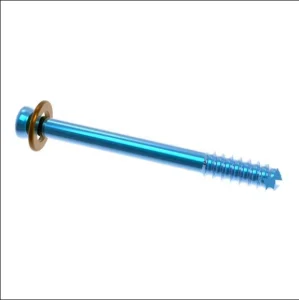
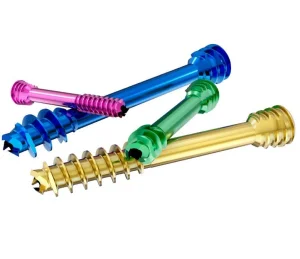
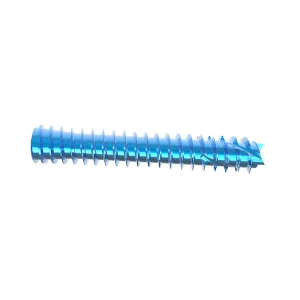
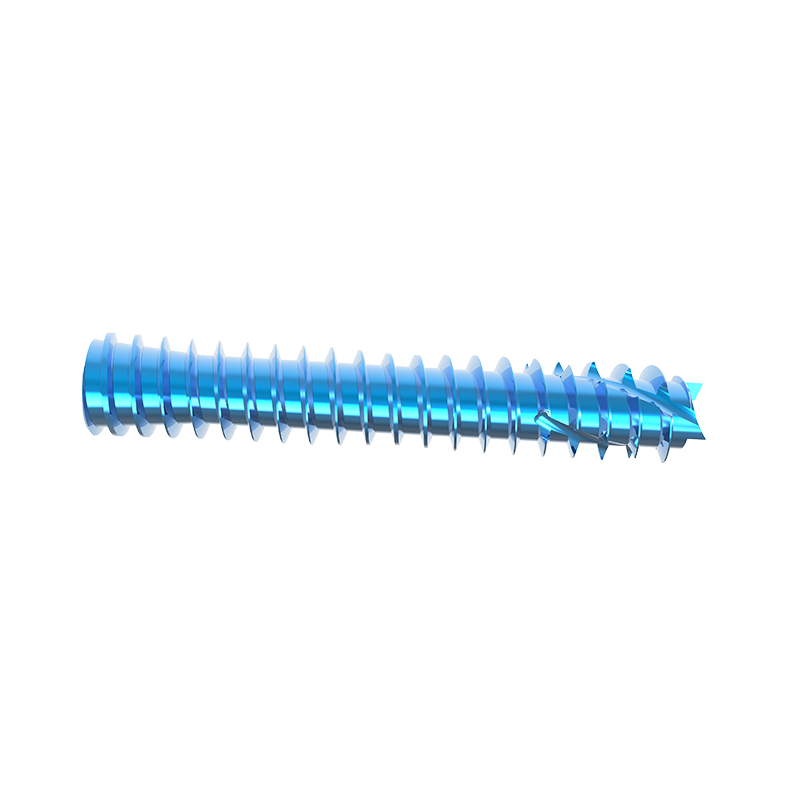
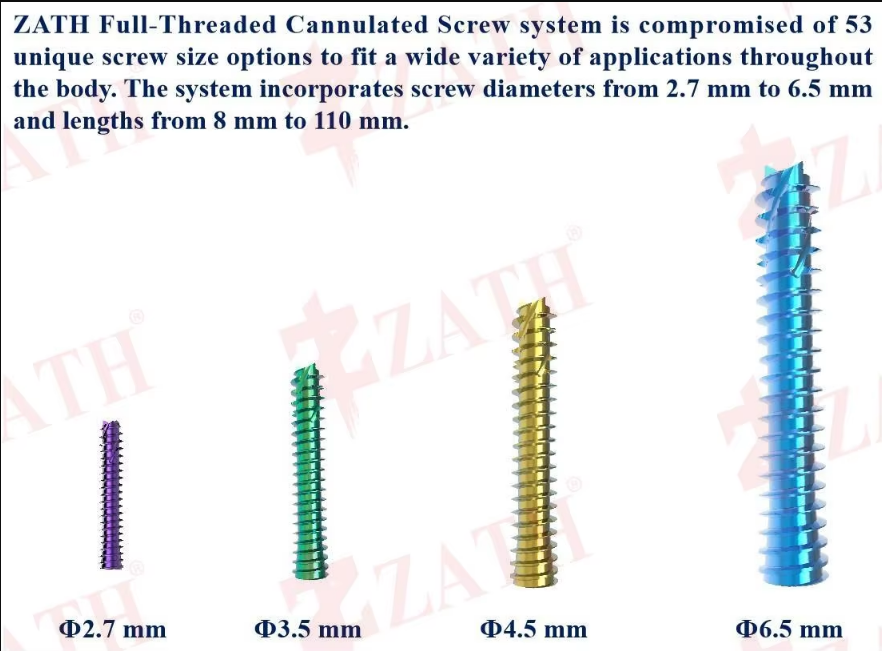
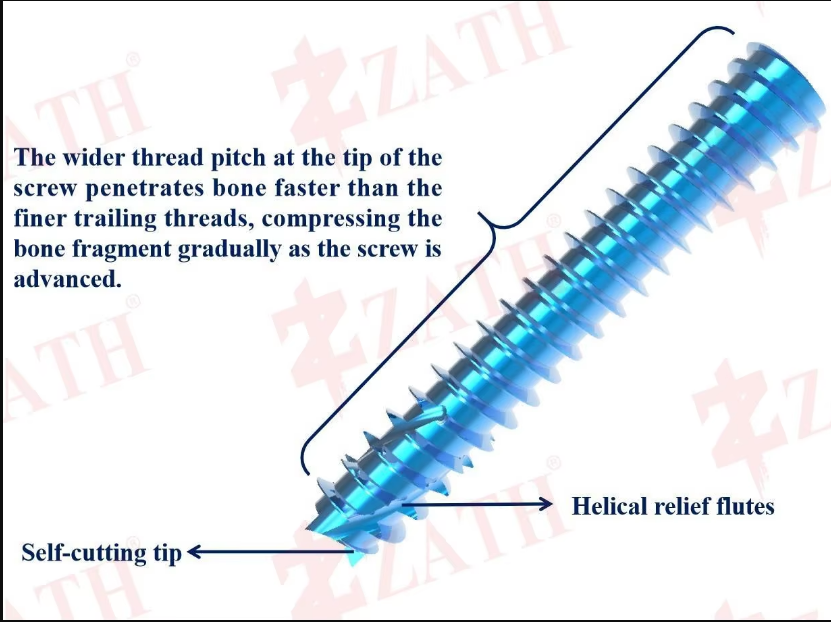
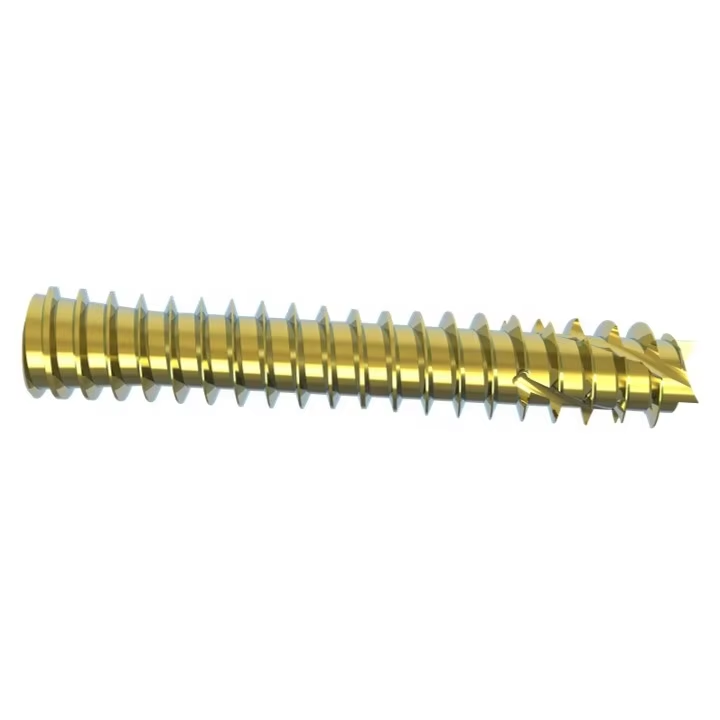
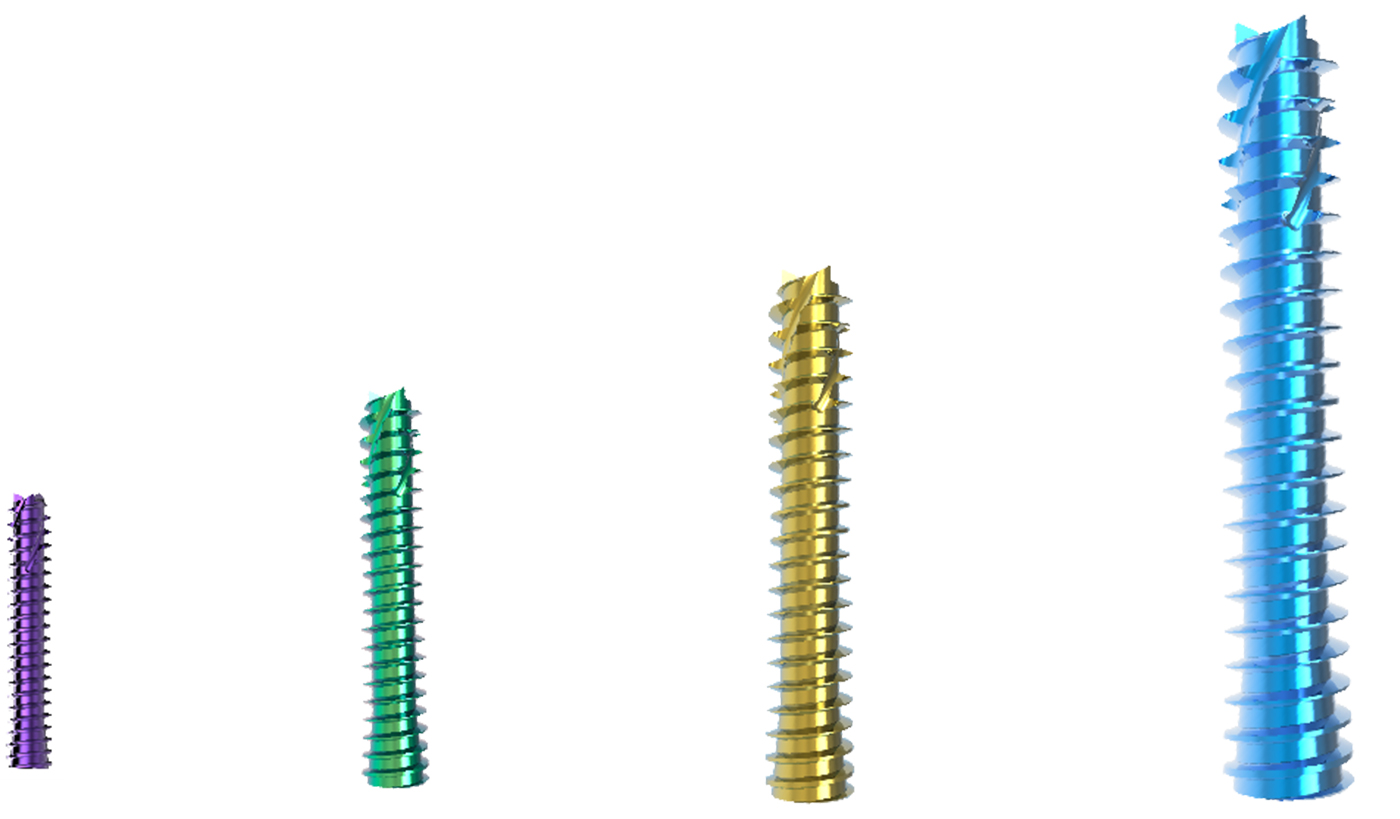
ZATH Full-Threaded Cannulated Screw system is compromised of 53 unique screw size options to fit a wide variety of applications throughout the body. The system incorporates screw diameters from 2.7 mm to 6.5 mm and lengths from 8 mm to 110 mm.
| Screw Head | Hexagonal |
|---|---|
| Material | Titanium Alloy |
| Surface Treatment | Micro-arc Oxidation |
| Qualification | CE / ISO13485 / NMPA |
| Package | Sterile Packaging 1pcs/package |
| MOQ | 1 Pcs |
| Supply Ability | 1000+ Pieces per Month |
Available Specification Sizes
Φ2.7 mm
8 mm
10 mm
12 mm
14 mm
16 mm
18 mm
20 mm
22 mm
24 mm
26 mm
28 mm
30 mm
Φ3.5 mm
16 mm
18 mm
20 mm
22 mm
24 mm
26 mm
28 mm
30 mm
32 mm
34 mm
Φ4.5 mm
26 mm
30 mm
34 mm
38 mm
42 mm
46 mm
50 mm
54 mm
58 mm
62 mm
66 mm
70 mm
Φ6.5 mm
40 mm
44 mm
48 mm
52 mm
56 mm
60 mm
64 mm
68 mm
72 mm
76 mm
80 mm
84 mm
88 mm
92 mm
96 mm
100 mm
104 mm
108 mm
110 mm
Application in Orthopedic Surgery
Surgical cannulated screw are commonly used in a variety of orthopedic procedures, including:
Fracture Fixation
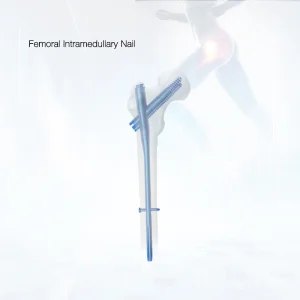
They are commonly used to fix fractures, especially those of the hip, ankle, and wrist. The ability to insert the screws over a guide wire allows for precise alignment of the fractured bone segments.
Osteotomy
During the process of cutting and repositioning the bone, cannulated screws may be used to secure the new position and promote proper healing and function.
Joint Stabilization
Cannulated screws are also used to stabilize joints, especially in cases of ligament reconstruction or repair.
Screw Retention Mechanism
In some cases, these screws are used with other fixation devices to enhance the stability of the joint and improve the overall outcome.
These fixation devices are specially designed to secure small bones, bone fragments, and osteotomies in place. They provide stability during the healing process and promote proper alignment. However, it is crucial to note that they are not suitable for use in interfering with soft tissues or fixation in soft tissue. It’s important to follow the intended use and recommendations provided by medical professionals for optimal and safe outcomes.
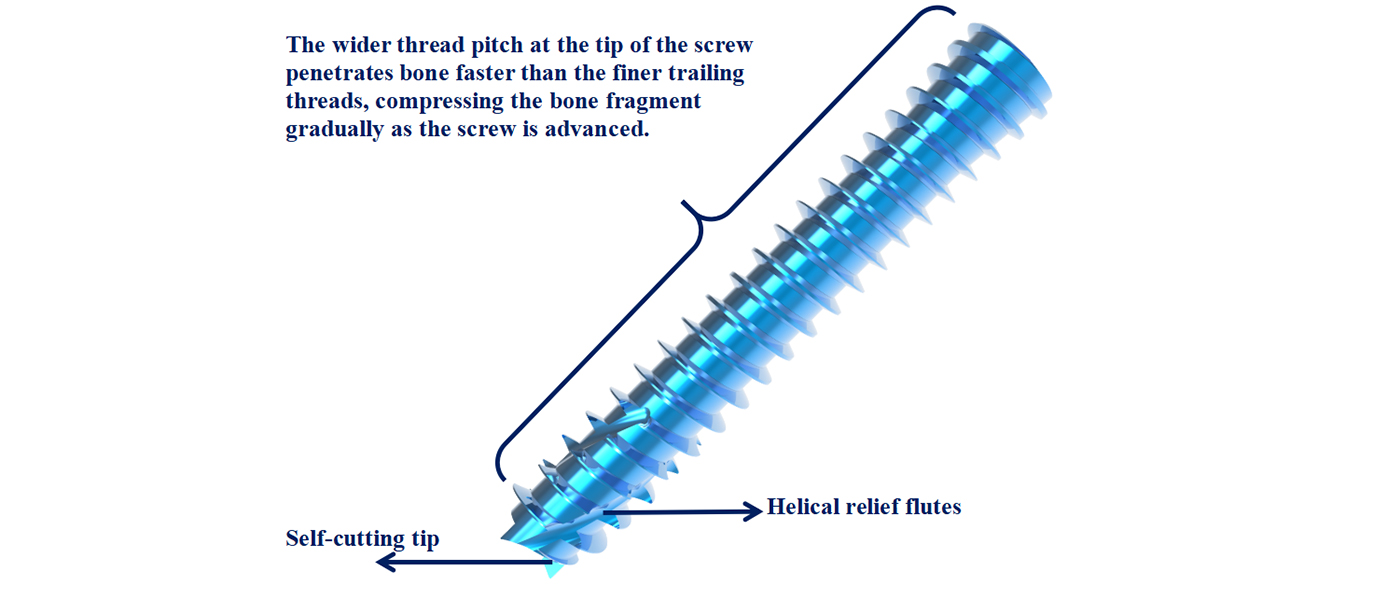
Փ4.5mm | Փ6.5 mm
Փ3.5 mm
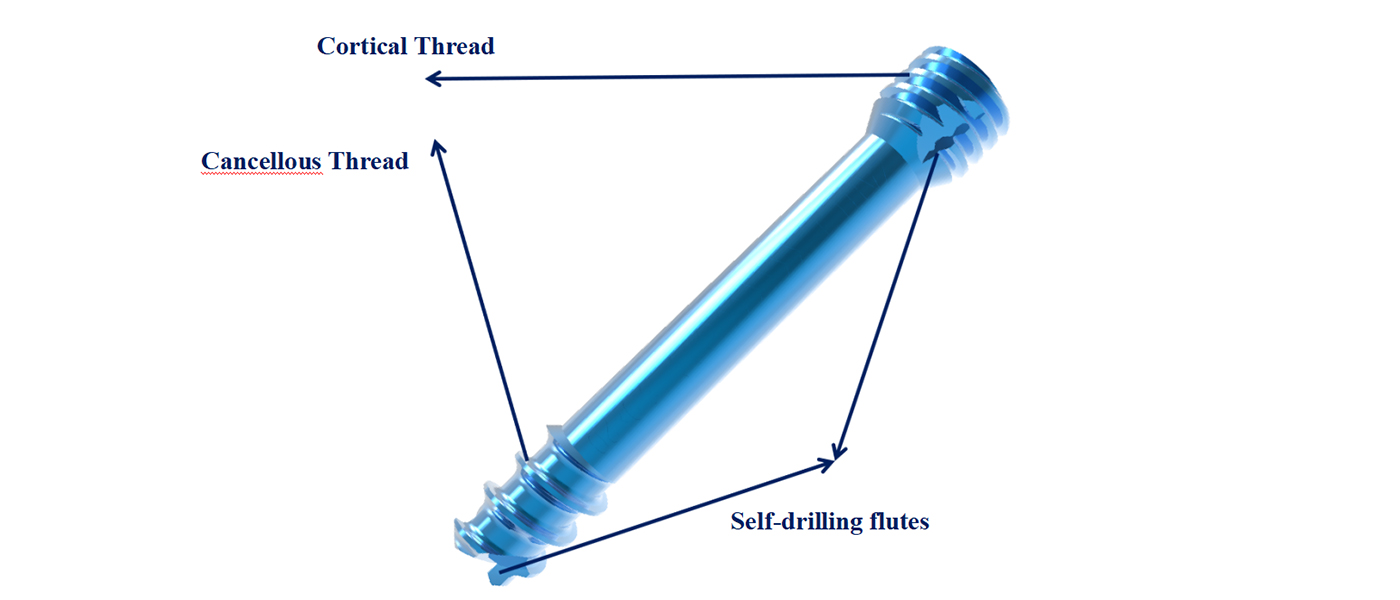
Փ2.7 mm
Frequently Asked Questions (FAQ)
What is the advantage of using a cannulated screw system?
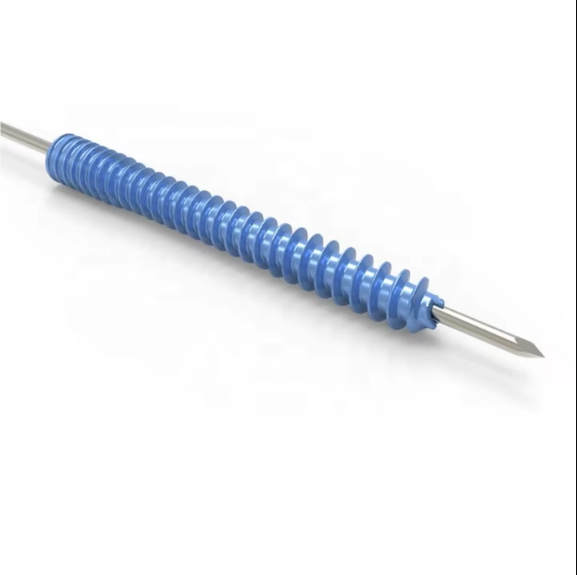
Cannulated screws allow insertion over a guide wire, which enables minimally invasive surgical techniques and precise anatomical alignment of bone segments before screw fixation.
What materials are these cannulated screws made of?
They are manufactured from high-grade biocompatible Titanium Alloy and undergo a micro-arc oxidation surface treatment for enhanced osseointegration and durability.
What diameters and lengths are available in this screw series?
The system includes screw diameters of Φ2.7 mm, Φ3.5 mm, Φ4.5 mm, and Φ6.5 mm, with lengths ranging from 8 mm up to 110 mm across 53 distinct size variations.
Can these screws be used for soft tissue fixation?
No, these devices are specifically designed to secure bone fragments, osteotomies, and small bones; they are strictly not suitable for interfering with or fixing soft tissues.
What are the packaging and regulatory standards for this product?
Each screw comes in individual sterile packaging (1 pc/pack) and meets international quality qualifications, certified under CE, ISO13485, and NMPA standards.