Best Radial Head Locking Compression Plate Manufacturer, Company
Product Description
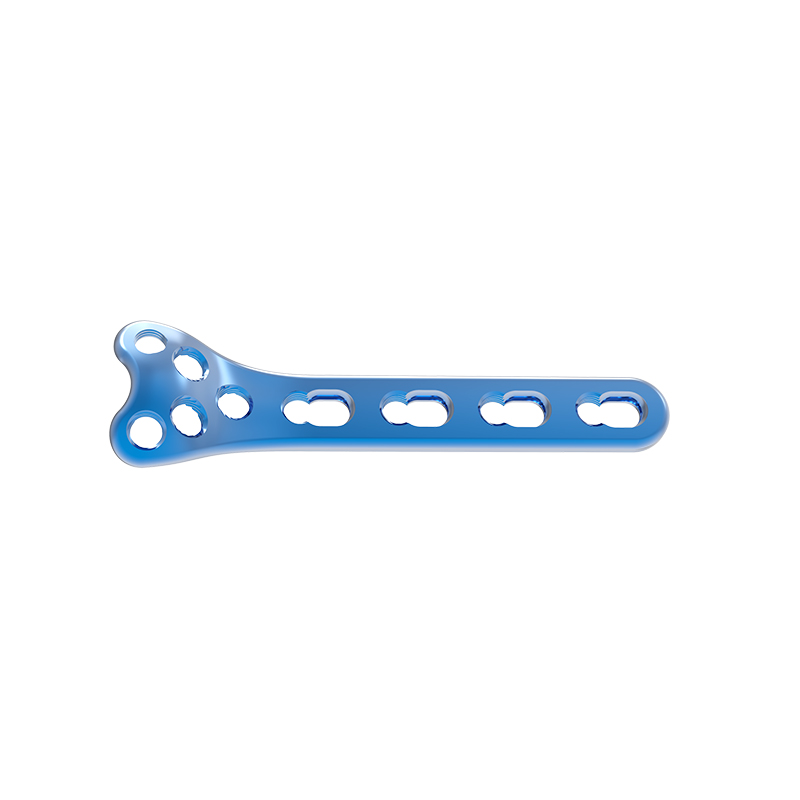
Radial Head Locking Compression Plate
|
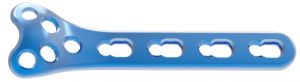
4 holes x 46mm |
| 5 holes x 56mm | |
| Width | 8.0mm |
| Thickness | 2.0mm |
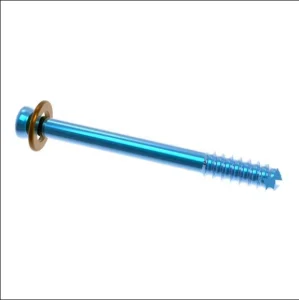
| Matching Screw | 2.7 Locking Screw / 2.7 Cortical Screw |
| Material | Titanium |
| Surface Treatment | Micro-arc Oxidation |
| Qualification | CE / ISO13485 / NMPA |
| Package | Sterile Packaging 1pcs/package |
| MOQ | 1 Pcs |
| Supply Ability | 1000+ Pieces per Month |
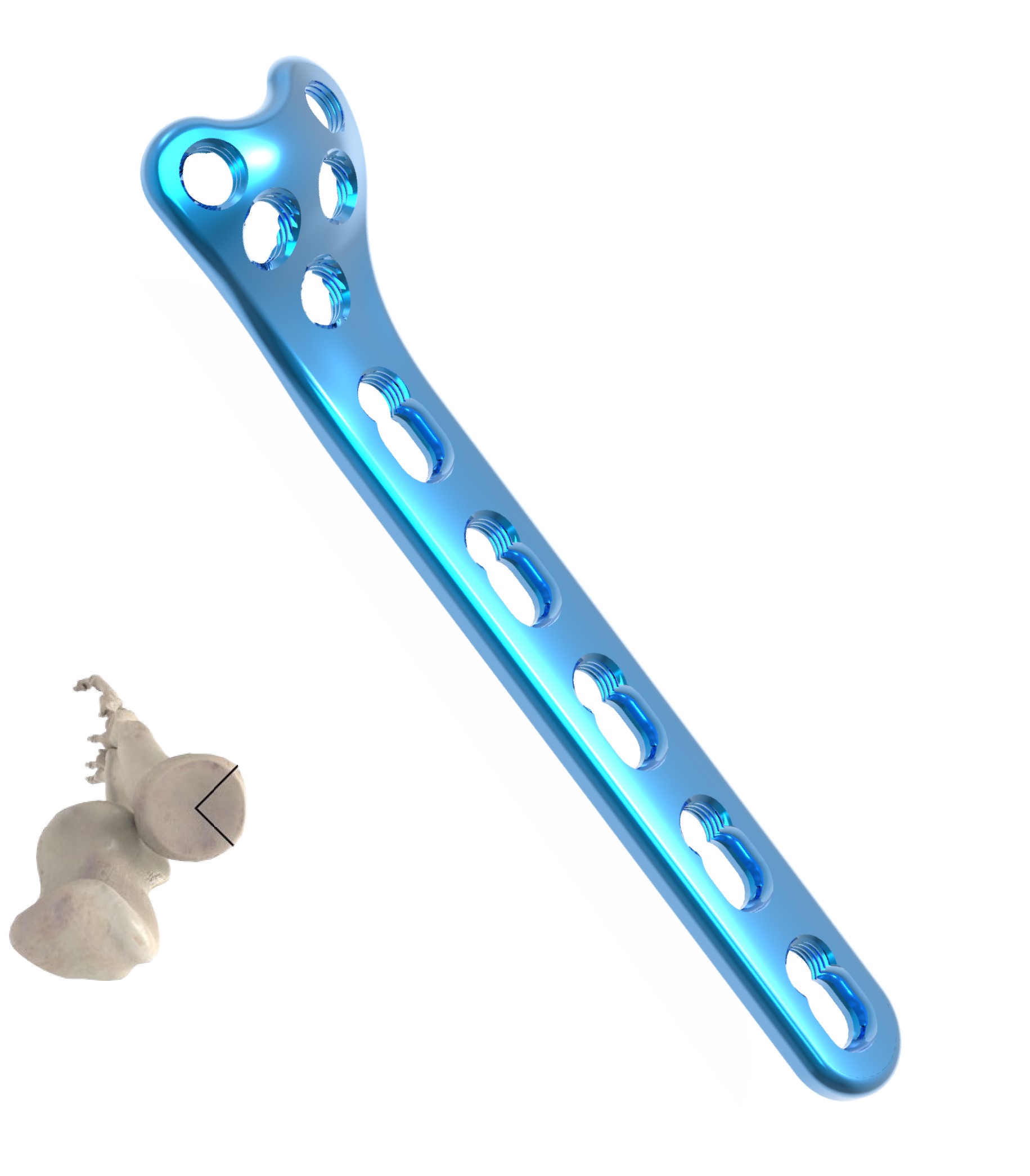
Diverging and converging screw angles to capture bone fragments across the entire radial head. The screws are also strategically angled to prevent entering the articular surface of the radial head or colliding with one another, regardless of screw length selected.
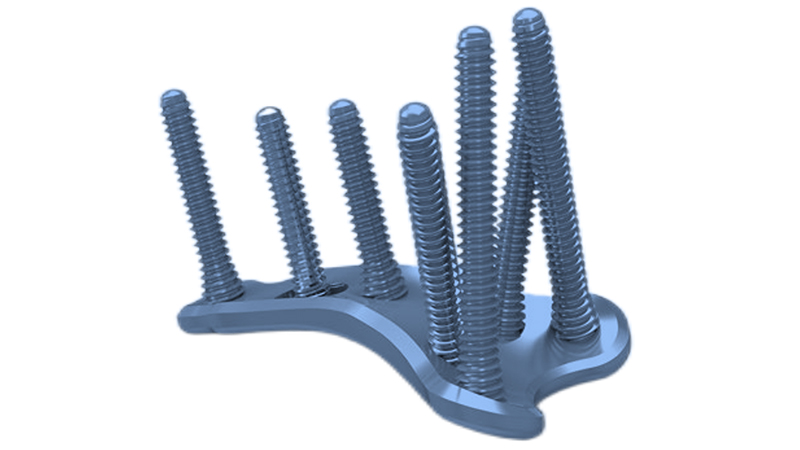
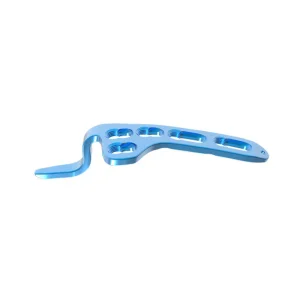
- The ZATH Radial Head Locking Compression Plate provides a method for the treatment of fractures when the radial head is salvageable. It offers precontoured plates designed for use in the “safe zone” of the radial head.
- Plates are Anatomically precontoured
- Available sterile-packed
The plate contour is designed to fit the anatomic contours of the radial head and neck with little or no intraoperative plate bending needed.
The thickness of the plate varies along its length, providing a low-profile proximal portion to allow for closure of the annular ligament. The thicker neck portion of the plate helps provide support if there is a fracture line at the radial neck.
This locking compression plate is designed to provide stability and support to the fractured radial head. It is typically made of titanium or stainless steel and has a specific shape that matches the contours of the radial head. The plate is anatomically precontoured to allow for a better fit and to minimize the need for extensive plate bending during surgery.
The locking mechanism of the plate involves the use of locking screws that engage with the plate. These screws have a specialized thread pattern that secures them to the plate, creating a fixed-angle construct. This construct provides enhanced stability and prevents any screw-backout, reducing the risk of implant failure and loosening.
The plate is placed on the radial head through a surgical procedure, typically performed under general anesthesia. Depending on the fracture pattern, the plate may be placed on the lateral or posterior aspect of the radial head. The locking screws are then inserted into the bone through the plate, providing compression and stability to the fractured area.
The main goals of using a Radial Head Locking Compression Plate are to restore the anatomy of the radial head, stabilize the fracture, and promote healing. The plate and screws allow for controlled compression of the fracture site, which encourages bone healing and reduces the risk of non-union or malunion.