Best Titanium Alloy Orthopedic Bone Pin Factories, Company
Product Description

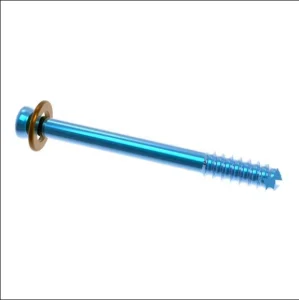
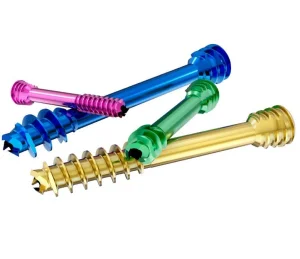
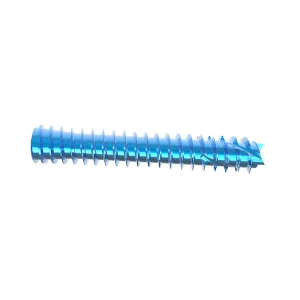
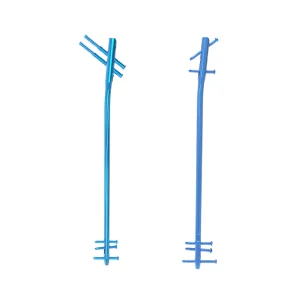
Titanium Alloy Orthopedic Bone Pin
Frequently Asked Questions
What are the primary applications of these bone pins?
They are primarily utilized in orthopedic trauma and reconstructive procedures for skeletal traction, provisional fracture fixation, and osteotomy stabilization.
Why choose titanium alloy for orthopedic bone pins?
Titanium alloy delivers exceptional biocompatibility, superior corrosion resistance, high tensile strength-to-weight ratio, and reduced artifacts during postoperative imaging.
Are these titanium bone pins MRI safe?
Yes, medical titanium alloys are non-ferromagnetic, ensuring safe performance and minimal imaging interference during standard magnetic resonance imaging (MRI) procedures.
How is the appropriate pin size determined?
Selection is based on patient anatomy, bone density, surgical site requirements, and whether the pin is intended for pediatric, small-bone, or large-bone stabilization.
What sterilization methods are recommended?
These implants can be sterilized using standard clinical methods including high-pressure steam autoclaving or ethylene oxide (EO) sterilization according to clinical protocols.
Can custom dimensions or specialized tips be ordered?
Standard specifications range from Φ0.8 to Φ3.5 mm in varying lengths; specialized dimensions or configurations can typically be tailored to meet institutional surgical needs.