Buy Ceramic CDH Femoral Head Implant Hip Exporter, Company
Product Description
Product Specifications
|
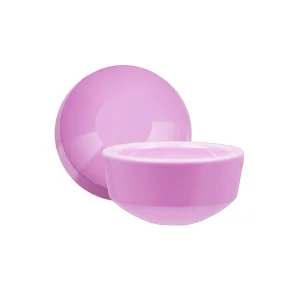
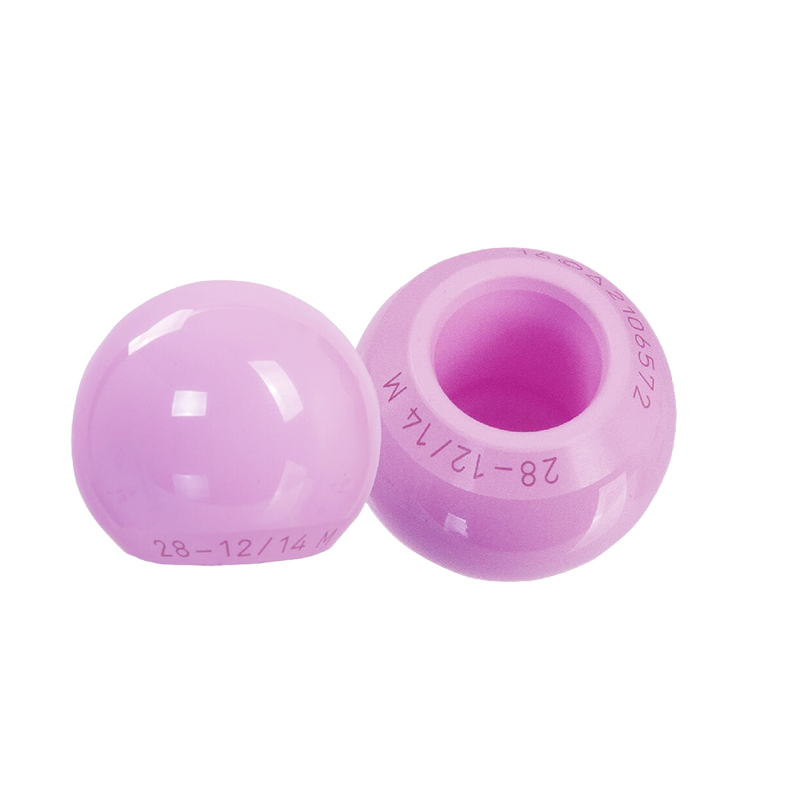
CDH Femoral Head
|
28 mm S |
| 28 mm M | |
| 28 mm L | |
| 32 mm S | |
| 32 mm M | |
| 32 mm L | |
| 36 mm S | |
| 36 mm M | |
| 36 mm L | |
| Material | Ceramic |
| Qualification | ISO13485 / NMPA |
| Package | Sterile Packaging 1pcs/package |
| MOQ | 1 Pcs |
| Supply Ability | 1000+ Pieces per Month |
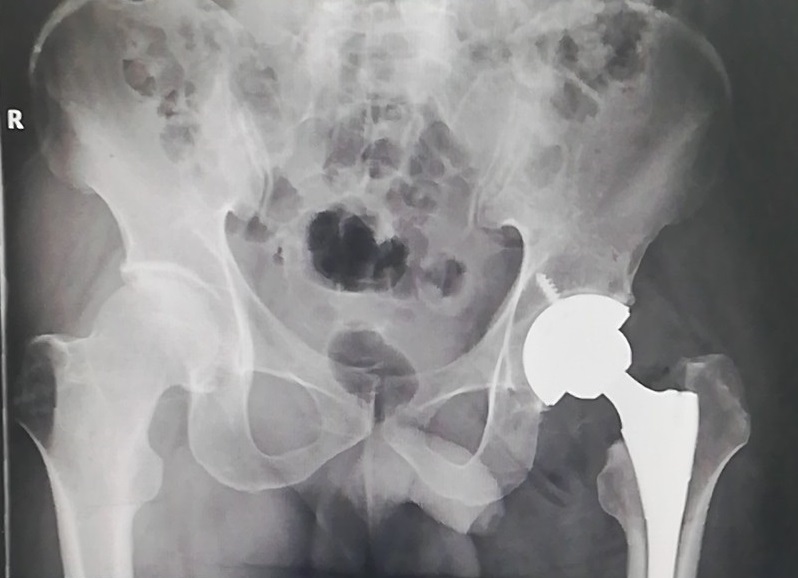
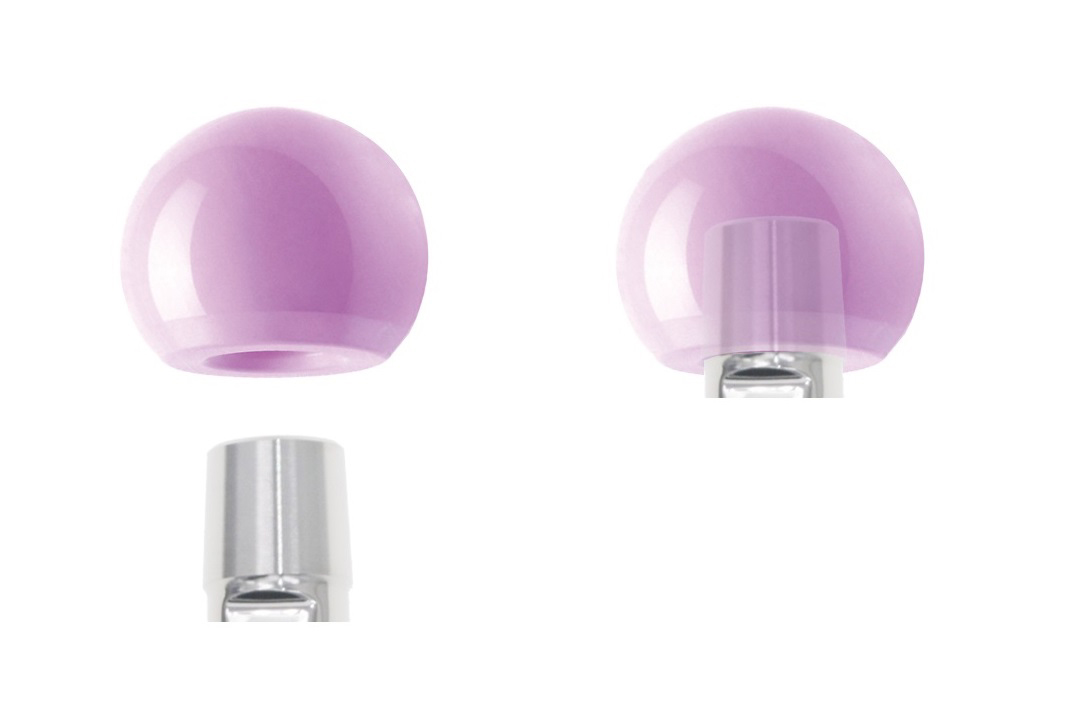
Overview & Clinical Significance
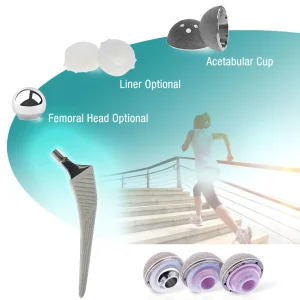
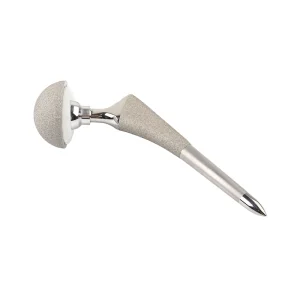
Ceramic femoral heads are components used in total hip arthroplasty (THA) surgery. It is the ball-shaped part of the hip joint that replaces the natural femoral head, the top of the thigh bone (femur). Ceramic femoral heads are usually made of materials such as alumina or zirconia. These ceramic materials are known for their high strength, durability, and low coefficient of friction. They are also biocompatible, meaning they are well tolerated by the human body.
There are several advantages to using ceramic femoral heads in THA. First, the ceramic's low coefficient of friction reduces wear between the femoral head and the acetabular liner (socket component) of the hip joint. This helps minimize the risk of implant failure and prolongs the lifespan of your hip replacement.
Ceramic femoral heads also have a smooth surface that helps improve joint mobility and reduces the potential for implant-related complications. However, it is worth noting that the use of ceramic femoral heads may pose some limitations and risks. Ceramic materials are brittle and break more easily than other materials such as metals. In rare cases, ceramic femoral head fractures may occur, although advances in manufacturing technology have reduced the frequency of such events.
The choice of femoral head material depends on several factors, such as the patient's age, activity level, and surgeon preference. Your orthopedic surgeon will consider these factors and discuss the best options for you during THA surgery. As always, it is recommended that you consult your healthcare provider or orthopedic surgeon for individualized information and advice on the use of ceramic femoral heads in your specific situation.