1 / 3
Cheap TDS Cemented Stem Orthopedic Implants Companies, Service
Product Description
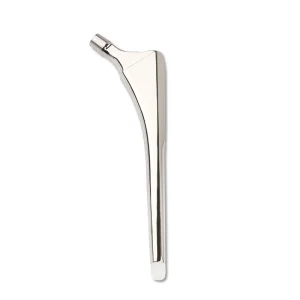
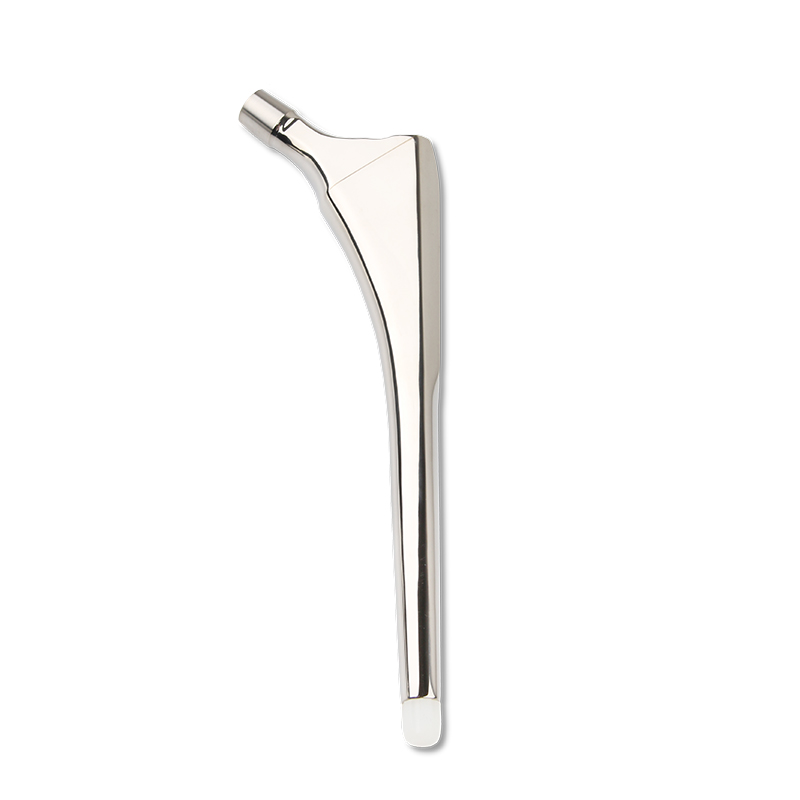
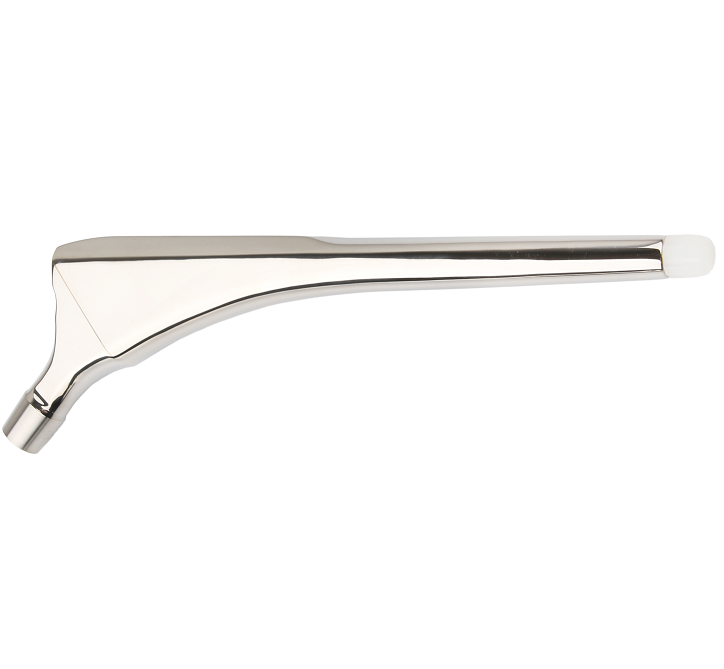
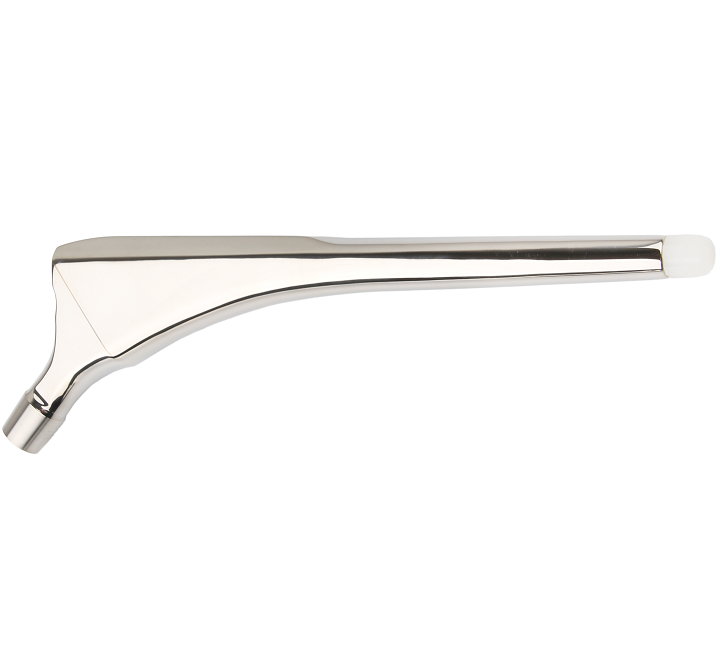
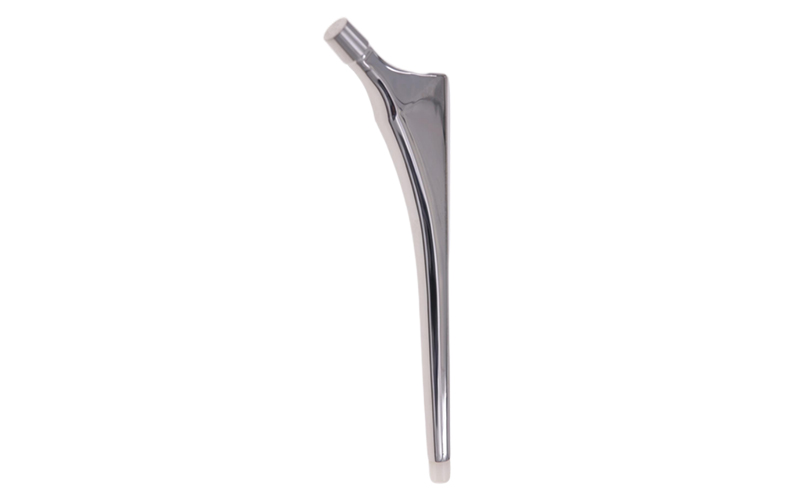
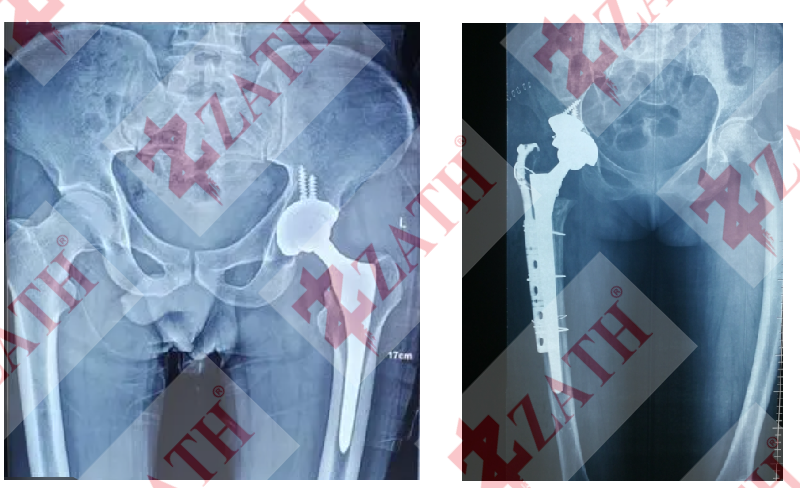
High Polished Stems are components used in total hip replacement surgery. It is a metal rod-like structure that is implanted in the femur (thigh bone) to replace a damaged or diseased part of the bone. The term "high polish" refers to the surface finish of the stem. The stem is highly polished to a smooth shiny finish. This smooth surface helps reduce friction and wear between the stem and surrounding bone, resulting in better long-term performance of the prosthesis. A highly polished surface also promotes better biointegration with bone, as it helps minimize stress concentrations and may reduce the risk of implant loosening or bone resorption. Overall, High Polished Stems are designed to enhance the function and longevity of hip replacement implants, providing better motion, reduced wear, and more stable fixation within the femur.
Key Product Features
-
The highly polished surface allows the excellent bone cement affinity.
-
Following the laws of natural subsidence, the prosthesis is allowed to sink slightly in the bone cement sheath.
-
Three dimensional taper design reduces the stress of bone cement.
-
The centralizer ensures the correct position of the prosthesis in the medullary cavity.
-
130˚ CDA design for biomechanical balance.
Product Specifications
| Stem Length | 140.0mm / 145.5mm / 151.0mm / 156.5mm / 162.0mm / 167.5m / 173.0mm / 178.5mm |
| Distal Width | 6.6mm / 7.4mm / 8.2mm / 9.0mm / 9.8mm / 10.6mm / 11.4mm / 12.2mm |
| Cervical Length | 35.4mm / 36.4mm / 37.4mm / 38.4mm / 39.4mm / 40.4mm / 41.4mm / 42.4mm |
| Offset | 39.75mm / 40.75mm / 41.75mm / 42.75mm / 43.75mm / 44.75mm / 45.75mm / 46.75mm |
| CDA | 130° |
Product Overview & Anatomy
Frequently Asked Questions
What is the function of a High Polished Stem in hip replacement?
A High Polished Stem is a metal rod-like structure implanted into the femur during total hip replacement surgery to replace damaged or diseased bone, restoring movement and providing stable fixation.
Why is a highly polished surface finish beneficial?
The highly polished finish delivers a smooth surface that minimizes friction and wear, supports excellent bone cement affinity, reduces stress concentrations, and lowers the risk of implant loosening or bone resorption.
How does natural subsidence work with this implant?
The stem is engineered following the principles of natural subsidence, allowing it to sink slightly within the bone cement sheath to maintain secure positioning and optimal load transfer.
What is the advantage of the three-dimensional taper design?
The three-dimensional taper structure is specifically designed to distribute forces evenly, thereby significantly reducing stress on the surrounding bone cement.
What purpose does the centralizer serve during implantation?
The centralizer guarantees the accurate and symmetric alignment of the prosthesis inside the femoral medullary cavity for reliable fixation.
What CDA and dimensional ranges are available?
The prosthesis features a 130° CDA angle, with stem lengths ranging from 140.0mm to 178.5mm, distal widths from 6.6mm to 12.2mm, cervical lengths from 35.4mm to 42.4mm, and offsets from 39.75mm to 46.75mm.