China CDC Ceramic Acetabular liner of hip joint prosthesis Suppliers, Companies
Product Description
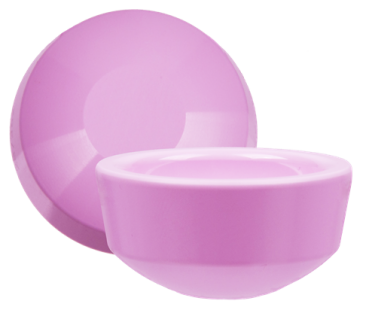
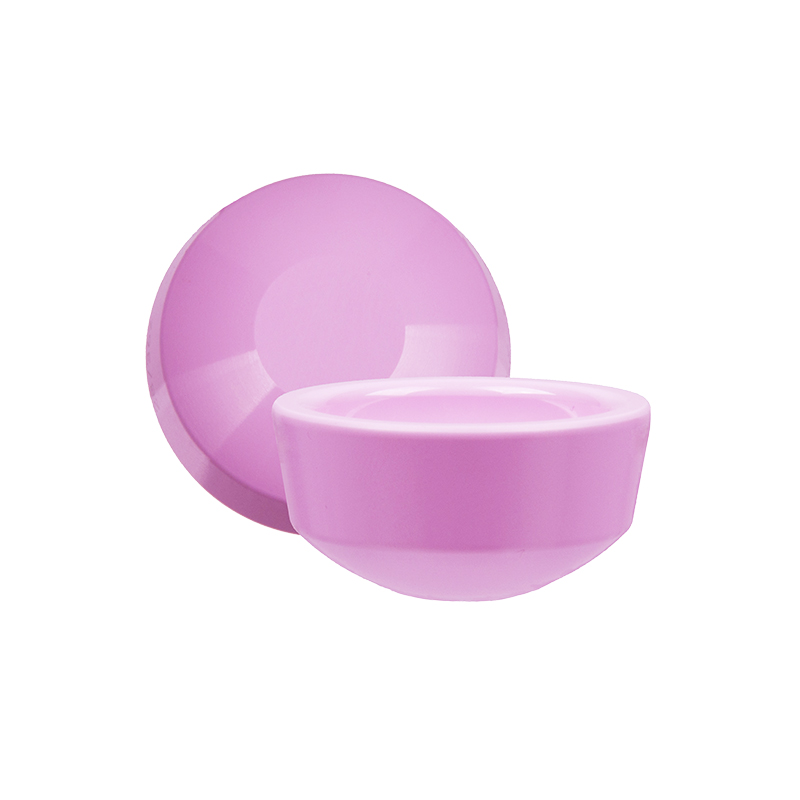
| ADC Acetabular Liner Specifications | |
|---|---|
| Material | Ceramic |
| Size Options | 36 / 28 mm |
| 40 / 32 mm | |
| 44 / 36 mm | |
| 48 / 36 mm | |
| 52 / 36 mm | |
Overview of Ceramic Acetabular Liners
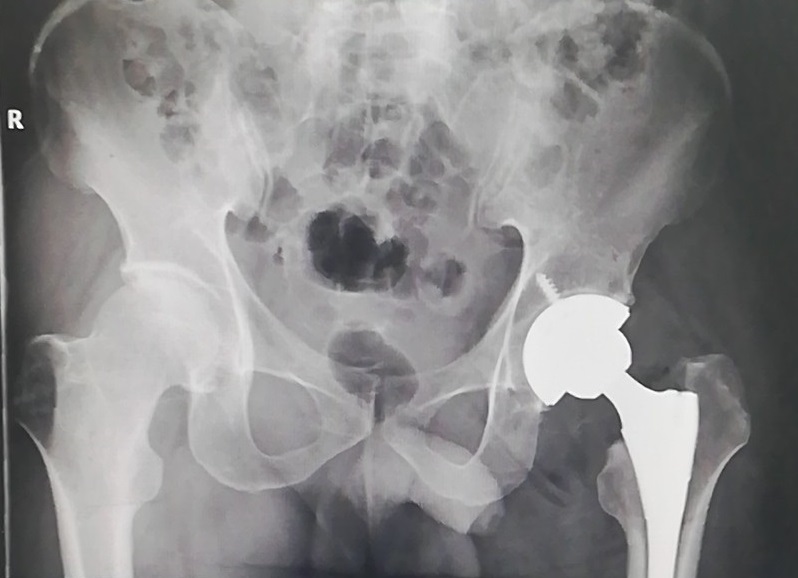
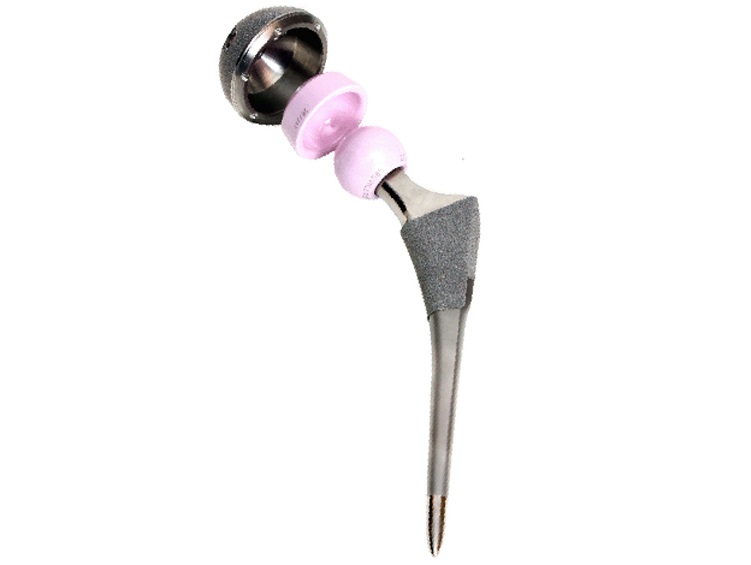
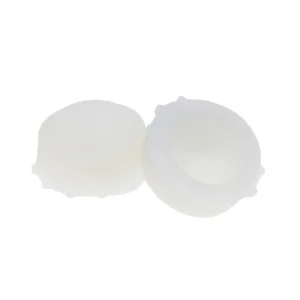
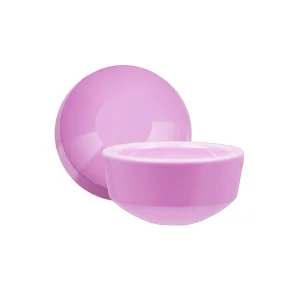
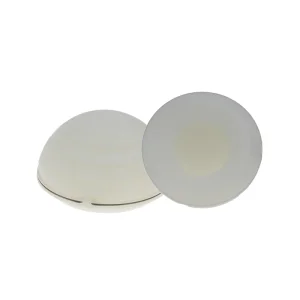
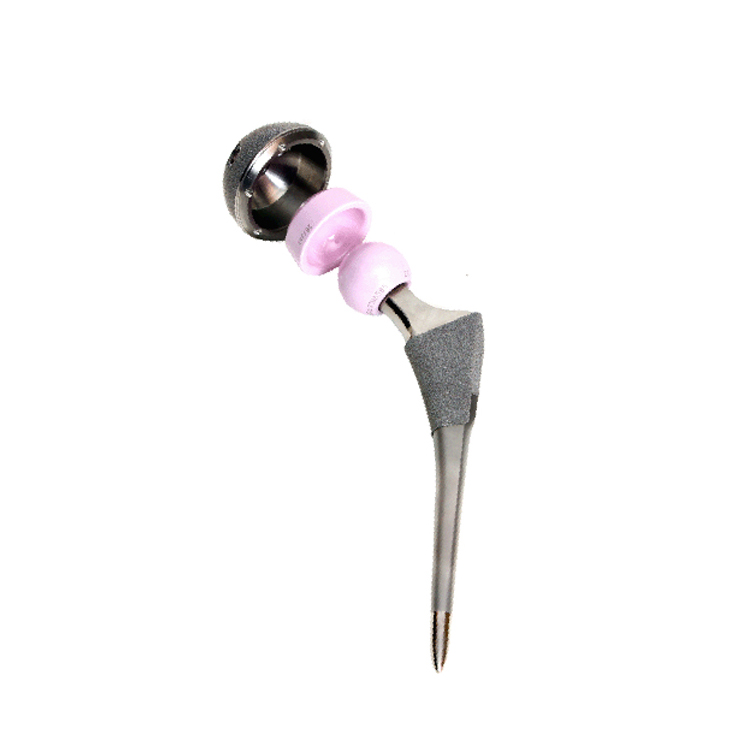
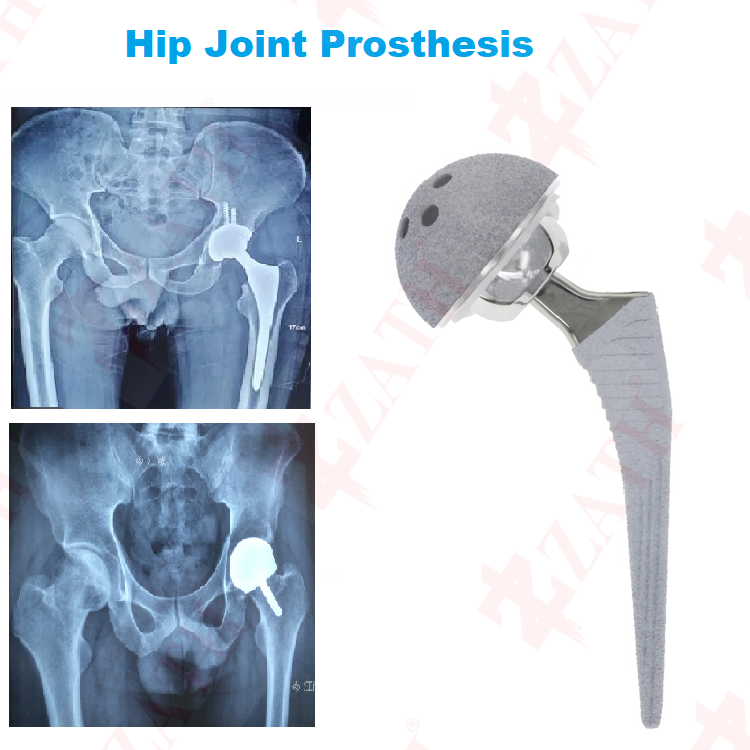
A ceramic acetabular liner is a specialized prosthetic component utilized in total hip replacement surgery (THA). Engineered to be inserted into the acetabular cup (the socket portion of the hip joint), its bearing surface was specifically developed to reduce wear-induced osteolysis in young and active patients undergoing total hip replacement. By minimizing wear particles, it theoretically decreases the incidence of early aseptic loosening and subsequent implant revision.
Ceramic acetabular liners are manufactured from advanced ceramic materials, primarily alumina or zirconia. When compared with traditional lining options like metal or polyethylene, ceramic bearing surfaces offer substantial biomechanical and clinical advantages.
Key Clinical Advantages
Wear Resistance
Ceramic linings exhibit superior wear resistance and structural integrity, making them significantly less prone to wearing down or breaking over time. This prolongs overall implant survivorship and lowers revision surgery rates.
Reduced Friction
Featuring a minimal coefficient of friction, ceramic liners minimize joint surface friction against the femoral head (ball joint). This operational smoothness limits abrasive debris and decreases the likelihood of joint dislocation.
High Biocompatibility
Advanced medical ceramics provide exceptional biological compatibility, virtually eliminating negative tissue reactivity and local inflammatory reactions to foster superior long-term clinical outcomes.
Product Gallery