
Buy Distal Medial Humerus Locking Compression Plate Factory, Exporters

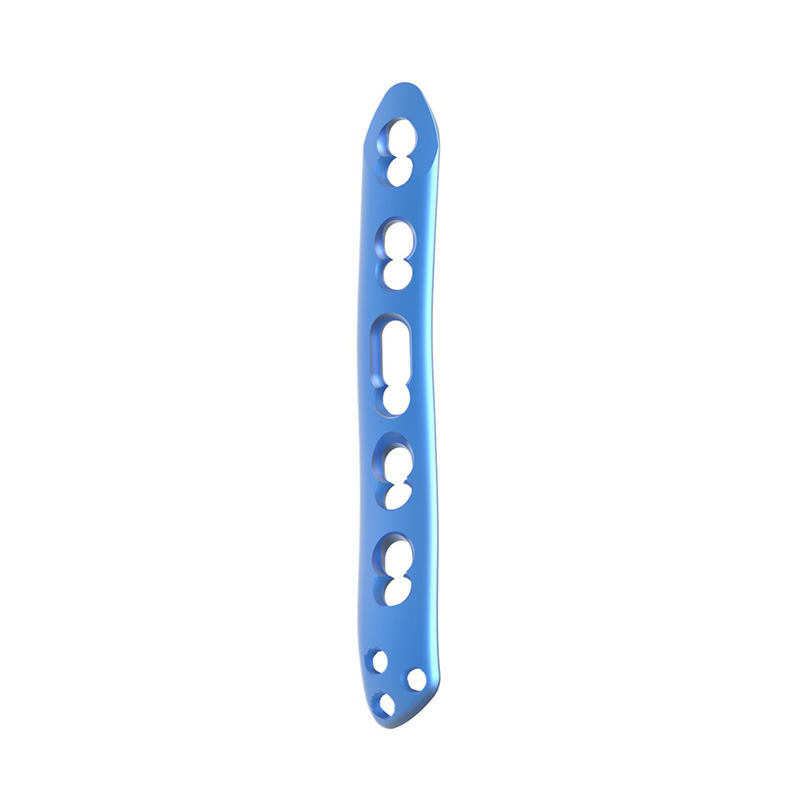
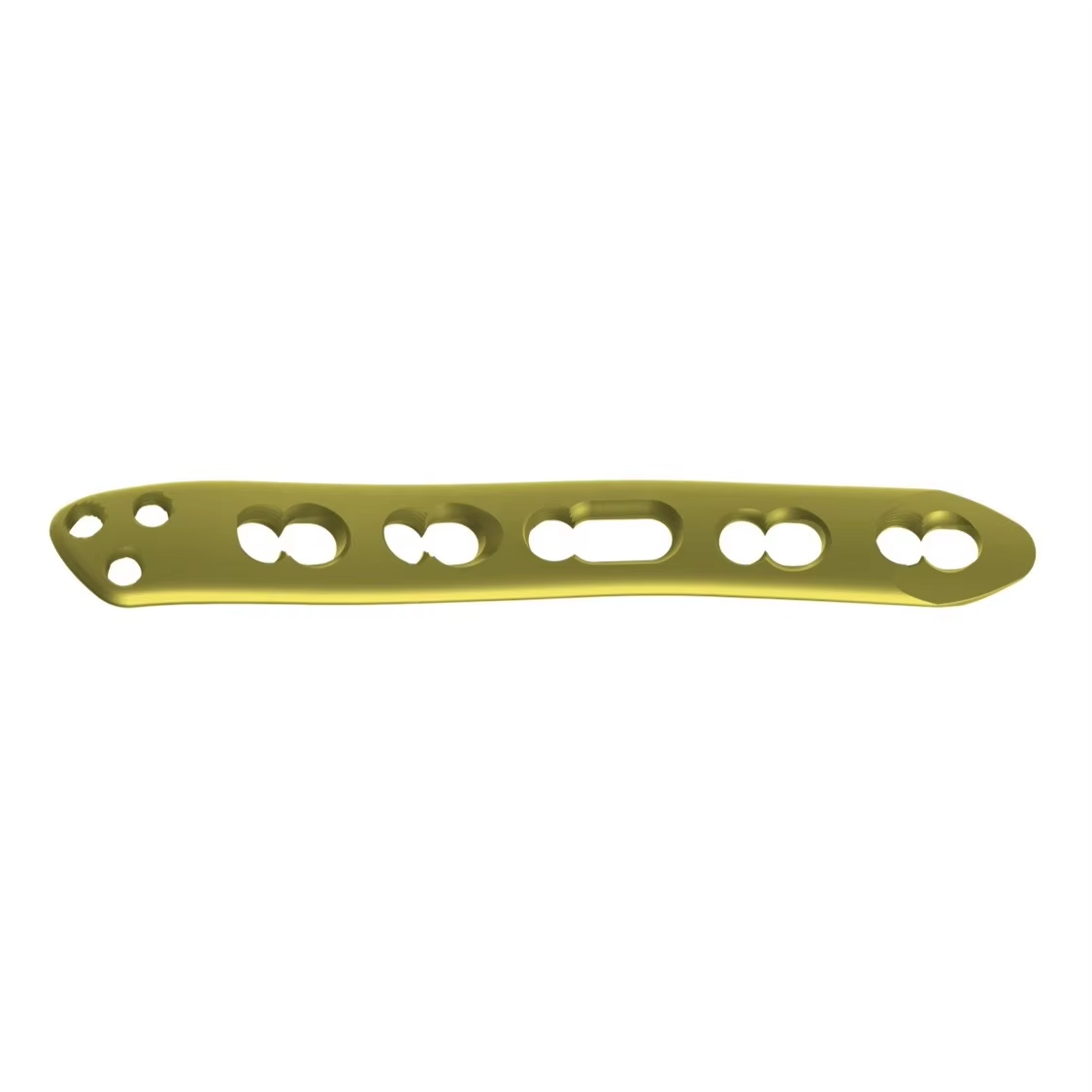
Plates are precontoured for anatomical fit. Three distal locking holes accept 2.7 mm locking screws Left and right plates Undercuts reduce impairment of blood supply Available sterile-packed

Product Description

Clinical Indications: Indicated for intraarticular fractures of the distal humerus, comminuted supracondylar fractures, osteotomies, and nonunions of the distal humerus.
Product Specifications
Distal Medial Humerus Locking Compression Plate
Product Name Distal Medial Humerus Locking Compression Plate
Available Sizes (Left) 4 holes x 60mm / 6 holes x 88mm / 8 holes x 112mm / 10 holes x 140mm
Available Sizes (Right) 4 holes x 60mm / 6 holes x 88mm / 8 holes x 112mm / 10 holes x 140mm
Width 11.0mm
Thickness 3.0mm
Matching Screws Distal Part: 2.7 Locking Screw
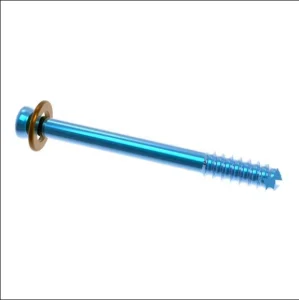
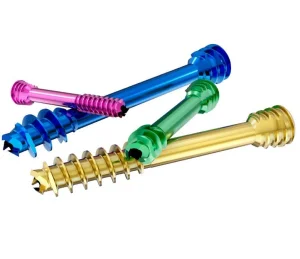
Shaft Part: 3.5 Locking Screw / 3.5 Cortical Screw / 4.0 Cancellous Screw
Material Titanium
Surface Treatment Micro-arc Oxidation
Qualification CE / ISO13485 / NMPA
Packaging Sterile Packaging (1 pcs/package)
MOQ 1 Pcs
Supply Ability 1000+ Pieces per Month
Surgical Operation Key Points

The Distal Medial Humerus Locking Compression Plate operation is a specialized surgical procedure designed to fix fractures or other injuries occurring in the distal medial region (lower end) of the humerus bone.

Surgical Approach

The procedure is performed through a small incision placed along the inner (medial) aspect of the arm to access and reduce the fractured bone segments directly.

Plate Fixation

Constructed from durable titanium with pre-drilled screw configurations, the locking compression plate couples securely with bone fragments to provide high-strength fixation.

Locking Screws

Threaded locking screwheads thread into the plate to form a rigid angular and rotational construct, effectively eliminating toggle and reducing the risk of screw pullout.

Anatomical Contouring

Pre-contoured to replicate the natural anatomy of the distal medial humerus, eliminating extensive intraoperative bending and safeguarding soft-tissue structures.

Load Distribution

Evenly disperses mechanical stresses across the entire bone-plate construct, relieving concentrated stress points and lowering nonunion and implant failure rates.

Rehabilitation

Following stable surgical fixation, guided physical therapy and controlled mobilization protocol restore arm range of motion, muscle strength, and everyday functionality.
Clinical Note: Specific operational details may vary according to patient condition, fracture pattern, and surgeon preference. Consultation with an orthopedic surgeon is essential to determine the optimal procedure and post-operative recovery pathway.
Two-Plate Technique for Distal Humerus Fractures

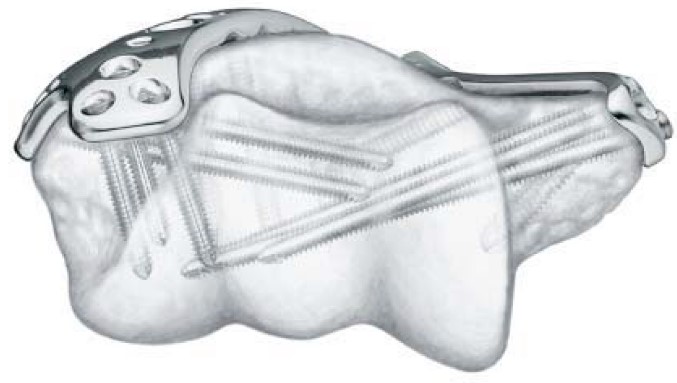
Substantially increased mechanical stability can be gained from two-plate fixation of distal humerus fractures. The dual-plate construct creates a rigid girder-like architecture that maximizes fixation integrity. The posterolateral plate acts as a tension band during elbow flexion, while the medial plate buttresses and stabilizes the medial column of the distal humerus.
Frequently Asked Questions (FAQ)
What fractures can be treated with this distal medial plate?
The plate is primarily indicated for intraarticular fractures of the distal humerus, severe comminuted supracondylar fractures, corrective osteotomies, and nonunion repairs in the distal humerus region.
What are the dimensions and configuration options available?
The implant is available in both Left and Right anatomical variations with lengths ranging from 4 holes (60mm), 6 holes (88mm), 8 holes (112mm), up to 10 holes (140mm). It features a consistent width of 11.0mm and thickness of 3.0mm.
Which screw specifications match this plate system?
The distal segment of the plate is engineered for 2.7mm Locking Screws. The shaft portion is compatible with 3.5mm Locking Screws, 3.5mm Cortical Screws, and 4.0mm Cancellous Screws.
What material and surface finishing are utilized?
The plate is manufactured from medical-grade Titanium and undergoes a specialized Micro-arc Oxidation surface treatment to enhance biomechanical integration and fatigue resistance.
Why is the two-plate construct advantageous in distal humerus surgery?
Using a medial plate in tandem with a posterolateral plate forms an orthogonal girder structure. This provides superior resistance against angular and rotational forces, allowing the posterolateral plate to serve as a tension band during flexion while the medial plate buttresses the inner column.
What are the quality certifications and ordering minimums?
The implant holds CE, ISO13485, and NMPA certifications. It is supplied in individual sterile packaging with a minimum order quantity (MOQ) of 1 piece and a supply capacity exceeding 1,000 pieces per month.

Related Products