China Proximal Femur Locking Plate V Suppliers, Pricelist

Introducing the Proximal Femur Locking Plate - a revolutionary orthopedic implant designed to provide superior stability and intraoperative versatility during proximal femur fracture repairs.

Product Description

Product Specifications & Overview
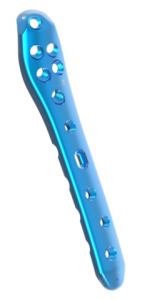
Proximal Femur Locking Plate V
Available Specifications Left: 5, 7, 9, 11 holes (183mm – 291mm)
Right: 5, 7, 9, 11 holes (183mm – 291mm)
Width 20.5mm
Thickness 6.0mm
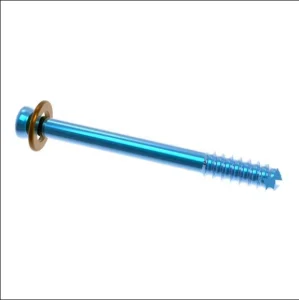
Matching Screw 5.0 Locking Screw / 4.5 Cortical Screw
Material Titanium
Surface Treatment Micro-arc Oxidation
Qualification CE / ISO13485 / NMPA
Package Sterile Packaging (1 pcs/package)
MOQ 1 Pcs
Supply Ability 1000+ Pieces per Month
Key Design Features & Advantages

Multiple Fixation Options

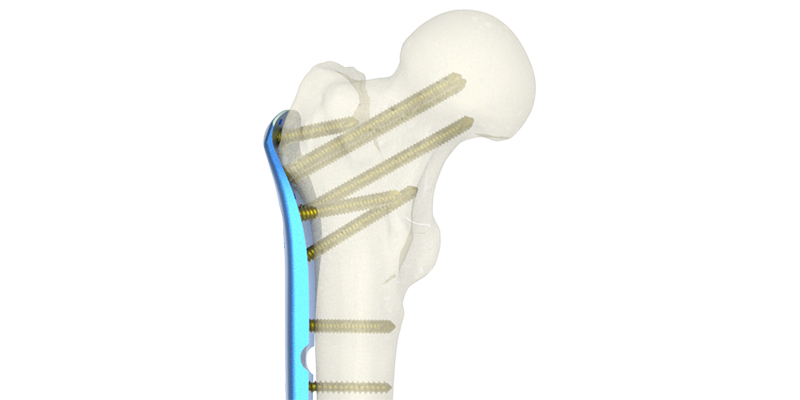
Offers a total of six individual screw options in the proximal femur, allowing customized fixation according to patient anatomical needs and fracture patterns for superior stability and clinical outcomes.

Anatomic Fit & Bowed Shaft

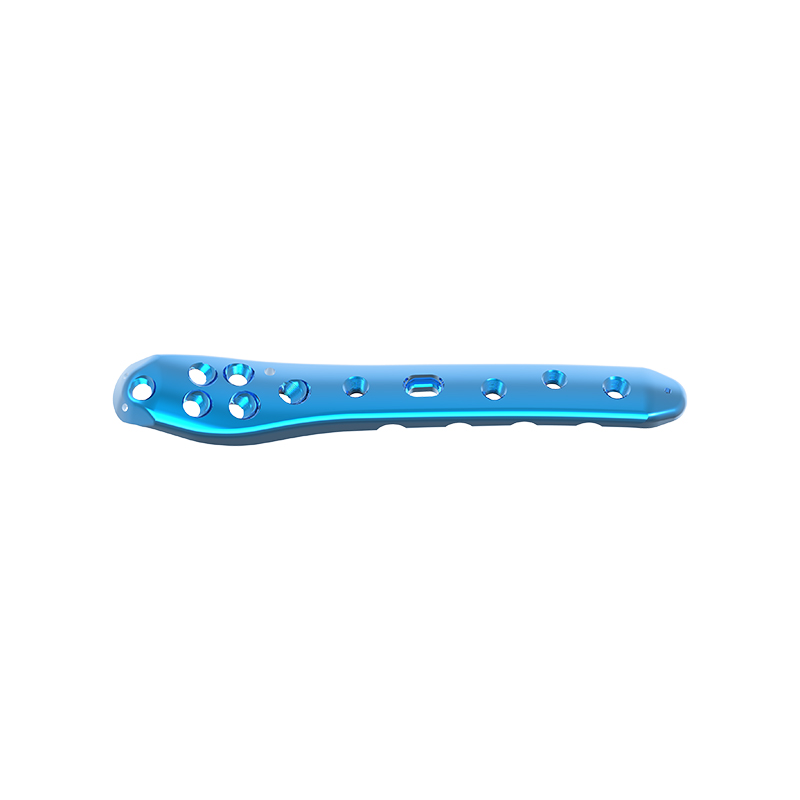
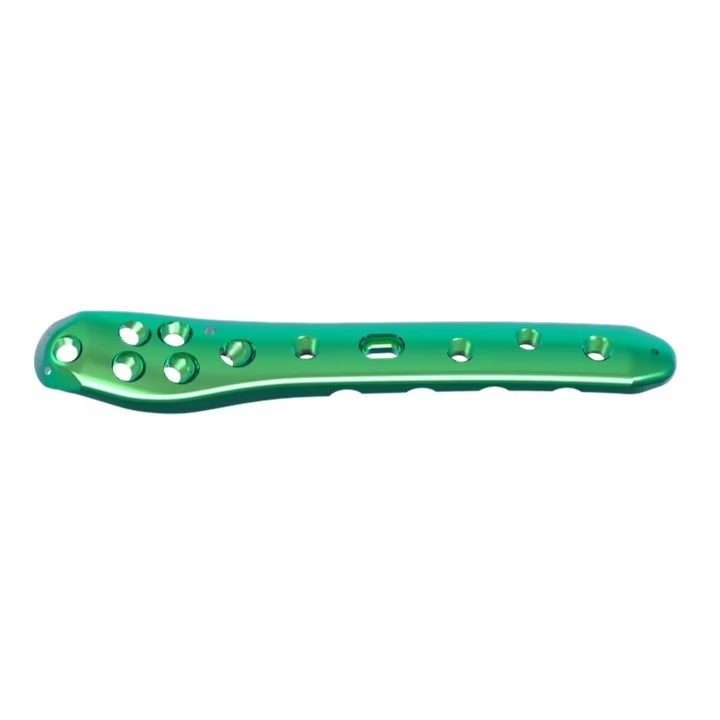
Precontoured to fit the lateral aspect of the greater trochanter. The anatomically bowed shaft sits straight along the lateral cortex with an anterior curve starting at the 6-hole option, maximizing plate-to-bone coverage.

Rotational & Varus Stability

Up to six points of proximal fixation: five screws dedicated to supporting the femoral neck and head, and one targeting the calcar femorale to resist rotational and varus stresses across the trochanteric region.

Biological Blood Supply Protection

Engineered undercuts in the shaft reduce surface contact with bone, preserving vital periosteal blood supply, promoting optimal bone health, and encouraging faster healing.

Minimally Invasive Insertion

The bullet plate tip design assists surgeons with smooth percutaneous insertion, minimizing soft tissue trauma, facilitating a less invasive surgical procedure, and reducing implant prominence.

Sterile-Packed & Dedicated Variants

Delivered sterile-packed to eliminate contamination and decrease infection risk. Dedicated left and right variants eliminate the need for intraoperative plate bending, saving OR time and reducing surgical errors.
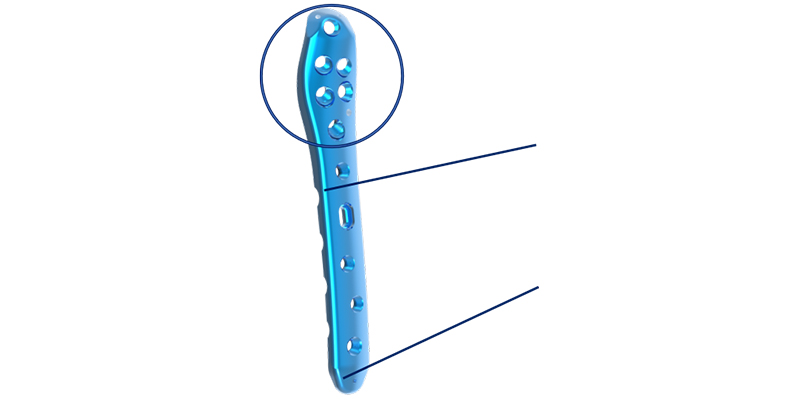
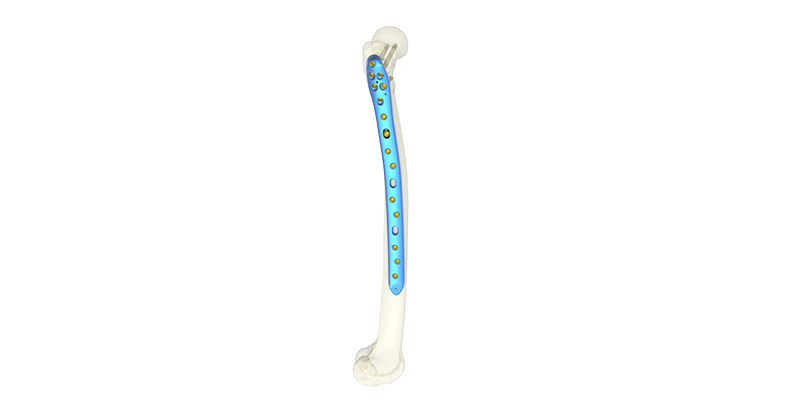
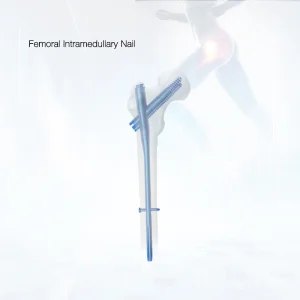
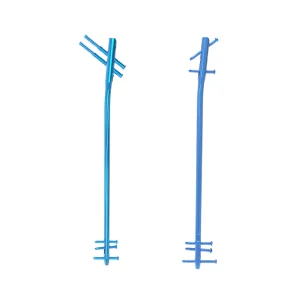
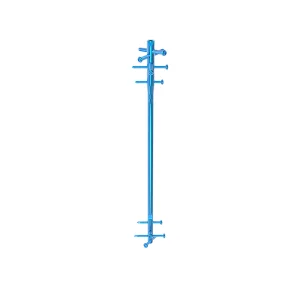
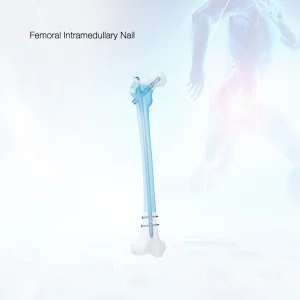
Plate Anatomy & Structural Views
Fixation points and shaft contouring
Anatomic Proximal Contouring & Bullet Tip
Surgical insertion and screw paths
Anterior Curve & Cortical Alignment
Calcar and femoral head fixation
Calcar Femorale & Femoral Head Fixation Vectors
Clinical Indications
  • Fractures of the trochanteric region including simple intertrochanteric, reverse intertrochanteric, transverse trochanteric, complex multifragmentary, and fractures with medial cortex instability
  • Proximal femur fractures with ipsilateral shaft fractures
  • Metastatic proximal femur fractures
  • Proximal femur osteotomies
  • Fractures in osteopenic bone
  • Nonunions and malunions
  • Basi/transcervical femoral neck fractures
  • Subcapital femoral neck fractures
  • Subtrochanteric femur fractures
Frequently Asked Questions
1. How many points of fixation does the Proximal Femur Locking Plate offer?
The plate provides up to six distinct points of fixation in the proximal femur. Five screws support the femoral neck and head, while one screw specifically targets the calcar femorale, effectively resisting rotational and varus stresses.
2. How does the anatomical shaft contour enhance surgical outcomes?
The plate is precontoured to the lateral aspect of the greater trochanter. Extending down the femoral shaft, it sits straight along the lateral cortex with an anterior curve beginning at the 6-hole option. This ensures optimal anatomical fit, maximizing plate-to-bone coverage and minimizing the risk of malalignment or implant failure.
3. What features support minimally invasive and biological fixation?
The plate features a bullet tip that facilitates percutaneous insertion with minimal soft tissue trauma. Additionally, undercuts along the shaft limit bone contact, preserving the local periosteal blood supply to encourage faster bone recovery.
4. Are separate left and right variants available?
Yes, the plate is manufactured in dedicated Left and Right versions across all hole configurations (5, 7, 9, and 11 holes). This anatomical distinction removes the need for intraoperative plate contouring, reducing operating time and error risk.
5. Which screws and specifications are compatible with this plate?
The plate has a width of 20.5mm, a thickness of 6.0mm, and lengths ranging from 183mm to 291mm. It is designed to match 5.0 Locking Screws and 4.5 Cortical Screws.
6. How is the implant supplied and certified?
Each plate is fabricated from medical-grade Titanium treated with micro-arc oxidation and supplied in sterile packaging (1 piece/package). It meets international regulatory qualifications including CE, ISO13485, and NMPA standards.

Related Products