Custom For Cancellous Bone Pin for Orthopedic External Fixation Suppliers, Product
Product Description
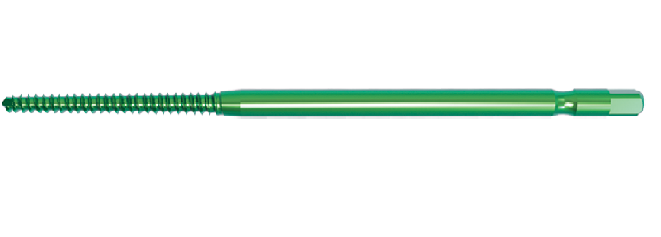
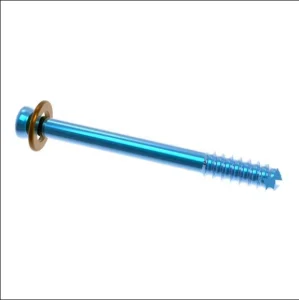
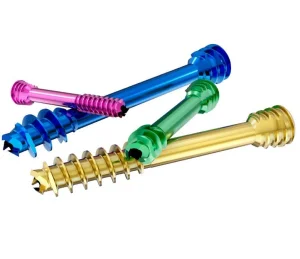
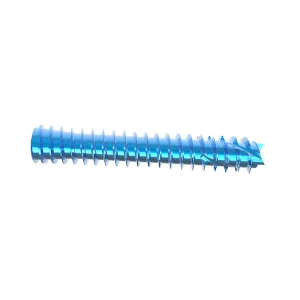
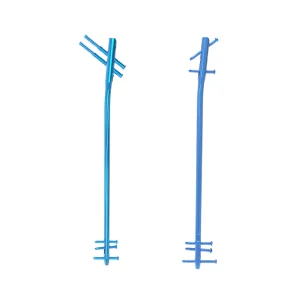
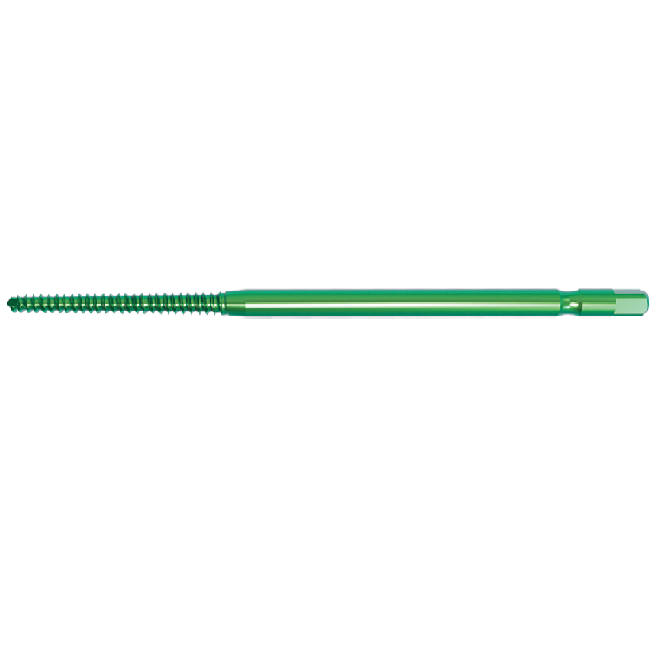
Cancellous Bone Pin
Medical-Grade Titanium Alloy
| Diameter (Φ) | Available Lengths | Material | Application |
|---|---|---|---|
| Φ4.0 mm | 80 mm / 100 mm / 120 mm | Titanium Alloy | Cancellous Bone Fixation |
| Φ5.0 mm | 120 mm / 150 mm / 180 mm | Titanium Alloy | Cancellous Bone Fixation |
| Φ6.0 mm | 120 mm / 150 mm / 180 mm | Titanium Alloy | Cancellous Bone Fixation |
A cancellous bone pin is specifically engineered for orthopedic external fixation frames to anchor into porous, spongy metaphyseal or epiphyseal bone, ensuring stable skeletal traction and alignment during fracture healing.
Titanium alloy provides high strength-to-weight ratio, excellent biocompatibility, superior corrosion resistance, and reduced imaging artifacts compared to stainless steel, which facilitates better post-operative radiographic evaluation.
The selection depends on the target anatomical site, patient anatomy, and load-bearing requirements. Generally, Φ4.0 mm pins are suitable for smaller bone structures, while Φ5.0 mm and Φ6.0 mm options are ideal for larger bones such as the femur or proximal tibia.
Yes, with standard diameters (Φ4.0 mm, Φ5.0 mm, and Φ6.0 mm), these cancellous pins are designed to be universally compatible with standard external fixator pin clamps, connecting rods, and standard surgical instrumentation sets.
Cancellous bone pins feature deeper thread profiles and larger thread pitch designed to gain maximum grip in soft, spongy bone, whereas cortical pins feature shallower, denser threads engineered for dense, hard bone cortex.
Orthopedic external fixation pins are intended for single-patient use only. Reusing implants can compromise mechanical integrity, lead to fatigue failure, and increase the risk of pin-tract infections.