Custom ZATH Orthopedic JDS Stem Hip Revision Instruments Implant Factory, Pricelist
Product Description
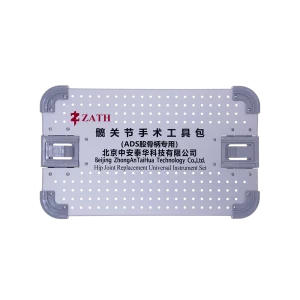
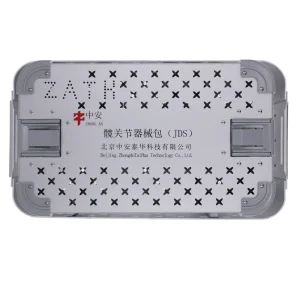
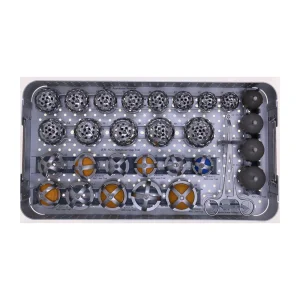
The JDS hip instrument represents a significant advancement in orthopedic surgery, especially in the field of hip replacement surgery. These instruments are designed to improve the accuracy and efficiency of hip replacement surgery, and are customized according to the constantly changing needs of surgeons and patients.
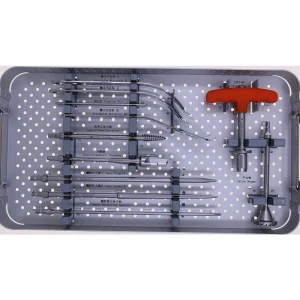
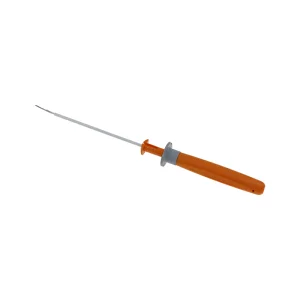
The JDS hip joint instrument features innovative design that simplifies the surgical process. The instrument includes a comprehensive set of tools to assist in accurately placing the hip joint shaft, ensuring optimal alignment and stability. This is crucial for the long-term success of hip implants, as proper placement can significantly reduce the risk of complications and improve patient prognosis.
Hip Set Uses and Applications in Orthopedic Surgery
One of the main uses of JDS hip joint instruments is total hip arthroplasty (THA), which is a common surgery for patients with severe hip arthritis or fractures. This instrument helps surgeons accurately prepare the hip socket and femur to ensure optimal alignment and stability of hip implants. Its ergonomic design allows for greater flexibility, thereby reducing the risk of surgical complications.
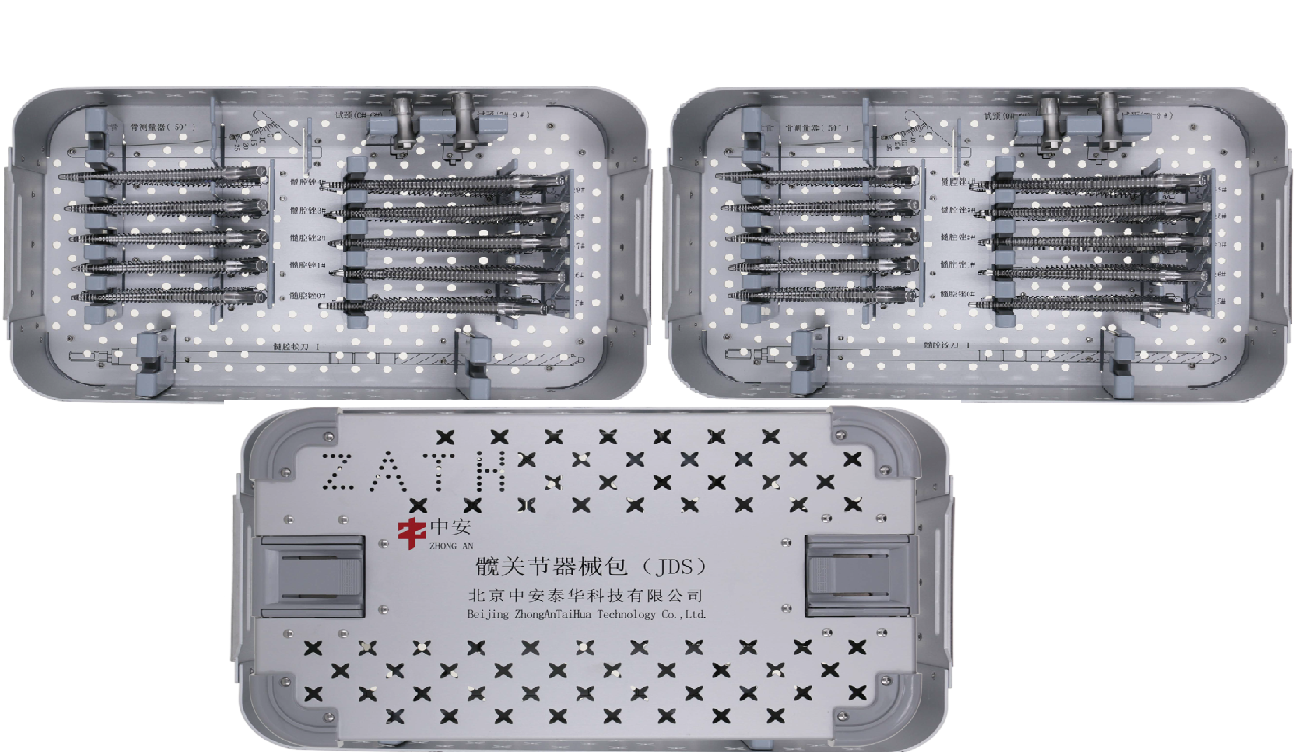
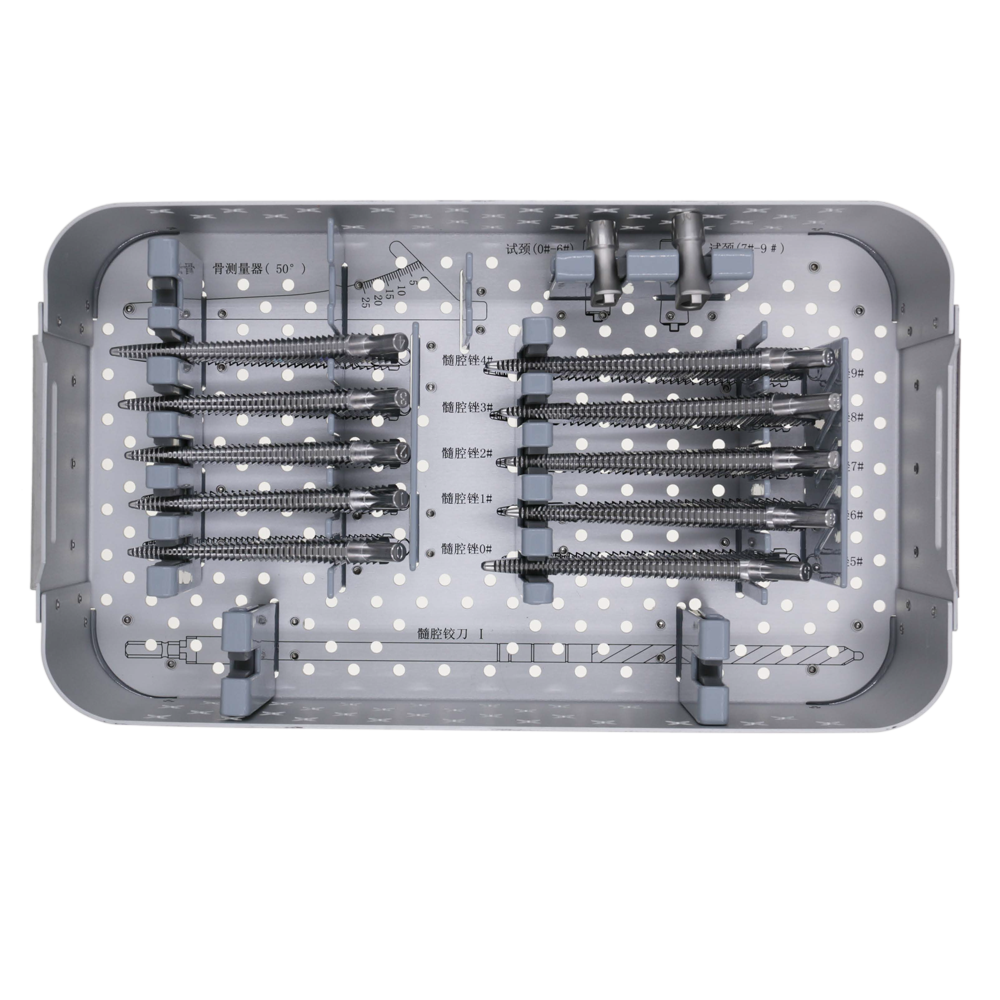
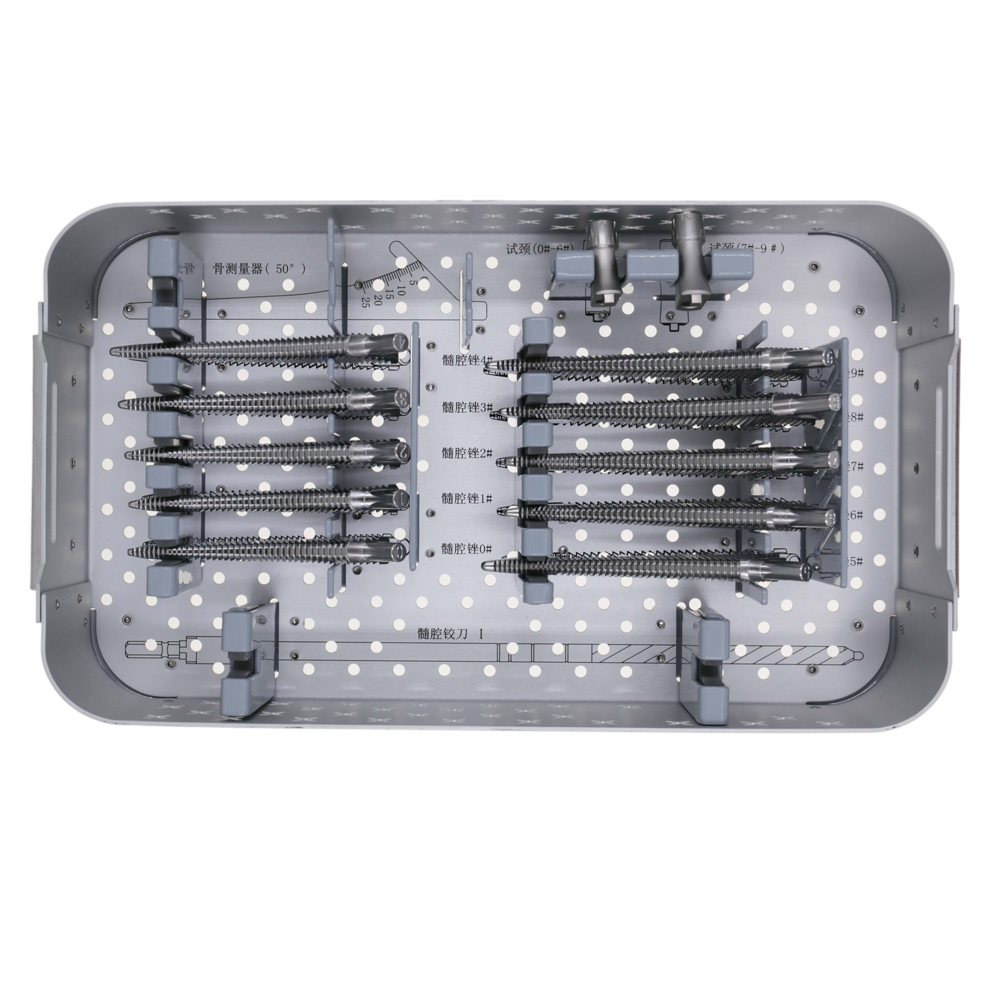
| No. | Product Code | Item Name | Specification | Quantity |
|---|---|---|---|---|
| 1 | 13010083J-89J | Trial Neck | 0#-6# | 1 |
| 2 | 13010090J-92J | 7#-9# | 1 | |
| 3 | 13010083J | Stem Broach | 0# | 1 |
| 4 | 13010084J | 1# | 1 | |
| 5 | 13010085J | 2# | 1 | |
| 6 | 13010086J | 3# | 1 | |
| 7 | 13010087J | 4# | 1 | |
| 8 | 13010088J | 5# | 1 | |
| 9 | 13010089J | 6# | 1 | |
| 10 | 13010090J | 7# | 1 | |
| 11 | 13010091J | 8# | 1 | |
| 12 | 13010092J | 9# | 1 |
Frequently Asked Questions (FAQ)
The JDS hip instrument set is primarily designed for Total Hip Arthroplasty (THA) procedures, aiding surgeons in preparing both the femoral canal and acetabular site for optimal stem alignment and stable implant fixation.
The system features a comprehensive size scale ranging from size 0# to size 9# (product codes 13010083J through 13010092J), allowing precise incremental preparation according to patient anatomy.
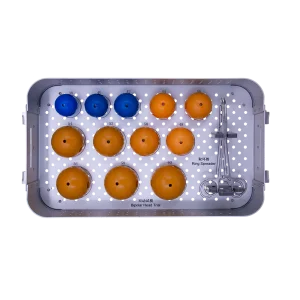
The set includes matching Trial Neck segments grouped into specifications 0#-6# and 7#-9# to verify joint stability, leg length, and offset prior to inserting the final femoral components.
The ergonomic geometry provides optimized handling and enhanced operative flexibility, reducing surgical fatigue and facilitating accurate instrument trajectory during femoral preparation.
Accurate stem positioning directly impacts long-term implant fixation, minimizes the risk of subsidence or dislocation, and contributes significantly to improved patient recovery and prosthetic longevity.