Discount Distal Medial Tibia Locking Compression Plate II Manufacturers, Company
Product Description
|
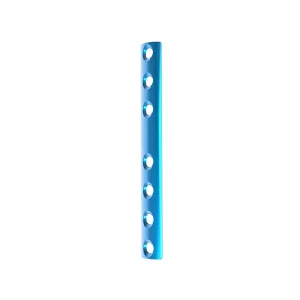
Distal Medial Tibia Locking Compression Plate II

|
4 holes x 117 mm (Left) |
| 6 holes x 143 mm (Left) | |
| 8 holes x 169 mm (Left) | |
| 10 holes x 195 mm (Left) | |
| 12 holes x 221 mm (Left) | |
| 14 holes x 247 mm (Left) | |
| 4 holes x 117 mm (Right) | |
| 6 holes x 143 mm (Right) | |
| 8 holes x 169 mm (Right) | |
| 10 holes x 195 mm (Right) | |
| 12 holes x 221 mm (Right) | |
| 14 holes x 247 mm (Right) | |
| Width | 11.0 mm |
| Thickness | 4.0 mm |
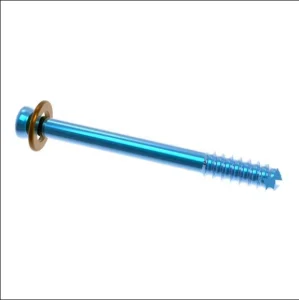
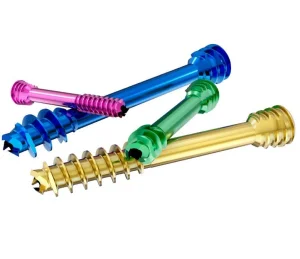
| Matching Screw | 3.5 mm Locking Screw / 3.5 mm Cortical Screw / 4.0 mm Cancellous Screw |
| Material | Titanium |
| Surface Treatment | Micro-arc Oxidation |
| Qualification | CE / ISO13485 / NMPA |
| Package | Sterile Packaging 1 pcs/package |
| MOQ | 1 Pcs |
| Supply Ability | 1000+ Pieces per Month |
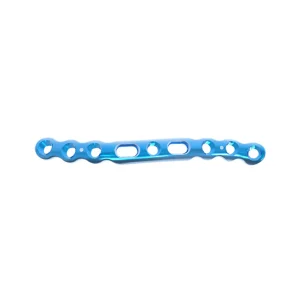
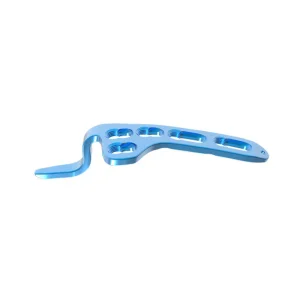
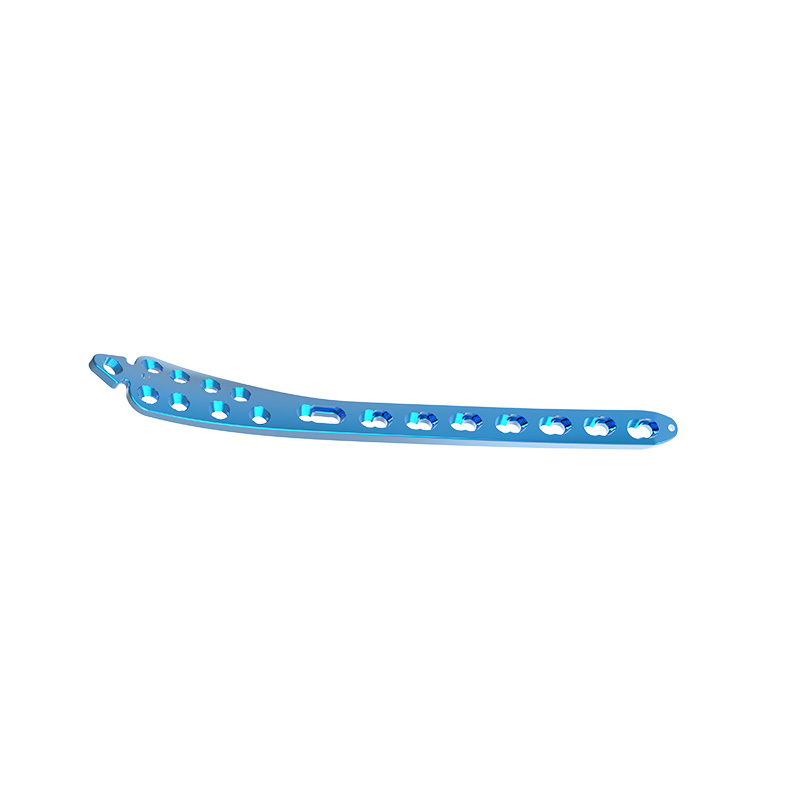
The Distal Medial Tibia Locking Compression Plate II is a specific implant designed for the fixation of fractures in the distal medial region (lower end) of the tibia bone in the leg.
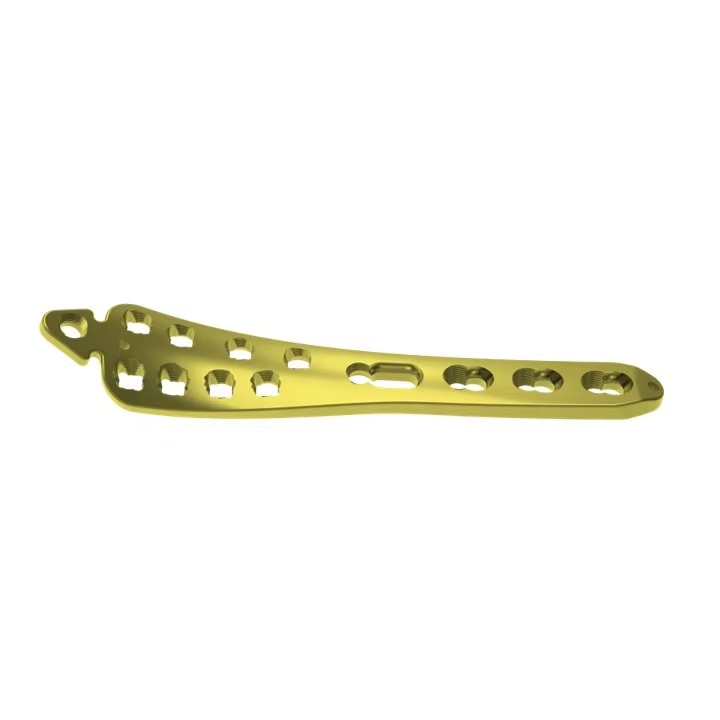
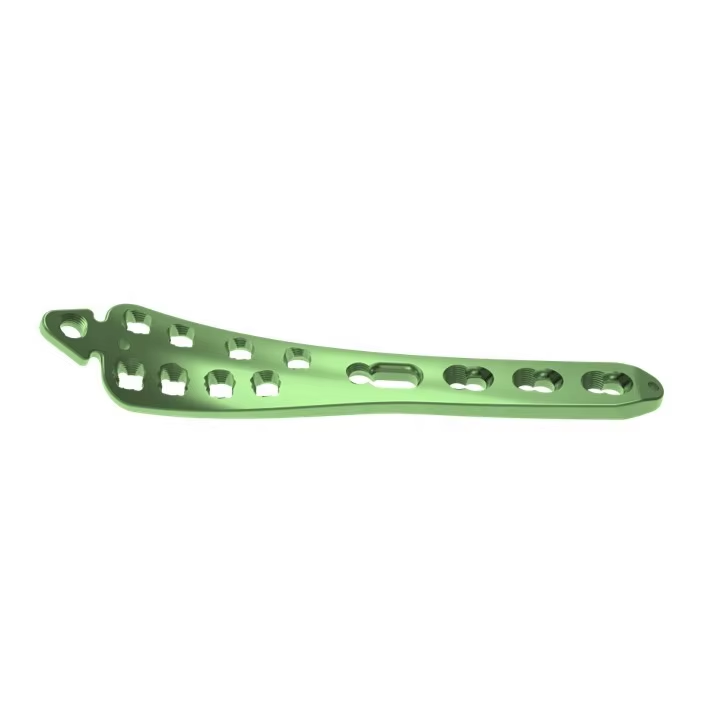
The plate is anatomically contoured to match the shape of the medial side of the tibia bone. This design allows for better fit and alignment with the bone surface.
The plate has a combination of locking and compression holes. Locking screws provide stability by securing the plate to the bone, while compression screws create compression across the fracture site, promoting better healing.
The plate is designed to have a low-profile profile, reducing the prominence of the implant under the skin, minimizing the risk of soft tissue irritation or impingement.
The tibial locking plate typically has multiple holes to accommodate different screw sizes and angles. This allows the surgeon to choose the appropriate screws based on the patient's anatomy and the specific fracture pattern.
Similar to other orthopedic plates, the locking plate tibia is commonly made from titanium. Titanium is lightweight, strong, and biocompatible, making it suitable for internal fixation.
The surgery typically involves making an incision on the medial side of the leg to access the fracture site. The plate is then positioned over the bone and fixed in place using locking and/or compression screws. The combination of locking and compression fixation helps stabilize the fracture and promote bone healing.
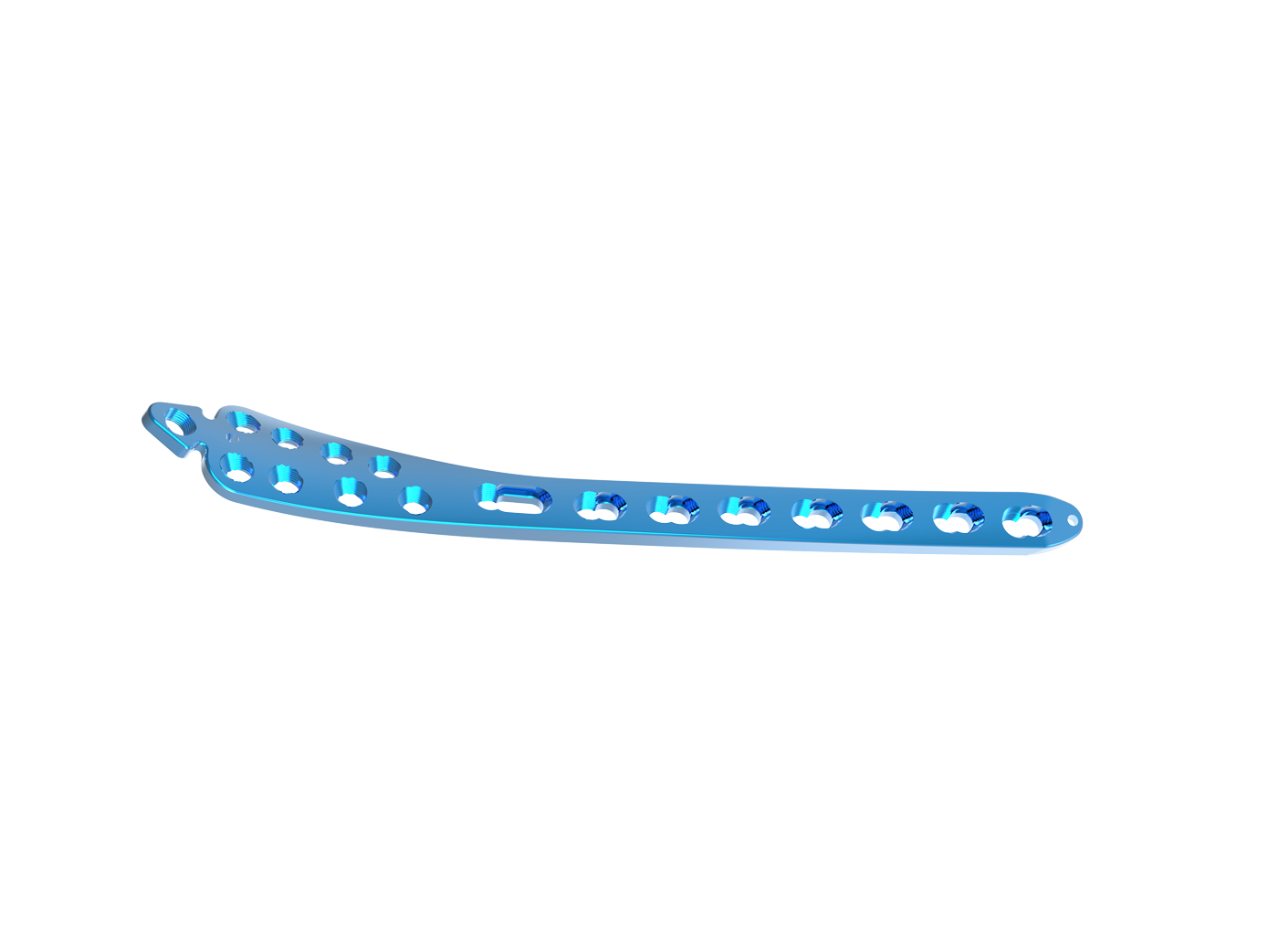
The screw hole pattern allows a raft of subchondral locking screws to buttress and maintain reduction of the articular surface. This provides fixed-angle support to the tibial plateau.
The two angled locking holes distal to the plate head to secure the plate position. The hole angles allow the locking screws to converge and support the three screws in the plate head.
Two 2.0 mm holes for preliminary fixation with Kirschner wires, or meniscal repair with sutures.
The locking compression plate combines a dynamic compression hole with a locking screw hole, which provides the flexibility of axial compression and locking capability throughout the length of the plate shaft.
For articulated tension device.