Wholesale Distal Clavicle Locking Compression Plate Manufacturers, Suppliers
Product Description
|
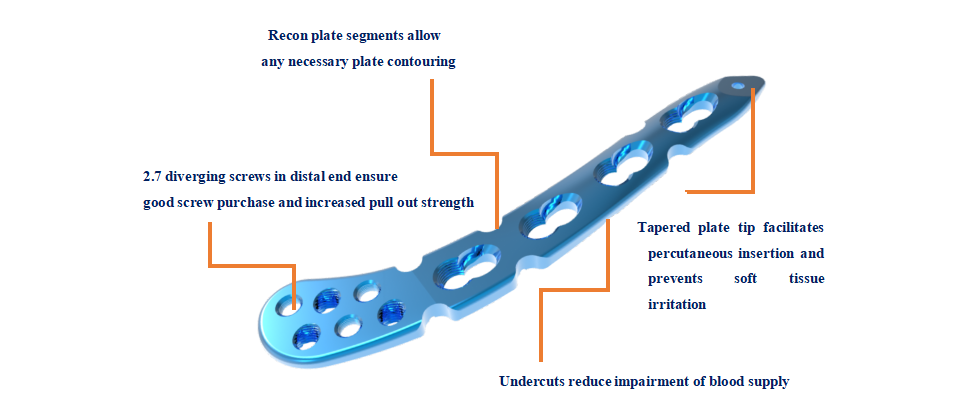
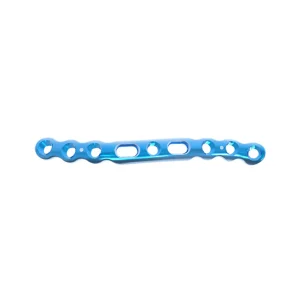
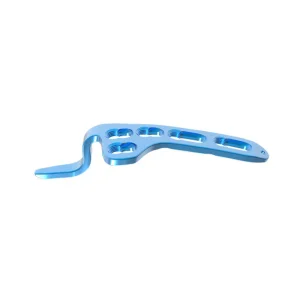
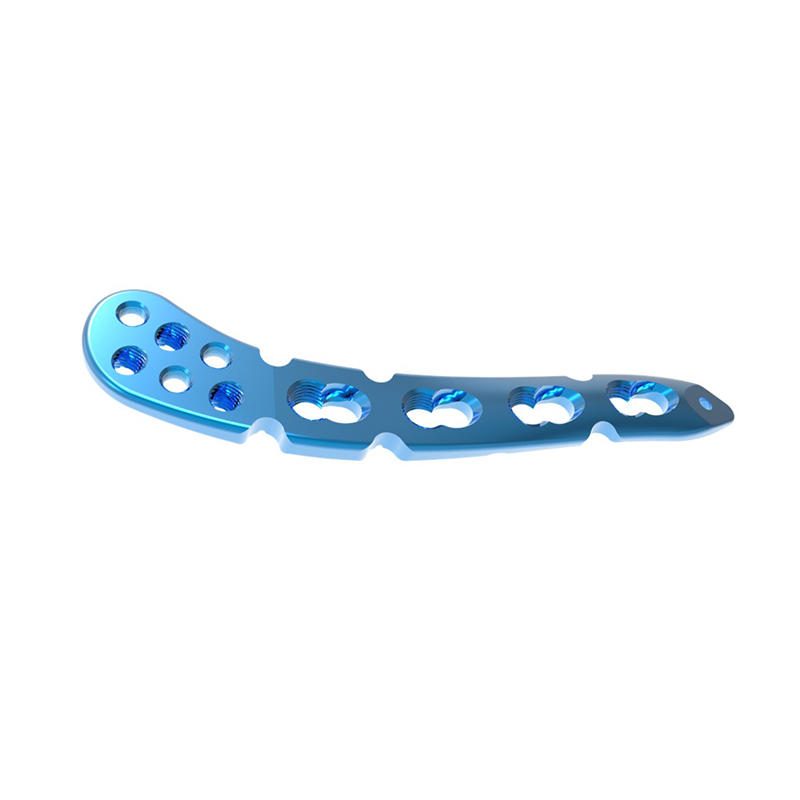
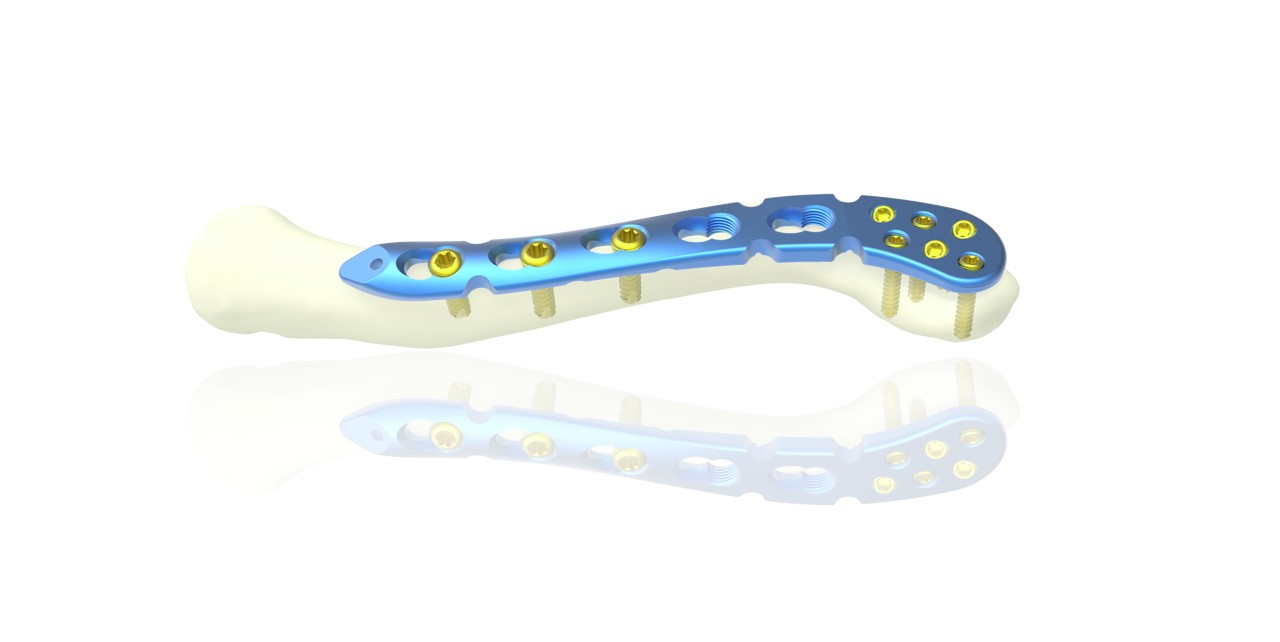
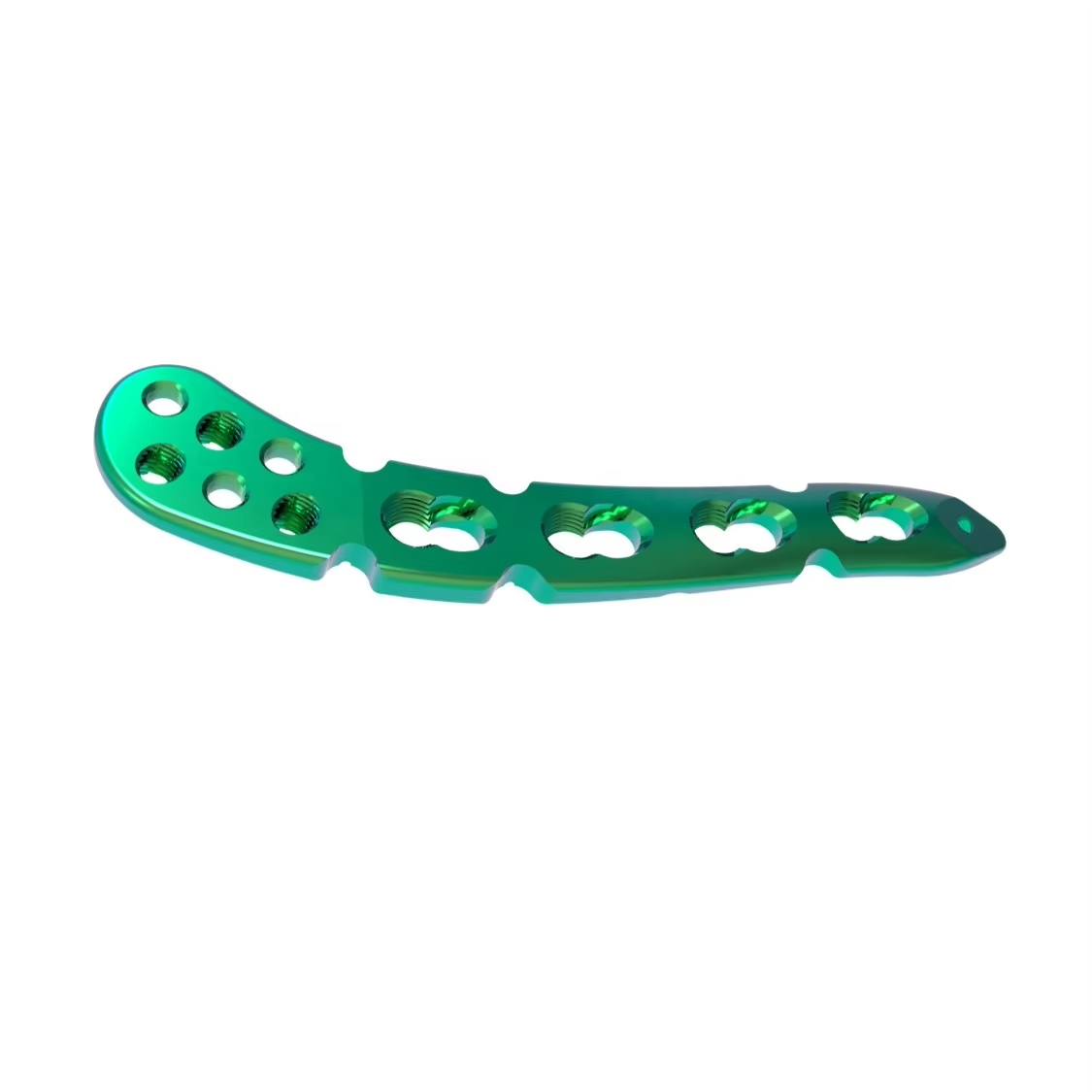
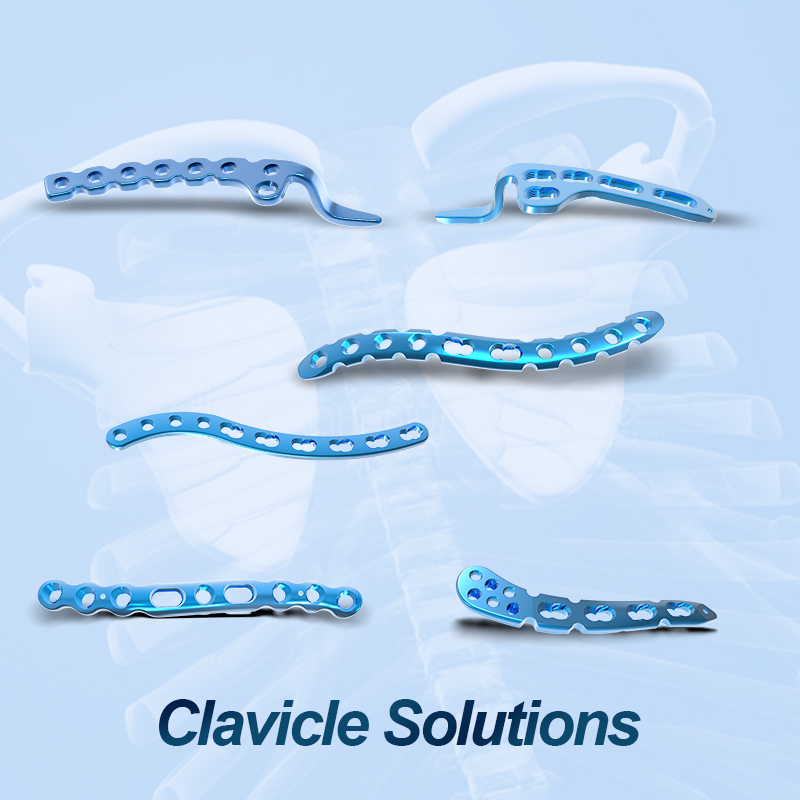
Distal Clavicle Locking Compression Plate
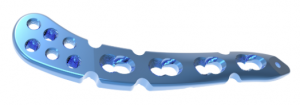
|
4 holes x 82.4mm (Left) |
| 5 holes x 92.6mm (Left) | |
| 6 holes x 110.2mm (Left) | |
| 7 holes x 124.2mm (Left) | |
| 8 holes x 138.0mm (Left) | |
| 4 holes x 82.4mm (Right) | |
| 5 holes x 92.6mm (Right) | |
| 6 holes x 110.2mm (Right) | |
| 7 holes x 124.2mm (Right) | |
| 8 holes x 138.0mm (Right) | |
| Width | 11.8mm |
| Thickness | 3.2mm |
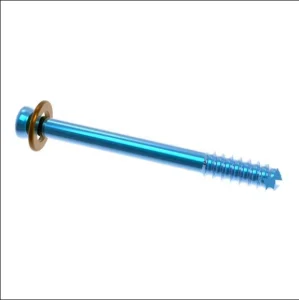
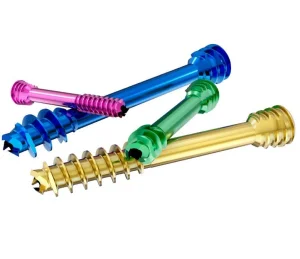
| Matching Screw | 2.7 Locking Screw for Distal Part 3.5 Locking Screw / 3.5 Cortical Screw / 4.0 Cancellous Screw for Shaft Part |
| Material | Titanium |
| Surface Treatment | Micro-arc Oxidation |
| Qualification | CE/ISO13485/NMPA |
| Package | Sterile Packaging 1pcs/package |
| MOQ | 1 Pcs |
| Supply Ability | 1000+Pieces per Month |
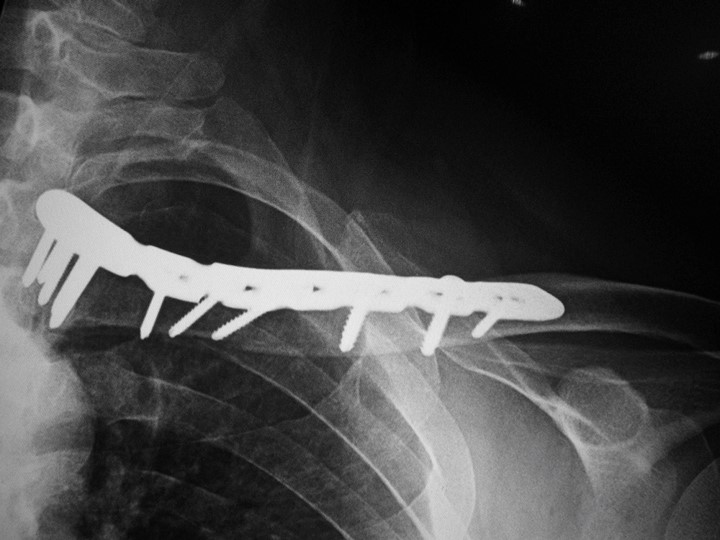
The Distal Clavicle Locking Compression Plate (DCP) is a surgical technique used to treat fractures or other injuries of the distal end of the clavicle (collarbone). Here is a general overview of the operation:
Before the surgery, the patient will undergo a thorough evaluation, including physical examination, imaging studies (e.g., X-rays, CT scans), and medical history review. The decision to proceed with a clavicle plate operation will depend on the severity and location of the fracture, patient's overall health, and other factors.
The operation is typically performed under general anesthesia, but in some cases, regional anesthesia or local anesthesia with sedation may be used.
An incision is made over the distal end of the clavicle to expose the fracture site. The length and position of the incision may vary depending on the surgeon's preference and the specific fracture pattern.
The fractured ends of the clavicle are carefully aligned (reduced) to their proper anatomical position. The clavicle metal plate device is then applied to the clavicle using screws and locking mechanisms to stabilize the fracture. The locking screws provide improved fixation by securing the plate and bone together.
Once the DCP is securely fixed in place, the incision is closed using sutures or surgical staples. Sterile dressings are applied over the wound.
After the surgery, the patient is carefully monitored in the recovery area before being transferred to a hospital room or discharged home. Pain medications and antibiotics may be prescribed to manage pain and prevent infection. Physical therapy and rehabilitation exercises may be recommended to restore range of motion and strength in the shoulder joint.