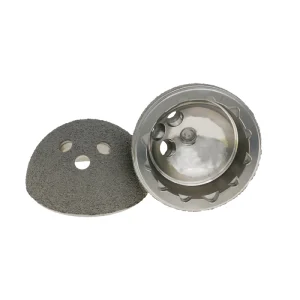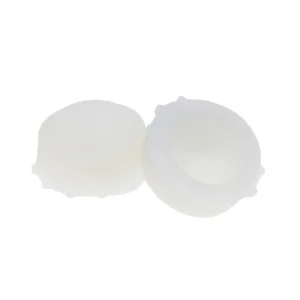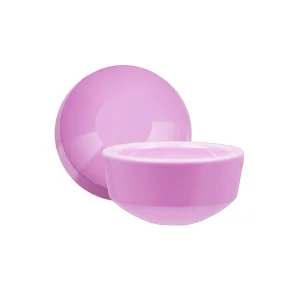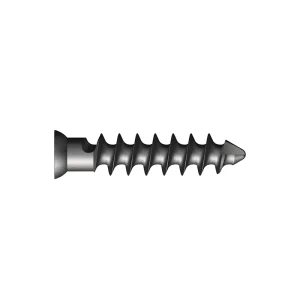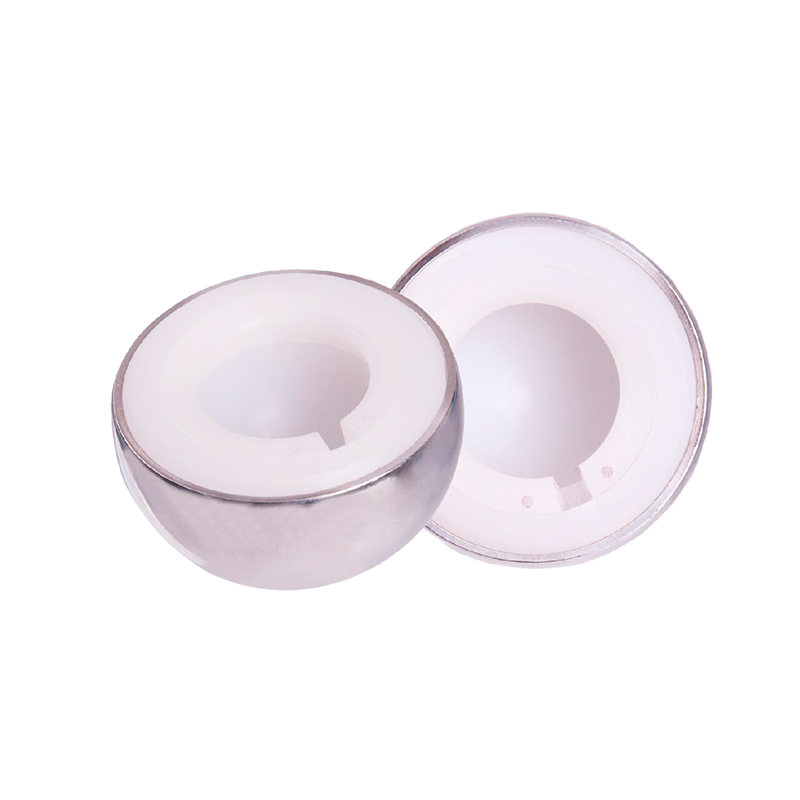
Wholesale FDAH Bipolar Acetabular Cup Medical Hip Joint Prosthetics Companies, Product
Product Description
| Available Sizes |
38 / 22 mm
40 / 22 mm
42 / 22 mm
44 / 28 mm
46 / 28 mm
48 / 28 mm
50 / 28 mm
52 / 28 mm
54 / 28 mm
56 / 28 mm
58 / 28 mm
|
| Material | Co-Cr-Mo Alloy & UHMWPE |
| Qualification | CE / ISO13485 / NMPA |
| Package | Sterile Packaging 1pcs/package |
| MOQ | 1 Pcs |
| Supply Ability | 1000+ Pieces per Month |
Hemi-hip arthroplasty is indicated in these conditions where there is evidence of a satisfactory natural acetabulum and sufficient femoral bone to seat and support the femoral stem. Specific clinical indications include:
Acute fracture of the femoral head or neck that cannot be reduced and treated with internal fixation.
Fracture dislocation of the hip that cannot be appropriately reduced and treated with internal fixation.
Avascular necrosis involving the femoral head where joint reconstruction is required.
Non-union of femoral neck fractures, as well as certain high subcapital and femoral neck fractures in elderly patients.
Degenerative arthritis involving only the femoral head in which the acetabulum does not require replacement.
Pathology involving only the femoral head/neck and/or proximal femur that can be adequately treated by hemi-hip arthroplasty.
While the bipolar acetabular cup design has many advantages, there are also some potential contraindications to consider:
If a patient has severely fractured or compromised bone in the acetabulum (hip socket) or femur (thighbone), the use of a bipolar acetabular cup may not be appropriate. The bone needs to have sufficient structural integrity to support the implant.
Patients with poor bone quality, such as those with osteoporosis or osteopenia, may not be suitable candidates for a bipolar acetabular cup. The bone needs to have adequate density and strength to support the implant and withstand the forces exerted on the joint.
Active infection in the hip joint or surrounding tissues is a contraindication for any hip replacement procedure, including the use of a bipolar acetabular cup. Infection can interfere with the success of the surgery and may require treatment prior to considering a joint replacement.
In cases where a patient has severe joint instability or ligamentous laxity, a bipolar acetabular cup may not provide sufficient stability. In these cases, alternative implant designs or procedures may be considered.
Preexisting medical conditions, such as compromised immune systems, bleeding disorders, or uncontrolled diabetes, may increase the risks associated with surgery and may make a bipolar acetabular cup contraindicated in certain individuals. Each patient's specific medical history and overall health should be thoroughly evaluated before choosing the best implant option.
It is important to consult with a qualified orthopedic surgeon to assess individual circumstances and determine if a bipolar acetabular cup is the appropriate choice for a patient. Surgeons will consider a variety of factors, including the patient's medical history, bone condition, joint stability, and goals for surgery, before making a final decision.
What materials are used in the FDAH Bipolar Acetabular Cup?
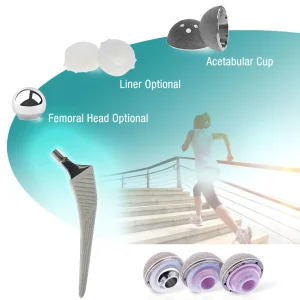
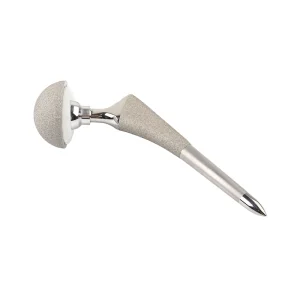
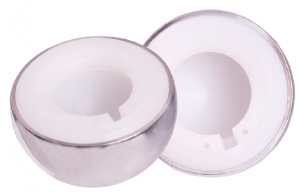
The FDAH Bipolar Acetabular Cup is manufactured using premium Cobalt-Chromium-Molybdenum Alloy (Co-Cr-Mo Alloy) paired with Ultra-High-Molecular-Weight Polyethylene (UHMWPE) for optimal durability and low-friction articulation.
What size specifications are available for this implant?
The cup is supplied in outer/inner diameter configurations including 38/22 mm, 40/22 mm, 42/22 mm, 44/28 mm, 46/28 mm, 48/28 mm, 50/28 mm, 52/28 mm, 54/28 mm, 56/28 mm, and 58/28 mm to match diverse patient anatomies.
When is hemi-hip arthroplasty with a bipolar cup indicated?
It is indicated when there is a healthy, satisfactory acetabulum combined with femoral conditions requiring replacement, including acute irreducible femoral head/neck fractures, avascular necrosis, non-union fractures, elderly subcapital fractures, and localized degenerative arthritis.
What clinical conditions contraindicate the use of a bipolar cup?
Contraindications include active hip infections, severely compromised or fractured acetabular/femoral bone, insufficient bone density (such as osteoporosis or osteopenia), ligamentous laxity/severe joint instability, and uncontrolled systemic medical disorders.
What regulatory qualifications and packaging standards are met?
The product is certified under CE, ISO13485, and NMPA standards. Each unit is delivered in sterile packaging containing 1 piece per package.
What is the Minimum Order Quantity (MOQ) and monthly supply capacity?
The minimum order quantity (MOQ) is 1 piece, and the continuous supply capability is 1,000+ pieces per month.