Clinical Inventory Catalog
Featured Fracture Fixation & Specialized Reconstruction Systems
Precision-engineered titanium locking assemblies, cannulated fasteners, and matching instrumentation manufactured under ISO 13485 standards for immediate international dispatch.
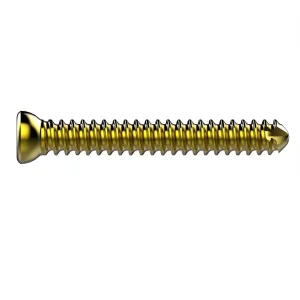
Best 2.0mm 2.7mm 3.5mm 4.5mm Cortical Screw Suppliers, Exporters
Explore Specifications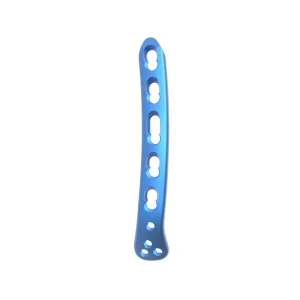
Cheap Distal Posterolateral Humerus Locking Compression Plate Suppliers, Exporter
Explore Specifications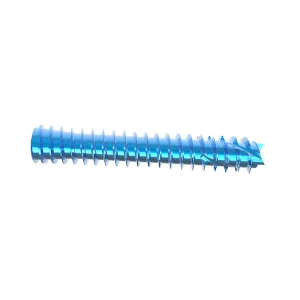
Buy Headless screw titanium cannulated screws Companies, Product
Explore Specifications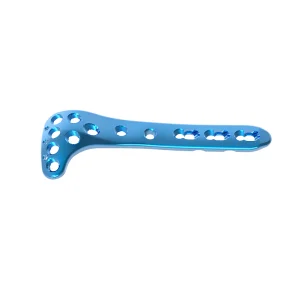
Custom Proximal Lateral Tibia Locking Compression Plate IV Supplier, Suppliers
Explore Specifications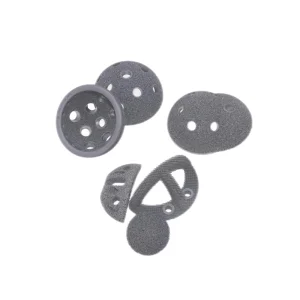
ODM 3D Printing Acetabular Revision System Manufacturers, Pricelist
Explore Specifications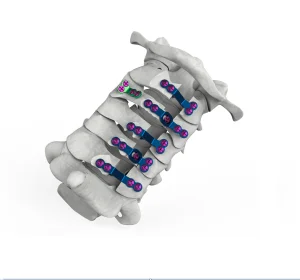
ODM Posterior Cervical Plate Fixation Dome Laminoplasty Plate Bone Implant Pricelist, Service
Explore Specifications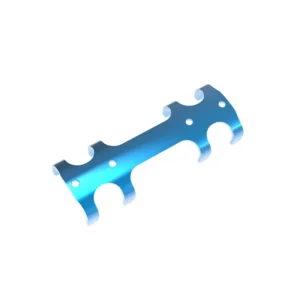
OEM Titanium Rib Claw Plate for Pectorales AO Manufacturers, Company
Explore Specifications
Biomechanical Intelligence
Distal Humerus Fracture Fixation: Biomechanical Principles & Market Dynamics
Navigating complex AO/OTA Type 13 intra-articular fractures requires exact load distribution, subchondral support, and anatomical pre-contouring that matches or exceeds legacy systems.
Parallel vs. Orthogonal Plating Modalities
Modern orthopaedic literature reinforces that both orthogonal (90-90) and parallel plating configurations offer unique clinical merits. High-grade comminuted fractures of the distal humerus demand angular stability where distal locking screws cross through the distal fragments, creating a rigid arch structure that neutralizes rotational torque and allows early rehabilitation without loss of reduction.
Dynamic Fatigue Limits > 1.2M CyclesSubchondral Angular Screw Trajectories
Anatomical distal posterolateral and medial humerus plates are crafted to respect soft tissue envelopes around the olecranon fossa. Multi-directional and fixed-angle locking holes allow divergence and interdigitation across the capitellum and trochlea, safely anchoring osteoporotic bone beds without impinging on the joint capsule.
Anatomical Match Index: 98.4%Reduced OR Prep & Instrument Synergy
Legacy surgical systems frequently encounter supply chain friction due to fragmented instrumentation trays. State-of-the-art manufacturing delivers complete sets with self-tapping cortical screws, cannulated drills, tap gauges, and ergonomic plate benders, driving procedural consistency across Level 1 emergency trauma suites.
Surgical Time Saved: ~18 Mins15+
Years Manufacturing Excellence
300+
Precision Engineers & Technicians
ISO 13485
Certified Quality Management
4-6 Days
Global Express Transit Time
B2B Supply Intelligence
Global Procurement Demands: Why Distributors Seek Reliable Manufacturing Partners
Procurement directors, tender managers, and orthopaedic brands are restructuring vendor portfolios away from single-source monopolies toward high-reliability contract manufacturing partners.
Overcoming Brand Price Inflation
Multinational tier-1 brands impose premium margins upwards of 400% on trauma implants. Sourcing directly from verified Chinese manufacturers provides Tier-1 titanium biocompatibility (Ti-6Al-4V ELI) and mirror-finished CNC contours at sustainable unit costs, optimizing public healthcare tenders and private hospital procurement margins alike.
Regulatory Documentation & Traceability
Hospital procurement tenders require exhaustive design dossiers: tensile yield curves, raw-material lot certifications, fatigue testing logs, and bio-burden validations. Advanced Chinese manufacturing operations maintain complete documentation suites, ensuring rapid registration approvals across Latin America, Southeast Asia, the Middle East, and Europe.
Turnkey Instrument & Tray Synergy
Implant systems are only as functional as the instruments used to insert them. Sourcing companies demand calibrated depth gauges, torque limiters, screw holding sleeves, and robust anodized aluminum sterilization containers configured explicitly to eliminate intraoperative delays and reduce tray reprocessing weight.
Industry 4.0 Infrastructure
China Industry 4.0: Modern Manufacturing, Resilience & Quality Yield
Operating from Beijing's Zhongguancun Science and Technology Park, modern orthopaedic device manufacturing merges multi-axis Swiss CNC milling, optical surface metrology, and cleanroom sterilization.
5-Axis Simultaneous Micro-Machining
Distal humerus plates feature compound helical twists, variable-angle combi-holes, and ultra-thin profile tapered tips. Our automated CNC production cells execute single-setup multi-axis turning and milling, maintaining micro-tolerances within ±0.005mm and banishing micro-burrs that cause soft tissue irritation.
Aerospace Medical Raw Materials
Biocompatibility starts at the ingot. We exclusively source medical-grade wrought titanium (ASTM F136 Ti-6Al-4V ELI) and surgical stainless steel (ASTM F138). Every incoming bar stock consignment undergoes ultrasonic crack detection, spectral composition verification, and hardness testing before entering the shop floor.
Sterile Barrier Packaging & Lot Control
Implants are packaged in ISO Class 7 and Class 100,000 cleanroom environments using medical DuPont Tyvek® double-blister enclosures. Implants arrive validated sterile, with tamper-evident labels and 2D GS1 DataMatrix barcodes enabling point-of-care OR scanning and instant EHR inventory allocation.
| Evaluation Parameter | Legacy Tier-1 Implants (e.g. Zimmer/Depuy) | China 4.0 Direct Manufacturing (ZATH) | Clinical Procurement Benefit |
|---|---|---|---|
| Raw Material Specification | ASTM F136 Ti-6Al-4V ELI / ISO 5832-3 | ASTM F136 Grade 23 Medical Titanium | Equal Mechanical Tenacity |
| Profile Thickness & Contouring | 2.0mm - 3.2mm Anatomical Contoured | 1.8mm - 3.0mm Ultra-Low Profile | Reduced Tendon Impingement |
| Locking Hole Geometry | Proprietary Thread Pitch | Universal Conical & Locking Combi-Holes | High Compatibility & Versatility |
| Delivery Lead Times | 8 to 16 Weeks (Backlog Dependent) | In Stock Ready-Ship (4-6 Days Express) | Zero OR Procedure Postponements |
| Procurement Acquisition Cost | High Monopolistic Premium Margin | Direct Manufacturer Scaled Pricing | 40-65% Supply Cost Reduction |
Surgical Indication Profiles
Localized Clinical Indications: Where Distal Humerus Plates Excel
Engineered to accommodate diverse patient anatomical variants across global demographics, from pediatric trauma to fragile geriatric bone structures.
AO/OTA Type 13-C Multi-Fragmentary Fractures
Complex bicondylar fractures require stable articular reconstitution followed by rigid supracondylar column bridging. The combination of posterolateral and medial plates creates an integrated structural truss capable of withstanding aggressive flexural and varus-valgus stresses during early post-operative physical therapy.
Osteoporotic Distal Humeral Fragility Fractures
In elderly patients with poor cancellous bone density, traditional non-locking plates risk screw pull-out and collapse. Fixed-angle locking screws engage the subchondral bone directly beneath the joint cartilage, preserving articular length and angular alignment without relying on plate-to-bone friction.
Nonunion, Malunion, & Periprosthetic Fixation
Revision trauma cases involving failed initial consolidation or periprosthetic fractures adjacent to elbow arthroplasties demand versatile screw trajectories. Staggered holes enable surgeons to bypass intramedullary stems, while cable holes and cerclage eyelets permit composite structural reinforcement.
Buyer Knowledge Center
Frequently Asked Questions: Global Sourcing & Technical Specifications
Clear answers to regulatory compliance, customization capabilities, instrument matching, and supply chain logistics for B2B buyers.
How do ZATH distal humerus plates compare anatomically and mechanically to Zimmer systems?
ZATH distal humerus locking compression plates are designed using high-resolution 3D CT skeletal mapping algorithms to mirror the natural anatomy of the medial and posterolateral columns. Like legacy systems (such as Zimmer and DePuy Synthes), they employ low-profile contours to minimize tendon friction, incorporate combi-holes for combined dynamic compression and angular stability, and use ASTM F136 Ti-6Al-4V ELI titanium alloy for identical biocompatibility and mechanical fatigue resistance.
What quality certifications and documentation are available for hospital registrations?
We maintain a complete ISO 13485-certified quality management system covering R&D, precision manufacturing, packaging, and cleanroom sterilization. For global distributors, we provide Free Sale Certificates (FSC), UDEM certifications, material biocompatibility test data, fatigue endurance reports, packaging aging validations, and complete technical documentation (Technical Dossiers) to accelerate national ministry of health registrations.
Do you supply matching surgical instrument sets for distal humerus plate implantation?
Yes. Every plate series is supported by dedicated, autoclavable surgical instrument kits. These sets include variable and fixed-angle drill guides, sharp bone reduction forceps, quick-coupling hex and Torx screwdrivers, depth measuring calipers, bending irons, and depth-calibrated drill bits, housed in customized anodized aluminum sterilization containers.
Can you support private label OEM and ODM customization for distributor brands?
Absolutely. We offer complete OEM and ODM services. Customizations include laser etching of distributor logos and unique lot numbering, custom screw hole quantity patterns, altered plate lengths, specialized surface color anodization, custom sterile blister tray designs, and private-label multi-lingual packaging tailored to your regional market.
What is the standard production lead time and international shipping timeframe?
Standard distal humerus plates and universal cortical/locking screws are maintained in steady stock for emergency replenish needs. Regular stock dispatches ship via DHL, FedEx, TNT, or UPS within 24 to 48 hours, arriving globally in 4 to 6 business days. Custom OEM production runs typically require 4 to 6 weeks depending on batch quantities and packaging specifications.
Comprehensive Platform Range
Extended Surgical Platform: Joint, Spine, Trauma & Endoscopy Solutions
Broaden your regional distributor portfolio with ISO 13485-certified systems manufactured in Beijing, engineered for seamless surgical integration.
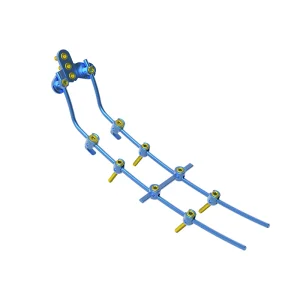
ODM Non-invasive Ladder Optical Coherence Tomography System Quotes, Company
Explore Specifications
Buy High Quality Orthopedic Implant Double Ended Bone Pin Quotes, Service
Explore Specifications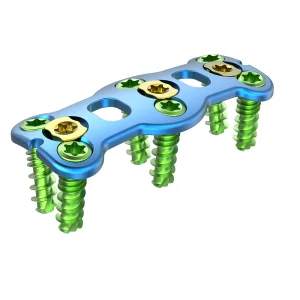
CE Certification High quality Orthopedic Cervical Shielder ACP Plate System Manufacturer, Suppliers
Explore Specifications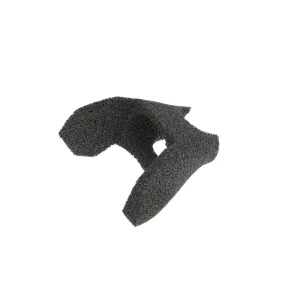
Famous China factory 3D Printing Knee Joint sleeve Germany quality Companies, Service
Explore Specifications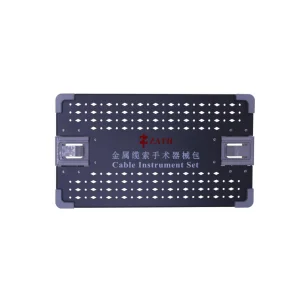
Discount Cable Instrument SetIII Exporters, Companies
Explore Specifications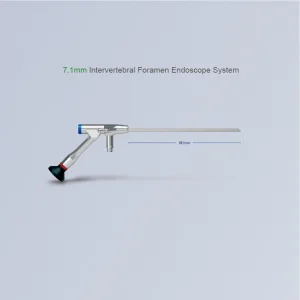
Wholesale 7.1mm Intervertebral Foramen Endoscope System Factory, Factories
Explore Specifications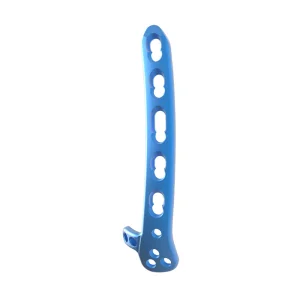
ODM Distal Posterolateral Humerus Locking Compression Plate (with Lateral Support) Product, Products
Explore Specifications