Famous China factory 3D Printing Knee Joint sleeve Germany quality Companies, Service
Product Description
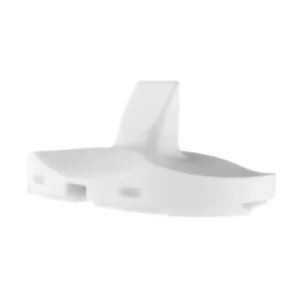
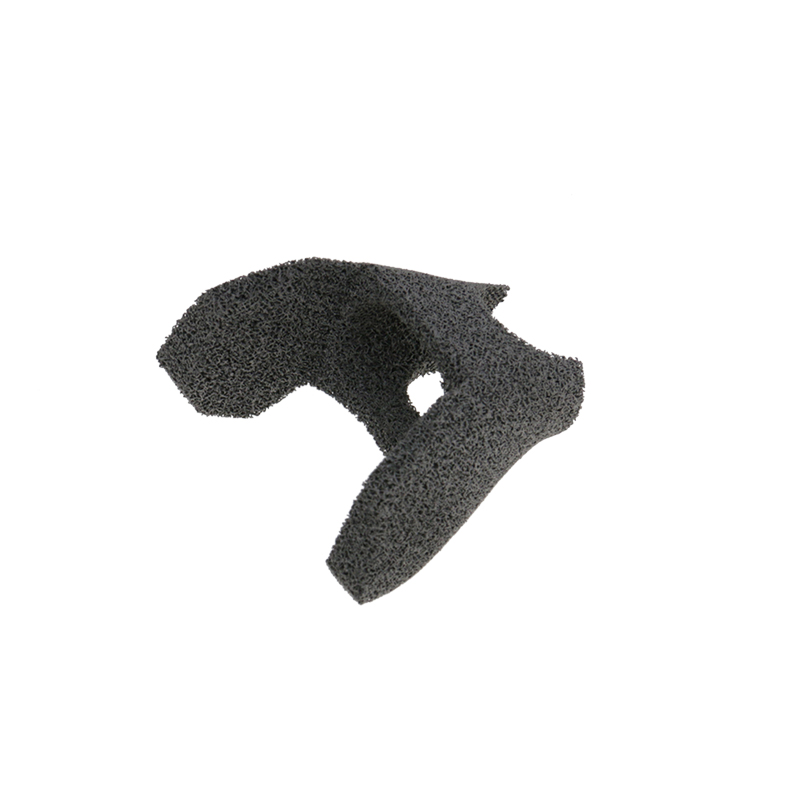
The Femoral Cone Augment is designed to assist in reconstruction and rotational alignment of the construct.
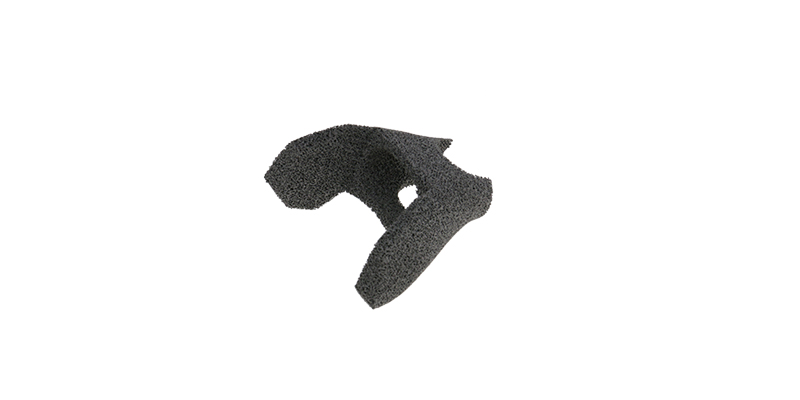
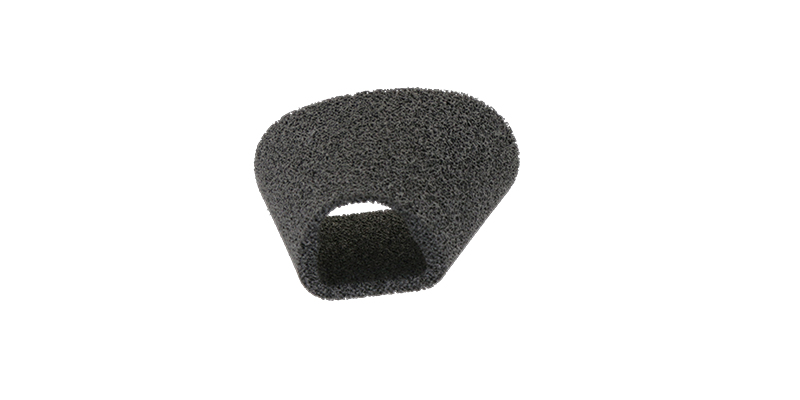
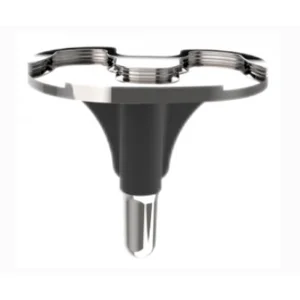
These steps compressively load the bone according to "Wolff's Law" and feature a trabecular structure to promote biological fixation. Unique stepped sleeves compensate for substantial cavitary defects, compressively load the bone and provide a solid foundation for implant stability.
Advanced Orthopedic 3D Printing Technology
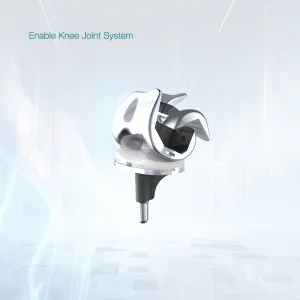
Orthopedic 3D printing is an innovative technology that has revolutionized the field of knee joint replacement surgery. With 3D printing, surgeons can create custom-fit knee implants that match the unique anatomy and needs of each patient.
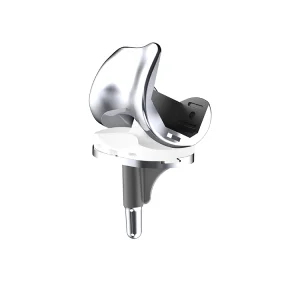
In knee replacement surgery, the damaged or diseased joint is replaced with an implant, which typically consists of a metal baseplate, a plastic spacer, and a metal or ceramic femoral component. With 3D printing, each of these components can be customized and tailored to the patient's specific joint geometry, which can improve the fit and performance of the implant.
Using advanced imaging technology, such as CT or MRI scans, the surgeon can create a digital model of the patient's knee joint. This model is then used to design the custom implant components, which can be manufactured using 3D printing technology.
Another advantage of 3D printing is that it allows for rapid prototyping and iteration. Surgeons can quickly create and test multiple designs of the implant to determine which one offers the best fit and function for the patient.
Overall, 3D printing has the potential to greatly improve the outcomes of knee joint replacement surgery by providing custom-fit implants that offer better performance, durability, and longevity.
Structural Defect Filling & Biological Stability
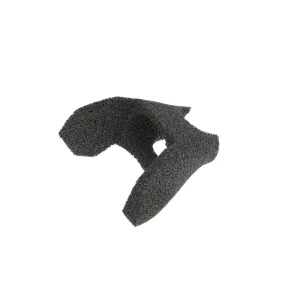
Designed to fill large cavitary bone defects and provide a stable platform for femoral and/or tibial articulating components. The material’s high strength-to weight ratio and low modulus of elasticity provides more normal physiologic loading and the potential for stress shielding. The tapered shape is designed to mimic the endosteal surface of the distal femur and proximal tibia to reinforce damaged bone.