
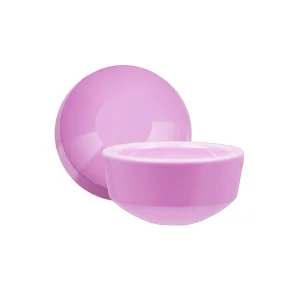
China CDC Ceramic Acetabular liner of hip joint prosthesis Suppliers, Companies
Explore Product Details
Direct OEM access to sterile-packed internal fixation plates, joint prostheses, and surgical instrumentation built to rigorous biomechanical tolerances.
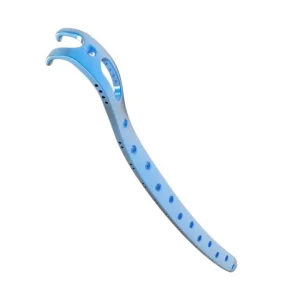
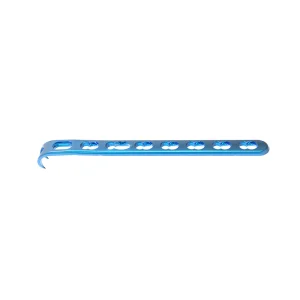
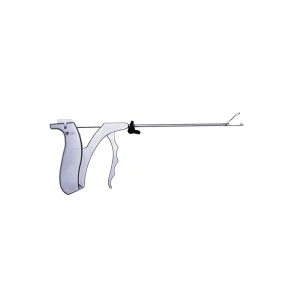
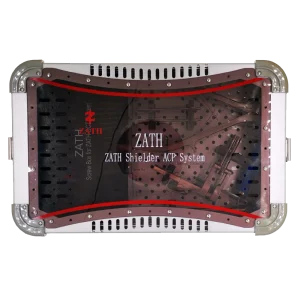
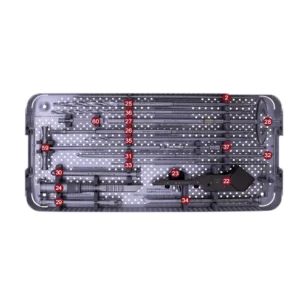
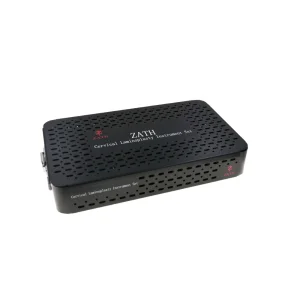
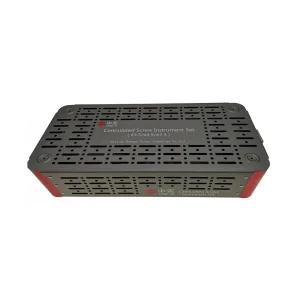
Analyzing the strategic transition from overpriced tier-1 orthobiologic brands to precision value-engineered titanium locking constructs under Diagnosis-Related Group (DRG) and global hospital tender frameworks.
In modern orthopedic trauma management, the term "cheap" has undergone an essential semantic shift from inferior mechanical quality to intelligent value engineering and direct contract manufacturing efficiency. Distal lateral fibular fractures (Danis-Weber Type B and C, AO/OTA 44-A/B/C) represent nearly 15% of all emergency trauma admissions worldwide. Historically, hospitals and surgical centers have been constrained by excessive markup models imposed by multinational implant conglomerates, where procurement costs reflect massive marketing overhead rather than raw metallurgical purity.
By shifting to an integrated manufacturing partner operating under Beijing ZhongAnTaiHua Technology Co., Ltd. (ZATH) protocols, healthcare networks achieve up to 55% reduction in landed cost. This economic optimization does not compromise metallurgy: our distal lateral fibula locking plates utilize exclusively ASTM F136 medical-grade Titanium-6Aluminum-4Vanadium ELI (Extra Low Interstitial) alloy, multi-axis Swiss-lathe precision machining, and validated Class 10,000 cleanroom packaging.
The distal fibula features complex lateral morphology characterized by minimal soft-tissue envelope, thin periosteal blood supply, and intimate proximity to the peroneal tendons. Biomechanical failure, prominent hardware, and subsequent secondary surgeries for implant removal have long plagued generic straight or poorly countered dynamic compression plates.
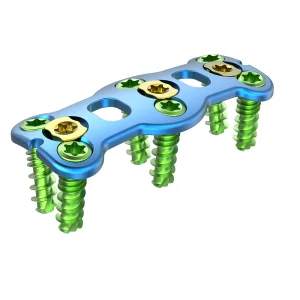
Our distal lateral fibula plates feature an anatomically pre-contoured flare that mimics the lateral malleolar bow, drastically reducing intraoperative plate bending and notch-induced stress concentrations. The distal cluster utilizes diverging low-profile 2.7mm locking and cortex screws that achieve multi-directional subchondral purchase without penetrating the talocrural joint space, while the proximal shaft incorporates 3.5mm combi-holes allowing both dynamic axial compression and rigid angular-stable fixation.
Addressing clinical challenges in comminuted osteoporotic fibula fractures, syndesmotic disruption, and tender-compliant device distribution.
Engineered with specialized non-threaded elongated oblique slots positioned 2.0 to 3.5 cm proximal to the ankle joint line. This enables precise 30° anteromedial angulation for trans-syndesmotic quad-cortical screw placement or dynamic suture-button construct passage without weakening plate structural rigidity.
Plate profile thinned to 1.5mm at the distal extremity with fully countersunk screw seating. High-tolerance micro-chamfered edges eliminate soft-tissue tenting and prevent chronic mechanical friction against the superior peroneal retinaculum, dropping post-operative plate removal rates from 22% to below 4%.
Equipped with a scalloped, undercut undersurface design (Limited Contact LCP principle). By reducing direct contact area with the fibular cortex by 45%, periosteal vascular networks remain perfused, accelerating primary bone callus formation and substantially minimizing delayed non-unions.
A comprehensive evaluation of manufacturing economics, regulatory readiness, customization parameters, and supply security for international orthopedic distributors.
| Evaluation Parameter | Legacy Tier-1 Conglomerates | Generic Domestic Machine Shops | ZATH High-Precision OEM/ODM Service |
|---|---|---|---|
| Raw Metallurgy Standard | ASTM F136 Ti-6Al-4V ELI | Uncertified Commercial Titanium / SS316L | ASTM F136 Medical Ti-6Al-4V ELI (Certified Mill Test) |
| Average Unit Plate Cost | $280.00 – $450.00 USD | $18.00 – $30.00 USD (High Failure Risk) | $38.00 – $65.00 USD (Value-Engineered Direct) |
| Quality System Certification | ISO 13485 / FDA 510(k) / CE MDR | None or localized non-medical ISO 9001 | ISO 13485:2016 / CE Certified / UDEM Verified |
| Packaging & Sterilization | Double Blister Sterile Packed | Bulk Non-Sterile In Polybags | Medical Grade Tyvek Sterile Barrier / Gamma / EtO Ready |
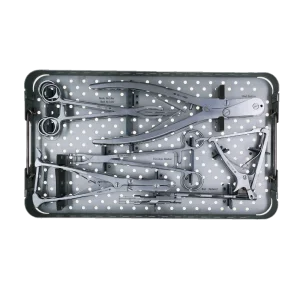
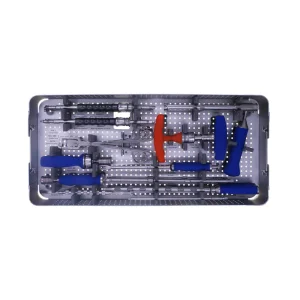
| OEM / ODM Customization | Strictly Prohibited | Rudimentary laser etching only | Full Custom Hole Spacing, Anodization, Custom Trays |
| Lot Traceability | Barcoded ERP Tracked | Inconsistent or missing batch logs | 100% 6-Stage Process Inspection & Mill Batch Traceability |
How additive manufacturing, AI-informed morphology databases, and bioresorbable metallurgy will shape the next decade of ankle trauma surgery.
Deploying 7-axis CNC automated machining arrays that fabricate locking threads with zero pitch error, ensuring cross-threading is completely prevented during emergency surgeon screw insertion.
Selectively laser melting (SLM) titanium micro-lattices onto the metaphyseal contact face to encourage swift osteointegration in cases of massive osteoporotic distal malleolar bone voids.
Pioneering high-purity magnesium-zinc-calcium alloys designed to provide rigid stability for 12 weeks before gradual physiologic resorption, eliminating the requirement for secondary hardware removal.
Implanting passive, biocompatible RFID tags directly inside surgical instrument modular trays for real-time autoclave cycle tracking and hospital automated inventory replenishment.
Surging migration of lateral malleolus repair procedures to Ambulatory Surgery Centers (ASCs) demanding high-quality, pre-sterilized single-use kit packaging that slashes central sterile processing overhead.
Stricter EU MDR requirements have led to the discontinuation of niche plate lines by traditional brands. ZATH fills this void with complete technical documentation dossiers and certified testing.
Rapidly expanding national healthcare systems seeking robust titanium locking solutions backed by Free Sale Certificates (FSC) to win government and ministry tenders on price-to-quality benchmarks.
Exponential urbanization and motorcycle accident demographics drive colossal trauma case volumes. Hospitals require dependable supplier throughput capable of shipping thousands of plates monthly.
A comprehensive engineering-based surgical protocol to maximize osteosynthesis stability, protect lateral soft tissue envelopes, and ensure anatomical alignment.
A straight longitudinal incision is executed slightly posterior to the anterior border of the lateral malleolus, protecting the superficial peroneal nerve. The fracture hematoma is debrided, and anatomic reduction is secured using pointed reduction forceps or a 2.0mm lag screw when feasible.
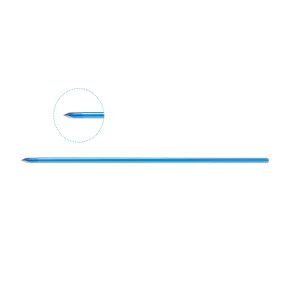
The distal lateral fibular plate is placed against the bone. Its pre-contoured geometry self-locates on the lateral ridge. Kirschner wires (1.5mm) are driven through dedicated K-wire holes on the distal crest to confirm plate positioning under fluoroscopic C-arm visualization.
Variable-angle locking screws (2.7mm) are driven into the distal articular block. Proximal shaft combi-holes are filled with 3.5mm cortex/locking screws. If syndesmosis disruption (Cotton test positive) is verified, trans-syndesmotic screws are inserted through the dedicated oblique portals.
Key inquiries from hospital procurement boards, orthopedic distributors, and biomedical engineers evaluating ZATH manufacturing capabilities.
Engineered in compliance with ISO 13485 quality frameworks, providing seamless clinical synergy across hospital trauma and orthopedic departments.
Partner with Beijing ZhongAnTaiHua Technology Co., Ltd. (ZATH) to obtain direct factory pricelists, complete OEM/ODM technical specifications, and registration dossier support for distal lateral fibular plates.