
High-Performance Trauma & Lower Limb Systems
Engineered to exact surgical tolerances, our lower extremity fracture solutions provide immediate angular stability, anatomical contour compliance, and biological periosteum preservation.
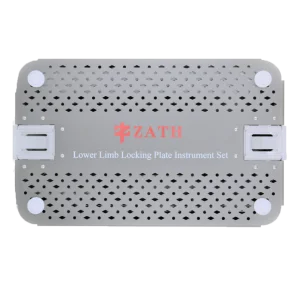
ODM Orthopedic Instrument Lower Limb Locking Plate Instrument Set
Explore Instrument Specifications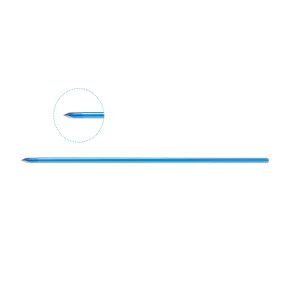
Best Diameter 1.5mm–3.0mm Titanium Alloy Threaded Bone Pin
View Bone Pin Engineering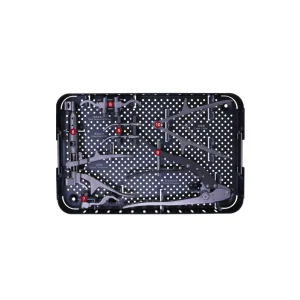
Famous Cerclage Cable Instrument Set Type II Factory Supplier
Request Cerclage Data Sheet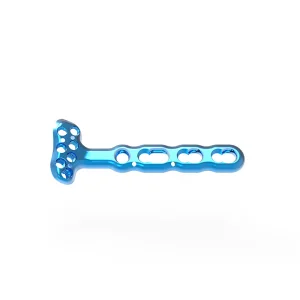
Cost-Effective Anatomical DVR Locking Compression Plate System
Inspect Plate Configurations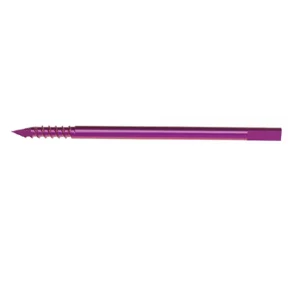
Self-Drilling & Self-Tapping Triangular Pin for External Fixation
Review Fixation Pins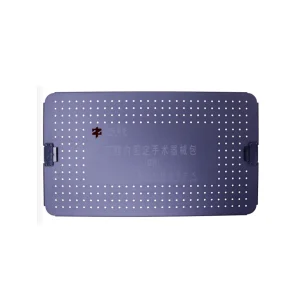
Pelvic Reconstruction Plate & Structural Instrument Set System
Pelvic Reconstruction Set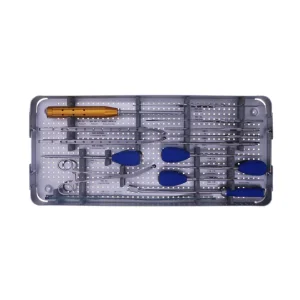
Universal Spinal Internal Fixation System Instrument Set
Spinal Platform Quotation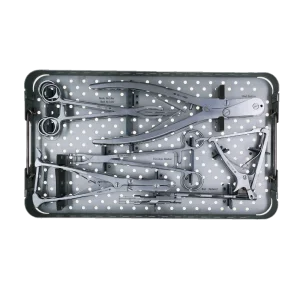
CE Certified Orthopedic Ladder OCT Trauma Instrument Kit
Evaluate Surgical KitEvolution of Distal Tibia Locking Osteosynthesis: From Rigid Fixation to Biological Alignment
A comprehensive examination of biomechanical engineering, metallurgical advances, and clinical efficacy in severe pilon and distal metaphyseal fractures.
Clinical Consensus Summary: Modern management of AO/OTA Type 43 intra-articular and extra-articular distal tibia fractures demands low-profile implants that mitigate soft-tissue complications while resisting substantial axial, varus/valgus, and torsional forces during initial weight-bearing transitions.
1. Preserving the Vulnerable Soft-Tissue Envelope
The distal third of the human tibia is characterized by sparse muscular coverage, tenuous anteromedial vascular arborization, and close proximity of anterior neurovascular structures. Historically, bulky open-reduction plates contributed to high rates of cutaneous necrosis and surgical site infections (SSI). Our Distal Tibia Locking Plate #1 architecture utilizes anatomical tapering and scalloped margins that slide atraumatically via Minimally Invasive Percutaneous Osteosynthesis (MIPO) corridors.
2. Fixed-Angle Mechanical Superiority
Conventional dynamic compression plates depend on friction between the plate and periosteum, risking periosteal strangulation and secondary loss of reduction. In contrast, threaded locking screw heads engage the plate's combi-holes directly, converting the construct into an internal fixator. This creates uniform stress distribution across osteoporotic or comminuted distal metaphyseal zones without stripping cortical blood vessels.
3. Tri-Planar Subchondral Raft Support
Restoration of the articular joint line in complex Pilon fractures requires divergent subchondral screw trajectories. Our 3.5mm/2.7mm locking matrix creates a rigid subchondral "shelf" parallel to the talocrural joint line, preventing secondary subsidence of reconstructed intra-articular articular fragments even under substantial early loading scenarios.
Distal Tibia Locking System: Comparative Biomechanical Matrix
Comprehensive engineering parameters comparing Titanium Alloy (Ti-6Al-4V ELI) versus Medical Grade 316LVM Stainless Steel for periarticular reconstruction.
| Design & Material Parameter | Ti-6Al-4V ELI (ASTM F136 / ISO 5832-3) | 316LVM Stainless Steel (ASTM F138 / ISO 5832-1) | Clinical Performance Advantage |
|---|---|---|---|
| Modulus of Elasticity (GPa) | 110 GPa (Closer to cortical bone: 18–20 GPa) | 190–210 GPa | Anti-Stress Shielding Promotes secondary callus formation and reduces post-consolidation bone atrophy. |
| Ultimate Tensile Strength (MPa) | ≥ 860 MPa | ≥ 800 MPa | Superior fatigue life under cyclical ankle dorsiflexion and plantarflexion forces. |
| Plate Profile & Distal Thickness | Tapered 2.0mm distal tip to 3.8mm shaft | 2.4mm distal tip to 4.2mm shaft | Eliminates soft tissue irritation over the medial malleolus; zero tendon impingement. |
| Surface Treatment & Passivation | Type II Anodization (Micro-textured barrier) | Electropolished & Nitric Acid Passivation | Minimizes cold-welding between screw heads and plate holes; optimizes biocompatibility. |
| Fixation Hole Geometries | Dynamic Compression + Locking Combi-Holes | Dynamic Compression + Locking Combi-Holes | Allows intraoperative choice of axial compression, rigid angular locking, or neutral stabilization. |
| MRI Compatibility & Artifact Index | Non-ferromagnetic; negligible imaging scatter | Moderate imaging artifact interference | Facilitates post-operative CT/MRI assessment of articular joint cartilage without distortion. |
Macro Enterprise Sourcing: Mitigating Risk for Distributors & Hospital Groups
How Tier-1 orthopaedic OEMs establish resilient supply networks, audited traceability, and lean hospital inventory management across multiple regulatory domains.
Guaranteed Batch-to-Batch Dimensional Consistency
Distributors face steep liability when screw-hole pitch or locking thread profiles vary. By employing Swiss 5-axis CNC machining centers and coordinate measuring machines (CMM) with automated optical verification, our manufacturing tolerances are maintained within ±0.005mm. Every production lot undergoes non-destructive torque-to-failure testing to ensure 100% thread engagement integrity.
Sterile-Packed vs. Non-Sterile Consignment Kits
Global hospitals are rapidly shifting from tray-sterilization autoclaves to gamma/EO sterile pre-packaged implants. Pre-sterile packaging in medical-grade Tyvek blisters eliminates hospital decontamination overhead, guarantees a Sterility Assurance Level (SAL) of 10-6, and features 2D DataMatrix UDI barcodes for instant electronic health record (EHR) traceability.
Complete Instrumentation Integration
An implant is only as effective as the instruments used to seat it. Our Distal Tibia Locking Plate kits include self-centering drill guides, radiolucent carbon-fiber MIPO aiming handles, quick-coupling depth gauges, and calibrated torque-limiting screwdrivers (1.5 Nm / 2.5 Nm). This prevents screw head shear and minimizes intraoperative theater turnaround times.
OEM/ODM Private Label Customization
We provide international brand holders with comprehensive OEM/ODM solutions: customized laser etchings, proprietary color anodization palettes, modified plate contours for regional anthropomorphic anatomies, and localized user instruction manuals (IFU) translated into compliance with national health authority criteria.
Buffer Stock Warehousing & Rapid Air Logistics
Supply chain disruptions jeopardize surgical schedules. Our logistics hub in Beijing maintains bonded strategic raw material inventories (over 45 tons of medical titanium bar stock) and pre-inspected inventory buffers. Standard wholesale orders clear customs dispatch via DHL/FedEx within 48 hours, arriving globally in 4 to 6 business days.
Regulatory Compliance, Cleanroom Quality & International Dossiers
Meeting and exceeding the documentation standards of the European Medical Device Regulation (EU MDR), US FDA, ANVISA, and regional ministries of health.
Comprehensive Technical Documentation (MDR Ready)
Every distributor receives an exhaustive technical documentation dossier containing Biocompatibility Reports (ISO 10993-1 series), Sterilization Validation (ISO 11137 for radiation or ISO 11135 for EO gas), Clinical Evaluation Reports (CER) aligned with MEDDEV 2.7/1 Rev. 4, and comprehensive Risk Management files conforming to ISO 14971:2019.
Full Raw Material Provenance & Mill Traceability
We source raw titanium and stainless steel bar stocks exclusively from certified metallurgical foundries equipped with spectral analysis certificates. Material chemistry, grain size, tensile elongation, and interstitial gas content (O, N, C, H, Fe) are rigorously tested to ensure complete compliance with ASTM F136 and ISO 5832 specifications before machining begins.
ISO Class 7 (Class 10,000) Cleanroom Packaging
Implant packaging takes place in monitored cleanroom facilities maintaining stringent particulate and bioburden standards. Automated heat-sealing of dual Tyvek pouches guarantees sterile barrier maintenance across a verified 5-year shelf life, fully resistant to pressure differentials during international air transport.
Technology Roadmap: The Future of Distal Tibia Osteosynthesis (2025–2035)
Anticipating clinical needs through additive manufacturing, variable-angle smart trajectories, and patient-matched trauma reconstruction.
1. 3D-Printed Trabecular Metaphyseal Augments
Severe comminution in high-energy motor vehicle pilon fractures frequently results in metaphyseal void defects. Our R&D pipeline integrates Electron Beam Melting (EBM) additive manufacturing to produce porous trabecular titanium inserts (65%–75% interconnected porosity, 300–500μm pore size) that integrate with locking plate constructs to drive bone ingrowth and eliminate autologous bone graft harvesting.
2. Variable-Angle Smart Locking Mechanics
While fixed-angle locking plates provide unparalleled rigidity, specific peripheral fracture lines escape standardized screw trajectories. Next-generation 4th-generation distal tibia plates introduce polyaxial locking cones permitting ±15° angulation in all planes, allowing the surgeon to target small coronal avulsion fragments or the Chaput/Volkmann fragments without sacrificing angular lock strength.
3. Bioresorbable Magnesium & Smart Telemetry
In collaborative development with university medical centers, research is underway into bio-absorbable magnesium-alloy locking screws that gradually transfer mechanical load back to the healing tibia over 18 months, eliminating implant removal operations entirely while releasing bioactive magnesium ions that stimulate localized osteogenesis.
Frequently Answered Questions (Technical & Sourcing FAQ)
Direct technical and operational answers to the most common queries submitted by hospital procurement boards and international trauma distributors.
What anatomical variants of the Distal Tibia Locking Plate are manufactured?
We manufacture three distinct clinical variants: (1) Anterolateral Distal Tibia Plates, shaped to nest along the lateral surface of the distal fibular notch and support the anterior Chaput tubercle; (2) Medial Distal Tibia Plates, featuring an ultra-low profile contour along the subcutaneous medial malleolus; and (3) Posterior Distal Tibia Plates, specifically configured for direct buttressing of posterior pilon (Volkmann's fragment) shearing fractures via a posterolateral or posteromedial surgical approach.
Can the plates be bent or re-contoured intraoperatively?
Our distal tibia plates are pre-contoured based on high-resolution 3D CT skeletal databases, eliminating the need for intraoperative bending in over 92% of clinical scenarios. However, if unusual anatomical morphology requires touch-up shaping, the plate can be contoured using designated plate benders between the combi-holes. Bending across a threaded locking hole is strictly avoided to protect thread geometry and ensure screw-locking fidelity.
What screw diameters and lengths are integrated into the distal construct?
The distal articular cluster accommodates 2.7mm and 3.5mm low-profile locking screws (lengths 10mm to 65mm in 2mm increments) designed to sit flush with the plate surface. The diaphyseal shaft features dynamic combi-holes that accept either 3.5mm cortex screws (for dynamic axial compression) or 3.5mm locking screws (for angular stability), alongside 4.0mm cancellous bone screws for metaphyseal stabilization.
What documentation is provided to support national tender registrations?
Distributors are provided with complete tender-support packets including: ISO 13485:2016 Certification, Free Sale Certificates (FSC) legalized by the relevant chamber of commerce/consulate, Declaration of Conformity (DoC), Certificates of Analysis (CoA) for raw material melt lots, biocompatibility testing certificates, accelerated 5-year packaging aging validation reports, and multi-lingual Instructions for Use (IFU).
What is the typical lead time for custom OEM/ODM packaging or anodizing?
For catalog products stocked in standard packaging, dispatch is achieved within 48 to 72 hours. For custom OEM branding (customized laser-marked brand logos, designated screw rack configurations, private-label box artwork, and custom color anodizing), tooling and pilot-lot production typically require 3 to 4 weeks, with rolling quarterly scheduled shipments thereafter.
How does the manufacturing facility maintain cross-contamination controls?
Our Beijing manufacturing base utilizes segregated machining lines for Medical Grade Titanium (Ti-6Al-4V ELI) and Stainless Steel (316LVM) to prevent galvanic and particulate cross-contamination. Multi-stage automated ultrasonic cleaning baths using high-purity deionized water (conductivity <1.3 μS/cm) and validated medical detergents completely strip residual machining fluids before passivation and cleanroom sealing.
Trauma, Spinal & Joint Reconstruction Hardware Ecosystem
Complementary surgical platforms developed under our unified ISO 13485 quality system, providing distributors with consolidated container freight and cross-specialty purchasing synergies.
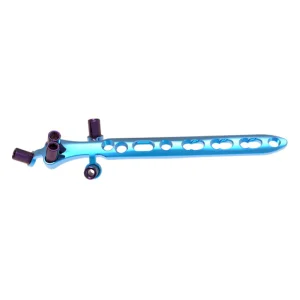
Proximal Ulna ISC Locking Compression Plate I System
Check Ulna Plate Pricelist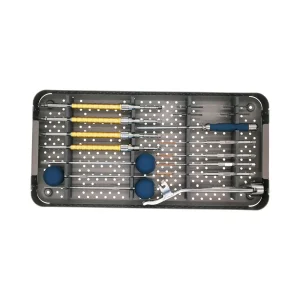
OEM 5.5 Spinal Pedicle Screw Instrument Set & Implants
Request 5.5 Spine Catalog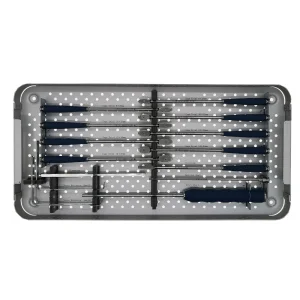
Spine Surgery Thoracolumbar PLIF Cage Instrument Set
Access PLIF Solutions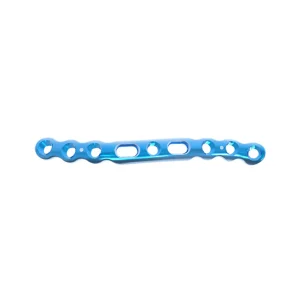
Anteromedial Clavicle Locking Compression Plate System
Inquire Clavicle Plating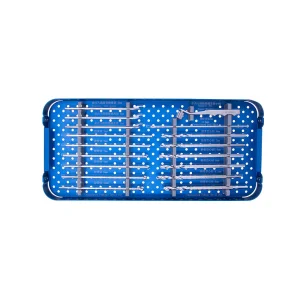
Buy Complete ACL/PCL Reconstruction Surgical Instrument Set
Review Ligament Tools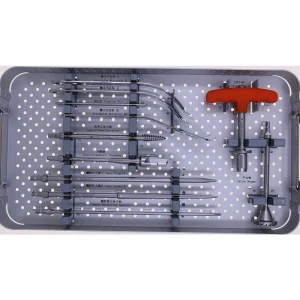
Orthopedic Implant THA Hip Instrument Set (Femoral Part)
THA Hip Instrument Data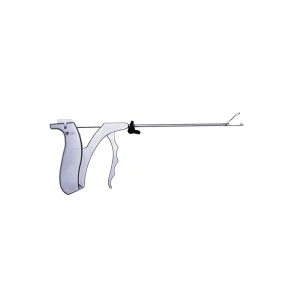
Wholesale Sports Medicine SuperFix Arthroscopic Suture Passer
Order Suture Passers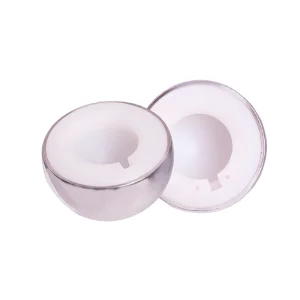
Wholesale FDAH Bipolar Acetabular Cup Hip Prosthetic System
Acetabular Cup QuotePartner with China's #1 Distal Tibia Plating & Trauma Factory
Whether you are expanding a national hospital distribution network, bidding on institutional health ministry tenders, or seeking a fully certified OEM contract manufacturer for custom titanium implants, our engineering and regulatory affairs teams stand ready to support your market entry.