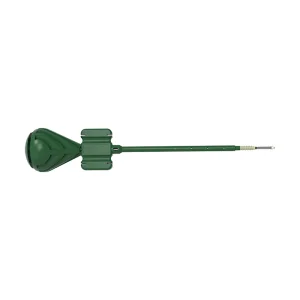
Wholesale SuperFix P Knotless Suture Anchor Manufacturer, Suppliers
Product Specifications
Engineered to rigorous biomechanical tolerances for trauma, reconstruction, arthroscopy, and arthroplasty interventions.
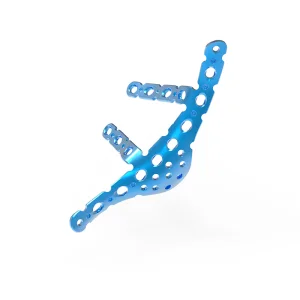
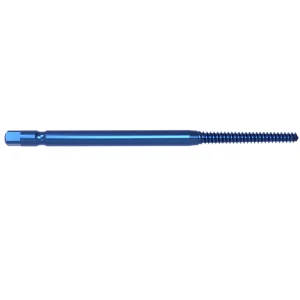
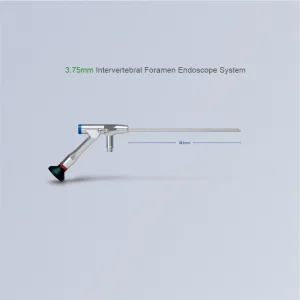
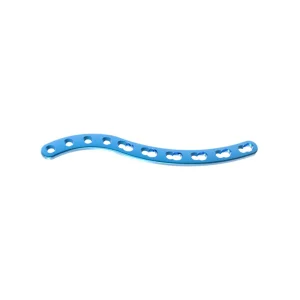
The global osteosynthesis sector has shifted from basic mechanical stabilization to micro-engineered biological fixation, optimizing pull-out strength, osseointegration, and stress transfer dynamics.
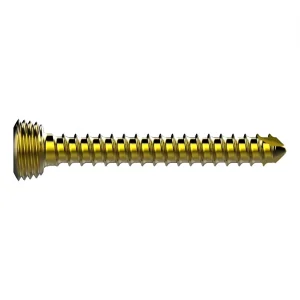
Modern cannulated headless screws utilize continuous differential pitch profiles (Herbert screw design principles) to generate sustained interfragmentary compression across scaphoid, osteochondral, and periarticular fractures without hardware prominence or soft tissue irritation.
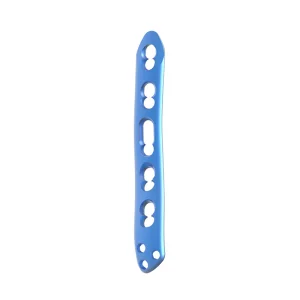
Extremity & Trauma FixationFixed-angle locking technology provides angular stability in osteoporotic bone. Next-generation polyaxial locking constructs accommodate up to 30 degrees of trajectory variation, empowering surgeons to target dense subchondral bone structures while preventing screw stripping in low-density trabecular regions.
Angular Stability ArchitectureControlled anodic oxidation (Type II/Type III anodization) enhances biocompatibility, wear resistance, and fatigue life. Selective micro-arc oxidation and micro-roughened acid-etched surfaces promote direct osteoblast adhesion while suppressing metal ion release into surrounding tissues.
Surface ElectrochemistryThe core objective of modern orthopedic screw design is achieving immediate mechanical anchoring while preventing stress shielding. High-quality bone screws undergo rigorous standardized validation under ASTM F543 (Standard Specification and Test Methods for Metallic Medical Bone Screws), evaluating torsional yield strength, maximum torque, breaking angle, driving torque, and axial pull-out force. Cortical screws utilize shallower thread profiles with small pitch distances (typically 1.25mm to 1.75mm) to maximize cortical purchase, whereas cancellous bone screws feature deep asymmetrical buttress threads with wide core-to-outer diameter ratios to compact fragile metaphyseal bone.
In polyaxial pedicle screws and variable-angle locking plates, finite element analysis (FEA) has demonstrated that optimal root radiuses (fillets) between the thread flanks and core diameter reduce localized stress concentrations by up to 38%, mitigating premature hardware fatigue during cyclical patient mobilization prior to solid bony union.
Global procurement directors and contract research organizations (CROs) enforce uncompromising qualification benchmarks to assure biocompatibility, surgical reproducibility, and regulatory compliance.
| Evaluation Parameter | International Standard | Engineering Specification Threshold | Clinical & Commercial Risk Mitigation |
|---|---|---|---|
| Raw Material Purity | ASTM F136 / ISO 5832-3 (Ti6Al4V ELI) ASTM F138 / ISO 5832-1 (316LVM) |
Interstitial element control: O < 0.13%, Fe < 0.25%, H < 0.012%; grain size ASTM Class 5 or finer | Prevents in vivo galvanic corrosion, micro-pitting, and premature fatigue rupture under dynamic cyclic loading. |
| Thread Profile Accuracy | ISO 5835 / ISO 9268 ASTM F543-17 |
CNC thread whirling tolerance within ±0.005mm; runout < 0.01mm | Eliminates stripping in weak bone; ensures uniform driving torque and tactile surgeon feedback in the OR. |
| Quality Management System | ISO 13485:2016 MDSAP / EU MDR 2017/745 |
100% full-process traceability from raw ingot lot number to individual finished sterile blister package | Guarantees seamless customs clearance, hospital tender approval, and full regulatory audit defense. |
| Cleanroom Packaging | ISO 14644-1 (Class 100,000 / ISO 8) ISO 11607-1/2 |
Bioburden < 100 CFU/device; EO residual < 4.0 mg/device; double blister sterile-barrier packaging | Eliminates intraoperative reprocessing costs; minimizes surgical site infection (SSI) liability. |
Tender success hinges on comprehensive Design Dossiers: Biocompatibility (ISO 10993), Clinical Evaluation Reports (CER), Usability Engineering (IEC 62366), and aging shelf-life validation reports for sterile barriers.
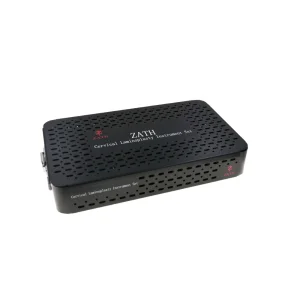
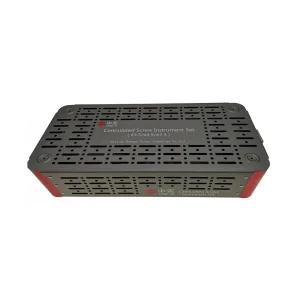
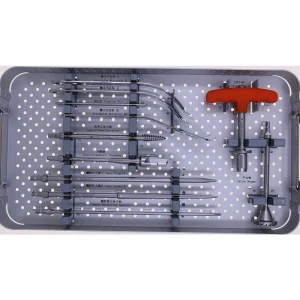
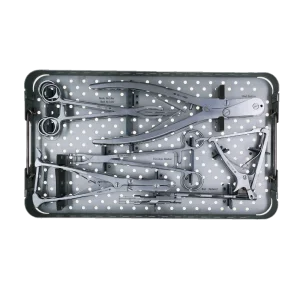
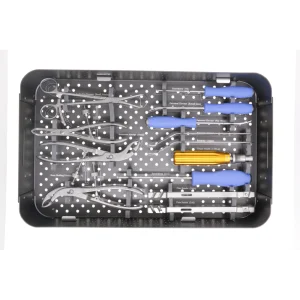
Implant screws cannot function in isolation. Tier-1 buyers demand modular, color-coded medical-grade stainless steel screwdriver shafts (Torx, Star, Hex), countersinks, depth gauges, and tap sleeves matched to thread geometry.
Switching from fragmented regional workshops to vertically integrated manufacturing hubs reduces procurement overhead by 25-40% through unified QA protocols, reduced freight handling, and scaled purchasing of raw medical titanium.
Combining high-precision CNC multi-axis Swiss lathe technology with automated quality inspection to deliver global supply continuity and ultra-tight tolerances.
Modern Chinese medical equipment manufacturing centers utilize synchronized 9-axis and 11-axis Swiss-type turning machines (such as Star, Citizen, and Tornos systems). Unlike traditional single-point threading, high-speed thread whirling cuts the complex buttress, cortical, and cancellous profiles in a single pass without deflection, maintaining concentricity along long cannulated shafts up to 130mm.
Real-time thermal compensation and optical tool-wear sensors ensure that critical dimensions—such as drive socket depth, self-tapping flute clearance, and root radius—remain within strict micrometer limits (±0.005mm) across mass production batches exceeding hundreds of thousands of units.
Supply Chain Security Note: Integrated localized ecosystems in medical parks (such as Zhongguancun Science and Technology Park in Beijing) streamline raw bar stock qualification, heat treatment, electrochemical polishing, laser engraving, cleanroom double-barrier sealing, and ethylene oxide (EO) sterilization under unified audit surveillance.
Under the ISO 13485 framework, zero-defect quality assurance relies on automated non-contact optical comparators and 3D coordinate measuring machines (CMM). High-resolution machine vision inspects 100% of screw drive heads (Torx / Hexalobular) to verify torque transfer integrity and avoid head stripped failures during intraoperative driving.
Tailored osteosynthetic screw designs deployed across orthopedics, spinal stabilization, maxillofacial correction, and joint arthroplasty.
Cannulated, fenestrated pedicle screws engineered for cement augmentation in severely osteoporotic vertebrae, alongside dual-thread screws featuring aggressive cortical engagement in the pedicle and cancellous grip in the vertebral body.
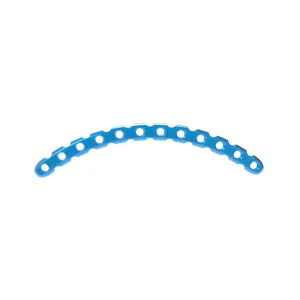
Spine Surgery2.4mm, 2.7mm, 3.5mm, and 5.0mm self-tapping cortical and locking screws pairing with anatomical plates for distal radius, clavicle, humeral, tibial plateau, and distal femoral periprosthetic reconstructions.
Trauma CentersHigh-pullout knotless suture anchors and interference screws manufactured from Ti6Al4V ELI or biocomposite PEEK for cruciate ligament (ACL/PCL) reconstructions, rotator cuff refixation, and labral labrum reattachment.
Sports Medicine6.5mm multi-hole dome fixation screws providing secure mechanical seating for uncemented titanium acetabular shells during total hip arthroplasty (THA), resisting shear and tipping forces until initial ingrowth completes.
Joint ArthroplastyGlobal Commercial Trend Analysis: The global orthopedic fixation device market is projected to expand beyond USD 14.8 billion by 2030, driven by the global aging demographic, an increasing prevalence of osteoporotic fractures, and the rapid expansion of ambulatory surgical centers (ASCs). Hospitals actively prioritize pre-sterilized, single-use implant packaging to reduce central sterile processing department (CSPD) overhead, minimize turnover times, and mitigate hospital-acquired infections.
Detailed insights on material metallurgy, mechanical test compliance, OEM customization parameters, and regulatory file transfer.
Cortical screws are designed for dense diaphysial bone, featuring a smaller pitch, shallower thread depth, and a high core-to-outside diameter ratio to withstand shear stresses. Cancellous screws are engineered for porous epiphyseal and metaphyseal regions, characterized by deeply cut threads with a wide outer diameter and coarse pitch that effectively grips sponge-like bone. Locking screws feature a threaded head that locks directly into a complementary threaded plate hole, creating a fixed-angle construct that does not rely on friction against the bone cortex, preserving periosteal blood supply and preventing primary loss of reduction in osteoporotic patients.
Ti-6Al-4V ELI (Extra Low Interstitial, ASTM F136 / ISO 5832-3) tightly limits interstitial impurities (oxygen, nitrogen, carbon, and iron). Reducing interstitial elements significantly enhances structural fracture toughness, ductility, and fatigue endurance under cyclical biological loads while eliminating brittle behavior. Furthermore, its elastic modulus (approx. 110 GPa) is considerably closer to cortical bone (18-20 GPa) compared to 316L stainless steel (approx. 200 GPa), effectively reducing stress shielding phenomena around the implant interface.
Drive head stripping occurs due to cam-out stresses or micro-milling clearance defects. Advanced factories deploy high-precision rotary broaching or micro-EDM to machine hexalobular (Torx / Star) profiles, which distribute torque loads across six contact flanks rather than the sharp corners of conventional hexagonal sockets. In addition, every screw head undergoes 100% automated optical vision verification to enforce tight concentricity and recess depth tolerances, preventing bit slippage during high-torque seated insertion.
OEM/ODM sourcing partners receive a complete technical dossier complying with EU MDR Annex II/III and FDA 510(k) requirements. This package includes Raw Material Mill Certificates (heat number trace), ASTM F543 Mechanical Testing Protocols (torsion, driving torque, pullout), Biocompatibility Reports according to ISO 10993 (cytotoxicity, sensitization, systemic toxicity, genotoxicity), Cleaning & Passivation Validation (ASTM F86), Sterilization Validation (ISO 11135 for EO or ISO 11137 for Gamma), and Accelerated Aging Shelf-Life Validation (ASTM F1980) for sterile packaging barriers.
Pre-sterilized, double-blistered orthopedic screws provide immediate traceability via sterile UDI barcoding, eliminate the hospital burden of autoclave cleaning cycles, remove the risk of cross-contamination from previously opened, unutilized implants, and prevent surface micro-scratches caused by repeated ultrasonic tray agitation. Operating rooms gain faster turnover times and enhanced surgical site infection (SSI) risk controls.
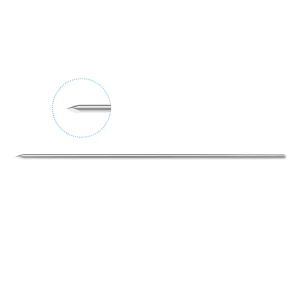
Qualified manufacturers provide comprehensive OEM/ODM adaptation, including custom thread pitches, cannulation bore diameters (for precise K-wire guidance), self-drilling / self-tapping flute configurations, customized Torx/Hex drivers, variable surface treatments (Type II gray, Type III color anodization for size identification), direct laser pad-printing of brand logos and reference numbers, and custom bilingual sterile packaging compliant with regional regulatory requirements.
Complete regulatory-cleared implant assemblies and dedicated surgical instrumentation sets for orthopedics and traumatology.