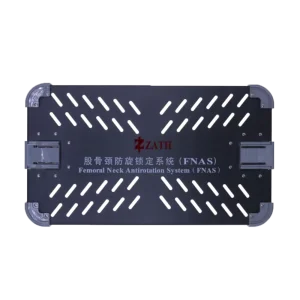
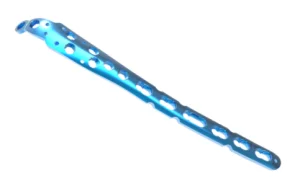
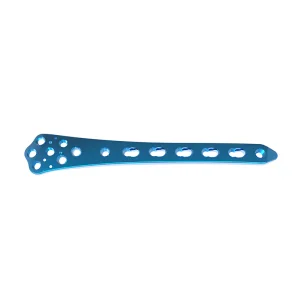
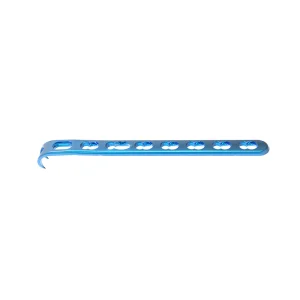
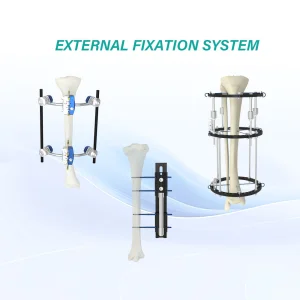
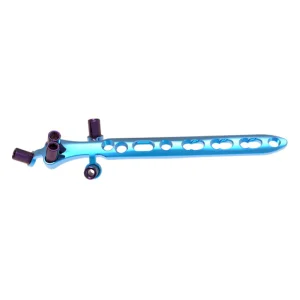
Certified Orthopedic Fixation & Joint Implants
Engineered to micron-level tolerances with Ti-6Al-4V ELI medical-grade alloys and ultra-high molecular weight polyethylene (UHMWPE). Below are direct procurement platforms for critical internal fixation systems.
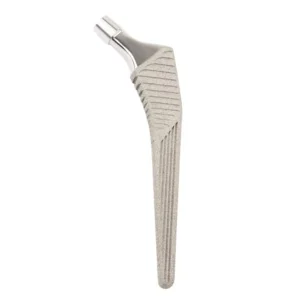
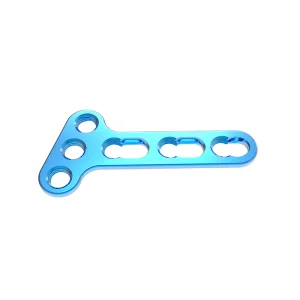
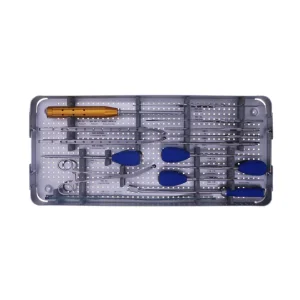
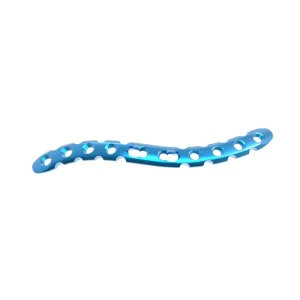
State of the Art in Orthopedic Screws & Internal Fixation Systems
A comprehensive evaluation of metallurgical developments, micro-thread biomechanics, fatigue performance, and osseointegration dynamics in contemporary osteosynthesis.
In modern traumatology and orthopedic surgery, the orthopedic bone screw is neither a basic fastener nor a generic commodity. It represents an intricate biomedical instrument subject to complex cyclic loading, torsion, shear forces, and biological remodeling environments. As global surgical methodologies migrate toward minimally invasive surgery (MIS), percutaneous screw placement, and accelerated patient rehabilitation protocols, the mechanical tolerances and metallurgical purity required from orthopedic screw manufacturers have grown exponentially.
1. Advanced Metallurgy & Biomaterial Engineering (ASTM F136 & ISO 5832-3)
The transition from conventional 316L medical stainless steel to Grade 23 Ti-6Al-4V ELI (Extra Low Interstitial) has drastically improved fatigue threshold and bio-inertness. Ti-6Al-4V ELI features reduced oxygen, nitrogen, and carbon content, imparting superior yield strength (≥860 MPa) and elongation capacity (≥10%) that withstand severe physiological torsional stress during insertion into dense cortical bone. Concurrently, medical device manufacturers are implementing secondary surface treatments—such as Type II electrochemical anodization, micro-arc oxidation (MAO), and titanium plasma spraying (TPS)—to mitigate cold welding between the screw thread and locking plate hole while promoting rapid osteoblastic adhesion.
2. Biomechanical Micro-Geometry: Cortical, Cancellous, and Cannulated Paradigms
The internal fixation efficacy of an orthopedic screw depends directly on its thread geometry, pitch differential, core diameter, and flute architecture. High-performance screws now incorporate reverse-cutting flutes that reduce insertion torque by up to 35% while facilitating seamless extraction during hardware removal. Variable-pitch headless cannulated compression screws (Herbert-type) utilize differential lead angles between the proximal and distal thread clusters to compress non-unions without periosteal disruption.
Self-Tapping Flute Geometries
Precision-milled cutting notches with calibrated relief angles eliminate the need for secondary bone tapping, shortening surgical theater time and preserving cortical trabecular structure.
Torx & StarDrive Recesses
Transition from hexagonal to Stardrive/Torx head sockets prevents cam-out and stripping, transferring maximum radial insertion torque safely under high bone density environments.
Polyaxial Locking Bushings
Allows surgeons up to ±15° angulation flexibility within the plate hole, creating dynamic anatomical fixed-angle constructs tailored to multi-fragment comminuted fractures.
B2B Orthopedic Screw Pricelist & Supply Chain Parameters
Understanding cost drivers, raw material indices, regulatory conformity burdens, and tiered contract pricing across global OEM/ODM orthopedic distribution channels.
Orthopedic procurement executives face an increasingly complex matrix of technical specifications, MDR compliance burdens, and competitive margin pressures. The pricing of orthopedic screws is defined by several pivotal variables: raw titanium bar purity certification, multi-axis Swiss CNC cycle times, ultrasonic cleaning validation, Class 100,000 cleanroom packaging, and the documentation depth required for regional health authority registration (such as CE marking under EU MDR 2017/745, US FDA 510(k), and Brazilian ANVISA).
The table below outlines standard indicative pricing tiers, minimum order quantities (MOQ), and sterilization readiness for commercial distributors, medical trading firms, and hospital group tenders.
| System Classification | Dimension Spectrum | Material Standard | Packaging / Sterility | MOQ (Pcs) | Indicative Price Range (USD) |
|---|---|---|---|---|---|
| Cortical Bone Screws (Self-Tapping) | Ø1.5mm – Ø4.5mm (L: 6–90mm) | Ti-6Al-4V ELI (ASTM F136) | Sterile Double Blister / Bulk Non-Sterile | 500 | $4.80 – $8.50 Volume Tiered |
| Cancellous Bone Screws (Partial/Full) | Ø4.0mm – Ø6.5mm (L: 16–120mm) | Grade 5 Titanium / 316L SS | Sterile Peel-Pouch / Cleanroom Bulk | 300 | $6.20 – $11.00 High Demand |
| Headless Cannulated Compression Screws | Ø2.5mm – Ø7.3mm (L: 12–110mm) | Ti-6Al-4V ELI / Bioresorbable | Individual Sterile Tyvek® Pack | 200 | $14.50 – $28.00 Precision |
| Polyaxial Spinal Pedicle Screws | Ø4.5mm – Ø7.5mm (L: 35–55mm) | Ti-6Al-4V ELI + CoCrMo Head | Class 10,000 Cleanroom Sterile | 100 | $35.00 – $68.00 Spine Platform |
| Variable Angle Locking Screws | Ø2.4mm – Ø5.0mm (Torx Recess) | Ti-6Al-4V ELI (Type II Anodized) | Sterile Pack with Lot QR Barcode | 500 | $7.50 – $13.50 Trauma LCP |
| Suture Anchors (Threaded Knotless) | Ø2.8mm – Ø5.5mm (Loaded Sutures) | Titanium Alloy / PEEK Polymer | EtO Sterilized Double Blister | 100 | $32.00 – $58.00 Sports Med |
China Factory 4.0: Manufacturing Agility & Cost-Efficiency
How end-to-end industrial integration, robotics, and digital quality assurance in Beijing deliver unmatched cost stability and surgical-grade reproducibility.
Multi-Axis Swiss CNC Machining
Deploying Citizen and Star multi-axis sliding-head automatic lathes allows single-pass turning, thread milling, reverse-slot EDM, and head broaching without re-clamping, eliminating cumulative concentricity errors.
Fully Integrated Cleanroom Packaging
Cleaned via multi-frequency ultrasonic degreasing stations and vacuum drying before entering certified ISO Class 7/8 (Class 10,000 / 100,000) cleanrooms for automated pouch and blister sealing under validated sterile barrier protocols (ISO 11607).
Digital Optical Automated Inspection
Laser micrometer vision systems and coordinate measuring machines (CMM) inspect pitch diameter, thread angle, runout, and head geometry on every batch, enforcing zero-defect delivery standards.
Supply Chain Resiliency
Proximity to state-certified medical titanium melt facilities and domestic bar stock mills guarantees uncompromised raw material availability, protecting international distributors against geopolitical and freight cost volatility.
Localized Anatomical Fixation Scenarios
Engineered for diverse surgical environments—from high-energy trauma centers to specialized sports medicine and ambulatory surgical centers.
Trauma & Peri-Articular Fracture Fixation
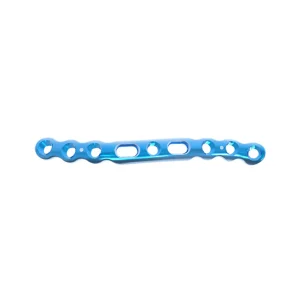
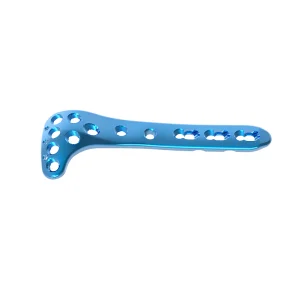
In complex distal femur, proximal tibia, or clavicular fractures, locking screws thread securely into anatomical plates, transforming the assembly into an internal fixator that preserves periosteal blood supply and promotes rapid secondary bone healing through micromotion control.
Geriatric Osteoporotic Fracture Stabilization
For elderly patients with reduced bone mineral density, fenestrated screws allow targeted polymethylmethacrylate (PMMA) bone cement augmentation, boosting pull-out strength by over 200% and preventing catastrophic construct loosening in spinal or femoral neck osteosynthesis.
Arthroscopic Soft-Tissue Reattachment
Designed for rotator cuff, labral, and ACL/PCL reconstructions. Suture anchors utilize high-strength UHMWPE suture tapes with specialized eyelet routing to establish anatomical footprint compression without cutting tendon tissues.
Frequently Asked Questions by Medical Device Buyers
Detailed clinical, metallurgical, regulatory, and logistics answers compiled by our chief orthopedic biomedical engineering team.
What metallurgical grades are utilized in ZATH orthopedic screws, and how is material traceability ensured?
What are the key technical differences between locking screws and traditional cortex screws?
Are ZATH orthopedic screws supplied in sterile or non-sterile formats?
What support is provided for international regulatory registration (CE, FDA, national health registries)?
What is the standard production lead time and international shipping logistics schedule?
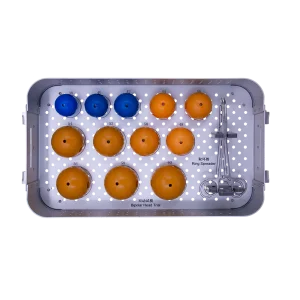
Specialized Trauma Systems & Surgical Toolkits
Explore our full line of specialized anatomical locking systems, intramedullary reconstruction systems, and complete universal orthopedic instrument containers.