Discount Orthopedic stainless synthes external fixation fixator Factories, Pricelist
Product Description
What is External Fixation?
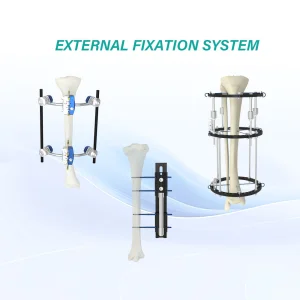
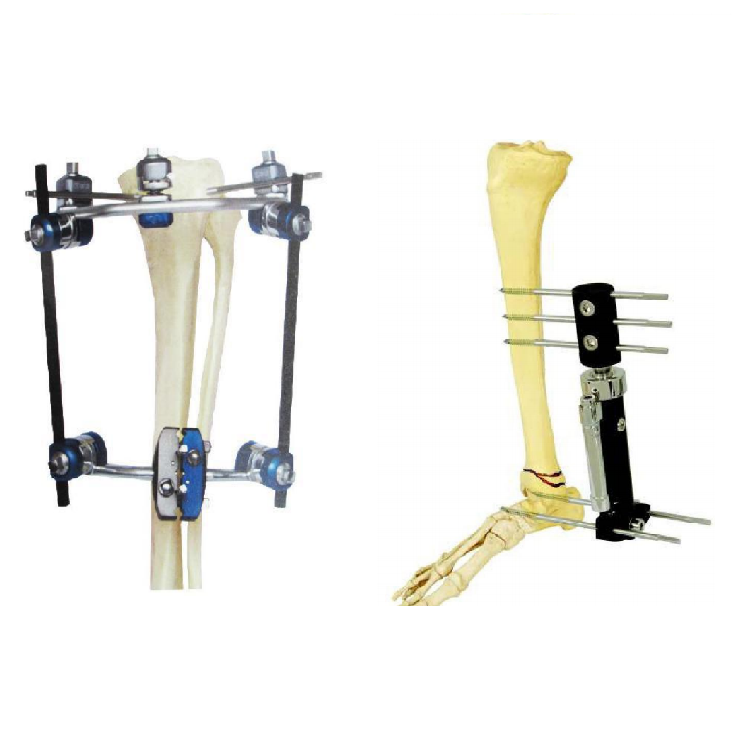
Orthopedic External fixation is a special orthopedic technique used to stabilize and support fractured bones or joints from outside the body. External fixation set is particularly effective when internal fixation methods such as steel plates and screws cannot be used due to the nature of the injury, the overall health condition of the patient, or the need for frequent contact with the affected area.
Understanding External Fixation System
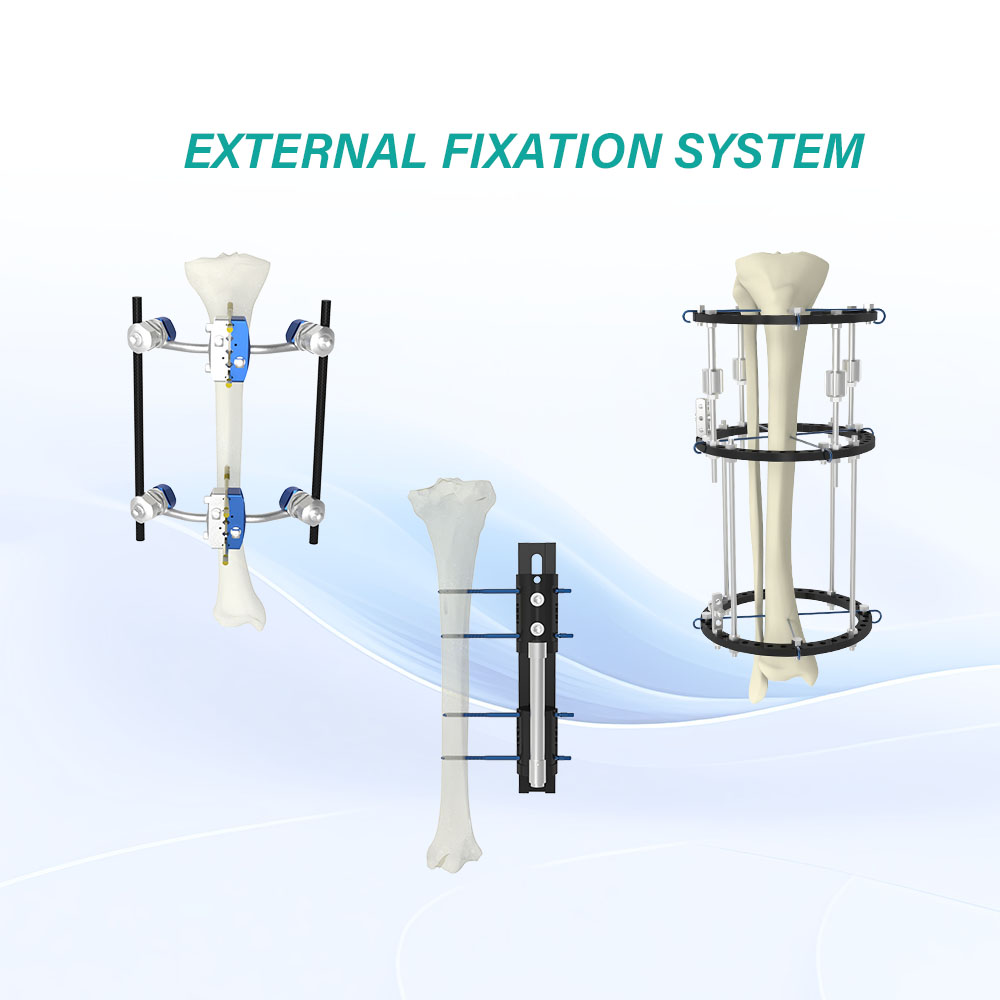
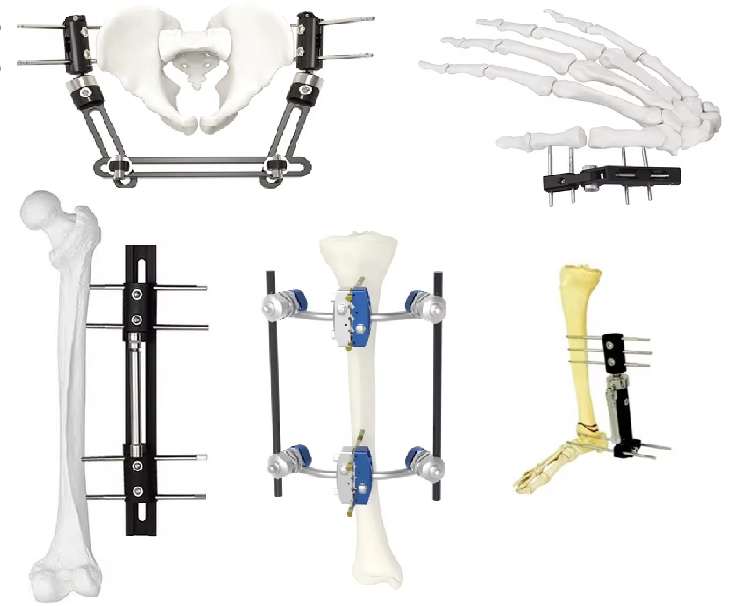
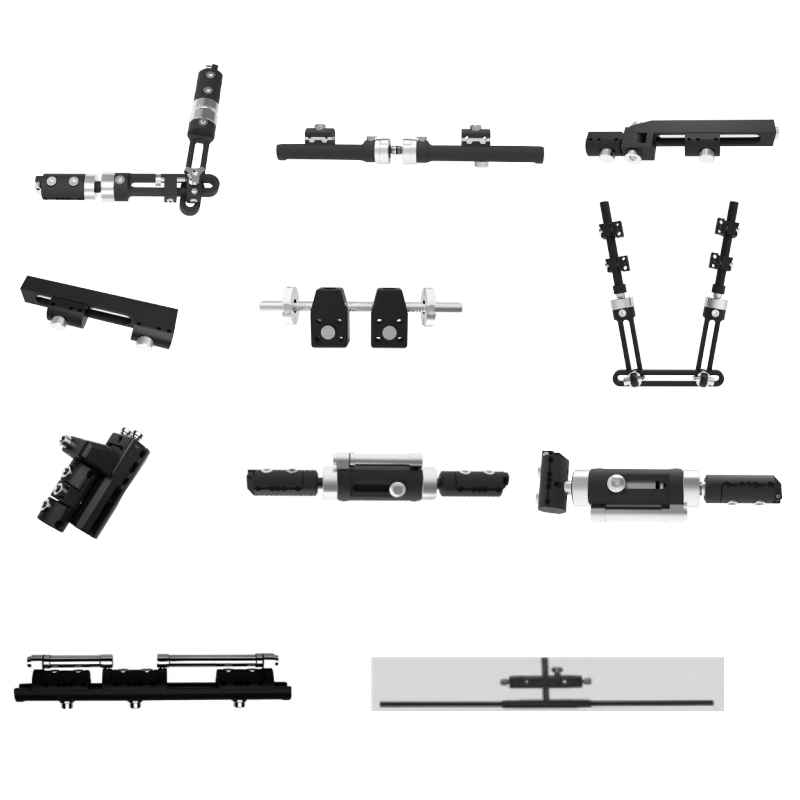
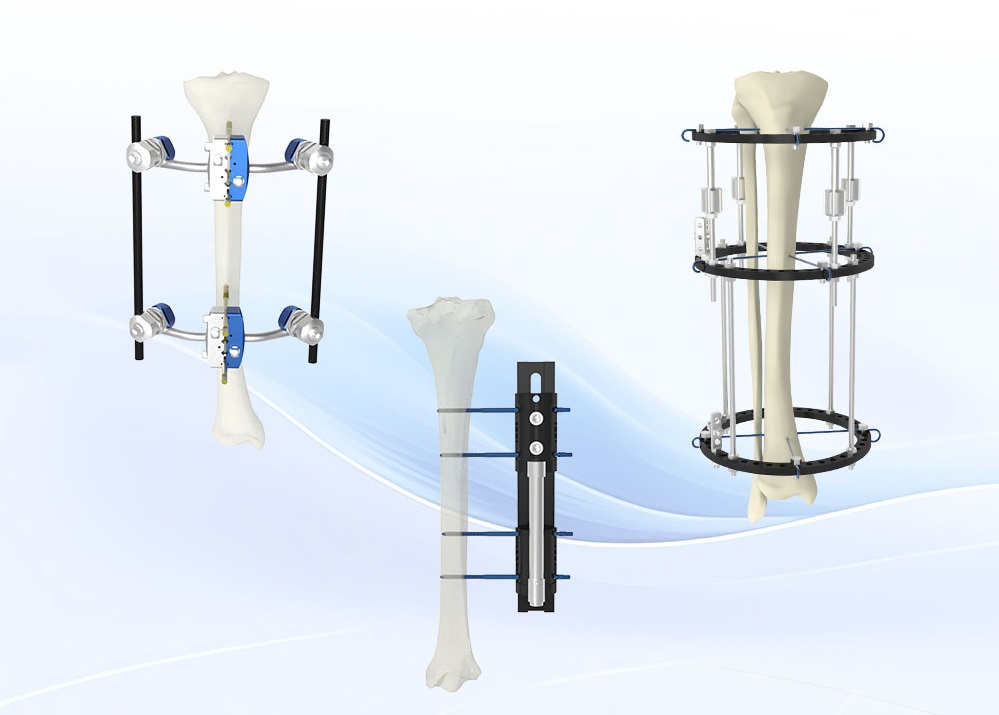
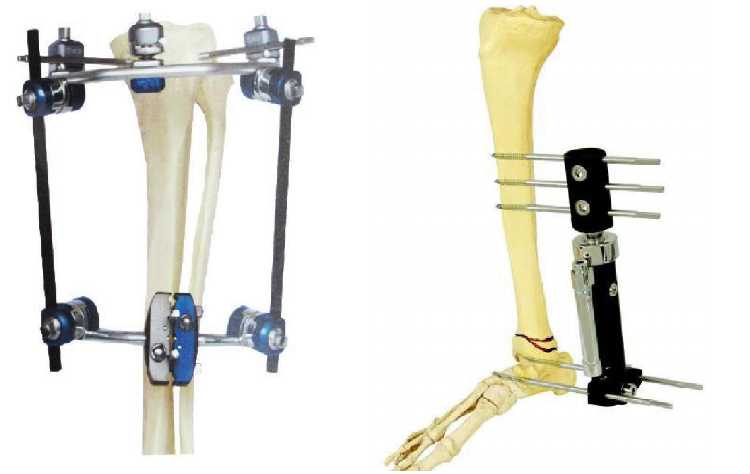
An external fixator device consists of rods, pins, and clips that are attached to the bone through the skin. This external device holds the fracture in place, keeping it properly aligned and stable while it heals. External fixators are usually made of lightweight materials such as aluminum or carbon fiber and are easy to handle and can be adjusted as needed.
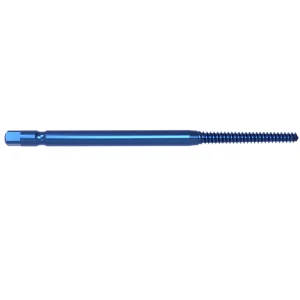
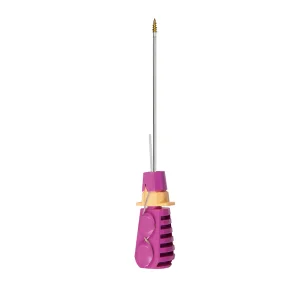
The main components of external fixation in orthopedics include needles or screws, connecting rods, pliers, etc.
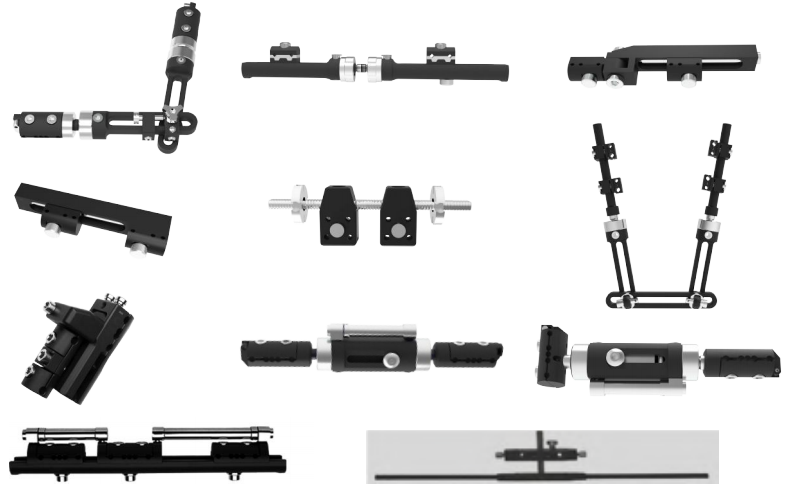
Application of External Fixation System
External fixation is commonly used in a variety of orthopedic scenarios, including:
Advantages of Using Orthopedic External Fixator
There are several advantages to using ortopedic external fixator in treatment:
Frequently Asked Questions (FAQ)
What is the primary function of an orthopedic external fixator?
An orthopedic external fixator is designed to stabilize and support fractured bones or joints from outside the body, maintaining correct alignment while the injury heals.
What materials are used to manufacture external fixators?
External fixators are generally manufactured from lightweight, high-strength materials such as aluminum or carbon fiber to make them easy to handle and adjust.
What main components are included in an external fixation set?
The main components of an orthopedic external fixation system include needles or screws, connecting rods, pliers, and specialized clips.
Why is external fixation preferred for open fractures or infection risks?
Because the device is mounted externally, it leaves the wound site unobstructed, facilitating routine cleaning, wound care, and regular medical evaluation to reduce infection risks.
Can external fixators be altered after surgery?
Yes, external fixators provide post-operative adjustability, allowing healthcare professionals to modify bone alignment or adapt to changes in healing without invasive surgery.
How does external fixation assist in bone lengthening procedures?
During procedures like distraction osteogenesis, external fixators gradually separate the bone segments to stimulate and guide new bone tissue growth.